✓ Local honey can help with seasonal allergies due to trace pollen.
✓ Raw, unfiltered honey retains more beneficial enzymes and antioxidants.
✓ Purchasing local honey supports regional beekeeping and agricultural ecosystems.
✓ The US produces a wide variety of honey, influenced by local flora.
How It Works
1
Identify Your Needs
Determine if you're seeking raw, unfiltered, or specific floral varietals. Consider your budget and desired quantity.
2
Explore Local Sources
Utilize online directories, farmers' market listings, and local food co-op websites. Look for beekeepers in your immediate area.
3
Verify Authenticity
Check for labels indicating 'raw,' 'local,' or 'unfiltered.' Ask questions about the beekeeper's practices and location of hives.
4
Purchase and Enjoy
Buy directly from the source or a trusted retailer. Store your honey properly to maintain its natural goodness and savor its unique flavor.
Why Choose Local Honey? Unpacking the Benefits
Photo: Ekaterina Belinskaya / Pexels
In an increasingly globalized food market, the allure of 'local' has never been stronger, especially when it comes to something as universally cherished as honey. But beyond the warm, fuzzy feeling of supporting a neighbor, what tangible benefits does choosing local honey offer? The reasons are multifaceted, spanning health, environmental sustainability, and pure culinary delight. For starters, one of the most compelling arguments for local honey, particularly in the US, revolves around its potential to alleviate seasonal allergies. The theory, known as immunotherapy, suggests that consuming small, regular doses of local pollen – which is present in raw, unfiltered local honey – can help desensitize the body to allergens. While scientific evidence is still evolving and individual results vary, many people swear by this natural remedy. The trace amounts of pollen in local honey are unique to your specific geographic region, meaning they contain the very allergens that cause you discomfort. Unlike mass-produced honey, which is often heavily filtered and pasteurized, local honey retains these beneficial pollen grains, along with propolis, royal jelly, and a wider spectrum of enzymes and antioxidants. These components are often removed during commercial processing to achieve a uniform appearance and extend shelf life, but in doing so, much of honey's natural goodness is lost. Understanding the difference between raw and processed honey is crucial for appreciating these benefits.
Beyond personal health, the environmental impact of choosing local honey is significant. When you buy honey from a local beekeeper, you are directly supporting sustainable agricultural practices. Beekeepers play a vital role in pollination, which is essential for the reproduction of countless plants, including many food crops. By maintaining healthy bee colonies, local beekeepers contribute to biodiversity and the overall health of their regional ecosystem. This is particularly important given the global decline in bee populations, often attributed to pesticide use, habitat loss, and climate change. Your purchase helps fund the ongoing efforts to protect these crucial pollinators. Furthermore, buying local reduces the carbon footprint associated with transportation. Honey shipped across continents or even across the country contributes to greenhouse gas emissions. Local procurement minimizes this, aligning with a more environmentally conscious lifestyle. It also ensures freshness, as the honey doesn't have to endure long journeys or sit in warehouses for extended periods.
From a culinary perspective, local honey offers an unparalleled depth of flavor. The taste of honey is a direct reflection of the nectar sources available to the bees. A hive located near clover fields will produce honey with a distinct flavor profile from one near orange groves or wildflower meadows. This varietal diversity is a gourmet's delight, offering a spectrum of colors, aromas, and tastes that simply cannot be replicated by generic supermarket brands. Exploring different local honeys is akin to wine tasting, with each jar telling a story of its origin. This regional specificity is a hallmark of truly local products. You might discover a robust buckwheat honey in one state, a delicate tupelo honey in another, or a complex wildflower blend from your own backyard. These unique characteristics are celebrated by chefs and food enthusiasts alike, who use local honey to add nuanced sweetness and complexity to dishes, from glazes and marinades to desserts and beverages. The connection to the land and the season is palpable in every spoonful, making it a truly authentic food experience. Ultimately, choosing local honey is not just a purchase; it's an investment in your health, your environment, and your community, offering benefits that extend far beyond the jar itself.
Top Places to Find Authentic Local Honey Across the US
Photo: Surya Travel / Pexels
Finding authentic local honey in the United States might seem like a daunting task given the vastness of the country, but with a bit of guidance, you'll discover numerous reliable sources right in your community or a short drive away. The key is to know where to look and what questions to ask. One of the most traditional and often best places to find local honey is at farmers' markets. These vibrant hubs of local agriculture connect consumers directly with producers, including beekeepers. At a farmers' market, you can speak directly with the person who harvested the honey, ask about their beekeeping practices, the location of their hives, and the types of flowers their bees forage on. This direct interaction not only assures you of the honey's origin but also builds a relationship with your local food providers. Many states have extensive directories of farmers' markets, often searchable by zip code, making it easy to find one near you. Look for stalls displaying jars of honey, often alongside other local produce.
Another excellent resource for local honey is specialty food stores and natural grocery stores. While larger supermarket chains might carry some regional brands, dedicated natural food stores are more likely to prioritize sourcing from local beekeepers. These stores often have sections specifically dedicated to local products, making it easier to identify authentic options. Don't hesitate to ask store staff about their honey suppliers; they are usually well-informed about the origins of their products. Similarly, co-ops and community-supported agriculture (CSA) programs are fantastic avenues. CSAs often include honey as part of their seasonal shares, or offer it as an add-on from a partner farm. Joining a CSA not only provides you with local honey but also a wide array of other fresh, seasonal produce, strengthening your connection to the local food system.
Direct from the beekeeper is arguably the most authentic way to purchase local honey. Many small-scale beekeepers sell honey right from their homes, roadside stands, or dedicated farm shops. A simple online search for 'beekeepers near me' or 'local honey [your city/state]' can often yield surprising results. Websites like LocalHarvest.org or Honey Locator are excellent online directories that allow you to search for beekeepers, farmers' markets, and other local food sources by geographic area. These platforms often provide contact information, allowing you to reach out directly to arrange a purchase or inquire about their products. Additionally, some beekeepers have online stores where they ship their honey, though this adds to the carbon footprint and shipping costs, it can still be a good option if truly local options are scarce.
Finally, consider local orchards, pumpkin patches, and agritourism sites. These locations often have their own bees for pollination and sell the resulting honey as a value-added product. Visiting these sites can be a fun family outing, combining the purchase of local honey with other seasonal activities. Local fairs and festivals, especially those with an agricultural theme, are also prime spots to find beekeepers showcasing and selling their wares. These events provide a festive atmosphere to discover and taste different local honey varieties. Always look for clear labeling that indicates the honey's origin, and don't be afraid to ask questions to ensure you're getting genuine local product.
Identifying Authentic Local Honey: What to Look For
Navigating the world of honey can be tricky, as not all honey labeled 'pure' or 'natural' is truly local or raw. To ensure you're getting the genuine article – honey that retains all its beneficial properties and supports local ecosystems – it's essential to know what to look for. The first and most crucial indicator is the label. Authentic local honey will often explicitly state its origin, usually including the name of the beekeeper, the farm, or at least the specific region or state where it was produced. Be wary of labels that simply say 'Product of USA' without further specifics, as this could mean the honey is a blend of honeys from various states or even imported honey repackaged in the US. A truly local product will pride itself on its specific geographic origin. Look for terms like 'raw,' 'unfiltered,' or 'unpasteurized.' These terms indicate that the honey has not been subjected to high heat or fine filtration, processes that remove beneficial enzymes, pollen, propolis, and antioxidants. Raw honey might appear cloudy or contain small particles of pollen or beeswax, which are signs of its natural state. Learning about honey crystallization can also help you identify raw honey, as it tends to crystallize more readily.
Beyond the label, consider the source. As mentioned, buying directly from a beekeeper, a farmers' market, or a trusted local food co-op significantly increases the likelihood of authenticity. When you buy from these sources, you have the opportunity to engage with the producer. Ask questions: 'Where are your hives located?' 'What flowers do your bees forage on?' 'Do you treat your bees with antibiotics or pesticides?' A knowledgeable and transparent beekeeper will be happy to answer these questions and share details about their practices. They often have a deep passion for their bees and their product. If a seller is vague or unwilling to provide information, it might be a red flag.
Another visual clue for raw, local honey is its consistency and appearance. Raw honey often has a thicker, more viscous texture than commercially processed honey. It might also show signs of crystallization, which is a natural process for raw honey and does not indicate spoilage. In fact, it's often a good sign of purity. The color of local honey can vary widely, from nearly clear to dark amber or even reddish, depending on the floral sources. This variation is normal and expected; a uniform color across all jars from different sources might suggest blending or processing. The aroma and taste are also key indicators. Local honey will often have a complex, nuanced flavor profile that reflects the local flora, unlike the often one-dimensional sweetness of mass-produced varieties. You might detect notes of specific flowers, fruits, or even earthy undertones.
Finally, be cautious of unusually low prices. Producing high-quality, local, raw honey is a labor-intensive process, and the price will reflect this. If a price seems too good to be true, it might be an indication that the honey has been diluted with syrups or is not genuinely local. While supporting local businesses, you're also paying for the care, effort, and sustainable practices that go into producing a superior product. Investing in authentic local honey is an investment in quality, health, and ethical consumption. By keeping these tips in mind, you can confidently distinguish genuine local honey from its less authentic counterparts and enjoy all the benefits it has to offer.
Tips for Storing Local Honey and Maximizing Its Shelf Life
Once you've found your precious jar of local honey, proper storage is key to maintaining its quality, flavor, and beneficial properties for as long as possible. While honey is unique in its virtually indefinite shelf life when stored correctly, certain conditions can degrade its taste, aroma, and texture. The primary rule for honey storage is to keep it in an airtight container. This prevents moisture absorption, which can lead to fermentation and spoilage. Original jars with tight-fitting lids are usually sufficient. If you transfer honey to another container, ensure it's clean, dry, and has a secure seal. Glass jars are generally preferred over plastic, as they don't absorb odors or leach chemicals.
The ideal storage temperature for honey is cool and consistent, typically between 50-70°F (10-20°C). A kitchen pantry or cupboard away from direct sunlight and heat sources is perfect. Avoid storing honey in the refrigerator. While refrigeration won't spoil honey, it significantly speeds up crystallization, making the honey very hard and difficult to use. Although crystallized honey is still perfectly good to eat, it can be inconvenient. If your honey does crystallize, you can easily reliquefy it by placing the open jar in a bowl of warm water (not boiling) or using a warm water bath. Stir occasionally until it returns to its liquid state. Do not microwave honey, as high heat can destroy beneficial enzymes and alter its flavor.
Protecting honey from direct sunlight is also important. Sunlight can cause the honey to darken and lose some of its delicate flavors and antioxidant properties over time. A dark cupboard or pantry is ideal for preserving its color and nutritional value. While honey doesn't spoil in the traditional sense, its quality can diminish if exposed to air, moisture, or extreme temperatures. Always use a clean, dry spoon or utensil when scooping honey to avoid introducing contaminants that could encourage spoilage or fermentation. With these simple storage tips, your local honey will remain a delicious and healthful staple in your pantry for years to come, allowing you to enjoy its natural sweetness and regional character in every spoonful.
**Quick Storage Checklist:**
* **Airtight Container:** Essential to prevent moisture absorption.
* **Cool, Dry Place:** Pantry or cupboard, away from heat and light.
* **Avoid Refrigeration:** Accelerates crystallization, though honey remains safe.
* **No Direct Sunlight:** Preserves color, flavor, and nutrients.
* **Clean Utensils:** Prevents contamination and fermentation.
* **Reliquify Gently:** Use a warm water bath if crystallized, avoid microwaving.
Comparison
Feature
Direct from Beekeeper
Farmers' Markets
Specialty Food Stores
Large Supermarkets
Authenticity Assurance
Highest (direct interaction)
High (direct interaction)
Medium (curated selection)
Low (often blended)
Variety of Flavors
Excellent (seasonal, specific)
Good (regional, seasonal)
Fair (limited local)
Poor (generic)
Support Local Economy
✓
✓
✓ (if locally sourced)
✗ (global supply chains)
Price Point
Moderate to High
Moderate to High
High
Low to Moderate
What Readers Say
★★★★★
"I found the most amazing wildflower honey at my local farmers' market here in Austin, thanks to this guide! It's so much more flavorful than anything from the store, and I love knowing it comes from bees just a few miles away. Definitely worth the search."
Sarah J. · Austin, TX
★★★★★
"This article gave me the confidence to seek out a beekeeper directly. I found a small apiary outside Portland, and their blackberry honey is incredible. It's clear the quality is superior, and it feels good to support their hard work."
Mark D. · Portland, OR
★★★★★
"After struggling with seasonal allergies every spring, I decided to try local honey. Following the advice here, I visited a nearby co-op and got some raw honey. While not a cure, my symptoms are noticeably milder this year, which is a huge win for me!"
Emily R. · Boston, MA
★★★★★
"The information on identifying authentic honey was really helpful. I used to just grab any 'pure' honey, but now I know what questions to ask and what to look for on the label. It takes a little more effort, but the taste difference is significant, though sometimes a bit pricier."
David L. · Denver, CO
★★★★★
"As a baker, the unique flavor profiles of local honey are a game-changer for my recipes. This guide helped me discover several local Florida orange blossom honey producers. My customers constantly rave about the depth of flavor in my baked goods now!"
Jessica M. · Miami, FL
Frequently Asked Questions
What are the primary health benefits of buying local honey?
Local honey, especially when raw and unfiltered, contains beneficial enzymes, antioxidants, and trace amounts of local pollen. Many believe consuming this pollen can help desensitize the body to seasonal allergies. It also provides natural sugars and can have antimicrobial properties, contributing to overall wellness.
Is local honey more expensive than regular supermarket honey?
Yes, local honey often carries a higher price tag than mass-produced supermarket honey. This is due to smaller-scale production, higher labor costs for beekeepers, and the premium quality of raw, unfiltered honey. However, many consumers find the enhanced flavor, nutritional benefits, and support for local agriculture well worth the investment.
How can I tell if honey is truly raw and local?
Look for labels explicitly stating 'raw,' 'unfiltered,' and the specific geographic origin. Raw honey may appear cloudy, contain small particles, and crystallize more readily. The best way to ensure authenticity is to buy directly from a known beekeeper at a farmers' market or a reputable local food store and ask about their practices.
Does local honey ever expire?
Honey, when stored properly in an airtight container away from moisture and extreme temperatures, has an almost indefinite shelf life due to its low water content and acidic pH, which inhibit microbial growth. While its quality (flavor, aroma) can slowly diminish over many years, it doesn't 'spoil' in the way other foods do.
What's the difference between 'local' honey and 'pure' honey?
'Pure' honey simply means it contains no added ingredients, but it can be a blend of honeys from various regions or countries, often heavily processed. 'Local' honey specifically refers to honey produced by bees foraging in your immediate geographic area, typically raw and unfiltered, offering regional benefits and supporting local beekeepers.
Who should prioritize buying local honey?
Anyone looking for a natural sweetener with potential health benefits, especially those with seasonal allergies, should consider local honey. It's also ideal for individuals who want to support sustainable agriculture, reduce their carbon footprint, and enjoy a unique, regionally diverse flavor profile in their food.
Are there any risks associated with consuming raw local honey?
For most healthy adults and children over one year old, raw local honey is safe. However, due to the potential presence of *Clostridium botulinum* spores, raw honey should never be given to infants under 12 months of age, as their digestive systems are not yet developed enough to neutralize the spores, posing a risk of infant botulism.
Will the availability of local honey change in the future?
The availability of local honey is intrinsically linked to environmental health, climate patterns, and the vitality of bee populations. As awareness grows about the importance of pollinators and sustainable practices, demand for local honey may increase. Supporting local beekeepers now helps ensure a robust future for local honey production and bee conservation.
Embark on your journey to discover the rich, nuanced world of local honey across the US. By choosing to buy local, you're not just getting a superior product; you're investing in your health, supporting vital ecosystems, and strengthening your community. Start exploring your local sources today and taste the difference!

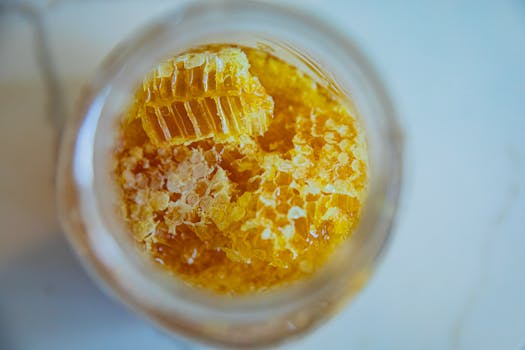 Photo: Ekaterina Belinskaya / Pexels
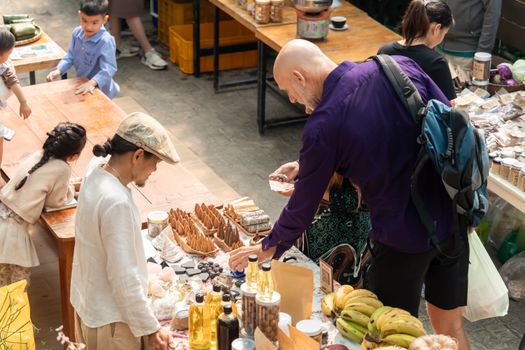 Photo: Surya Travel / Pexels