✓ Local honey often retains more beneficial enzymes and pollen than processed honey.
✓ Purchasing local honey directly supports small businesses and sustainable beekeeping practices.
✓ Many believe local honey can help alleviate seasonal allergy symptoms due to regional pollen exposure.
✓ True raw, local honey will often crystallize over time, a sign of its purity and quality.
How It Works
1
Identify Your Needs
Determine if you're seeking honey for allergies, cooking, or general consumption. This helps narrow down the type and source you're looking for.
2
Explore Local Sources
Utilize online directories, farmers' market listings, and local food co-op websites to find beekeepers and retailers in your area.
3
Verify Authenticity
Look for labels indicating 'raw,' 'unfiltered,' or 'local.' Don't hesitate to ask sellers about their beekeeping practices and honey origins.
4
Taste and Enjoy
Once you've found your local honey, savor its unique flavor profile. Remember to store it properly to maintain its quality and benefits.
The Unrivaled Benefits of Sourcing Local Honey
Photo: Saul Cob / Pexels
In an era where food origins are increasingly scrutinized, the quest for pure, unadulterated ingredients has led many to rediscover the golden goodness of local honey. But why go to the extra effort to find honey produced in your own backyard, rather than simply grabbing a squeeze bear from the supermarket shelf? The reasons are compelling, ranging from enhanced flavor profiles to potential health advantages and the undeniable boost to your local economy. Local honey is, by definition, produced by bees that forage within a few miles of your home. This geographical specificity means that the pollen, nectar, and enzymes present in the honey are unique to your immediate environment. Unlike mass-produced honey, which is often a blend of honeys from various regions and countries, local honey offers a distinct taste that reflects the flora of your community. Imagine the subtle notes of clover, wildflowers, or even specific fruit blossoms – these are the flavors that local honey captures, creating a truly unique culinary experience.
Beyond taste, the health benefits attributed to local, raw honey are a significant draw. Raw honey, which hasn't been heated above specific temperatures or heavily filtered, retains a wealth of beneficial compounds. These include enzymes, antioxidants, vitamins, and minerals that are often destroyed or diminished during commercial processing. For instance, enzymes like diastase and invertase aid in digestion, while a rich array of antioxidants helps combat free radicals in the body. Perhaps one of the most widely discussed benefits is its potential role in alleviating seasonal allergies. The theory suggests that by consuming small amounts of local pollen present in raw honey, your body can gradually build up an immunity to these allergens, much like a natural vaccine. While scientific research on this specific claim is ongoing and varied, many individuals report significant relief from their allergy symptoms after incorporating local honey into their diet. This connection to the local environment makes it a truly unique natural remedy.
Furthermore, choosing to buy local honey is a powerful act of supporting your community. When you purchase from a local beekeeper or a farm stand, your money directly contributes to the livelihood of these small businesses. This, in turn, helps sustain local agriculture, preserves open spaces, and encourages sustainable beekeeping practices. Beekeepers are vital to our ecosystem, as their pollination efforts are crucial for the growth of countless crops, including fruits, vegetables, and nuts. By supporting them, you're not just buying a product; you're investing in the health of your local environment and food system. The transparency of local sourcing also means you can often meet the beekeeper, ask questions about their methods, and gain a deeper understanding of where your food comes from. This direct connection fosters trust and appreciation for the product, making the experience of buying and consuming local honey far more rewarding than any store-bought alternative. For more insights into the broader impact of your food choices, explore the benefits of sustainable food practices. This comprehensive approach to food sourcing underscores the value of knowing your producers.
Navigating the Landscape: Your Guide to Finding Local Honey
Photo: Vladi Nikolov / Pexels
The journey to finding authentic local honey can be an exciting exploration, connecting you with your community's agricultural heart. While it might require a little more effort than a trip to the grocery store, the rewards – in terms of quality, taste, and community support – are well worth it. The first and perhaps most traditional place to start your search is at local farmers' markets. These vibrant hubs are often teeming with local producers, including beekeepers who proudly display their golden harvests. Farmers' markets offer a unique opportunity to interact directly with the beekeeper, ask about their apiaries, their bees' foraging habits, and the types of flowers in their area. This direct interaction not only ensures authenticity but also builds a relationship with the person who produced your food. Many beekeepers are passionate about their craft and are happy to share their knowledge, offering tasting samples and advice on how to best enjoy their honey. Checking the market's schedule and vendor list online before you go can save time and help you pinpoint specific honey vendors.
Beyond farmers' markets, local food co-ops and specialty health food stores are excellent resources. These establishments often prioritize sourcing products from local farmers and artisans, making them reliable outlets for local honey. The staff at these stores are usually knowledgeable about their products and can often tell you about the beekeepers they work with. Look for signage indicating 'local' or 'regional' products, and don't hesitate to inquire about the honey's origin. Many co-ops even feature profiles of their local suppliers, offering a glimpse into the beekeeper's story and practices. Another increasingly popular avenue is direct from the beekeeper. Many small-scale beekeepers sell their honey right from their homes, roadside stands, or through their own websites. A simple online search for 'beekeepers near me' or 'local honey [your city/state]' can yield surprising results. Websites like LocalHarvest.org or Honey Locator are also invaluable tools, allowing you to search for local honey producers by zip code or region. These platforms often provide contact information, product details, and sometimes even reviews from other customers.
Community-supported agriculture (CSA) programs are another fantastic way to access local honey, often as an add-on to your weekly produce box. While primarily focused on fruits and vegetables, many CSAs partner with local beekeepers to offer honey as part of their seasonal shares, providing a convenient and reliable source. Finally, don't overlook local festivals, craft fairs, and agricultural events. These gatherings are often a showcase for regional products and can be a treasure trove for finding unique local honeys. Keep an eye on community calendars or local tourism websites for upcoming events. Remember, the key to finding the best local honey is often about engaging with your community and being open to discovering hidden gems. Each source offers a slightly different experience, but all lead to the same sweet reward: pure, authentic local honey.
Understanding Raw vs. Processed: What to Look for When You Buy Local Honey
Photo: Ekaterina Belinskaya / Pexels
When you embark on the journey to buy local honey, you'll inevitably encounter terms like 'raw,' 'unfiltered,' 'pure,' and 'processed.' Understanding these distinctions is crucial to ensuring you're getting the highest quality product with the most beneficial properties. The term 'raw honey' is perhaps the most important to grasp. True raw honey is honey as it exists in the beehive, extracted and bottled without being heated above approximately 105-115°F (40-46°C) and without being heavily filtered. This minimal processing ensures that the honey retains all its natural enzymes, pollen, propolis, and antioxidants. These components are what give raw honey its unique health benefits, including its potential anti-inflammatory and antibacterial properties. Raw honey often has a cloudy appearance, may contain small bits of pollen or beeswax, and will naturally crystallize over time. This crystallization is not a sign of spoilage but rather an indicator of its purity and natural state. If your raw honey crystallizes, simply place the jar in a bowl of warm (not hot) water to gently liquefy it without destroying its beneficial compounds.
In contrast, most commercial honey found in supermarkets is 'processed' or 'pasteurized.' This means it has been heated to high temperatures (often above 160°F or 71°C) and then finely filtered. The primary reason for this processing is to prevent crystallization, extend shelf life, and give the honey a clear, uniform appearance that consumers often associate with purity. However, this aggressive heating and filtering destroy many of the delicate enzymes, vitamins, and antioxidants that make raw honey so valuable. It also removes pollen, which is a key component for those seeking allergy relief. While processed honey is safe to consume and still a natural sweetener, it lacks the full spectrum of benefits found in its raw counterpart. When looking for local honey, always prioritize 'raw' and 'unfiltered' labels. If a label simply says 'pure honey,' it might still be processed, so it's always best to ask the beekeeper or vendor for clarification.
Another aspect to consider is the source of the nectar. While all local honey is generally good, some beekeepers might specify the floral source, such as clover honey, wildflower honey, or buckwheat honey. Each floral source imparts a unique flavor, color, and even nutritional profile. For example, buckwheat honey is known for its dark color, robust flavor, and higher antioxidant content. Wildflower honey, on the other hand, will vary greatly depending on the specific flowers blooming in the bees' foraging area, offering a true taste of your local ecosystem. Don't be afraid to ask about the floral sources available and perhaps even sample different varieties to find your preference. Understanding these nuances empowers you to make an informed choice and truly appreciate the diverse world of local honey. For those interested in the broader spectrum of natural sweeteners, exploring options like maple syrup alternatives can also be an enlightening experience, though honey remains unique in its complexity and benefits.
Tips for Ensuring Quality and Avoiding Common Honey Pitfalls
Photo: Adonyi Gábor / Pexels
Even when you're diligently searching for local honey, it's wise to be aware of certain pitfalls and employ strategies to ensure you're getting the best quality product. The honey market, unfortunately, isn't immune to mislabeling or adulteration, even at a local level. Here are some essential tips to guide your purchase:
* **Always Ask Questions:** Don't be shy! A reputable local beekeeper will be proud to discuss their practices. Ask about their apiary locations, how they extract the honey, if they heat or filter it, and what their bees forage on. Their transparency is a good indicator of quality.
* **Look for Crystallization:** As mentioned, raw, unprocessed honey will naturally crystallize over time. If a honey labeled 'raw' remains perfectly liquid indefinitely, it might have been heated or filtered, or even worse, adulterated. While some honeys crystallize faster than others, a complete lack of crystallization in raw honey is a red flag.
* **Read Labels Carefully:** Look for terms like 'raw,' 'unfiltered,' 'local,' and 'pure.' Be wary of vague terms or labels that don't specify the origin. If a label says 'blend of U.S. and imported honey,' it's not truly local.
* **Check for Additives:** True local honey should contain only honey. Avoid products with added sugars, corn syrup, or artificial flavors. These are often indicators of a lower quality or adulterated product.
* **Taste Test if Possible:** Many farmers' market vendors offer samples. This is the best way to determine if you like the flavor and consistency. Local honeys have diverse flavor profiles based on floral sources, so tasting is key.
* **Research the Beekeeper/Farm:** If you're buying from a specific farm or beekeeper, a quick online search can often reveal reviews, their website, or social media presence, providing more insight into their practices and reputation.
* **Understand Pricing:** Local, raw honey will typically be more expensive than mass-produced supermarket honey. This reflects the labor of the beekeeper, the smaller scale of production, and the superior quality. Be suspicious of local honey that seems unusually cheap.
By keeping these tips in mind, you can confidently navigate the local honey landscape and ensure you're bringing home a product that is not only delicious but also genuinely beneficial and ethically sourced. Your careful selection supports the integrity of the local food system and rewards the hard work of dedicated beekeepers.
Comparison
Feature
Local Raw Honey
Supermarket 'Pure' Honey
Specialty Imported Honey
Processing
Minimal heating/filtering
High heat pasteurized, fine filtered
Varies; often processed for transport
Pollen Content
✓ (Retained)
✗ (Removed)
✗ (Often removed)
Enzymes/Antioxidants
✓ (High levels)
✗ (Diminished)
✗ (Diminished)
Flavor Profile
Unique, regional
Uniform, bland
Distinct, but not local
Crystallization
✓ (Natural)
✗ (Prevented)
✓ (Can occur)
Community Support
✓ (Direct)
✗ (Indirect/None)
✗ (None)
Allergy Benefits
✓ (Potential)
✗ (Unlikely)
✗ (Unlikely)
What Readers Say
★★★★★
"I used to suffer terribly from seasonal allergies, but ever since I started buying local honey from the Mueller farmers' market, I've noticed a significant improvement. It's truly amazing, and the taste is incredible!"
Sarah J. · Austin, TX
★★★★★
"Finding where to buy local honey was a game-changer for my baking. The flavor depth and richness of honey from our local beekeeper is unmatched by anything I've bought in stores. My sourdough loves it too!"
Mark D. · Portland, OR
★★★★★
"After reading about the benefits, I sought out raw local honey. I found a great source at a health food store downtown. My morning tea has never tasted better, and I feel good supporting a local business."
Emily R. · Boston, MA
★★★★★
"I appreciate the transparency of buying directly from a beekeeper at the Cherry Creek Farmers Market. While it's a bit pricier, the quality is evident, and I enjoy knowing exactly where my food comes from. Sometimes their supply runs out quickly, which is the only downside."
David L. · Denver, CO
★★★★★
"As a new mom, I'm very conscious about natural foods. I found a fantastic local honey producer through a community Facebook group. It's become a staple in our pantry, used for everything from sweetening yogurt to soothing sore throats."
Jessica M. · San Francisco, CA
Frequently Asked Questions
What's the best way to find local honey near me?
The best ways to find local honey are through farmers' markets, local food co-ops, specialty health food stores, and by searching online directories like LocalHarvest.org or simply using a search engine for 'local honey [your city/state]'. Direct contact with local beekeepers is often the most rewarding route.
Is local honey truly better for allergies?
Many individuals report that consuming local raw honey helps alleviate seasonal allergy symptoms. The theory is that exposure to small amounts of local pollen in the honey can help build immunity, similar to how allergy shots work. While scientific evidence is mixed, anecdotal reports are strong, and it's a natural, harmless approach to try.
How can I tell if honey is truly raw and local?
Look for labels that explicitly state 'raw,' 'unfiltered,' and 'local.' Raw honey often appears cloudy, may contain small particles, and will naturally crystallize over time. Ask the seller about their beekeeping practices, the honey's origin, and if it has been heated or finely filtered. Transparency is key.
Why is local raw honey more expensive than supermarket honey?
Local raw honey is typically more expensive due to smaller scale production, the labor-intensive nature of beekeeping, and the higher quality of the product. Commercial honey benefits from economies of scale and often cheaper processing methods, which can diminish its beneficial properties.
Can I use local honey in cooking and baking?
Absolutely! Local honey can be used in cooking and baking just like any other honey. However, if you're using raw honey specifically for its health benefits (like enzymes), be aware that high heat can destroy some of these delicate compounds. For maximum benefit, add raw honey to foods after they've cooled slightly.
Who should avoid consuming local honey?
Infants under one year old should never be given honey (local or otherwise) due to the risk of infant botulism. While rare, their digestive systems are not yet developed enough to handle potential spores. Otherwise, honey is generally safe for most people, though individuals with severe bee allergies should consult a doctor.
Does the color of local honey indicate anything about its quality?
The color of local honey varies greatly depending on the floral sources the bees have visited. Lighter honeys (like clover) tend to have a milder flavor, while darker honeys (like buckwheat) often have a more robust taste and can sometimes contain higher levels of antioxidants. Color is an indicator of floral source, not necessarily quality.
What's the future trend for local honey sourcing?
The trend for local honey sourcing is moving towards increased transparency, direct-to-consumer sales, and a greater emphasis on sustainable and organic beekeeping practices. Consumers are becoming more educated about the benefits of raw, local products, driving demand for authentic, high-quality honey from known sources.
Embrace the rich flavors and numerous benefits that only authentic local honey can offer. By seeking out local beekeepers and trusted sources, you're not just buying a sweetener; you're supporting your community, enhancing your well-being, and savoring nature's purest gift. Start your journey to find where to buy local honey today and taste the difference.
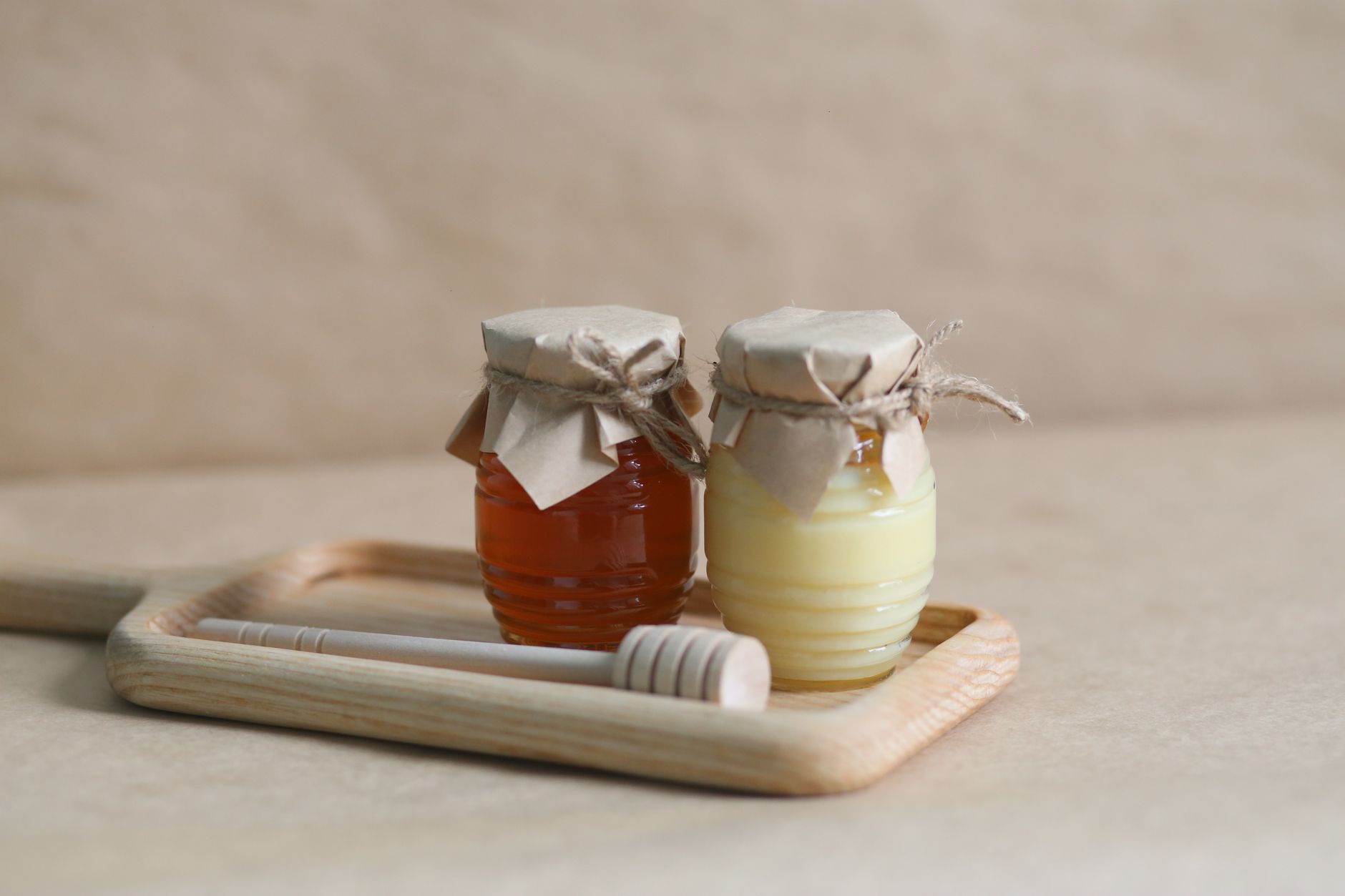
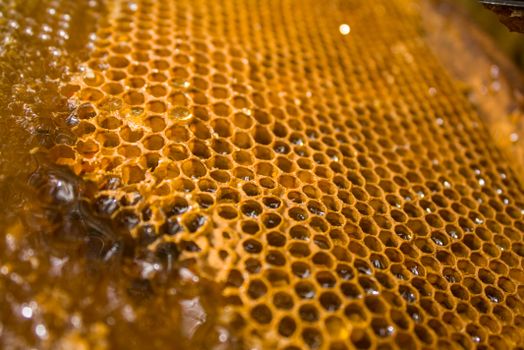 Photo: Saul Cob / Pexels
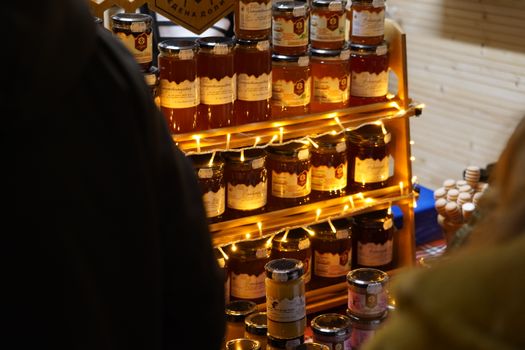 Photo: Vladi Nikolov / Pexels
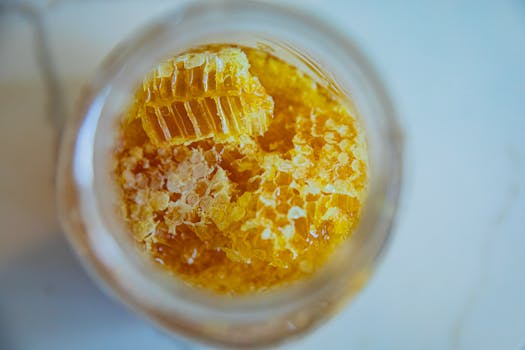 Photo: Ekaterina Belinskaya / Pexels
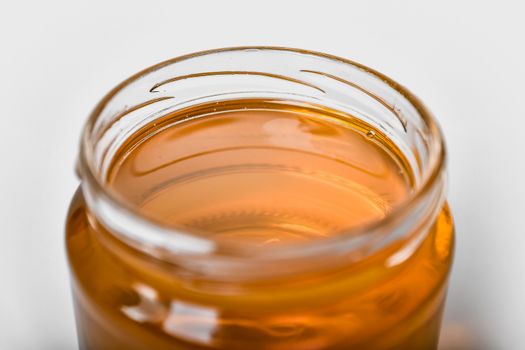 Photo: Adonyi Gábor / Pexels