✓ Umami is the 'fifth taste' alongside sweet, sour, salty, and bitter.
✓ It signifies the presence of L-glutamate, an amino acid, and certain ribonucleotides.
✓ Umami provides a savory, rich, and satisfying sensation, often described as 'brothy' or 'meaty'.
✓ Many common foods, like tomatoes, mushrooms, cheese, and cured meats, are naturally rich in umami.
How It Works
1
Recognizing the Sensation
Unlike other tastes, umami doesn't hit you immediately. It often builds slowly, coating the tongue and lingering, creating a pleasant, savory mouthfeel.
2
Identifying Key Compounds
The primary compound responsible for umami is L-glutamate. It's an amino acid found in proteins, and its free form is what our taste receptors detect.
3
Synergistic Effects
Umami is amplified when L-glutamate is combined with certain ribonucleotides, like inosinate and guanylate. This synergy makes dishes taste even more intensely savory.
4
Sensory Perception
Our taste buds have specific receptors for umami, distinct from those for other tastes. This allows us to perceive and appreciate its unique depth and complexity.
The Scientific Discovery of the Savory Taste Sensation
Photo: Gustavo Fring / Pexels
For centuries, humanity recognized four basic tastes: sweet, sour, salty, and bitter. These were the pillars of our sensory experience when it came to food. However, in the early 20th century, a Japanese chemist named Kikunae Ikeda challenged this conventional wisdom. While enjoying a bowl of dashi, a traditional Japanese broth made from kombu (kelp) and katsuobushi (dried bonito flakes), he noticed a distinct, deeply satisfying flavor that didn't quite fit into the established categories. It wasn't sweet, nor was it sour, salty, or bitter. He described it as 'umami,' a Japanese word that roughly translates to 'essence of deliciousness' or 'savory taste.'
Ikeda's meticulous research led him to isolate glutamic acid, an amino acid, as the primary compound responsible for this unique taste in kombu. He discovered that when glutamic acid was in its free form (not bound within a protein chain), it activated specific taste receptors on the tongue. This groundbreaking discovery, published in 1908, laid the foundation for understanding umami. However, it took nearly a century for the Western scientific community to fully embrace umami as the fifth basic taste, largely due to language barriers and a different approach to taste classification. It wasn't until the early 2000s that taste receptors specifically sensitive to glutamate were definitively identified on the human tongue, providing irrefutable biological evidence for umami's existence as a fundamental taste. This scientific validation cemented its place alongside the other four, forever changing our understanding of flavor. The recognition of umami has profound implications for culinary arts, nutrition, and even our understanding of human physiology. It highlights how complex and nuanced our perception of food truly is, moving beyond simple categories to appreciate a deeper, more satisfying dimension of flavor. Understanding umami allows chefs and home cooks alike to intentionally craft dishes that are more balanced, flavorful, and ultimately, more enjoyable. It's not just about adding a single ingredient, but understanding the interplay of compounds that create this profound sensory experience. This journey of discovery from a single bowl of broth to global scientific acceptance underscores the universal appeal and importance of this savory sensation in our diets and culinary traditions worldwide. Learn more about culinary techniques that enhance flavor.
The Chemistry of Deliciousness: Glutamate and Ribonucleotides
Photo: Tara Winstead / Pexels
At its heart, umami is a chemical phenomenon. The primary molecule responsible for the umami sensation is L-glutamate, an amino acid found naturally in proteins. When proteins are broken down through processes like fermentation, aging, ripening, or cooking, L-glutamate is released into its free form. It's this free L-glutamate that our taste receptors specifically detect, signaling the presence of umami. Think of a ripe tomato, aged Parmesan cheese, or slow-cooked meat – all undergo processes that increase their free glutamate content, thereby intensifying their umami profile.
However, the story of umami doesn't end with glutamate alone. The true magic of umami often lies in its synergy with certain ribonucleotides, particularly inosinate (IMP) and guanylate (GMP). These compounds are found in foods like dried mushrooms (rich in GMP) and cured meats or fish (rich in IMP). When L-glutamate is present alongside IMP or GMP, the umami sensation is dramatically amplified – sometimes by as much as eight times! This synergistic effect is why combinations like Parmesan cheese and tomatoes (glutamate-rich) on a pizza, or mushrooms and beef in a stew (glutamate, GMP, and IMP-rich), taste so incredibly satisfying and deeply flavorful. It's not just an additive effect; it's a multiplicative one, where the whole is far greater than the sum of its parts.
This chemical interplay is a cornerstone of many traditional cuisines. For instance, in Japanese cooking, dashi combines kombu (high in glutamate) with katsuobushi (high in inosinate) to create a foundational broth brimming with umami. Similarly, many Western culinary traditions instinctively combine umami-rich ingredients: tomatoes and cheese in Italian dishes, mushrooms and beef in French cuisine, or cured ham and aged cheese. These combinations aren't accidental; they are the result of generations of culinary experimentation leading to the discovery of these powerful flavor synergies. Understanding this chemistry allows chefs and home cooks to intentionally layer flavors, creating dishes that are not just tasty, but profoundly delicious and deeply satisfying on a sensory level. It's about more than just taste; it's about the feeling of completeness and depth that umami brings to a dish, making it feel more substantial and complex. The subtle yet powerful interaction of these compounds transforms simple ingredients into culinary masterpieces, demonstrating the sophisticated science behind everyday deliciousness.
Everyday Umami: Common Sources and How to Maximize Flavor
Photo: Karyna Panchenko / Pexels
Umami isn't an exotic, rare ingredient; it's prevalent in many everyday foods you likely already enjoy. Recognizing these sources is the first step to consciously incorporating more umami into your cooking and elevating your meals. Some of the most common and potent natural sources of umami include: aged cheeses like Parmesan, Gouda, and Gruyère; ripe tomatoes, especially sun-dried or concentrated forms like tomato paste; mushrooms, particularly dried shiitake, porcini, and cremini; fermented products such as soy sauce, miso, fish sauce, kimchi, and even sauerkraut; cured meats like prosciutto, bacon, and ham; seafood, including sardines, anchovies, tuna, and seaweed (kombu); and even some vegetables like asparagus, corn, and green peas. Broths and stocks, especially those simmered for a long time, are also excellent sources as the cooking process breaks down proteins into free glutamate.
To maximize umami in your dishes, consider these culinary strategies. First, combine ingredients rich in different umami compounds. For example, adding dried mushrooms (GMP) to a beef stew (glutamate and IMP) will create a much deeper, more complex umami profile than either ingredient alone. Second, utilize cooking methods that concentrate or release glutamate. Slow cooking, roasting, grilling, and braising are excellent for developing umami in meats and vegetables. Caramelizing onions, for instance, not only adds sweetness but also enhances their umami. Third, don't shy away from fermented ingredients. A dash of fish sauce in a stir-fry, a spoonful of miso in a soup, or even a sprinkle of nutritional yeast (a great vegan source of glutamate) can dramatically boost the savory depth of a dish. Fourth, consider using umami-rich condiments strategically. Tomato paste, anchovy paste, or even a good quality soy sauce can be powerful tools to add a quick umami punch. Finally, remember that ripeness matters. A perfectly ripe tomato will have significantly more free glutamate than an unripe one, making it taste far more delicious. By understanding these principles and consciously choosing and combining ingredients, you can transform ordinary dishes into extraordinary, deeply satisfying culinary experiences. It's about layering flavors and allowing the natural chemistry of food to work its magic, bringing out the best in every bite. Explore more about ingredient pairings for optimal flavor.
Cooking with Umami: Tips for Enhancing Flavor and Common Mistakes to Avoid
Photo: Kampus Production / Pexels
Mastering umami in the kitchen isn't about following strict recipes; it's about understanding how to layer and enhance flavors. Here are some essential tips to elevate your cooking with umami:
* **Embrace Fermentation:** Fermented foods are umami powerhouses. Incorporate miso paste into dressings or soups, add a splash of fish sauce to savory dishes (it doesn't taste fishy, just savory!), or use soy sauce as a marinade or seasoning. Kimchi, sauerkraut, and aged cheeses also fall into this category.
* **Slow Cooking is Your Friend:** Long, slow cooking methods, like braising, stewing, and simmering, break down proteins and release free glutamates, intensifying umami. Think of a rich beef bourguignon or a slow-cooked tomato sauce.
* **Roast and Caramelize:** High-heat cooking, such as roasting vegetables or searing meats, creates browning (Maillard reaction) which also develops umami compounds and adds depth. Caramelized onions are a prime example.
* **Layer Umami Sources:** Don't rely on just one umami ingredient. Combine them for synergistic effects. For instance, make a mushroom-based sauce with a touch of soy sauce and a sprinkle of Parmesan. The combination will be far more potent than any single ingredient.
* **Utilize Concentrated Forms:** Tomato paste, mushroom powder, and even nutritional yeast are concentrated sources of umami that can be added in small amounts to boost flavor without adding much volume.
* **Don't Forget the Broth:** Homemade or high-quality store-bought broths and stocks are fundamental for building umami in soups, sauces, and risottos.
**Common Mistakes to Avoid:**
* **Over-reliance on MSG:** While MSG (monosodium glutamate) is pure umami, solely relying on it without incorporating natural umami sources can lead to a one-dimensional flavor profile. Use it judiciously to enhance, not replace, natural flavors.
* **Not Cooking Long Enough:** Many umami-rich ingredients need time for their flavors to develop. Rushing cooking processes can result in underdeveloped umami.
* **Ignoring Synergy:** Failing to combine glutamate-rich foods with ribonucleotide-rich foods means missing out on the powerful multiplicative effect that makes umami truly shine.
* **Using Unripe Ingredients:** Unripe vegetables and fruits will have significantly lower umami levels. Always opt for ripe produce when umami is your goal.
* **Adding Too Much Salt Instead of Umami:** Sometimes, a dish tastes 'flat' not because it lacks salt, but because it lacks umami. Before adding more salt, consider if an umami boost is what's truly needed to round out the flavor.
Comparison
Feature
Umami-Rich Ingredient
Sweet Ingredient
Salty Ingredient
Taste Sensation
Savory, Brothy, Meaty, Deep
Pleasant, Sugary
Sharp, Pungent
Sharp, Pungent
Primary Compound
Glutamate, Inosinate, Guanylate
Sugars (Glucose, Fructose)
Sodium Chloride
Sodium Chloride
Food Examples
Parmesan, Mushrooms, Soy Sauce
Fruit, Candy, Honey
Salt, Cured Meats
Salt, Cured Meats
Effect on Dish
Adds depth, richness, satisfaction
Adds pleasantness, balance
Enhances other flavors
Enhances other flavors
What Readers Say
★★★★★
"Understanding what is umami flavor in food has completely transformed my cooking. My pasta sauces are richer, and my soups have so much more depth. It's like I finally found the missing piece of the flavor puzzle!"
Sarah J. · Austin, TX
★★★★★
"I always knew some foods tasted 'extra good,' but couldn't place why. This article explained the science behind umami so clearly. Now I intentionally add things like tomato paste and mushrooms to everything."
David M. · Seattle, WA
★★★★★
"My family used to say my vegetarian dishes lacked something. After learning about umami from this guide, I started incorporating nutritional yeast and fermented foods. Now they're begging for seconds, it's a game-changer!"
Emily R. · Chicago, IL
★★★★★
"The information on umami synergy was particularly insightful. I've always combined certain ingredients instinctively, but now I understand *why* those combinations work so well. Still experimenting with some of the more niche ingredients."
Mark T. · Denver, CO
★★★★★
"As a professional chef, I thought I knew everything about flavor. This deep dive into what is umami flavor in food offered fresh perspectives and practical tips I've already implemented in my restaurant. The depth it adds is incredible."
Jessica L. · New York, NY
Frequently Asked Questions
What is the primary characteristic of umami flavor in food?
The primary characteristic of umami is a savory, rich, and deeply satisfying taste. It's often described as 'brothy,' 'meaty,' or having a pleasant mouth-coating sensation that lingers. Unlike other tastes, it doesn't have a sharp onset but rather builds and spreads across the tongue, contributing to overall deliciousness.
Is MSG the same as umami?
MSG (monosodium glutamate) is a pure form of umami. It is the sodium salt of glutamic acid, the amino acid primarily responsible for the umami taste. While MSG provides the umami sensation, many natural foods also contain free glutamate and other umami compounds, offering a more complex and nuanced umami experience.
How can I easily add more umami to my home cooking?
To easily add more umami, incorporate ingredients like tomato paste, sun-dried tomatoes, Parmesan cheese, mushrooms (especially dried), soy sauce, miso paste, or a dash of fish sauce into your dishes. Slow-cooking meats and vegetables or roasting them to a golden brown also significantly enhances their natural umami.
Is umami an expensive flavor to achieve?
No, umami is not an expensive flavor to achieve. Many common and affordable ingredients are naturally rich in umami, such as ripe tomatoes, onions, mushrooms, eggs, and fermented products like soy sauce or miso. Strategic cooking methods like slow simmering or roasting also enhance umami without additional cost.
How does umami compare to the other four basic tastes?
Umami stands alongside sweet, sour, salty, and bitter as the fifth basic taste. While sweet signals energy, sour indicates acidity, salty is for minerals, and bitter warns of potential toxins, umami signifies the presence of protein, particularly amino acids like glutamate, making it a crucial signal for nutritious foods.
Who benefits most from understanding umami in their diet?
Anyone looking to enhance their culinary skills and enjoy more flavorful meals benefits from understanding umami. It's particularly useful for home cooks aiming to make everyday dishes more exciting, chefs developing complex flavors, and those exploring plant-based diets who want to add depth and satisfaction without meat.
Are there any health risks associated with umami-rich foods or MSG?
Natural umami-rich foods are generally very healthy and form part of a balanced diet. Regarding MSG, extensive scientific research by organizations like the FDA and WHO has concluded that it is safe for consumption for most people at typical levels found in food. The 'Chinese Restaurant Syndrome' has largely been debunked, with no consistent link found to MSG.
What future trends are expected in the use of umami in food?
Future trends in umami are likely to include an increased focus on plant-based umami sources, innovative fermentation techniques to develop new umami-rich ingredients, and the scientific engineering of specific umami flavor profiles for specialized dietary needs or culinary applications. Expect more products explicitly marketed for their umami content.
Now that you understand what is umami flavor in food, start experimenting in your kitchen! Embrace the power of this fifth taste to transform your meals, adding depth and deliciousness that will leave everyone craving more. Elevate your cooking from good to profoundly great with the magic of umami.

 Photo: Gustavo Fring / Pexels
 Photo: Tara Winstead / Pexels
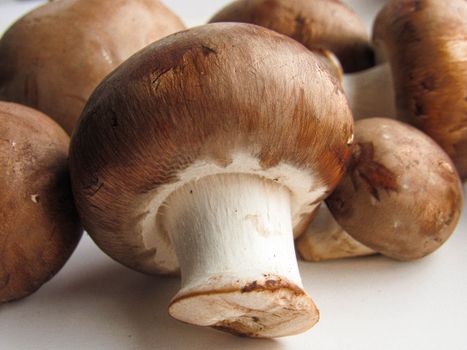 Photo: Karyna Panchenko / Pexels
 Photo: Kampus Production / Pexels