
What is the Difference Between Kombucha and Kefir?
kombucha vs kefir

What is the Difference Between Kombucha and Kefir?

Explore the distinct origins, fermentation processes, and health benefits of these popular probiotic powerhouses.

Discover Your Brew

Key Takeaways

  • ✓ Kombucha is a fermented tea, while kefir is a fermented dairy (or non-dairy) drink.
  • ✓ Kombucha fermentation uses a SCOBY (Symbiotic Culture of Bacteria and Yeast); kefir uses kefir grains.
  • ✓ Kombucha typically contains a broader range of yeasts; kefir is rich in diverse bacteria.
  • ✓ Kefir often provides more protein and calcium, especially dairy versions, than kombucha.

How It Works

1
Understanding Fermentation

Both kombucha and kefir are products of fermentation, a metabolic process where microorganisms convert carbohydrates into alcohol or organic acids. This process not only preserves food but also enhances its nutritional value and creates unique flavors.

2
Kombucha's Tea-Based Magic

Kombucha starts with sweetened tea. A SCOBY is added, consuming the sugar and caffeine, producing a tangy, slightly effervescent beverage rich in probiotics, organic acids, and antioxidants.

3
Kefir's Grain-Driven Transformation

Kefir is made by adding kefir grains to milk (or a sugar-water solution for water kefir). These grains, a symbiotic culture of bacteria and yeasts, ferment the lactose (in milk) or sugar, yielding a tart, yogurt-like drink packed with beneficial microbes.

4
Distinct Microbial Profiles

While both are probiotic, their microbial compositions differ significantly. Kombucha's SCOBY thrives on tea, producing specific strains, whereas kefir grains cultivate a wide array of bacteria and yeasts unique to its substrate.

The Origins and Production of Kombucha vs. Kefir
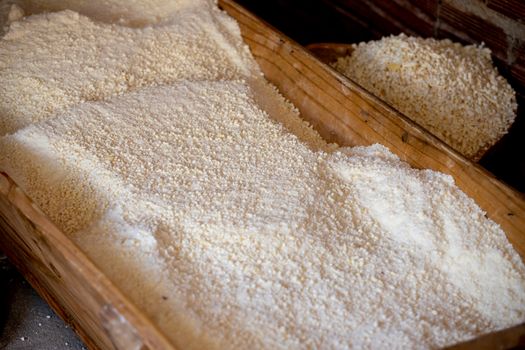
Detailed shot of powdered grain stacked in a rustic wooden box. Photo: marquino rocha / Pexels
When delving into what is the difference between kombucha and kefir, their fundamental origins and production methods present the most striking distinctions. Kombucha, often referred to as the 'elixir of life,' traces its roots back to ancient China, potentially over 2,000 years ago. Legend has it that it was first brewed for Emperor Qin Shi Huang for its purported health benefits. Its journey eastward brought it to Russia and then across Europe, gaining popularity as a health tonic. The core ingredient for kombucha is simple: black or green tea, sugar, and water. The magic, however, happens with the introduction of a SCOBY – a Symbiotic Culture of Bacteria and Yeast. This gelatinous, pancake-like disc floats on the surface of the sweetened tea, initiating the fermentation process. The yeast in the SCOBY consumes the sugar, converting it into alcohol, while the bacteria then consume the alcohol, transforming it into various organic acids, such as acetic acid, gluconic acid, and lactic acid. This intricate dance of microorganisms results in kombucha's signature tangy, slightly vinegary, and effervescent profile. The fermentation typically lasts anywhere from 7 to 30 days, depending on desired flavor and acidity, and temperature. The resulting drink is low in sugar (as most has been consumed), and contains trace amounts of alcohol, typically less than 0.5% ABV, qualifying it as a non-alcoholic beverage in many regions, though some artisanal brews can exceed this. The type of tea used can also influence the final flavor and nutritional profile; green tea kombucha, for instance, might have a lighter, more grassy note, while black tea kombucha often boasts a bolder, richer flavor. Understanding the nuances of brewing can further illuminate its complexity. Kefir, on the other hand, boasts an equally rich but distinct history, originating in the Caucasus Mountains, primarily among nomadic shepherds who discovered its unique fermentation properties in milk. The word 'kefir' itself is believed to come from the Turkish word 'keif,' meaning 'good feeling' or 'pleasure,' referring to the pleasant sensation experienced after consuming it. Unlike kombucha's SCOBY, kefir relies on 'kefir grains.' These aren't actual cereal grains, but rather gelatinous, cauliflower-like collectives of bacteria and yeasts, held together by a polysaccharide matrix called kefiran. These grains are added to milk – traditionally cow, goat, or sheep milk – and left to ferment at room temperature for 12 to 24 hours. During this period, the microorganisms in the grains consume the lactose (milk sugar), producing lactic acid, acetic acid, and carbon dioxide, as well as a small amount of ethanol. This process transforms the milk into a thick, tangy, and slightly carbonated beverage with a consistency similar to drinkable yogurt. The fermentation process for kefir is generally much faster than kombucha, making it a quick and easy probiotic to produce at home. While dairy kefir is the most common, water kefir is also popular, using sugar water, fruit juice, or coconut water as its base, offering a dairy-free alternative with a different set of microbial strains. The choice between dairy and water kefir often depends on dietary restrictions and personal preference, but both provide a rich source of beneficial microbes. The robust nature of kefir grains allows them to be reused indefinitely, growing and multiplying with each batch.

Nutritional Profiles and Health Benefits: A Deep Dive

Chic indoor dining setup with a glass of kombucha and gourmet appetizer on a wooden table. Photo: Victor Freitas / Pexels
Beyond their origins, a critical aspect of what is the difference between kombucha and kefir lies in their distinct nutritional profiles and the specific health benefits they offer. While both are celebrated for their probiotic content, the types and quantities of beneficial microorganisms, as well as other nutrients, vary significantly. Kombucha, being a fermented tea, naturally inherits many of the health-promoting compounds found in tea itself. This includes powerful antioxidants like polyphenols, which help combat oxidative stress in the body. During fermentation, the SCOBY further enhances these properties by producing organic acids such as acetic acid (the main component of vinegar), gluconic acid, and lactic acid. Acetic acid is particularly noted for its potential antimicrobial properties, helping to inhibit the growth of harmful bacteria. Kombucha also contains B vitamins (B1, B6, B12), which are crucial for energy metabolism, and vitamin C, an important immune booster. The probiotic strains found in kombucha, primarily from the genera *Acetobacter* and *Lactobacillus*, are thought to support gut health, aid digestion, and potentially boost the immune system. Some studies suggest kombucha may also contribute to detoxification processes, though more research is needed in this area. It typically has a lower calorie count compared to many dairy kefirs, especially if unsweetened, making it a popular choice for those mindful of sugar intake. However, it’s important to note that commercial kombuchas can vary widely in sugar content, so checking labels is crucial. Kefir, particularly dairy kefir, presents a more robust nutritional profile, especially regarding macronutrients. It is an excellent source of protein, providing essential amino acids crucial for muscle repair, growth, and overall bodily functions. A typical serving of dairy kefir can offer around 8-11 grams of protein. Furthermore, it is rich in calcium, a vital mineral for bone health, and vitamin D, which aids in calcium absorption and immune function. Dairy kefir also contains significant amounts of B vitamins, including B12, riboflavin (B2), and folate, which are important for energy production and cellular health. The unique blend of bacteria and yeasts in kefir grains, which can include up to 61 different strains, is far more diverse than what is typically found in kombucha. These include various *Lactobacillus* species, *Bifidobacterium* species, and yeasts such as *Saccharomyces cerevisiae* and *Kluyveromyces marxianus*. This broad spectrum of microbes is thought to contribute to a wider range of gut health benefits, including improved digestion, reduced inflammation, and enhanced nutrient absorption. Some research even suggests kefir may have anti-allergenic and anti-inflammatory properties, potentially benefiting individuals with certain sensitivities. For those who are lactose intolerant, the fermentation process in dairy kefir significantly reduces lactose content, often making it digestible even for individuals with mild to moderate lactose intolerance. Water kefir, while lacking the dairy-specific nutrients, still offers a diverse range of probiotics and can be a great option for those seeking a dairy-free, less calorically dense probiotic beverage. Exploring other fermented foods can provide additional insights into gut health.

Flavor Profiles, Culinary Uses, and Accessibility
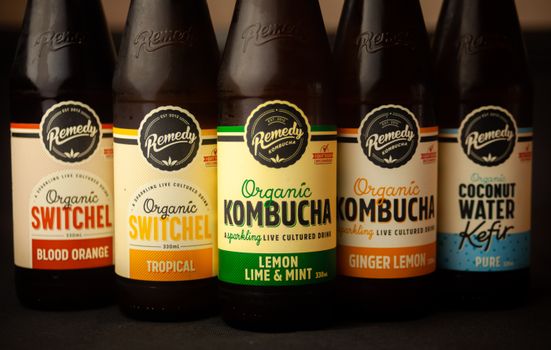
Close-up of five bottles featuring organic kombucha, switchel, and kefir with various flavors. Photo: Macourt Media / Pexels
The sensory experience is another key differentiator when considering what is the difference between kombucha and kefir. Their distinct fermentation processes result in vastly different flavor profiles and textures, which in turn dictate their ideal culinary applications and overall accessibility to consumers. Kombucha is renowned for its characteristic tangy, slightly sweet, and often fizzy taste. The flavor can range from mildly vinegary to intensely tart, depending on the length of fermentation and the type of tea used. Many commercial kombuchas are flavored with fruits, herbs, and spices after the initial fermentation, leading to a vast array of options like ginger, berry, lemon, or even hop-infused varieties. This secondary flavoring makes kombucha incredibly versatile as a refreshing beverage, a healthier alternative to soda, or even a mixer in cocktails. Its effervescence and bright acidity make it a popular choice for pairing with meals, cleansing the palate, or simply enjoying as a standalone drink. The texture is typically light and liquid, similar to sparkling juice or soda, though some batches might contain visible strands of yeast or pieces of the SCOBY, which are harmless and edible. Due to its tea base, kombucha can sometimes have a subtle earthy or tannic undertone, especially in unflavored versions. Its widespread availability in health food stores, supermarkets, and even cafes makes it highly accessible across the US, with a growing market for both mainstream and artisanal brands. Kefir, particularly dairy kefir, offers a thicker, creamier texture akin to drinkable yogurt or buttermilk, but with a more pronounced tartness and a characteristic yeasty tang. Its flavor is often described as sour, tangy, and slightly effervescent due to the carbon dioxide produced during fermentation. The intensity of the sourness depends on the fermentation time; longer fermentation yields a more acidic product. While dairy kefir is most common, its flavor can vary based on the type of milk used (whole, skim, goat, sheep) and the specific kefir grains. Water kefir, on the other hand, is lighter in body and flavor, often described as a subtly sweet, tangy, and fizzy drink, making it a good non-dairy alternative. Kefir's culinary uses are extensive. Dairy kefir can be enjoyed plain, blended into smoothies, used as a base for salad dressings, or as a substitute for buttermilk in baking, adding moisture and a slight tang. Its thickness also makes it suitable for creating dips or even frozen treats. Water kefir can be flavored with fruits, ginger, or herbs, much like kombucha, and makes an excellent base for homemade sodas or mocktails. The rich and diverse microbial content of kefir means it often has a more pronounced 'fermented' taste than many kombuchas, which some palates might need to adjust to. Accessibility for dairy kefir is very high in most US grocery stores, often found alongside yogurts. Water kefir is less common commercially but can be easily made at home, making the grains themselves a readily available resource for DIY enthusiasts. Both beverages represent a delicious gateway into the world of fermented foods, offering unique sensory experiences that cater to different preferences and dietary needs.

Choosing Your Brew: Tips and Common Misconceptions

Close-up of five bottles featuring organic kombucha, switchel, and kefir with various flavors. Photo: Macourt Media / Pexels
Navigating the world of fermented beverages can be exciting, but understanding the nuances of what is the difference between kombucha and kefir is crucial for making informed choices. Here are some tips and common misconceptions to help you decide which brew is best for you, or how to incorporate both into your diet: **Tips for Choosing:** * **Consider your dietary needs:** If you're lactose intolerant or prefer dairy-free options, water kefir or kombucha are excellent choices. If you're looking for higher protein and calcium, dairy kefir is superior. * **Taste preference:** Do you prefer a light, tangy, fizzy drink (kombucha) or a thicker, sour, yogurt-like beverage (kefir)? Experiment with different brands and flavors. * **Specific health goals:** If diverse gut microbiota is your primary focus, kefir (especially dairy) often offers a broader range of strains. If antioxidant benefits from tea and a lighter, less caloric option are key, kombucha might be your go-to. * **Sugar content:** Always check labels. While fermentation reduces sugar, some commercial products add significant amounts post-fermentation. Unsweetened or lightly sweetened versions are generally healthier. * **Homemade vs. Store-bought:** Both can be made at home, offering cost savings and control over ingredients. However, store-bought options provide convenience and consistency. **Common Misconceptions:** * **Misconception 1: They are interchangeable.** While both are probiotic, their microbial compositions, nutrient profiles, and health benefits are distinct. Using them interchangeably without understanding their differences might lead to missing out on specific benefits. * **Misconception 2: All fermented drinks are the same.** The fermentation process, starter cultures, and base ingredients drastically alter the final product. Sauerkraut, kimchi, and yogurt, while fermented, offer different benefits than kombucha or kefir. * **Misconception 3: More probiotics are always better.** While a diverse gut microbiome is beneficial, simply consuming more probiotics doesn't automatically equate to better health. The right *types* and consistent intake are more important. Always start with small amounts to assess tolerance. * **Misconception 4: They are a cure-all.** While beneficial, kombucha and kefir are not magic bullets. They should be part of a balanced diet and healthy lifestyle, not a replacement for medical treatment. * **Misconception 5: All commercial products are equally beneficial.** Quality varies. Look for products with transparent ingredient lists, minimal added sugars, and reputable brands that prioritize live, active cultures. Some pasteurized versions may have fewer live probiotics.

Comparison

FeatureKombuchaDairy KefirWater Kefir
Base IngredientSweetened TeaMilk (Cow, Goat, Sheep)Sugar Water / Fruit Juice
Starter CultureSCOBY (Bacteria & Yeast)Kefir Grains (Bacteria & Yeast)Kefir Grains (Bacteria & Yeast)
Typical FlavorTangy, Sweet, Vinegary, FizzySour, Tart, Yeasty, CreamyMildly Sweet, Tangy, Fizzy
TextureLiquid, LightThick, Yogurt-likeLiquid, Light
Protein ContentLowHighNegligible
Calcium ContentNegligibleHighNegligible
AntioxidantsHigh (from tea)ModerateLow (from fruit/sugar)
Lactose-Free Option✗ (Lactose reduced)

What Readers Say

"This article perfectly explained the core differences! I always thought they were just different names for similar things, but now I understand why kombucha gives me energy and kefir helps my digestion so much more. Very insightful!"

Sarah J. · Austin, TX

"As someone who brews both at home, this breakdown is spot on. The distinction in microbial diversity and nutrient profiles, especially regarding protein in kefir, is something I often explain to friends. Great resource!"

Mark D. · Seattle, WA

"I was confused about which one to try for my gut health. After reading this, I've decided to incorporate dairy kefir for its protein and wider probiotic range, and use kombucha as a refreshing afternoon drink. My digestion has improved significantly!"

Emily R. · Miami, FL

"The article is very comprehensive. I appreciate the detailed history and production methods. While it confirmed my preference for kombucha's lighter taste, it also made me consider trying water kefir for a dairy-free option."

David K. · Denver, CO

"Finally, a clear explanation! I've been drinking kombucha for years, but now I see the value in adding kefir for its distinct nutritional benefits, especially the calcium. It's great to know how to maximize the benefits of both."

Jessica L. · Chicago, IL

Frequently Asked Questions

Is kombucha or kefir better for gut health?

Both kombucha and kefir are excellent for gut health, but they offer different microbial profiles. Kefir, especially dairy kefir, typically contains a wider and more diverse range of bacteria and yeasts, which some experts believe offers broader gut benefits. Kombucha provides unique organic acids and antioxidants from its tea base, also contributing to a healthy gut environment.

Can I drink kombucha and kefir every day?

Yes, many people safely consume both kombucha and kefir daily. It's best to start with small amounts to assess your body's reaction, especially if you're new to fermented foods. Listen to your body and adjust intake as needed. Consistent, moderate consumption is often more beneficial than sporadic, large amounts.

How do I make kombucha or kefir at home?

To make kombucha, you'll need a SCOBY, sweetened tea, and a fermentation vessel. For kefir, you'll need kefir grains and milk (for dairy kefir) or sugar water (for water kefir). Both processes involve combining the ingredients and starter culture, allowing them to ferment at room temperature for a period, then straining and enjoying. Numerous online guides and kits are available for beginners.

Is one more expensive than the other?

Commercially, prices can be comparable, though artisanal or organic versions of either can be pricier. Making them at home is significantly more cost-effective. Once you have a SCOBY or kefir grains, they can be reused indefinitely, making the ongoing cost very low, primarily just for tea, sugar, or milk.

How do kombucha and kefir compare to yogurt?

While yogurt is also a fermented dairy product, kefir generally contains a much wider range of beneficial bacteria and yeasts, often boasting 30-60 different strains compared to yogurt's typical 5-10. Kefir's fermentation process results in a thinner, more tart, and often carbonated drink, whereas yogurt is usually thicker and tangier. Kombucha, being tea-based, is entirely different from both in terms of base and microbial composition.

Who should avoid kombucha or kefir?

Individuals with compromised immune systems, pregnant or breastfeeding women, and young children should consult a doctor before consuming homemade fermented beverages due to potential risks from uncontrolled fermentation. Those sensitive to caffeine should be mindful of kombucha, and individuals with severe dairy allergies should avoid dairy kefir. Always check ingredients for potential allergens.

Are there any side effects of drinking kombucha or kefir?

Some individuals may experience mild side effects, especially when first introducing fermented drinks, such as bloating, gas, or digestive upset. These usually subside as the body adjusts. Rarely, allergic reactions can occur. It's always best to start with small servings and increase gradually. High sugar content in some commercial products can also be a concern for those monitoring blood sugar.

What are the emerging trends in kombucha and kefir?

The market is seeing a rise in functional kombuchas infused with adaptogens or CBD, and low-sugar or 'dry' kombucha options. For kefir, there's a growing interest in diverse non-dairy milks (oat, almond, soy) for kefir production, as well as savory kefir blends for cooking. Home brewing kits and specialized starter cultures continue to gain popularity, making these ancient elixirs more accessible than ever.

Understanding what is the difference between kombucha and kefir empowers you to make informed choices for your health and palate. Whether you prefer the tangy fizz of kombucha or the creamy tartness of kefir, both offer unique benefits to support your well-being. Explore, experiment, and enjoy these incredible fermented foods on your journey to a healthier gut.

Topics: kombucha vs kefirfermented drinks comparisonprobiotic beverageskombucha benefitskefir benefits
Leo List

IE Escorts NO Escorts US Escorts NZ Escorts AU Escorts
Brampton weed
Adultwork EstrelaBet Vai de Bet R7 Bet Betão Galera Bet Rainbet Bet9ja Shop SportyBet BetKing Sisal Loto Foot Hollywoodbets YesPlay Odibets RushBet Jugabet BetWarrior BetCity MSport betPawa Fortebet