What is a Balanced Diet Plan? Your Ultimate Guide
August 27, 2026 11 min read 2,192 words
Achieve vibrant health and sustained well-being by understanding and implementing a perfectly balanced diet plan.
Start Your Journey
Understanding the Fundamentals of a Balanced Diet
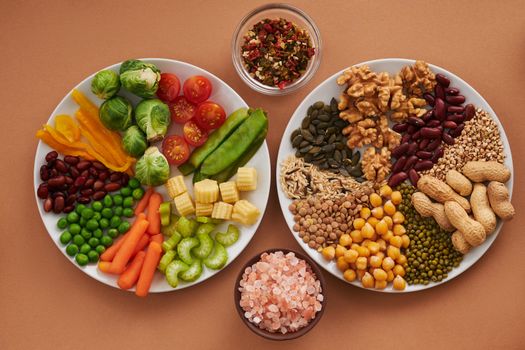 Photo: Vanessa Loring / Pexels
Embarking on a journey to understand what is a balanced diet plan is the first crucial step towards a healthier, more vibrant life. Far from being a restrictive or fleeting trend, a balanced diet is a sustainable eating pattern that supplies your body with all the essential nutrients it needs to function optimally, grow, and repair itself. It's about achieving equilibrium – not just in terms of calories, but across all the vital components our bodies demand. Think of your body as a complex machine; without the right types and amounts of fuel, it simply cannot perform at its best. This means incorporating a diverse array of foods from all major food groups, ensuring you receive a comprehensive spectrum of macronutrients (carbohydrates, proteins, fats) and micronutrients (vitamins, minerals), alongside adequate hydration and fiber.
At its core, a balanced diet isn't about deprivation; it's about abundance and intelligent choices. It acknowledges that different foods offer different benefits, and by combining them thoughtfully, we can unlock synergistic effects that enhance our overall well-being. For instance, pairing iron-rich plant foods with Vitamin C sources significantly improves iron absorption. Similarly, the fiber in whole grains and vegetables aids digestion and promotes satiety, helping to manage weight and prevent chronic diseases. The USDA's MyPlate guidelines, for example, visually represent this balance, suggesting that half your plate should consist of fruits and vegetables, a quarter whole grains, and a quarter lean protein, with a side of dairy. While these are general guidelines, they provide an excellent starting point for visualizing a balanced meal. The emphasis here is on variety, moderation, and nutrient density. Choosing nutrient-dense foods means opting for items that provide a high amount of vitamins, minerals, and other beneficial compounds relative to their caloric content. This often means whole, unprocessed foods over their refined counterparts. Understanding this fundamental concept is paramount before diving into the specifics of each food group. It sets the stage for making informed decisions that contribute to long-term health rather than short-term fixes. A truly balanced diet is a dynamic process, one that evolves with your age, activity level, and health goals, making it a lifelong commitment to self-care and vitality. It's the bedrock upon which sustained energy, mental clarity, and disease prevention are built. For more insights on healthy eating, check out our guide on
sustainable eating habits.
The Essential Components: Macronutrients and Micronutrients
 Photo: https://kaboompics.com/ / Pexels
To truly grasp what is a balanced diet plan, we must delve into its essential building blocks: macronutrients and micronutrients. These categories represent the fundamental nutritional components your body requires, each playing distinct yet interconnected roles in maintaining health and vitality. Understanding their functions and optimal ratios is key to constructing a diet that supports all bodily processes.
**Macronutrients** are the nutrients your body needs in larger quantities to provide energy and support major bodily functions. They include:
* **Carbohydrates:** Often misunderstood, carbohydrates are your body's primary energy source. They come in two main forms: simple (sugars) and complex (starches and fiber). A balanced diet emphasizes complex carbohydrates found in whole grains (oats, brown rice, quinoa), legumes, fruits, and vegetables. These provide sustained energy release, fiber for digestive health, and a host of vitamins and minerals. Aim for 45-65% of your daily calories from quality carbohydrates.
* **Proteins:** Essential for building and repairing tissues, making enzymes and hormones, and supporting immune function. Protein sources include lean meats, poultry, fish, eggs, dairy products, legumes, nuts, seeds, and tofu. A balanced intake ensures your body has the amino acids it needs for muscle maintenance, recovery, and overall cellular health. Generally, 10-35% of daily calories should come from protein.
* **Fats:** Crucial for hormone production, nutrient absorption (especially fat-soluble vitamins A, D, E, K), insulation, and protecting organs. Not all fats are created equal; a balanced diet prioritizes healthy unsaturated fats (monounsaturated and polyunsaturated) found in avocados, olive oil, nuts, seeds, and fatty fish. Limit saturated and trans fats. Fats should comprise 20-35% of your daily caloric intake.
**Micronutrients** are vitamins and minerals that your body needs in smaller amounts, but they are no less vital. They facilitate countless biochemical reactions, support immune function, bone health, vision, and nerve function, among many others.
* **Vitamins:** Organic compounds categorized as fat-soluble (A, D, E, K) or water-soluble (C and B vitamins). Each vitamin has specific roles, from supporting vision (Vitamin A) and bone health (Vitamin D) to acting as antioxidants (Vitamin C, E) and aiding energy metabolism (B vitamins). A diverse intake of fruits, vegetables, and fortified foods ensures adequate vitamin supply.
* **Minerals:** Inorganic elements like calcium, iron, potassium, magnesium, zinc, and selenium. They are essential for bone structure, fluid balance, nerve transmission, muscle contraction, and oxygen transport. A wide array of plant-based and animal-based foods, especially colorful produce, nuts, seeds, and dairy, are rich in various minerals.
Achieving a balance of these macronutrients and micronutrients is not about rigid counting, but rather about making informed food choices that ensure dietary diversity. It's this synergy between all these components that allows your body to thrive, preventing deficiencies and promoting long-term health and energy.
Crafting Your Balanced Plate: Practical Application and Hydration
 Photo: Anna Guerrero / Pexels
Moving from theoretical knowledge to practical application is where the true power of what is a balanced diet plan lies. It’s not enough to simply know about food groups; you must learn how to integrate them into your daily meals. The concept of 'building a balanced plate' is an intuitive and highly effective way to ensure you're getting the right mix of nutrients at each meal. Visualizing your plate can dramatically simplify meal planning and preparation, making healthy eating less daunting and more achievable.
**Visualizing Your Balanced Plate:**
* **Half Your Plate: Fruits and Vegetables.** This is perhaps the most critical component. Aim for a colorful assortment of non-starchy vegetables (like leafy greens, broccoli, bell peppers) and fruits (berries, apples, oranges). They are packed with vitamins, minerals, fiber, and antioxidants, with relatively few calories. The variety ensures a broad spectrum of micronutrients. Make sure to include both raw and cooked options throughout the day.
* **A Quarter of Your Plate: Lean Protein.** Choose sources like chicken breast, turkey, fish, beans, lentils, tofu, eggs, or lean cuts of beef. Protein is vital for satiety, muscle repair, and overall body function. Distributing protein intake throughout the day can also help with blood sugar control and energy levels.
* **A Quarter of Your Plate: Whole Grains or Starchy Vegetables.** Opt for complex carbohydrates such as brown rice, quinoa, whole-wheat pasta, oats, sweet potatoes, or corn. These provide sustained energy, fiber, and essential B vitamins. Limit highly refined grains like white bread and white rice, which offer less nutritional value.
* **Healthy Fats:** While not a 'quarter of your plate,' healthy fats should be included in moderation. This could be a drizzle of olive oil on your salad, a handful of nuts as a snack, or avocado slices with your meal. These fats are crucial for hormone production, nutrient absorption, and heart health.
* **Dairy or Dairy Alternatives:** Include a serving of low-fat milk, yogurt, or fortified plant-based alternatives to provide calcium and Vitamin D, essential for bone health. If you are lactose intolerant or vegan, ensure your alternatives are fortified and consider other calcium sources like leafy greens and fortified juices. For more on tailoring your diet, refer to our article on
personalized nutrition strategies.
**The Non-Negotiable Role of Hydration:**
Often overlooked, adequate hydration is a cornerstone of what is a balanced diet plan. Water is essential for virtually every bodily function: regulating body temperature, transporting nutrients, lubricating joints, and flushing out waste products. Dehydration can lead to fatigue, headaches, reduced cognitive function, and impaired physical performance. Aim to drink at least 8 glasses (about 2 liters) of water daily, and more if you are physically active or in a hot climate. Don't wait until you're thirsty; thirst is already a sign of mild dehydration. Keep a water bottle handy and make water your primary beverage choice, limiting sugary drinks, excessive caffeine, and alcohol, which can contribute to dehydration and add empty calories.
By consciously building your plate with these proportions in mind and prioritizing consistent hydration, you’ll be well on your way to establishing a truly balanced and health-promoting eating pattern. Remember, flexibility is key; some days might not be perfect, but the overall pattern over time is what truly matters.
Avoiding Common Pitfalls and Sustaining Your Balanced Diet
 Photo: IARA MELO / Pexels
Adopting what is a balanced diet plan is a journey, not a destination, and like any journey, it comes with potential pitfalls. Being aware of these common mistakes can help you navigate them more effectively and sustain your healthy eating habits for the long term. Moreover, developing strategies for long-term adherence is crucial, as consistency outweighs occasional perfection.
**Common Pitfalls to Avoid:**
* **Fad Diets and Extreme Restrictions:** One of the biggest traps is falling for quick-fix fad diets that promise rapid results through severe food restrictions. These diets are almost always unsustainable, lead to nutrient deficiencies, and often result in a 'yo-yo' effect, where weight is regained once the diet ends. A balanced diet is about inclusion, not exclusion.
* **Ignoring Portion Control:** Even healthy foods can contribute to weight gain if consumed in excessive portions. Understanding appropriate serving sizes for different food groups is critical. It’s not just about 'what' you eat, but 'how much' you eat.
* **Underestimating Hidden Sugars and Unhealthy Fats:** Many processed foods, even those marketed as 'healthy,' contain surprising amounts of added sugars, unhealthy trans fats, and excessive sodium. Always read food labels carefully to make informed choices.
* **Skipping Meals:** Skipping meals, especially breakfast, can disrupt metabolism, lead to overeating later in the day, and cause energy crashes. Regular, balanced meals and snacks help maintain stable blood sugar levels and energy.
* **Lack of Diversity:** Eating the same few 'healthy' foods repeatedly can lead to boredom and potential nutrient gaps. Embrace variety within each food group to ensure a wide range of vitamins, minerals, and phytochemicals.
* **Insufficient Fiber Intake:** Many people don't consume enough fiber, which is vital for digestive health, blood sugar control, and satiety. Focus on whole grains, fruits, vegetables, legumes, nuts, and seeds.
* **Poor Hydration:** As discussed, neglecting water intake can severely impact your health and energy levels, sometimes being mistaken for hunger.
**Strategies for Sustaining a Balanced Diet:**
* **Meal Planning and Preparation:** Dedicate time each week to plan your meals and prep some components in advance. This reduces the likelihood of resorting to unhealthy convenience foods when time is short.
* **Mindful Eating:** Pay attention to your body's hunger and fullness cues. Eat slowly, savor your food, and minimize distractions during meals. This helps prevent overeating and enhances satisfaction.
* **Small, Sustainable Changes:** Instead of overhauling your entire diet overnight, make gradual, manageable changes. Swap refined grains for whole grains, add an extra serving of vegetables, or switch to water instead of soda. These small wins build momentum.
* **Listen to Your Body:** Your nutritional needs can change based on activity level, stress, age, and health conditions. Learn to tune into your body's signals and adjust your diet accordingly.
* **Don't Strive for Perfection:** Occasional treats or less-than-perfect meals are part of life. The goal is overall balance and consistency, not flawless adherence every single day. One 'unhealthy' meal doesn't derail an entire week of good eating.
* **Seek Professional Guidance:** If you have specific dietary needs, health conditions, or are struggling to create a balanced plan, consult a registered dietitian or nutritionist. They can provide personalized advice and support.
* **Focus on Whole, Unprocessed Foods:** Prioritize foods in their most natural state – fresh fruits, vegetables, whole grains, lean proteins, and healthy fats. These are inherently more nutrient-dense and supportive of health.
By proactively addressing these common pitfalls and implementing sustainable strategies, you can transform what might seem like a daunting concept into an enjoyable and lasting lifestyle that profoundly benefits your health and well-being.