✓ Superfoods are nutrient-dense foods, packed with vitamins, minerals, antioxidants, and phytochemicals.
✓ They are not a magic bullet but contribute significantly to overall health when part of a balanced diet.
✓ Common superfoods include berries, leafy greens, nuts, seeds, and certain fish.
✓ Regular consumption can support immune function, reduce inflammation, and enhance energy levels.
How It Works
1
Identify Your Health Goals
Determine what aspects of your health you want to improve, such as energy, digestion, or immunity. This helps tailor your superfood choices.
2
Learn About Key Superfoods
Familiarize yourself with different superfoods and their specific nutritional profiles. Understand which ones align with your personal health objectives.
3
Integrate Gradually into Diet
Begin by adding small portions of superfoods to your existing meals. Smoothies, salads, and snacks are great starting points for easy incorporation.
4
Maintain Consistency & Variety
For sustained benefits, make superfoods a regular part of your diet. Rotate different types to ensure a broad spectrum of nutrients and avoid monotony.
Understanding Superfoods: More Than Just a Buzzword
Photo: Mike / Pexels
The term 'superfood' has permeated health conversations, often appearing in marketing campaigns and wellness blogs. But beyond the hype, what exactly defines a superfood, and more importantly, what are superfoods benefits that genuinely impact our well-being? At its core, a superfood is a food, mostly plant-based but occasionally including fish or dairy, that is considered nutritionally dense and thus good for one's health. These foods are typically packed with vitamins, minerals, antioxidants, and phytochemicals—compounds found in plants that offer protective or disease-preventing properties. Unlike processed foods that offer 'empty calories,' superfoods deliver a significant nutritional punch for their caloric content. They are not a singular category but rather a collection of diverse ingredients, each bringing its unique profile of health-promoting compounds. For example, vibrant berries like blueberries and raspberries are renowned for their high antioxidant content, specifically anthocyanins, which combat oxidative stress in the body. Leafy green vegetables such as spinach and kale are veritable powerhouses of vitamins K, A, and C, along with essential minerals like iron and calcium. Oily fish like salmon and mackerel provide crucial omega-3 fatty acids, vital for brain health and reducing inflammation.
The concept of superfoods isn't new; indigenous cultures have recognized the potent medicinal and nutritional properties of certain foods for centuries. What has changed is our scientific understanding, which now allows us to identify and quantify the specific compounds responsible for these benefits. It's important to clarify that superfoods are not a magic cure-all or a replacement for a balanced diet. No single food can provide all the nutrients your body needs. Instead, they are valuable components of an overall healthy eating pattern. When integrated thoughtfully, they can significantly enhance your nutrient intake, support various bodily functions, and bolster your defenses against chronic diseases. The key lies in understanding their specific contributions and how they fit into a holistic dietary approach. Their concentrated nutrient profiles mean that even small additions can make a substantial difference over time. For instance, adding a handful of chia seeds to your morning oatmeal provides fiber, omega-3s, and protein, contributing to satiety and digestive health. Similarly, incorporating bell peppers into your stir-fry boosts your vitamin C intake significantly. The beauty of superfoods lies in their versatility and their ability to elevate the nutritional value of everyday meals without requiring drastic dietary overhauls. They empower individuals to take a proactive approach to their health, providing tools to nourish the body at a cellular level. As we delve deeper into the world of nutrition, the role of these nutrient-dense powerhouses becomes increasingly clear, paving the way for a more vibrant and resilient you.
The Core Benefits: Why Superfoods Matter for Your Health
Delving into what are superfoods benefits reveals a comprehensive array of advantages that span across various physiological systems, contributing to overall vitality and disease prevention. One of the most celebrated aspects of superfoods is their high antioxidant content. Antioxidants are crucial compounds that neutralize free radicals in the body. Free radicals are unstable molecules that can cause oxidative stress, leading to cellular damage, inflammation, and contributing to chronic diseases like heart disease, cancer, and neurodegenerative disorders. Superfoods like blueberries, acai berries, dark chocolate (in moderation), and green tea are brimming with these protective compounds, helping to safeguard your cells and slow down the aging process. This protective mechanism is a cornerstone of their health-promoting properties.
Beyond antioxidants, superfoods are powerful immune boosters. Many are rich in vitamins and minerals that are essential for a robust immune system. Citrus fruits, bell peppers, and leafy greens, for example, are excellent sources of Vitamin C, a well-known immune enhancer. Zinc, found in pumpkin seeds and cashews, also plays a critical role in immune function. Regular consumption of these foods can help your body fend off infections, reduce the duration and severity of colds, and generally keep you healthier, especially during seasonal changes. A strong immune system is your body's first line of defense, and superfoods provide the necessary ammunition.
Furthermore, superfoods are often excellent sources of fiber, which is vital for digestive health. Foods like chia seeds, flaxseeds, oats, and legumes contribute both soluble and insoluble fiber. Soluble fiber helps regulate blood sugar levels and lowers cholesterol, while insoluble fiber adds bulk to stool, promoting regular bowel movements and preventing constipation. A healthy gut microbiome, supported by a fiber-rich diet, is increasingly linked to improved mood, reduced inflammation, and enhanced nutrient absorption. The gut is often referred to as the 'second brain,' and nurturing it with superfoods is paramount for holistic health.
Many superfoods also contribute to heart health. Omega-3 fatty acids, abundant in salmon, walnuts, and flaxseeds, are known to reduce inflammation, lower triglyceride levels, and decrease blood pressure. Potassium-rich foods like avocados and sweet potatoes help regulate blood pressure, while plant sterols found in nuts and seeds can help reduce LDL ('bad') cholesterol. By addressing these factors, superfoods play a significant role in reducing the risk of cardiovascular diseases, which remain a leading cause of mortality worldwide. Their multifaceted approach to health improvement makes them indispensable in a preventative diet. Integrating these foods into daily meals is not just about eating 'healthy'; it's about actively building a resilient and thriving body.
Integrating Superfoods: Practical Ways to Boost Your Diet
Photo: Ella Olsson / Pexels
Knowing what are superfoods benefits is one thing; effectively incorporating them into your daily diet is another. The good news is that integrating these nutritional powerhouses doesn't have to be complicated or require a complete overhaul of your eating habits. Small, consistent changes can yield significant results. One of the easiest and most popular methods is through smoothies. Blending a handful of spinach or kale into your morning smoothie is a fantastic way to get a concentrated dose of vitamins and minerals without significantly altering the taste, especially when paired with fruits like berries (another superfood!) and bananas. Adding chia seeds or flaxseeds provides a boost of omega-3s and fiber, while a scoop of spirulina or chlorella powder can introduce a spectrum of B vitamins and trace minerals. Smoothies are incredibly versatile and allow for endless combinations to suit your taste and nutritional needs.
Another simple approach is to 'supercharge' your salads. Instead of just lettuce and a few vegetables, consider adding a variety of superfood components. Think about incorporating colorful bell peppers for Vitamin C, avocado for healthy fats and potassium, walnuts or almonds for protein and omega-3s, and a sprinkle of goji berries for antioxidants. Quinoa, a complete protein, can also be a fantastic base for a hearty and nutrient-dense salad. These additions not only elevate the nutritional profile but also add texture, flavor, and satiety, making your meals more satisfying and beneficial.
For those who enjoy cooking, superfoods can be seamlessly woven into a wide range of dishes. Add turmeric, a powerful anti-inflammatory spice, to curries, soups, or even scrambled eggs. Nutritional yeast, rich in B vitamins, can add a cheesy flavor to popcorn, pasta, or roasted vegetables. Incorporate garlic and ginger, known for their immune-boosting properties, into stir-fries, marinades, and dressings. Dark leafy greens like kale and collard greens can be sautéed as a side dish, added to pasta sauces, or even baked into crispy chips. Even snacks can become superfood opportunities. Instead of processed chips, opt for a handful of mixed nuts and seeds, a piece of fruit with almond butter, or some Greek yogurt topped with berries and granola.
The key to successful integration is variety and consistency. Don't feel pressured to consume every superfood every day. Instead, focus on incorporating a diverse range over the course of a week or month to ensure you're getting a broad spectrum of nutrients. Experiment with different recipes and preparation methods to keep things interesting and prevent palate fatigue. Remember, the goal is to make healthy eating enjoyable and sustainable, allowing you to reap the full benefits of a nutrient-rich diet without feeling deprived or overwhelmed. By making conscious, small choices, you can transform your diet and significantly enhance your health and well-being.
Avoiding Common Superfood Mistakes & Maximizing Absorption
Photo: cottonbro studio / Pexels
While the allure of what are superfoods benefits is strong, it's easy to fall into common pitfalls that can diminish their effectiveness or lead to unrealistic expectations. Understanding these mistakes and learning how to maximize nutrient absorption is crucial for truly harnessing their power.
One of the biggest mistakes is viewing superfoods as a 'magic bullet.' No single food, no matter how nutrient-dense, can compensate for an otherwise unhealthy diet. If your plate is primarily filled with processed foods, excessive sugars, and unhealthy fats, adding a daily superfood smoothie won't miraculously undo the damage. Superfoods are most effective when they are part of a balanced, whole-food-based diet. They are enhancements, not replacements, for fundamental healthy eating principles.
Another error is focusing on just one or two superfoods. While blueberries are fantastic, relying solely on them means you're missing out on the diverse range of nutrients offered by other superfoods like kale, chia seeds, or turmeric. Variety is paramount. Different superfoods offer different nutrient profiles, and consuming a wide array ensures you get a broader spectrum of vitamins, minerals, antioxidants, and phytochemicals. Think of it as building a robust nutritional team, not just relying on one star player.
Over-processing superfoods is also a common mistake. For example, some 'superfood' juices or powders might contain added sugars, artificial flavors, or have lost some of their nutritional value during processing. Always read labels carefully and opt for whole, unprocessed forms whenever possible. For instance, eating whole blueberries is generally better than a blueberry-flavored candy or a juice concentrate with added sugars.
Furthermore, not considering bioavailability can limit the benefits. Some nutrients are better absorbed when consumed with others. For example, fat-soluble vitamins (A, D, E, K) found in leafy greens and avocados are best absorbed when eaten with a source of healthy fats. Pairing kale with olive oil in a salad, or adding avocado to a smoothie with spinach, can significantly enhance the absorption of these vital nutrients. Similarly, iron absorption from plant-based superfoods like lentils and spinach is boosted when consumed with Vitamin C-rich foods like bell peppers or citrus fruits.
Finally, portion control is still important. Even healthy foods can contribute to excess calorie intake if consumed in large quantities. Nuts, seeds, and avocados, while incredibly nutritious, are calorie-dense. Enjoy them in moderation.
To maximize the absorption and benefits of superfoods:
* **Combine with healthy fats:** Pair fat-soluble vitamins with avocados, nuts, seeds, or olive oil.
* **Boost with Vitamin C:** Enhance iron absorption by combining iron-rich superfoods with citrus or bell peppers.
* **Cook smartly:** Some nutrients are enhanced by cooking (e.g., lycopene in tomatoes), while others are best raw (e.g., Vitamin C). Understand the best preparation methods.
* **Stay hydrated:** Water is essential for nutrient transport and overall cellular function.
* **Prioritize whole foods:** Choose the least processed forms of superfoods to retain maximum nutritional integrity.
By avoiding these common pitfalls and adopting smart consumption strategies, you can truly unlock the full potential of superfoods and ensure your body is receiving the maximum benefit from these incredible ingredients.
Comparison
Feature
Berries (e.g., Blueberries)
Leafy Greens (e.g., Kale)
Chia Seeds
Salmon
Primary Benefit
Antioxidant Powerhouse
Vitamin & Mineral Rich
Fiber & Omega-3s
Omega-3s & Protein
Key Nutrients
Anthocyanins, Vit C, K
Vit K, A, C, Iron, Calcium
Fiber, ALA Omega-3, Protein
EPA/DHA Omega-3, Vit D, B12
Dietary Integration
Smoothies, Oatmeal, Snacks
Salads, Soups, Sautéed
Pudding, Smoothies, Baking
Baked, Grilled, Salads
Inflammation Reduction
✓
✓
✓
✓
Digestive Health
✓
✓
✓
✗
What Readers Say
★★★★★
"Understanding what are superfoods benefits has truly transformed my approach to eating. I've been adding spinach to my smoothies and chia seeds to my yogurt, and my energy levels are noticeably higher."
Sarah J. · Austin, TX
★★★★★
"This article clarified so much about what are superfoods benefits. I used to think they were just a fad, but now I see how they fit into a balanced diet for genuine health improvements. My digestion has never been better since I started incorporating more fiber-rich options."
Mark D. · Seattle, WA
★★★★★
"After reading about what are superfoods benefits, I started adding more berries and leafy greens to my meals. I've felt less sluggish and even my skin seems to have a healthier glow. It's amazing how simple dietary changes can make such a difference."
Emily R. · Miami, FL
★★★★★
"The information on what are superfoods benefits was very thorough. While I'm still adjusting to some of the new tastes, I appreciate the practical tips for integration. I've found some superfoods like turmeric and ginger to be excellent for reducing inflammation after workouts."
David L. · Denver, CO
★★★★★
"As a busy professional, I needed simple ways to boost my nutrition. This guide to what are superfoods benefits provided exactly that. My immune system feels stronger, and I haven't caught a cold in months, which is a huge win for me."
Jessica M. · Chicago, IL
Frequently Asked Questions
What is the primary difference between a 'superfood' and a regular healthy food?
While all superfoods are healthy, not all healthy foods are considered superfoods. The distinction lies in their exceptional nutrient density; superfoods contain unusually high concentrations of vitamins, minerals, antioxidants, and phytochemicals compared to other foods, offering superior health benefits per serving.
Are superfoods expensive, and can I still get benefits on a budget?
Some superfoods can be pricy, but many affordable options exist. Berries can be bought frozen, oats, beans, lentils, and common leafy greens like spinach are budget-friendly. Focusing on seasonal produce and bulk buying can also help you reap what are superfoods benefits without breaking the bank.
How quickly can I expect to see results from adding superfoods to my diet?
The timeframe for seeing results varies depending on individual health, existing diet, and the specific superfoods consumed. While some benefits like improved digestion or energy might be noticed within weeks, long-term benefits like disease prevention and enhanced immunity accumulate over months and years of consistent consumption.
Do I need to eat organic superfoods to get the maximum benefits?
While organic superfoods often have fewer pesticide residues, conventional superfoods still offer significant nutritional value. The most important factor is to consume a variety of whole, unprocessed superfoods regularly. If budget is a concern, prioritize organic for the 'Dirty Dozen' list and focus on overall intake.
Can superfoods replace medication for certain health conditions?
No, superfoods should not replace prescribed medication or professional medical advice for treating health conditions. They can play a supportive role in overall health and well-being, potentially reducing risk factors for certain diseases, but always consult with a healthcare professional regarding medical treatments.
Who should incorporate superfoods into their diet?
Virtually anyone looking to enhance their nutritional intake, boost their immune system, improve digestion, increase energy, and support long-term health can benefit from incorporating superfoods. They are particularly valuable for individuals with nutrient deficiencies or those aiming for a preventative health strategy.
Are there any side effects or risks associated with consuming superfoods?
When consumed as part of a balanced diet, most superfoods have minimal risks. However, excessive consumption of certain superfoods (e.g., highly concentrated powders) can sometimes lead to digestive upset. Individuals with specific allergies, medical conditions, or those on certain medications should consult a doctor before making significant dietary changes.
What are the emerging trends in superfoods for the coming years?
Future trends in superfoods are expected to focus on sustainable and plant-based options, adaptogens like ashwagandha and reishi mushrooms for stress relief, and nutrient-dense sea vegetables. Personalized nutrition, utilizing genetic data to recommend specific superfoods, is also an anticipated development in maximizing what are superfoods benefits.
Ready to transform your health and unlock your full potential? Start integrating these incredible nutrient-dense powerhouses into your daily routine today and experience firsthand what are superfoods benefits for a more vibrant, energetic, and resilient you.

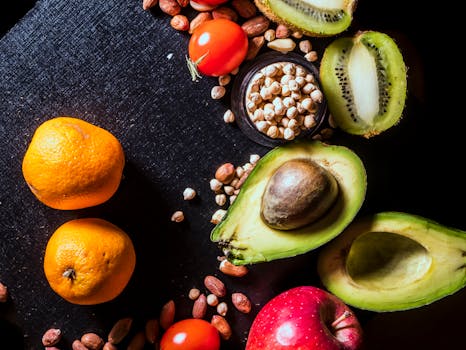 Photo: Mike / Pexels
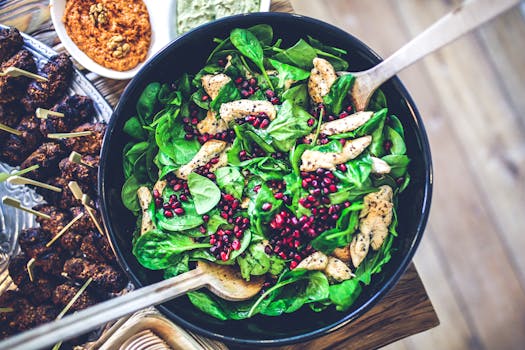 Photo: Karolina Grabowska www.kaboompics.com / Pexels
 Photo: Ella Olsson / Pexels
 Photo: cottonbro studio / Pexels