Effortless & Delicious: 15+ Vegetarian Slow Cooker Recipes
July 22, 2026 15 min read 3,008 words
Unlock a world of flavor and convenience with these amazing plant-based slow cooker meals.
Start Cooking Now!
The Magic of Slow Cooking: Why It's Perfect for Plant-Based Meals
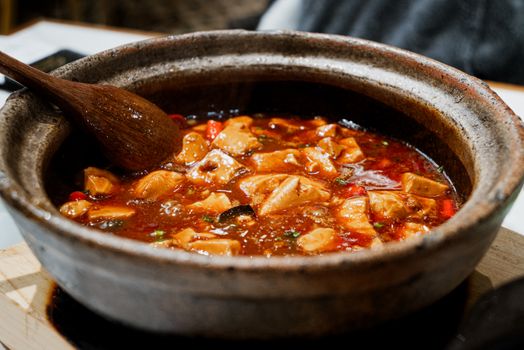 Photo: Nishino Minase / Pexels
The slow cooker, often affectionately called a Crock-Pot, has become an indispensable kitchen appliance for countless households, and for good reason. Its ability to gently simmer food over several hours transforms even the toughest ingredients into tender, flavor-packed dishes. But for vegetarians and those looking to incorporate more plant-based meals into their diet, the slow cooker truly shines. Unlike meat, which can sometimes dry out or become tough with prolonged cooking, many vegetarian ingredients thrive in the slow cooker's moist, low-heat environment. Legumes like beans and lentils become incredibly creamy and absorb flavors beautifully. Hearty vegetables like root vegetables, squashes, and even cruciferous vegetables soften to perfection, releasing their natural sweetness and developing a depth of flavor that's hard to achieve with quicker cooking methods.
One of the primary benefits is the 'set it and forget it' convenience. Imagine waking up, spending 15-20 minutes prepping a few ingredients, tossing them into your slow cooker, and returning home hours later to a perfectly cooked, aromatic meal. This hands-off approach is a game-changer for busy individuals, families, and anyone who wants to enjoy home-cooked meals without the evening rush. It also allows for incredible flavor development. The extended cooking time gives spices, herbs, and aromatics ample opportunity to meld together, creating a more complex and satisfying taste profile. Consider a vegetarian chili, for instance; the slow cooker allows the tomatoes, beans, peppers, and chili powder to stew together, deepening every single note. Or a lentil soup, where the lentils absorb all the savory goodness from vegetable broth and aromatics, turning into a comforting, hearty meal. This gentle cooking also helps to retain nutrients, especially in water-soluble vitamins, as the food isn't exposed to high heat or excessive boiling. Furthermore, slow cooking is often more energy-efficient than using a conventional oven for the same amount of time, making it a smart choice for both your wallet and the environment. It also encourages batch cooking, which is ideal for meal prepping throughout the week. You can prepare a large batch of a vegetarian curry or stew on a Sunday and have healthy, delicious lunches or dinners ready for days. This not only saves time but also reduces the temptation for less healthy takeout options. The slow cooker simplifies healthy eating, making it accessible and enjoyable for everyone. For more tips on maximizing your meal prep, explore our guide on
effective meal prepping strategies.
Essential Ingredients for Your Vegetarian Slow Cooker Pantry
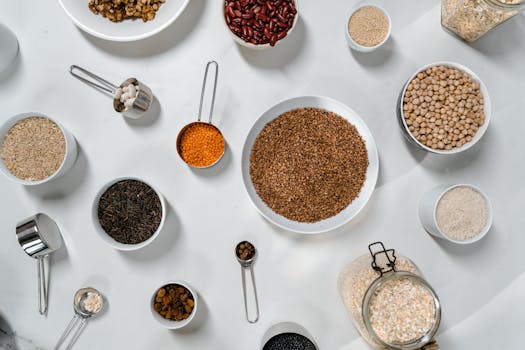 Photo: MART PRODUCTION / Pexels
Building a well-stocked pantry is key to effortless slow cooking, especially when focusing on vegetarian meals. The beauty of plant-based slow cooker recipes is their reliance on wholesome, shelf-stable, and fresh ingredients that are readily available. Let's break down the essentials you'll want to keep on hand.
**Legumes are your superstars:** Canned beans (black, kidney, cannellini, chickpeas) are incredibly convenient – just rinse and add. Dried beans and lentils, while requiring a bit more planning (some need soaking, though many lentil varieties do not), are even more cost-effective and absorb flavors beautifully during the slow cooking process. Red, green, and brown lentils are fantastic for soups and stews, while dried chickpeas can be transformed into delicious curries.
**Hearty vegetables form the backbone:** Root vegetables like carrots, potatoes (sweet and regular), parsnips, and turnips hold up exceptionally well to long cooking times. Onions, garlic, and celery are aromatic foundations for almost any savory dish. Bell peppers, zucchini, and various squashes (butternut, acorn, pumpkin) also contribute flavor and texture. Don't forget canned diced tomatoes, crushed tomatoes, and tomato paste – these are crucial for adding body, acidity, and umami to many slow cooker meals. Frozen vegetables, such as corn, peas, spinach, and mixed vegetables, are perfect for adding towards the end of the cooking cycle for a burst of freshness and color.
**Grains and starches for substance:** While some recipes incorporate grains directly into the slow cooker (like oats for overnight oatmeal or certain whole grains for pilafs), it's often best to cook grains like rice, quinoa, or couscous separately and serve your slow cooker creation over them. This prevents them from becoming mushy. Pasta, too, is generally better cooked separately and added at the end, or served alongside.
**Flavor boosters are non-negotiable:** A robust collection of dried herbs and spices is vital. Think cumin, coriander, chili powder, smoked paprika, oregano, thyme, and bay leaves. Vegetable broth or stock is the liquid foundation for most slow cooker dishes, so always have some on hand (low-sodium is a great choice). Nutritional yeast can add a cheesy, umami depth without dairy. Soy sauce or tamari, apple cider vinegar, and a touch of maple syrup or agave can balance flavors perfectly. Don't forget fresh herbs like cilantro and parsley to stir in at the very end for a bright finish, and a good quality olive oil for sautéing aromatics before adding them to the pot, if desired.
By keeping these staples in your pantry, you'll be ready to whip up a wide array of delicious and nutritious vegetarian slow cooker meals with minimal effort, transforming everyday ingredients into extraordinary dishes.
Beyond the Basics: Creative Vegetarian Slow Cooker Recipe Ideas
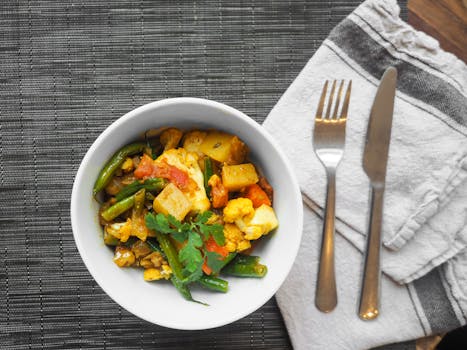 Photo: Jer Chung / Pexels
While classic vegetarian slow cooker chilis and soups are always welcome, the versatility of this appliance extends far beyond. Let's dive into some creative and exciting vegetarian slow cooker recipe ideas that will expand your culinary repertoire and delight your taste buds. Imagine waking up to the aroma of a hearty breakfast or coming home to a vibrant, global-inspired dinner – all made possible with minimal effort.
**Hearty Main Dishes:**
* **Slow Cooker Moroccan Tagine:** Combine chickpeas, diced sweet potatoes, carrots, dried apricots, and a rich blend of Moroccan spices (cumin, coriander, turmeric, ginger, cinnamon). Add vegetable broth and diced tomatoes. Cook on low for 6-8 hours until vegetables are tender and flavors are melded. Serve with couscous and fresh cilantro. The slow cooking process allows the spices to infuse every ingredient, creating an incredibly aromatic and flavorful stew.
* **Creamy Tomato and Spinach Pasta Sauce:** This isn't just a sauce; it's a complete meal base. Combine canned crushed tomatoes, vegetable broth, Italian seasoning, garlic, onion, and a touch of nutritional yeast for creaminess. Cook on low for 4-6 hours. Stir in fresh spinach and a splash of milk (dairy or non-dairy) during the last 30 minutes. Serve over freshly cooked pasta. For an extra protein boost, consider adding cannellini beans or cooked lentils at the end.
* **Butternut Squash and Chickpea Curry:** A comforting and flavorful dish perfect for colder months. Cubed butternut squash, chickpeas, coconut milk, curry paste, ginger, garlic, and a hint of lime juice come together beautifully in the slow cooker. Cook on low for 5-7 hours. Serve with rice or naan bread. The squash becomes incredibly tender and sweet, complementing the rich, spicy curry.
* **Vegetarian Sloppy Joes:** A family-friendly favorite! Use a base of lentils or finely chopped mushrooms and walnuts as your 'meat' substitute. Combine with a savory sauce made from tomato paste, ketchup, mustard, brown sugar, and spices. Cook on low for 3-4 hours. Serve on toasted buns with pickles. This is a fantastic way to introduce plant-based meals to skeptics.
**Breakfast & Brunch Innovations:**
* **Overnight Steel-Cut Oats:** Forget standing over the stove! Combine steel-cut oats, water or plant-based milk, cinnamon, and dried fruit (like apples or cranberries) in your slow cooker before bed. Cook on low for 6-8 hours. Wake up to a warm, ready-to-eat breakfast. Top with nuts, seeds, or a drizzle of maple syrup. This is a game-changer for busy mornings and ensures a nutritious start to your day. You can find more
healthy breakfast ideas here.
* **Breakfast Casserole with Tofu Scramble:** Layer diced potatoes, bell peppers, onions, and a seasoned tofu scramble (made with nutritional yeast and turmeric for color). Pour over a plant-based milk and cornstarch mixture to bind. Cook on low for 3-4 hours, or high for 1.5-2 hours. Perfect for feeding a crowd or for meal prep.
**Sides & Appetizers:**
* **Slow Cooker Spiced Apple Sauce:** Core and slice apples, add a splash of water, cinnamon, nutmeg, and a touch of brown sugar. Cook on low for 3-4 hours until the apples are soft. Mash to your desired consistency. A delicious, healthy side or dessert.
* **Caramelized Onions:** Slice a large quantity of onions, toss with a little olive oil, salt, and a pinch of sugar. Cook on low for 8-10 hours, stirring occasionally. The result is incredibly sweet, deeply flavored caramelized onions perfect for sandwiches, pizzas, or as a side dish.
These ideas demonstrate the incredible range of dishes you can create with your slow cooker, proving that vegetarian meals can be both convenient and incredibly exciting. Don't be afraid to experiment with different spice blends, vegetables, and legumes to discover your own slow cooker favorites.
Mastering Your Slow Cooker: Tips for Vegetarian Success and Common Mistakes to Avoid
Achieving consistent success with vegetarian slow cooker recipes involves understanding a few key principles and avoiding common pitfalls. While the slow cooker is forgiving, a little knowledge goes a long way in transforming good dishes into truly great ones.
**Tips for Vegetarian Slow Cooker Success:**
* **Layering Matters:** Place denser, harder-to-cook vegetables like potatoes, carrots, and squash at the bottom of the slow cooker, closer to the heat source. Softer vegetables, leafy greens, and quick-cooking items like fresh herbs or delicate spices should be added towards the end of the cooking time to prevent them from becoming mushy or losing their vibrancy.
* **Mind Your Liquid:** Vegetarian ingredients, especially vegetables, release a lot of moisture during cooking. It's often necessary to reduce the amount of liquid compared to stovetop recipes. Too much liquid will result in a watery, bland dish. Start with less liquid than you think you need, and you can always add more if the dish seems too dry.
* **Bloom Your Spices:** For maximum flavor, consider dry-toasting whole spices or briefly sautéing ground spices in a little oil on the stovetop before adding them to the slow cooker. This 'blooming' process releases their essential oils and intensifies their aroma and taste, making a huge difference in the final dish.
* **Don't Overcrowd:** Resist the urge to pack your slow cooker to the brim. Filling it more than two-thirds full can lead to uneven cooking and longer cooking times. Leave enough space for heat and steam to circulate effectively.
* **Taste and Adjust at the End:** Salt, pepper, and fresh herbs often lose their potency during long cooking times. Always taste your dish before serving and adjust seasonings. A squeeze of fresh lemon or lime juice, a dash of vinegar, or a sprinkle of fresh herbs can brighten and lift the flavors significantly.
* **Consider Browning Aromatics:** While not strictly necessary for all recipes, briefly browning onions and garlic on the stovetop before adding them to the slow cooker can add a deeper, more complex flavor profile to your vegetarian stews and curries. This extra step is often worth the minimal effort.
**Common Mistakes to Avoid:**
* **Adding Dairy Too Early:** Dairy products like milk, cream, or yogurt can curdle or separate if added at the beginning of a long slow cooking cycle. If your recipe calls for dairy, stir it in during the last 30-60 minutes of cooking, or even just before serving.
* **Overcooking Soft Vegetables:** Delicate vegetables like zucchini, bell peppers, or spinach can turn to mush if cooked for the entire duration of a long cycle. Add them later in the cooking process, typically in the last hour or two, to retain their texture and color.
* **Lifting the Lid Too Often:** Every time you lift the lid of your slow cooker, you release heat and extend the cooking time by approximately 20-30 minutes. Resist the temptation to peek! Let the slow cooker do its job uninterrupted.
* **Not Soaking Dried Beans (When Necessary):** While some beans and most lentils don't require pre-soaking, many larger dried beans (like kidney or cannellini) benefit from it. Soaking reduces cooking time and can help with digestibility. Check your recipe or bean packaging for guidance.
* **Ignoring the Cook Time:** While slow cookers are flexible, following the recommended cooking times (low vs. high settings) is crucial for food safety and optimal texture. Don't leave food on 'warm' for extended periods as it's not a cooking setting.
By keeping these tips and warnings in mind, you'll be well on your way to creating consistently delicious and perfectly cooked vegetarian meals in your slow cooker, making meal prep a breeze and adding more healthy, plant-based options to your table.
