Top Vegetarian Protein Sources for Athletes: Fuel Your Performance
vegetarian protein for athletes

Top Vegetarian Protein Sources for Athletes: Fuel Your Performance

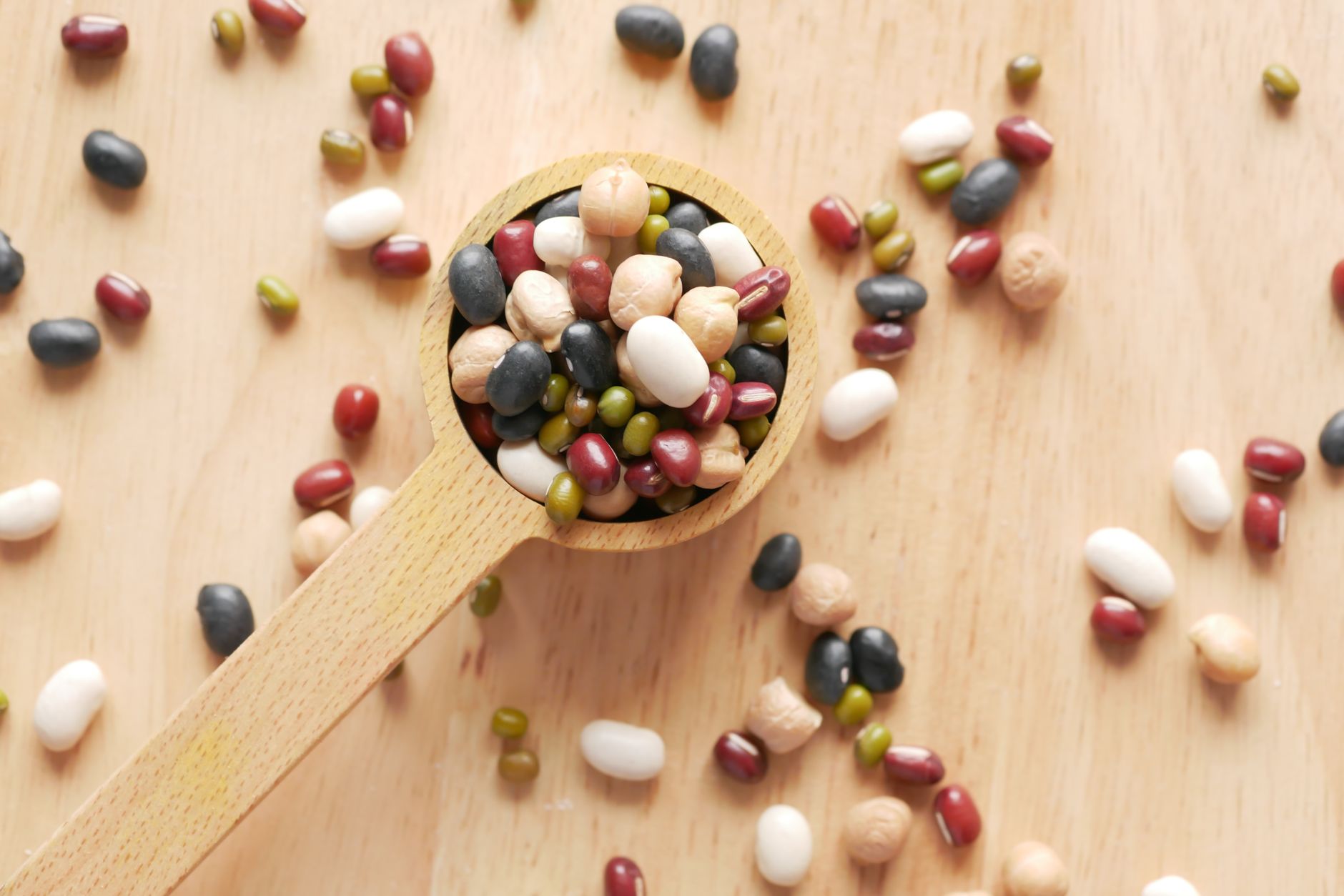
Close-up of assorted beans and legumes on a wooden spoon, showcasing diversity in food ingredients.Photo: Towfiqu barbhuiya / Pexels

Top Vegetarian Protein Sources for Athletes: Fuel Your Performance

Unlock peak athletic potential and accelerate recovery with nutrient-dense, plant-based protein strategies.

Boost Your Plant Power

Key Takeaways

  • ✓ Plant proteins can provide all essential amino acids when consumed strategically.
  • ✓ Many vegetarian protein sources offer additional benefits like fiber and antioxidants.
  • ✓ Athletes can easily meet protein needs without animal products through careful planning.
  • ✓ Proper hydration and nutrient timing are crucial for vegetarian athletes.

How It Works

1
Understand Your Protein Needs

Determine your individual protein requirements based on your sport, training intensity, and body weight. Athletes generally need more protein than sedentary individuals.

2
Diversify Your Plant Protein Intake

Incorporate a wide variety of plant-based protein sources throughout your day. This ensures you get a complete amino acid profile for optimal muscle repair and growth.

3
Optimize Nutrient Timing

Strategically consume protein before and after workouts to maximize muscle protein synthesis and recovery. Combine proteins with complex carbohydrates for sustained energy.

4
Supplement Smartly (If Needed)

Consider plant-based protein powders or specific supplements like B12 or iron if your dietary intake is insufficient. Consult a sports dietitian for personalized advice.

Why Vegetarian Protein is Crucial for Athletic Performance

Young woman enjoying a healthy salad after exercising indoors. Promotes a balanced diet and fitness lifestyle.Photo: Mikhail Nilov / Pexels
For athletes, protein isn't just a macronutrient; it's the fundamental building block for muscle repair, growth, and overall recovery. While historically, meat and dairy have been the go-to sources, a growing body of evidence and an increasing number of elite athletes are proving that plant-based diets can not only meet but exceed the nutritional demands of high-performance training. The misconception that vegetarian diets inherently lack complete protein or sufficient quantity for athletes is slowly being dismantled. In reality, a well-planned vegetarian or vegan diet can provide all the essential amino acids required for optimal athletic function, often with added benefits like increased fiber, vitamins, minerals, and antioxidants, which are vital for reducing inflammation and supporting overall health. These additional nutrients can contribute to better gut health, enhanced immune function, and improved recovery times, all critical factors for an athlete's longevity and performance. Furthermore, many plant proteins come packaged with complex carbohydrates, offering a dual benefit of sustained energy alongside muscle-building protein. This synergy is particularly valuable for endurance athletes who require consistent fuel. Understanding the 'why' behind embracing vegetarian protein sources is the first step towards unlocking a new level of athletic potential. It's about shifting the paradigm from 'where will I get my protein?' to 'how can I best utilize the vast array of plant-based options to fuel my body?' This section will delve into the science-backed advantages, debunk common myths, and set the stage for how athletes can thrive on a plant-powered regimen. It's not about restriction; it's about expansion and discovering a richer, more diverse nutritional landscape that can directly translate into gains on the field, track, or gym. The focus moves beyond mere protein quantity to the quality and holistic benefits that plant foods bring to the table, making them an indispensable part of a modern athlete's diet. For more insights into optimal athletic nutrition, explore our guide on sports nutrition essentials.

Top Whole Food Vegetarian Protein Sources for Muscle Growth and Recovery
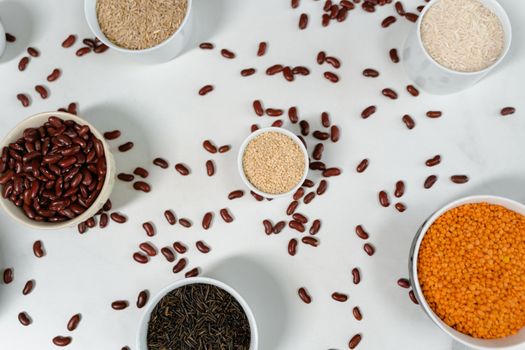
Top view of various grains and pulses in bowls on a white surface.Photo: MART PRODUCTION / Pexels
Building and repairing muscle requires a consistent supply of amino acids, and the good news is that the plant kingdom is brimming with excellent options. Let's explore some of the most potent whole food vegetarian protein sources that every athlete should consider incorporating into their diet. First on the list are legumes: lentils, chickpeas, black beans, and kidney beans. A single cup of cooked lentils, for instance, can provide around 18 grams of protein, along with significant amounts of fiber, iron, and folate. These are incredibly versatile and can be added to salads, stews, soups, or made into hummus. Tofu, tempeh, and edamame, all derived from soybeans, are complete proteins, meaning they contain all nine essential amino acids. Tofu is a blank canvas, absorbing flavors beautifully, while tempeh offers a firmer texture and nutty flavor, often higher in protein and fiber due to its fermented nature. Edamame makes a fantastic snack or addition to stir-fries. Quinoa, often mistaken for a grain, is actually a seed and stands out as a complete protein with about 8 grams per cooked cup. It's also rich in magnesium, iron, and fiber, making it an excellent carbohydrate and protein source for pre- or post-workout meals. Nuts and seeds, including almonds, walnuts, chia seeds, flax seeds, and hemp seeds, are powerhouses of protein, healthy fats, and micronutrients. Hemp seeds, in particular, offer about 10 grams of protein per three tablespoons and a beneficial omega-3 to omega-6 fatty acid ratio. Sprinkle them on oatmeal, salads, or blend into smoothies. Whole grains like oats, brown rice, and whole wheat pasta also contribute valuable protein, especially when consumed in larger portions common for athletes. While not complete proteins on their own, pairing them with legumes or other plant proteins throughout the day ensures a full amino acid profile. Lastly, don't underestimate the protein content of certain vegetables. While not as high per serving as legumes or soy, spinach, broccoli, and peas contribute to your overall protein intake and offer a wealth of vitamins and minerals crucial for athletic function. Integrating a diverse range of these whole food options throughout your daily meals is the most effective way for vegetarian athletes to meet their protein requirements and support their training goals. The key is variety and consistency.

Optimizing Protein Intake: Timing, Combinations, and Supplements for Athletes

Shirtless muscular man eating a nutritious meal, symbolizing strength and health.Photo: Alexa Popovich / Pexels
Simply consuming vegetarian protein isn't enough; for athletes, optimization is key. This involves strategic timing, intelligent food combinations, and, when necessary, smart supplementation. Let's break down how to maximize the benefits of your plant-based protein. Nutrient timing plays a critical role in an athlete's recovery and performance. Consuming protein before and after workouts is particularly important. Pre-workout protein can help reduce muscle damage and provide a steady supply of amino acids during exercise, while post-workout protein is crucial for initiating muscle protein synthesis (MPS) and repairing damaged muscle tissue. Aim for 20-30 grams of protein within 30-60 minutes post-exercise. Pairing protein with carbohydrates in this window is also beneficial, as carbohydrates replenish glycogen stores and insulin spikes can help shuttle amino acids into muscle cells. While the concept of 'complete protein' from every meal has been largely debunked – your body maintains an amino acid pool and can combine amino acids from different foods eaten throughout the day – intelligent food combinations can still enhance nutrient absorption and ensure a robust amino acid profile. For instance, combining grains (like brown rice) with legumes (like black beans) creates a meal that provides a complete protein profile. Similarly, nuts and seeds can complement vegetables. The goal isn't to meticulously combine every meal but to ensure a diverse intake over 24 hours. For some athletes, particularly those with very high protein demands, strict dietary preferences, or limited time for meal prep, plant-based protein supplements can be a convenient and effective way to meet protein goals. Pea protein, rice protein, hemp protein, and soy protein are popular options. Pea and rice protein are often combined to create a complete amino acid profile. When choosing a supplement, look for third-party tested products to ensure purity and potency. Beyond protein, vegetarian athletes might need to pay closer attention to certain micronutrients often found abundantly in animal products, such as iron, B12, zinc, and omega-3 fatty acids. While many plant foods contain these, absorption rates can vary. For example, vitamin C enhances iron absorption from plant sources. Consulting with a sports dietitian specializing in plant-based diets can provide personalized guidance on optimizing your entire nutritional strategy, including potential targeted supplementation. Dive deeper into essential micronutrients for athletes in our article on athlete micronutrient needs.

Common Mistakes and Practical Tips for Vegetarian Athletes

Young woman enjoying a healthy salad indoors, focusing on balanced nutrition and healthy living.Photo: Mikhail Nilov / Pexels
Transitioning or maintaining a vegetarian diet as an athlete comes with its unique set of challenges and opportunities. Avoiding common pitfalls and implementing practical strategies can make all the difference in sustaining performance and health. **Common Mistakes to Avoid:** * **Underestimating Protein Needs:** Many vegetarian athletes simply don't consume enough protein, leading to slower recovery, reduced muscle gains, and increased fatigue. Athletes generally require 1.2 to 2.0 grams of protein per kilogram of body weight, depending on training intensity and goals. * **Lack of Variety:** Relying on only one or two plant protein sources can lead to nutrient deficiencies and an incomplete amino acid profile over time. Diversify your intake across legumes, soy products, nuts, seeds, and whole grains. * **Ignoring Micronutrients:** While protein is paramount, vegetarian athletes must also pay close attention to iron, B12, zinc, calcium, iodine, and omega-3 fatty acids, which can be less bioavailable or absent in some plant foods. * **Insufficient Caloric Intake:** Plant-based foods are often lower in calorie density. Athletes need adequate calories to fuel training and recovery. Not eating enough can lead to energy deficits and impaired performance. * **Poor Meal Planning:** Spontaneous eating on a vegetarian diet can easily lead to inadequate protein and calorie intake. Proper meal planning and preparation are crucial. **Practical Tips for Success:** * **Calculate Your Protein Goal:** Use an online calculator or consult a dietitian to determine your specific daily protein target. * **Prioritize Protein at Every Meal:** Aim for at least 20-30 grams of protein per main meal and 10-15 grams per snack. * **Snack Smart:** Keep protein-rich snacks like nuts, seeds, edamame, Greek yogurt (if lacto-vegetarian), or plant-based protein bars readily available. * **Cook in Batches:** Prepare large quantities of staples like lentils, beans, quinoa, or tofu at the beginning of the week for easy meal assembly. * **Fortified Foods & Supplements:** Include fortified plant milks and cereals. Consider a B12 supplement as it's primarily found in animal products. Discuss iron and omega-3 supplementation with a healthcare professional. * **Hydration is Key:** While not directly protein-related, proper hydration is essential for nutrient transport and overall athletic function. * **Work with a Professional:** A sports dietitian can provide tailored advice, ensuring you meet all your nutritional needs for peak performance. By being mindful of these common pitfalls and actively implementing these practical tips, vegetarian athletes can confidently fuel their bodies and achieve their performance goals.

Comparison

FeatureLentilsTofu/TempehQuinoaHemp Seeds
Protein (per 1 cup cooked)18g15-18g8g10g (3 tbsp)
Complete Protein✗ (limit Lysine)
Fiber ContentHighHighHighHigh
Iron Source
VersatilitySoups, StewsStir-fries, ScramblesSalads, BowlsSmoothies, Toppings
Cost-EffectivenessVery HighHighMediumMedium

What Our Readers Say

5 ★★★★★

"Switching to plant-based protein has been a game-changer for my marathon training. My recovery times are shorter, and I feel less inflamed. This article clearly lays out the best vegetarian protein sources for athletes."

5 ★★★★★

"As a competitive weightlifter, I was skeptical about going vegetarian. This guide gave me the confidence and practical advice to ensure I'm getting enough protein. Tempeh and lentils are now staples!"

5 ★★★★★

"My energy levels are more consistent, and I've even seen improvements in my endurance performance since focusing on these vegetarian protein sources. I'm hitting new personal bests regularly."

4 ★★★★☆

"The information here is incredibly helpful, especially the tips on combining proteins. It does require more planning than just eating meat, but the health benefits are definitely worth it."

5 ★★★★★

"I'm not a full-time athlete, but I train hard. Incorporating more of these vegetarian protein sources into my diet has significantly improved my general well-being and gym performance. Highly recommend this resource."

Frequently Asked Questions

Can vegetarian athletes really get enough protein to build muscle?
Yes, absolutely. With careful planning and a diverse intake of plant-based protein sources, vegetarian athletes can easily meet and exceed their protein requirements for muscle growth and repair. Many plant foods, like soy products (tofu, tempeh), quinoa, and hemp seeds, are complete proteins, providing all essential amino acids.
Do I need to combine different plant proteins at every meal to get a 'complete protein'?
No, the concept of needing to combine specific plant proteins at every single meal for a 'complete protein' is largely outdated. Your body maintains an amino acid pool and can combine amino acids from different foods eaten throughout the day. Focusing on a variety of protein-rich plant foods over 24 hours is sufficient.
What are some quick and easy vegetarian protein sources for post-workout recovery?
Great options include a smoothie with plant-based protein powder (pea, rice, hemp), a bowl of edamame, a small container of plant-based yogurt with nuts and seeds, or a whole-wheat pita with hummus. These provide quick protein and often carbohydrates for recovery.
Are plant-based protein powders as effective as whey protein for athletes?
For most athletes, plant-based protein powders like pea, rice, or a blend of both can be just as effective as whey, especially when combined with a balanced diet. The key is ensuring a complete amino acid profile, which many plant blends achieve. Some athletes even report better digestion with plant proteins.
How do vegetarian protein sources compare to animal proteins in terms of bioavailability?
While some plant proteins may have slightly lower digestibility or bioavailability compared to animal proteins, this can largely be offset by consuming a varied diet and ensuring adequate overall protein intake. Soaking and sprouting legumes and grains can also improve nutrient absorption.
Who should consider incorporating more vegetarian protein sources into their diet?
Anyone looking to improve their health, reduce their environmental impact, or diversify their protein intake can benefit. Specifically, athletes seeking enhanced recovery, reduced inflammation, and sustained energy can find significant advantages by focusing on vegetarian protein sources.
Are there any risks associated with an exclusively vegetarian protein diet for athletes?
The main risks are nutrient deficiencies if the diet is not well-planned. Key nutrients to monitor are Vitamin B12 (requires supplementation), iron, zinc, calcium, and omega-3 fatty acids. Consulting a dietitian can help mitigate these risks and ensure a nutritionally complete diet.
What are the future trends for vegetarian protein sources in sports nutrition?
Future trends include the development of novel plant-based protein sources (e.g., algal protein), more sophisticated plant protein blends optimized for specific athletic needs, and an increased focus on sustainability and personalized plant-based nutrition plans for athletes using AI and genomics.

Embrace the power of plants to elevate your athletic performance. By strategically incorporating these diverse and nutrient-rich vegetarian protein sources, you can build muscle, accelerate recovery, and achieve your fitness goals with sustainable, plant-based nutrition. Start fueling your body smarter today.

Topics: vegetarian protein for athletesplant-based protein sportsvegan muscle buildingathlete nutrition vegetarianhigh protein vegetarian meals
Leo List
Brampton weed
Adultwork