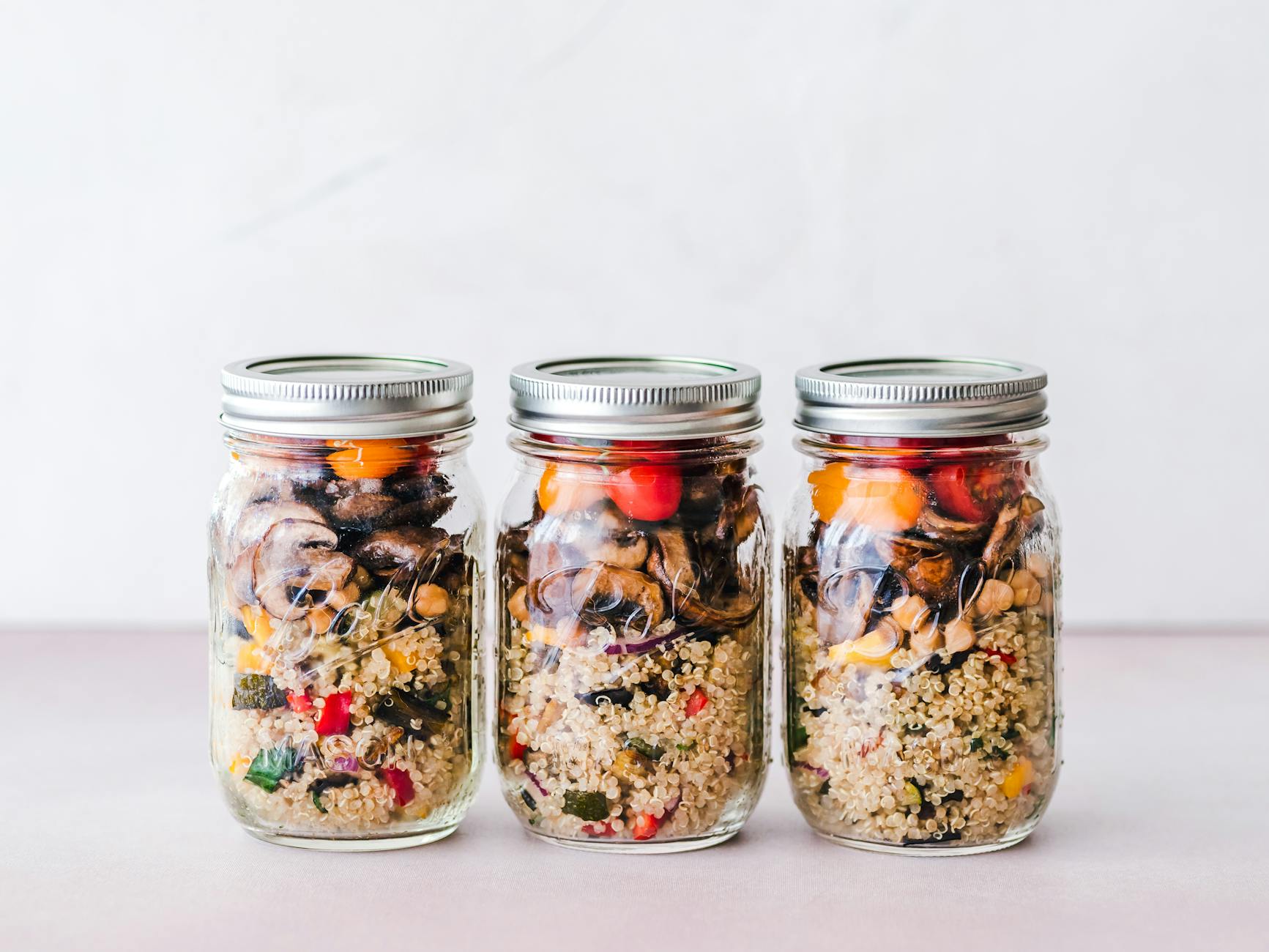
Easy Vegetarian Meal Prep Ideas for Beginners
August 19, 2026 16 min read 3,212 words
Transform your week with simple, delicious, and healthy vegetarian meal prep that saves time and reduces stress.
Start Prepping Now
Why Embrace Vegetarian Meal Prep for Beginners?
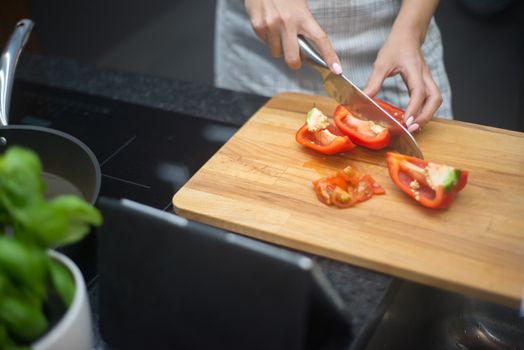 Photo: Kampus Production / Pexels
Embarking on a vegetarian journey, especially when paired with meal prepping, can seem daunting at first. However, the benefits for beginners are immense and far-reaching, transforming not just your diet but your entire weekly routine. For starters, vegetarian meal prep significantly streamlines your cooking process. Imagine coming home after a long day and having a delicious, nutritious meal ready in minutes, rather than facing the decision fatigue of what to cook and the time commitment of starting from scratch. This efficiency is a game-changer for busy individuals or those new to plant-based eating who might otherwise fall back on less healthy, convenient options.
Beyond convenience, adopting vegetarian meal prep offers substantial health advantages. A well-planned vegetarian diet is often richer in fiber, vitamins, and minerals, while being lower in saturated fat and cholesterol. For beginners, this means an easier transition to a healthier lifestyle, supporting weight management, improved digestion, and increased energy levels. By preparing your meals in advance, you gain complete control over ingredients, ensuring you're consuming whole, unprocessed foods and avoiding hidden sugars, excessive sodium, and unhealthy fats often found in takeout or pre-packaged meals. This intentional approach fosters a deeper connection to what you eat and how it nourishes your body. For more insights on healthy eating, check out our guide on
nutritious plant-based diets.
Financial savings are another compelling reason for beginners to dive into vegetarian meal prepping. Eating out, even occasionally, adds up quickly. By planning and preparing your meals at home, you drastically reduce your restaurant and takeout expenses. Buying ingredients in bulk, focusing on seasonal produce, and utilizing pantry staples further amplify these savings. You'll be surprised how much budget flexibility you gain, which can then be allocated to other areas of your life. Furthermore, meal prepping minimizes food waste. When you buy ingredients with specific recipes in mind and use them within a planned timeframe, fewer items end up forgotten in the back of the fridge. This conscious consumption is not only good for your wallet but also for the environment, aligning with sustainable living principles.
Finally, for many beginners, the transition to vegetarianism can feel overwhelming, but meal prepping simplifies the process. It provides a structured framework, making the dietary change feel less like a drastic overhaul and more like a manageable, step-by-step adjustment. You learn to identify versatile vegetarian staples, experiment with new flavors, and develop essential cooking skills in a low-pressure environment. The consistency and predictability of having healthy meals ready to go build confidence and reinforce positive eating habits, making vegetarianism an enjoyable and sustainable long-term choice rather than a temporary challenge. It empowers you to take charge of your diet and well-being, one delicious prepped meal at a time.
Essential Tools and Pantry Staples for Beginner Meal Preppers
Photo: Kampus Production / Pexels
Before diving into the delicious world of vegetarian meal prep, equipping your kitchen with the right tools and stocking your pantry with essential staples will set you up for success. You don't need a gourmet kitchen, but a few key items will make the process infinitely smoother and more enjoyable. Firstly, invest in quality airtight food storage containers. Glass containers are excellent as they are microwave-safe, dishwasher-safe, and don't absorb odors or stains. Look for various sizes, including smaller ones for snacks and larger ones for complete meals. Silicone bags are also a versatile option for storing chopped vegetables or marinating ingredients. A good set of sharp knives and a sturdy cutting board are non-negotiable; they will speed up your chopping time and make prep work much safer. A large pot for cooking grains and pasta, a baking sheet for roasting vegetables, and a food processor (optional but highly recommended for making sauces, pestos, or chopping large quantities of vegetables) will also be invaluable additions to your arsenal.
Next, let's talk about building a robust vegetarian pantry. Having these staples on hand means fewer last-minute grocery runs and more flexibility in your meal planning. Grains are foundational: think quinoa, brown rice, oats, and whole-wheat pasta. These provide complex carbohydrates and can be cooked in large batches to be used throughout the week. Legumes are your plant-based protein powerhouses; stock up on canned or dried black beans, chickpeas, lentils, and kidney beans. They are incredibly versatile for curries, salads, soups, and even burger patties. Don't forget your healthy fats: olive oil, avocado oil, and a variety of nuts and seeds (almonds, walnuts, chia seeds, flax seeds) for added crunch, nutrition, and healthy fats. For those just starting with vegetarianism, these foundational ingredients provide a wide array of options for creating satisfying and flavorful meals without feeling restricted.
Spices and herbs are the soul of flavor, especially in vegetarian cooking where you're often layering different plant-based ingredients. A well-stocked spice rack can elevate even the simplest dish. Essential spices include cumin, coriander, turmeric, paprika, garlic powder, onion powder, dried oregano, basil, and red pepper flakes. Don't shy away from fresh herbs like parsley, cilantro, and basil when possible, as they add a vibrant freshness. Condiments and sauces also play a crucial role in enhancing flavor and adding moisture. Keep on hand soy sauce or tamari, apple cider vinegar, nutritional yeast (for a cheesy flavor), mustard, and a good quality vegetable broth. These ingredients can transform plain grains or roasted vegetables into exciting, flavorful dishes. For those looking to explore more global flavors, consider adding tahini, curry paste, or sriracha to your collection. The beauty of vegetarian meal prep for beginners lies in learning to combine these simple, affordable staples to create an endless variety of delicious and healthy meals, proving that plant-based eating is anything but boring or difficult.
Finally, remember to incorporate fresh produce strategically. While the bulk of your pantry should be shelf-stable, fresh fruits and vegetables are vital for nutrients and taste. Plan your recipes around seasonal produce to maximize flavor and minimize cost. Leafy greens like spinach and kale, sturdy vegetables like broccoli, carrots, bell peppers, and sweet potatoes are excellent for roasting, sautéing, or adding to salads and bowls. Fruits like berries, apples, and bananas are perfect for breakfasts or snacks. By having a well-stocked pantry and a clear plan for fresh ingredients, you'll find that vegetarian meal prep becomes an intuitive and rewarding part of your weekly routine, making healthy eating accessible and enjoyable every single day.
Delicious and Easy Vegetarian Meal Prep Ideas for Beginners
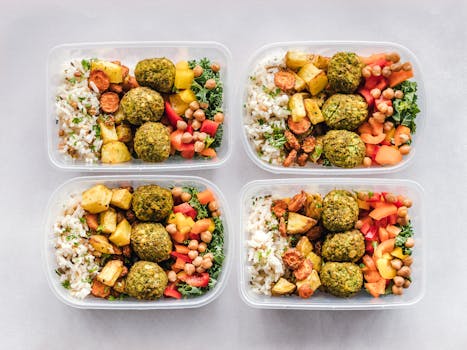 Photo: Ella Olsson / Pexels
Now for the exciting part: actual meal ideas! For beginners, the key is to start with simple, adaptable recipes that don't require obscure ingredients or complex cooking techniques. Focus on building blocks that can be mixed and matched throughout the week. One of the most versatile vegetarian meal prep ideas for beginners is the grain bowl. Cook a large batch of your favorite grain – quinoa, brown rice, or farro. Separately, roast a variety of vegetables like broccoli, sweet potatoes, bell peppers, and zucchini with olive oil, salt, and pepper until tender and slightly caramelized. Prepare a simple protein source like baked tofu, roasted chickpeas, or a batch of black beans seasoned with taco spices. For a quick and easy dressing, whisk together tahini, lemon juice, water, and a touch of maple syrup. Throughout the week, you can combine these components in different ways, adding fresh greens or a dollop of hummus for variety. This method allows for endless customization and prevents meal fatigue, making it perfect for those new to plant-based cooking. For more inspiration on healthy bowls, check out our article on
creative plant-based bowls.
Another fantastic option for beginners is overnight oats or chia pudding for breakfast. These require minimal active cooking and can be prepared in individual jars on Sunday night, ready to grab each morning. For overnight oats, combine rolled oats, plant-based milk (almond, soy, or oat), chia seeds, and a sweetener like maple syrup or agave. Add flavorings like cinnamon, vanilla extract, or cocoa powder. In the morning, top with fresh fruit, nuts, or seeds. Chia pudding follows a similar principle, using chia seeds as the base which thicken into a gel-like consistency when soaked in liquid. Both are packed with fiber and protein, keeping you full and energized until lunch. They are also incredibly adaptable, allowing you to experiment with different fruits, spices, and toppings to keep things interesting. This simple breakfast prep alone can save you significant time each morning and ensure you start your day with a nutritious meal.
For lunches and dinners, consider hearty vegetarian chili or lentil soup. These one-pot wonders are perfect for meal prepping because they often taste even better the next day as the flavors meld. A classic vegetarian chili can be made with a base of diced tomatoes, beans (kidney, black, pinto), corn, bell peppers, onions, and plenty of chili powder, cumin, and oregano. Similarly, a simple lentil soup can be packed with vegetables like carrots, celery, and spinach, cooked in a flavorful vegetable broth with brown or green lentils. Both dishes yield large quantities, providing several meals throughout the week. They are freezer-friendly too, so you can make an extra-large batch and freeze portions for those weeks when you have less time for meal prep. Serve chili with a sprinkle of nutritional yeast or a dollop of vegan sour cream, and soup with a side of crusty bread.
Finally, don't underestimate the power of simple pasta salads or hearty wraps. Cook a batch of whole-wheat pasta and toss it with chopped vegetables like cherry tomatoes, cucumbers, olives, and bell peppers. Add a protein source such as canned chickpeas or white beans, and dress it with a light vinaigrette or pesto. This salad holds up well in the fridge and is great for a refreshing lunch. For wraps, prepare a filling like hummus and veggie mix (grated carrots, shredded cabbage, spinach), or a chickpea salad (mashed chickpeas with vegan mayo, celery, and herbs). Store the filling separately from the tortillas and assemble fresh each day to prevent sogginess. These varied options demonstrate that vegetarian meal prep for beginners can be incredibly diverse and far from monotonous, offering a delicious path to healthier eating and a more organized week.
Top Tips and Common Mistakes for Successful Vegetarian Meal Prep
To truly master vegetarian meal prep as a beginner, it’s not just about knowing what to cook, but how to cook it efficiently and effectively. Here are some top tips to ensure your meal prep journey is a resounding success:
* **Start Small:** Don't try to prep every single meal for the entire week on your first attempt. Begin by prepping lunches for 3 days, or just dinners. As you gain confidence and efficiency, you can gradually expand your efforts. Overwhelm is the biggest enemy of consistency.
* **Batch Cook Staples:** Dedicate time to cook large quantities of foundational ingredients. This includes grains (quinoa, brown rice), roasted vegetables, and plant-based proteins (lentils, chickpeas, baked tofu). These components can then be assembled into different meals throughout the week, offering flexibility and preventing boredom.
* **Invest in Quality Containers:** As mentioned, airtight containers are crucial. They keep food fresh longer, prevent leaks, and make portion control easy. Glass containers are ideal for reheating and durability.
* **Flavor layering:** Vegetarian food doesn't have to be bland. Use herbs, spices, citrus, and healthy fats generously. Prepare dressings and sauces separately and add them just before eating to maintain freshness and prevent salads from becoming soggy.
* **Wash and Chop Produce Immediately:** As soon as you get home from the grocery store, wash and chop your vegetables. Store them in airtight containers or bags. This small step saves immense time during actual cooking sessions.
* **Plan for Variety:** Even with batch cooking, try to vary your meals. If you're prepping grain bowls, change the dressing or add different toppings each day. This keeps your taste buds engaged and ensures a broader range of nutrients.
* **Label Everything:** Especially if you’re new to meal prepping, labeling containers with the meal name and date prepared will help you keep track and ensure food safety.
**Common Mistakes to Avoid:**
* **Over-prepping:** Don't cook too much food that it goes bad before you can eat it. Start with 3-4 days' worth of meals and adjust as you learn your consumption patterns. Food waste defeats the purpose of efficiency and saving money.
* **Ignoring Storage Guidelines:** Different foods have different shelf lives. Cooked grains typically last 3-4 days, cooked vegetables 3-5 days. Be mindful of these limits to prevent food spoilage and potential health issues.
* **Lack of Variety:** Eating the same meal every day can lead to burnout. While batch cooking is efficient, ensure you have enough variety in your week, either by swapping out components or having a few different go-to recipes.
* **Not Seasoning Enough:** Vegetarian food, especially when reheated, can lose some of its vibrant flavors. Don't be afraid to season generously during cooking and add a fresh sprinkle of herbs or a squeeze of lemon juice before serving.
* **Forgetting Snacks:** Meal prep isn't just about main meals. Prepping healthy snacks like chopped veggies with hummus, fruit portions, or a handful of nuts can prevent unhealthy snacking between meals.
* **Procrastinating Prep Day:** Designate a specific day and time for meal prep and stick to it. Consistency is key to making it a sustainable habit. Treat it like an appointment you can't miss. By avoiding these common pitfalls and embracing the tips, your journey into vegetarian meal prep will be much smoother and more enjoyable, leading to a healthier, less stressful lifestyle.