A sourdough starter is a living culture of wild yeast and lactic acid bacteria, typically made from flour and water. This starter is the leavening agent that gives sourdough its unique characteristics.
2
Commercial Yeast Activation
Regular bread relies on commercial baker's yeast, a single-strain organism, to produce carbon dioxide. This yeast is typically activated quickly in warm water before being mixed with other ingredients.
3
Fermentation & Flavor Development
Sourdough's longer, slower fermentation process allows for the development of complex flavors and aromas. The bacteria produce lactic and acetic acids, contributing to its signature tang.
4
Rise and Bake
Both types of bread rise as gases are produced by their respective leavening agents. The baking process sets the structure and creates the crust, resulting in the final loaf.
Unpacking the Leavening Agents: Sourdough Starter vs. Commercial Yeast
Photo: Monserrat Soldú / Pexels
At the very heart of what makes sourdough and regular bread distinct lies their fundamental leavening agents. This is perhaps the most crucial difference, setting the stage for all subsequent variations in flavor, texture, and nutritional profile. Regular bread, in its most common form, relies on commercial baker's yeast. This is a single-strain organism, typically *Saccharomyces cerevisiae*, which is highly efficient at converting sugars into carbon dioxide and alcohol. When you mix commercial yeast with warm water, a little sugar, and flour, it quickly becomes active, producing gas that makes the dough rise predictably and rapidly. This controlled, quick process is why regular bread is often seen as more consistent and easier to bake for beginners. The flavor profile of commercial yeast is generally neutral, allowing the other ingredients in the bread, like the flour or added seeds, to shine through. It provides a reliable lift, resulting in a light, airy crumb that many people associate with classic sandwich bread or dinner rolls. The scientific precision of commercial yeast ensures a consistent product, making it a staple in industrial baking and home kitchens alike for its predictability and speed. It has revolutionized bread making, making it accessible and efficient on a global scale. Understanding the role of yeast is key to appreciating bread's diversity.
Sourdough, on the other hand, employs a 'starter,' a living, symbiotic culture of wild yeasts and lactic acid bacteria (LAB). This starter is traditionally created by simply mixing flour and water and allowing it to ferment naturally, capturing microorganisms from the environment. Unlike the single-minded commercial yeast, a sourdough starter is a complex ecosystem. The wild yeasts (of which there can be many different strains) also produce carbon dioxide, contributing to the rise. However, the lactic acid bacteria are equally, if not more, important. These bacteria produce lactic acid and acetic acid, which are responsible for sourdough's characteristic tangy flavor. This dual action of wild yeast and bacteria results in a slower, more protracted fermentation process. The microbial activity in a sourdough starter is far more intricate, leading to a broader spectrum of enzymatic reactions. These reactions not only contribute to flavor but also have significant implications for the bread's texture, shelf life, and digestibility. The beauty of a sourdough starter is its individuality; each starter, nurtured in different environments and with varying flours, develops its own unique microbial signature, leading to subtle differences in the final bread. This complexity is what gives sourdough its artisanal appeal and deeply satisfying character, making each loaf a unique expression of its living culture. The ongoing feeding and maintenance of a sourdough starter, often referred to as 'the pet,' is a ritual for many bakers, connecting them to an ancient tradition of bread making that predates commercial yeast by millennia.
The Fermentation Journey: Time, Taste, and Texture
Photo: Monserrat Soldú / Pexels
The duration and nature of the fermentation process are critical differentiators between sourdough and regular bread, profoundly influencing their taste, texture, and even their nutritional properties. Regular bread, leavened by commercial yeast, typically undergoes a relatively short fermentation. Once the dough is mixed, the yeast rapidly consumes sugars, producing carbon dioxide and causing the dough to double in size, often within an hour or two. This quick rise is efficient and allows for a faster turnaround from mixing to baking. The resulting flavor profile tends to be mild and somewhat sweet, largely determined by the flour and any added ingredients like sugar or milk. The texture is generally soft, fluffy, and uniform, with a fine crumb structure. This rapid fermentation, while convenient, doesn't allow for the same depth of flavor development or enzymatic activity that sourdough provides. The simplicity of the process contributes to regular bread's widespread appeal and ease of production, making it a staple for daily consumption and mass production. Its predictable nature makes it a reliable choice for consistent results, which is a major advantage in commercial settings where efficiency is paramount. Moreover, the short fermentation means less opportunity for significant changes in the gluten structure or the breakdown of antinutrients.
Sourdough, conversely, embarks on a much longer and more complex fermentation journey, often spanning anywhere from 8 to 24 hours, or even longer, depending on the recipe and environmental conditions. This extended period is where the magic truly happens. The wild yeasts and lactic acid bacteria in the starter work slowly, systematically breaking down the carbohydrates and proteins in the flour. This slow fermentation allows for the development of a complex array of organic acids, primarily lactic and acetic acids, which contribute to sourdough's distinctive tangy flavor. The balance between these acids can vary, leading to different levels of sourness – a longer, cooler fermentation tends to produce more acetic acid (a sharper tang), while a warmer, shorter fermentation might yield more lactic acid (a milder, creamy tang). Beyond flavor, this prolonged fermentation has significant textural implications. The acids produced by the LAB strengthen the gluten network, leading to a more robust, chewy crumb and a thicker, crispier crust that is characteristic of artisanal sourdough loaves. The crumb often features an irregular, open structure with varying-sized holes, a highly prized attribute in sourdough baking. This slow process also has a profound impact on the bread's keeping qualities, as the acids act as natural preservatives, extending the shelf life of sourdough compared to its commercially yeasted counterparts. The texture of sourdough is often described as more substantial and satisfying, providing a delightful contrast to the lighter texture of regular bread. The chewiness and robust crust are hallmarks of a well-made sourdough, offering a more engaging eating experience.
Nutritional Nuggets: Digestibility and Nutrient Availability
Photo: ready made / Pexels
Beyond taste and texture, the nutritional differences between sourdough and regular bread are a significant area of interest, particularly concerning digestibility and nutrient availability. Regular bread, while a good source of carbohydrates and often fortified with vitamins and minerals, doesn't undergo the same extensive biochemical transformation as sourdough. The rapid action of commercial yeast primarily focuses on gas production for leavening. While the bread is nutritious, some compounds in the flour, like phytic acid, can bind to minerals (such as iron, zinc, and magnesium), making them less bioavailable for absorption in the human body. For individuals with sensitive digestive systems, the intact gluten structure in rapidly fermented bread can sometimes be more challenging to break down. The enzymes present in commercial yeast are limited compared to the diverse enzymatic activity found in a sourdough culture. Therefore, while regular bread is a valuable part of many diets, its nutritional advantages might be less pronounced in terms of enhanced digestibility or mineral absorption compared to its sourdough counterpart. The processing methods for regular bread, especially those found in supermarkets, often involve quick mixing and baking, leaving little time for the natural enzymes in the flour to act or for the yeast to perform more complex transformations. This can result in a product that, while palatable and convenient, doesn't fully unlock the inherent nutritional potential of its ingredients. Exploring bread's health benefits reveals these nuances.
Sourdough's prolonged fermentation process acts as a natural predigestion, making it a nutritional powerhouse in several ways. The lactic acid bacteria in the starter produce enzymes that actively break down phytic acid. This reduction in phytic acid significantly increases the bioavailability of essential minerals, meaning your body can absorb more of the iron, zinc, and magnesium present in the flour. Furthermore, the extensive enzymatic activity in sourdough can partially break down gluten proteins. While sourdough is not gluten-free and should not be consumed by individuals with celiac disease, many people with non-celiac gluten sensitivity report finding sourdough easier to digest. This is attributed to the partial breakdown of gluten and other complex carbohydrates by the wild yeasts and bacteria during the long fermentation. The production of organic acids also lowers the bread's glycemic index, potentially leading to a slower and more stable rise in blood sugar levels compared to regular bread. Additionally, sourdough fermentation can increase the levels of certain B vitamins and antioxidants. The beneficial bacteria themselves, though mostly killed during baking, contribute to a healthier gut microbiome by producing prebiotics, which feed the good bacteria in your gut. This array of biochemical changes transforms the simple ingredients of flour and water into a more nutritionally complex and digestible food, offering potential benefits that extend beyond simple caloric intake. The slow, deliberate process of sourdough making isn't just about flavor; it's about unlocking and enhancing the inherent goodness of the grains.
Choosing Your Loaf: Practical Tips and Common Misconceptions
Photo: Laura James / Pexels
When deciding between sourdough and regular bread, understanding your priorities is key. If speed, predictability, and a consistently mild flavor are what you're after, regular bread made with commercial yeast is an excellent choice. It's versatile, widely available, and generally more affordable. It's perfect for quick sandwiches, toast, or as a neutral accompaniment to various meals. However, be mindful of ingredients in commercially produced regular bread, as some may contain added sugars, preservatives, or dough conditioners that you might prefer to avoid. Always check the ingredient list for the simplest formulations. A common misconception is that all sourdough is intensely sour. While many true sourdoughs have a delightful tang, the level of sourness can vary greatly depending on the starter, fermentation time, and temperature. Some artisanal sourdoughs are quite mild, focusing more on complex, earthy flavors.
Conversely, if you prioritize deeper, more complex flavors, a chewier texture, and potential digestive and nutritional benefits, sourdough is likely your preferred option. It's an experience more than just a food item. When purchasing sourdough, look for loaves with a robust, dark crust, an irregular crumb structure, and a distinct aroma. Be wary of 'sourdough flavored' breads that use commercial yeast and added acids to mimic the taste without the true fermentation benefits. A good rule of thumb is to check the ingredient list: true sourdough should primarily contain flour, water, salt, and sourdough starter, with no commercial yeast listed. For home bakers, remember that sourdough baking requires patience and practice. Your starter is a living entity, and learning to read its cues is part of the joy. Don't be discouraged by initial failures; every loaf is a learning opportunity. Storing sourdough properly in a bread box or wrapped in a cloth can help maintain its freshness and crust for several days. Experiment with different flours and hydration levels to find your perfect loaf. Ultimately, both types of bread offer unique qualities, and your choice often comes down to personal preference, dietary needs, and the specific culinary application. There's no single 'best' bread, only the best bread for *you* in a given moment.
**Tips for Enjoying Both Breads:**
* **For Regular Bread:** Try making your own at home for a healthier version, controlling ingredients like sugar and salt. Use it for classic grilled cheese, French toast, or as dinner rolls.
* **For Sourdough:** Pair it with rich, savory dishes like stews or charcuterie. Its robust flavor stands up well to strong cheeses and meats. Use it for avocado toast or a gourmet open-faced sandwich.
* **Storage:** Store regular bread at room temperature in an airtight bag for a few days. Sourdough benefits from being stored cut-side down on a cutting board or in a bread bag to maintain its crust, lasting longer due to its natural acidity.
* **Freezing:** Both breads freeze well. Slice before freezing for easy access to individual portions. Toasting from frozen works wonderfully for both.
Potentially easier due to gluten breakdown and phytic acid reduction
Generally easy, but less pre-digested
Nutrient Bioavailability
Enhanced (minerals, B vitamins)
Standard (can be limited by phytic acid)
Shelf Life
Longer due to natural acids
Shorter, prone to staling faster
Glycemic Index
Potentially lower
Generally higher
What Readers Say
★★★★★
"I always wondered what is the difference between sourdough and regular bread until I started baking both. The depth of flavor in sourdough is unmatched, and I find it so much easier on my stomach."
Sarah J. · Austin, TX
★★★★★
"This article perfectly explains what is the difference between sourdough and regular bread. I used to think sourdough was just 'sour' bread, but now I appreciate the complex fermentation and health benefits."
Mark D. · Seattle, WA
★★★★★
"After switching to primarily sourdough, I've noticed a significant reduction in bloating. This guide helped me understand the 'why' behind what is the difference between sourdough and regular bread."
Emily R. · Chicago, IL
★★★★★
"While I still enjoy regular bread for some uses, this breakdown of what is the difference between sourdough and regular bread makes me lean towards sourdough for daily consumption. The taste is simply richer."
David L. · Miami, FL
★★★★★
"As a new baker, this comparison of what is the difference between sourdough and regular bread was incredibly helpful. It clarified the science and inspired me to try my hand at a sourdough starter!"
Jessica P. · Denver, CO
Frequently Asked Questions
Is sourdough bread healthier than regular bread?
While 'healthier' can be subjective, sourdough often boasts advantages such as a lower glycemic index, increased bioavailability of minerals due to phytic acid breakdown, and potential ease of digestion for some individuals due to partial gluten breakdown. It undergoes a more extensive fermentation process than regular bread, which contributes to these benefits.
Does sourdough bread contain gluten?
Yes, sourdough bread is made from wheat flour and therefore contains gluten. While the long fermentation process can partially break down gluten proteins, it is not gluten-free and should be avoided by individuals with celiac disease or severe gluten intolerance.
How can I tell if a bread is true sourdough?
Look for a robust, often irregular crust, an open and chewy crumb with varying-sized holes, and a distinct tangy aroma. Crucially, check the ingredient list: true sourdough should primarily list flour, water, salt, and sourdough starter, without commercial yeast. If 'yeast' is listed alongside 'sourdough starter,' it might be a hybrid or 'sour-flavored' bread.
Is sourdough bread more expensive than regular bread?
Artisanal sourdough bread can often be more expensive than mass-produced regular bread. This is due to the longer production time, the labor-intensive nature of maintaining a sourdough starter, and the higher quality ingredients often used. However, the value comes from its unique flavor, texture, and potential health benefits.
Can I use sourdough starter to make regular bread?
You can use sourdough starter as the sole leavening agent for many types of bread, but the result will be sourdough bread, not 'regular' bread in the commercial yeast sense. If you want a quick rise and mild flavor of regular bread, you'll still need commercial yeast. Some recipes combine both for a hybrid approach.
Who should choose sourdough versus regular bread?
Sourdough is often preferred by those seeking deeper, more complex flavors, a chewier texture, or potential digestive benefits. Regular bread is ideal for those who prioritize speed, consistency, a milder flavor, and a softer texture, making it versatile for everyday use and less demanding for home bakers.
Are there any risks associated with sourdough bread?
For most people, sourdough bread is safe and beneficial. The primary 'risk' is if an individual with celiac disease mistakenly believes it's gluten-free. For home bakers, improper fermentation can lead to a dense crumb or an overly sour taste, but these are quality issues, not safety concerns. The acidity in sourdough actually acts as a natural preservative.
Will sourdough bread become the dominant bread type in the future?
While sourdough has seen a significant resurgence in popularity due to its artisanal appeal and perceived health benefits, it's unlikely to fully replace regular bread. Both have distinct advantages and cater to different preferences and needs. The future will likely see continued growth in both categories, with consumers becoming more informed about their choices and demanding higher quality in all bread types.
Now that you understand what is the difference between sourdough and regular bread, you're equipped to choose the perfect loaf for your taste and health goals. Explore the world of bread with newfound appreciation, whether you're savoring a tangy sourdough or a classic regular slice.

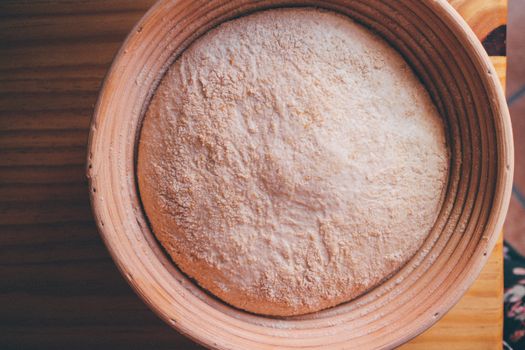 Photo: Monserrat Soldú / Pexels
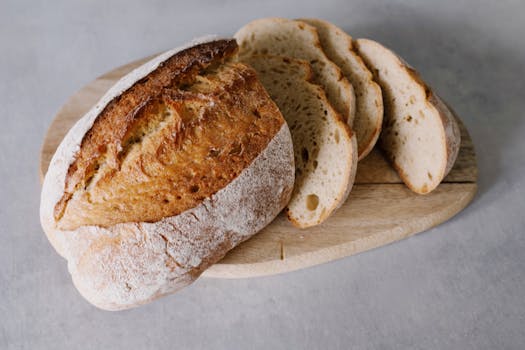 Photo: ready made / Pexels
 Photo: Laura James / Pexels