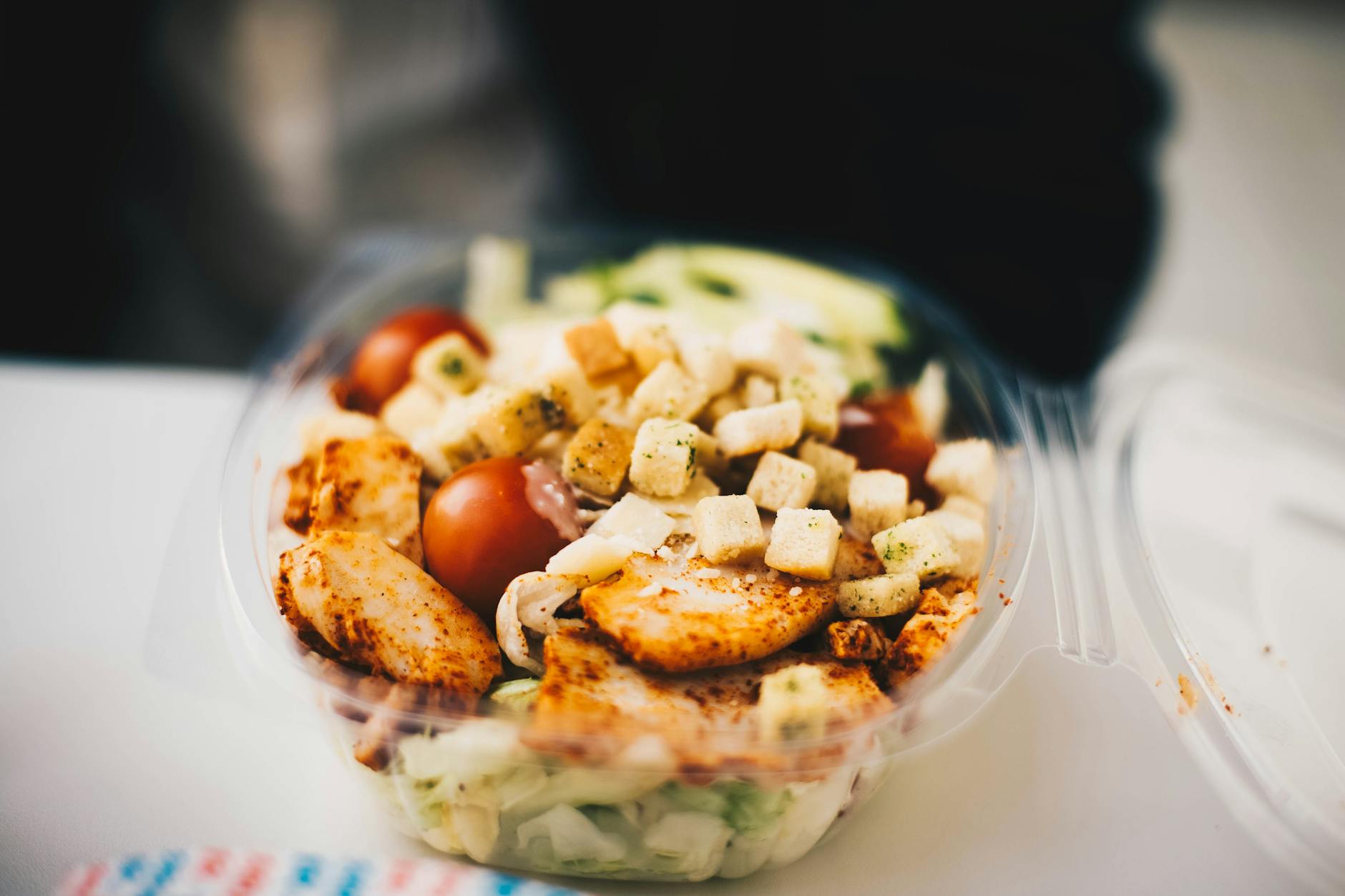
Smart Meal Prep Ideas for Weight Loss: Your Ultimate Guide
meal prep ideas for weight loss

Smart Meal Prep Ideas for Weight Loss: Your Ultimate Guide

Unlock the power of organized eating to shed pounds and transform your health with ease and consistency.

Start Prepping Now

Key Takeaways

  • ✓ Meal prepping saves an average of 3-5 hours per week on cooking.
  • ✓ Studies show meal preppers consume fewer calories and more nutrients.
  • ✓ Batch cooking can reduce food waste by up to 25%.
  • ✓ Strategic meal prep can save hundreds of dollars annually on groceries and takeout.

How It Works

1
Plan Your Week

Dedicate time to choose recipes that align with your dietary goals and preferences. Create a grocery list based on your chosen meals.

2
Shop Smart

Visit the grocery store with your list and stick to it to avoid impulse buys. Focus on fresh produce, lean proteins, and whole grains.

3
Prep & Cook

Set aside a few hours (e.g., Sunday afternoon) to wash, chop, and cook your ingredients. Portion out meals into containers for easy grab-and-go.

4
Store & Enjoy

Properly store your prepped meals in airtight containers in the refrigerator or freezer. Enjoy healthy, ready-to-eat meals throughout your busy week.

The Foundation of Effective Weight Loss Meal Prep
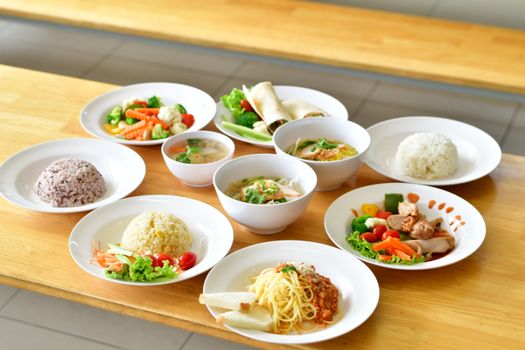
A variety of Asian and Italian dishes presented beautifully on a wooden table, showcasing diverse flavors. Photo: Kritsana (Kid) Takhai / Pexels
Embarking on a weight loss journey can feel daunting, but with strategic meal prep, you transform a complex goal into a manageable, enjoyable process. The core principle behind successful meal prep for weight loss isn't just about cooking in advance; it's about making conscious, informed decisions about your nutrition before hunger strikes and willpower wanes. This proactive approach helps you avoid unhealthy impulse choices, control portion sizes, and ensure a consistent intake of nutrient-dense foods. Think of meal prepping as your personal chef service, meticulously planning and preparing meals that align perfectly with your caloric and macronutrient needs. To lay a solid foundation, begin by understanding your individual caloric requirements for weight loss. This isn't a one-size-fits-all number; it depends on factors like your age, sex, activity level, and current weight. Online calculators or a consultation with a dietitian can provide a good starting point. Once you have a target, you can then focus on macronutrient distribution – balancing proteins, carbohydrates, and healthy fats. For weight loss, a higher protein intake is often recommended as it promotes satiety and helps preserve muscle mass during caloric restriction. Lean proteins like chicken breast, turkey, fish, tofu, and legumes should form the cornerstone of your meals. Next, embrace whole, unprocessed foods. These are the powerhouses of nutrition, packed with vitamins, minerals, and fiber, which are crucial for satiety and overall health. Prioritize a rainbow of vegetables, whole grains such as quinoa, brown rice, and oats, and healthy fats from avocados, nuts, and seeds. These ingredients not only nourish your body but also provide sustained energy, preventing those dreaded energy crashes that often lead to poor food choices. The beauty of meal prepping is that it forces you to think about these components in advance, ensuring your fridge is stocked with wholesome options rather than tempting, less healthy alternatives. It's about setting yourself up for success by removing the friction from healthy eating. By dedicating time to this foundational planning, you're not just cooking; you're investing in your health and streamlining your path to sustainable weight loss. This initial planning phase is arguably the most critical step, as it dictates the quality and effectiveness of all subsequent meal prep efforts. Learn more about healthy eating principles here.

Delicious and Nutritious Meal Prep Ideas for Breakfast and Lunch
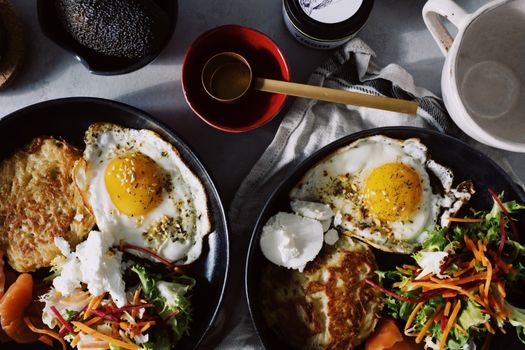
A delicious breakfast featuring fried eggs, fresh salad, and toast on a plate. Photo: ready made / Pexels
Breakfast and lunch are often the meals where convenience trumps health, leading to quick, often processed, choices. However, with smart meal prep, these can become some of your most nutritious and satisfying meals, fueling your body and keeping you on track for weight loss. For breakfast, think beyond sugary cereals and pastries. Overnight oats are a meal prep champion – combine rolled oats, milk (dairy or non-dairy), chia seeds, and your favorite fruit or a scoop of protein powder in a jar, refrigerate overnight, and wake up to a ready-to-eat, fiber-rich meal. You can make several jars at once, varying the flavors with berries, cinnamon, or a touch of cocoa. Another excellent option is a batch of egg muffins or frittata squares. Whisk eggs with chopped vegetables (spinach, bell peppers, onions), a sprinkle of cheese, and bake them in a muffin tin. These are portable, protein-packed, and can be reheated in minutes. When it comes to lunch, the goal is a balanced meal that provides sustained energy without leaving you feeling sluggish. Salads are fantastic for meal prep, but the key is to keep ingredients separate until serving to prevent sogginess. Layer dressing at the bottom of a jar, followed by hard vegetables (carrots, cucumbers), grains (quinoa, farro), protein (grilled chicken, chickpeas, hard-boiled eggs), and finally, leafy greens on top. When you're ready to eat, just shake it up! Another popular and versatile lunch option is a grain bowl. Cook a large batch of quinoa or brown rice, roast a variety of vegetables (broccoli, sweet potatoes, Brussels sprouts), and prepare a lean protein source (baked salmon, shredded chicken, lentils). Throughout the week, combine these components in different ways, adding a healthy dressing or a sprinkle of nuts for variety. Soups and stews are also excellent for batch cooking. A hearty lentil soup or a vegetable and chicken chili can be made in a large pot and portioned into individual containers, providing warmth and nutrition. These options not only save time but also ensure you're consuming well-portioned, nutrient-dense meals that support your weight loss goals, preventing the mid-day slump and subsequent cravings for unhealthy snacks. The variety and flexibility of these options mean you'll never get bored, making healthy eating a sustainable lifestyle change rather than a temporary diet.

Dinner and Snack Strategies for Sustained Weight Loss
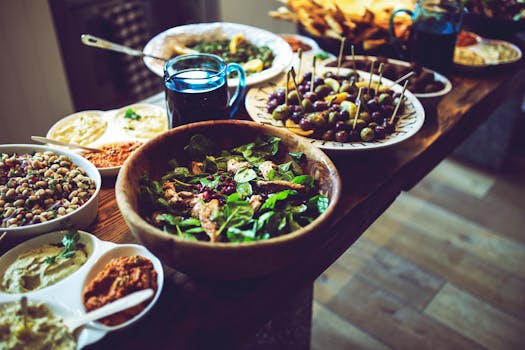
Mediterranean antipasti featuring olives, spinach salad, and dips on a rustic wooden table. Photo: Karolina Grabowska www.kaboompics.com / Pexels
Dinner, often the largest meal of the day, can be a major hurdle for weight loss if not planned carefully. The temptation to order takeout or prepare a quick, unhealthy meal after a long day is strong. This is where dinner meal prep shines. Focus on balanced meals that are satisfying but not overly heavy. One highly effective strategy is to cook a large batch of a protein source, such as roasted chicken breasts, baked cod, or ground turkey, at the beginning of the week. This versatile protein can then be incorporated into various dinners. For example, roasted chicken can become part of a stir-fry with pre-chopped vegetables, a healthy chicken salad, or served alongside a pre-cooked whole grain and steamed greens. Similarly, ground turkey can be used for lean tacos, a healthy bolognese sauce, or stuffed bell peppers. Another excellent dinner prep idea is to create sheet pan meals. Simply chop a variety of vegetables (broccoli, bell peppers, zucchini, onions) and a protein (chicken sausage, firm tofu, shrimp), toss with olive oil and seasonings, and roast on a single sheet pan. This method is incredibly efficient, producing minimal cleanup and a complete, balanced meal. For colder evenings, consider batch-cooking a large pot of vegetable and bean chili or a hearty minestrone soup. These are packed with fiber and nutrients, keep you full, and can be easily portioned and frozen for future meals. The key is to think about components that can be mixed and matched, preventing meal fatigue while ensuring nutritional balance. Explore more healthy dinner recipes here. Don't overlook snacks in your meal prep strategy; they can be either your downfall or your secret weapon for weight loss. Mindless snacking on processed foods can quickly derail your efforts. Instead, prep healthy, portion-controlled snacks. Hard-boiled eggs are a protein powerhouse and can be made in a large batch. Cut-up vegetables like carrots, celery, and bell peppers paired with a serving of hummus or Greek yogurt dip are refreshing and fiber-rich. A small handful of almonds or walnuts provides healthy fats and satiety. Individual portions of cottage cheese with berries, or Greek yogurt with a sprinkle of granola, are also excellent choices. By having these healthy snacks readily available, you eliminate the need to reach for less nutritious options when hunger strikes between meals, maintaining consistent energy levels and supporting your caloric deficit. Remember, consistent healthy choices throughout the day, including snacks, are paramount for sustainable weight loss.

Common Meal Prep Mistakes to Avoid and Essential Tips for Success
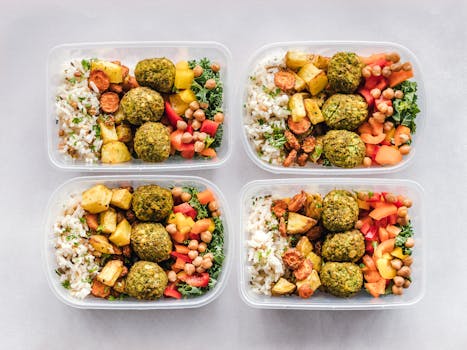
Colorful meal prep containers with falafel, chickpeas, rice, and vegetables for a healthy lifestyle. Photo: Ella Olsson / Pexels
While meal prepping is a powerful tool for weight loss, it's easy to fall into common traps that can hinder your progress or lead to burnout. Awareness of these pitfalls and adopting smart strategies can make all the difference. One of the most frequent mistakes is preparing the same bland meals repeatedly. This leads to flavor fatigue and makes healthy eating feel like a chore rather than a sustainable lifestyle. To combat this, embrace variety! Experiment with different spices, herbs, and healthy sauces. Rotate your protein sources and vegetable combinations weekly. For example, if you had chicken and broccoli one week, try fish and asparagus the next, or a lentil stew. The internet is a treasure trove of recipes; don't be afraid to explore new cuisines that fit your dietary goals. Another common error is neglecting proper food storage. Incorrect storage can lead to food spoilage, wasting your time and money. Invest in good quality, airtight containers, preferably glass ones, as they are non-toxic, durable, and microwave-safe. Ensure food is cooled completely before sealing and refrigerating to prevent condensation and bacterial growth. Labeling your containers with the date and meal type can also help you keep track of freshness. For meals intended for later in the week or beyond, freezing is an excellent option. Soups, stews, chili, and even some cooked grains and proteins freeze well, extending their shelf life significantly. **Essential Tips for Meal Prep Success:** * **Start Small:** Don't try to prep every single meal for the entire week on your first attempt. Begin with lunches, or just a few days' worth of meals, and gradually increase as you get more comfortable. * **Batch Cook Staples:** Cook large quantities of versatile ingredients like quinoa, brown rice, roasted vegetables, or grilled chicken. These can be mixed and matched into various meals throughout the week. * **Prioritize Protein:** Ensure each meal has a substantial source of lean protein. Protein is crucial for satiety, muscle preservation, and a healthy metabolism, all vital for weight loss. * **Don't Forget Fiber:** Load up on vegetables and whole grains. Fiber helps you feel full, aids digestion, and stabilizes blood sugar levels. * **Healthy Fats are Key:** Include sources of healthy fats like avocado, nuts, seeds, or olive oil in moderation. They contribute to satiety and provide essential nutrients. * **Flavor is Your Friend:** Use herbs, spices, lemon juice, vinegars, and healthy sauces to make your meals exciting. Bland food is a recipe for diet failure. * **Plan for Snacks:** Don't let hunger derail your efforts between meals. Prep healthy, portion-controlled snacks like fruit, nuts, yogurt, or veggie sticks with hummus. * **Stay Hydrated:** While not strictly meal prep, drinking plenty of water throughout the day is crucial for weight loss and can often be mistaken for hunger. * **Invest in Tools:** A good set of knives, cutting boards, measuring cups, and quality food storage containers will make your meal prep sessions much more efficient and enjoyable. * **Be Flexible:** Life happens. If you miss a prep session or need to adjust your plan, don't beat yourself up. Get back on track with your next meal. Consistency, not perfection, is the goal. By avoiding these common pitfalls and implementing these practical tips, your meal prep journey for weight loss will be much smoother, more enjoyable, and ultimately, more successful.

Comparison

FeatureBest OptionAlternative 1Alternative 2
Time SavingsExcellentGoodModerate
Cost EffectivenessExcellentGoodFair
Portion ControlExcellentGoodVariable
Nutrient DensityExcellentGoodVariable
Variety PotentialHighMediumLow
Skill RequiredLow-MediumLowLow

What Readers Say

"Meal prepping has been a game-changer for my weight loss journey. I've lost 15 pounds in 3 months just by consistently planning my meals. It takes the guesswork out of healthy eating!"

Sarah J. · Austin, TX

"I used to grab fast food for lunch daily. Now, with meal prep, I have delicious, healthy options ready. My energy levels are up, and I'm finally seeing progress on the scale."

Mark D. · Chicago, IL

"Following these meal prep ideas for weight loss, I dropped two dress sizes! The recipes are tasty, and having meals ready prevents me from making bad choices after a long day."

Jessica L. · Miami, FL

"It took a few weeks to get into the rhythm, but now I love my Sunday prep sessions. It's not always perfect, but it's definitely helped me control my portions and eat healthier overall."

David R. · Seattle, WA

"As a busy mom, I thought meal prep was impossible. But these strategies showed me how to make it work. My whole family benefits from the healthier meals, and I'm losing weight too!"

Emily K. · Denver, CO

Frequently Asked Questions

What are the best meal prep ideas for weight loss for beginners?

For beginners, start with simple, repeatable meals. Overnight oats for breakfast, large salads with pre-cooked protein for lunch, and sheet pan dinners are excellent choices. Focus on cooking one or two components in bulk, like quinoa or roasted chicken, to mix and match throughout the week.

Is meal prepping really effective for losing weight?

Yes, meal prepping is highly effective for weight loss. It promotes portion control, reduces impulsive unhealthy eating, ensures a consistent intake of nutrient-dense foods, and helps you stay within your caloric goals. It's a proactive approach that sets you up for success.

How long do prepped meals last in the fridge?

Most prepped meals will last 3-4 days in the refrigerator when stored in airtight containers. Some ingredients, like cooked grains or roasted vegetables, can last a bit longer, while seafood or delicate greens might need to be consumed sooner. Freezing is an option for longer storage.

What's the average cost saving when meal prepping for weight loss?

Meal prepping can significantly reduce food costs. By buying in bulk, cooking at home, and avoiding takeout or restaurant meals, individuals can save hundreds of dollars per month. The exact savings depend on your previous eating habits and grocery choices, but it's generally much more economical.

How does meal prepping compare to diet delivery services for weight loss?

Meal prepping offers more control over ingredients, portion sizes, and flavor customization compared to most diet delivery services. While delivery services are convenient, they can be more expensive and offer less flexibility. Meal prepping also builds valuable cooking skills and a deeper understanding of nutrition.

Who should consider using meal prep ideas for weight loss?

Anyone looking to lose weight, improve their diet, save time, and reduce food expenses should consider meal prepping. It's particularly beneficial for busy individuals, those on a budget, or anyone who struggles with consistent healthy eating decisions during the week.

Are there any risks associated with meal prepping?

The primary risks are related to food safety, such as improper storage leading to spoilage or bacterial growth. Always ensure food is cooked thoroughly, cooled rapidly, and stored in airtight containers at appropriate temperatures. Follow recommended guidelines for how long food can be safely stored.

What are the future trends in meal prep for weight loss?

Future trends include more personalized meal prep plans based on genetic data or microbiome analysis, increased availability of sustainable and ethically sourced ingredients, and advanced kitchen tech for automated cooking and portioning. The focus will continue to be on efficiency, health, and environmental consciousness.

Ready to transform your weight loss journey? Embrace these smart meal prep ideas to build healthy habits, save time, and enjoy delicious, nutritious meals every day. Start planning your success today!

Topics: meal prep ideas for weight losshealthy meal planninglose weight with meal prepdiet meal prep recipesweekly meal prep for fat loss
Leo List
Brampton weed
Adultwork EstrelaBet Vai de Bet R7 Bet Betão Galera Bet Rainbet Bet9ja Shop SportyBet BetKing Sisal Loto Foot Hollywoodbets YesPlay Odibets RushBet Jugabet BetWarrior BetCity MSport betPawa Fortebet