✓ Meal prepping saves time and money, making healthy eating more accessible.
✓ Portion control is simplified, crucial for calorie management in weight loss.
✓ Variety is key to preventing boredom and ensuring a wide range of nutrients.
✓ Strategic ingredient choices can boost metabolism and increase satiety.
How It Works
1
Plan Your Week
Dedicate time to select recipes, create a grocery list, and allocate specific meals to days. This foresight prevents last-minute unhealthy choices.
2
Shop Smartly
Stick to your grocery list, prioritizing whole, unprocessed foods like lean proteins, fresh produce, and complex carbohydrates. Avoid impulse buys that derail your goals.
3
Batch Cook Efficiently
Set aside a few hours, typically on a weekend, to cook staple ingredients and full meals in larger quantities. This maximizes your cooking effort for the week ahead.
4
Portion and Store
Divide your prepared meals into individual, portion-controlled containers. Proper storage ensures freshness and makes grab-and-go eating incredibly convenient and mindful.
Understanding the Fundamentals of Weight Loss Meal Prep
Photo: Pavel Danilyuk / Pexels
Embarking on a weight loss journey can feel overwhelming, but meal prepping stands out as one of the most effective and sustainable strategies. It's not just about cooking in advance; it's about taking control of your nutrition, your time, and ultimately, your health. The core principle behind meal prepping for weight loss is simple: by planning and preparing your meals ahead of time, you eliminate the guesswork, reduce temptation, and ensure consistent adherence to your dietary goals. This proactive approach tackles many common pitfalls of dieting, such as impulsive unhealthy food choices due to hunger, lack of time, or sheer exhaustion after a long day. When you have a delicious, healthy meal ready to go, the likelihood of reaching for fast food or highly processed snacks plummets dramatically.
At its heart, effective weight loss meal prep revolves around a few key nutritional pillars. Firstly, focus on lean protein sources. Proteins are crucial for satiety, helping you feel fuller for longer, which can significantly reduce overall calorie intake. They also play a vital role in muscle preservation, especially important when you're in a calorie deficit. Think chicken breast, turkey, fish, lean beef, tofu, tempeh, and legumes. Secondly, prioritize fiber-rich vegetables and fruits. These are low in calories but high in volume and nutrients, providing essential vitamins, minerals, and antioxidants. Their high fiber content aids digestion and further contributes to satiety. Thirdly, incorporate complex carbohydrates. Unlike simple carbs, complex carbohydrates like oats, quinoa, brown rice, and sweet potatoes provide sustained energy release, preventing energy crashes and subsequent cravings. They are your body’s preferred fuel source and are essential for maintaining energy levels throughout the day without spiking blood sugar. Lastly, don't forget healthy fats from sources like avocados, nuts, seeds, and olive oil. While calorie-dense, healthy fats are vital for hormone production, nutrient absorption, and also contribute to satiety, making your meals more satisfying.
Beyond the nutritional components, the practical aspect of meal prepping is equally important. It involves strategic planning, efficient grocery shopping, and smart batch cooking. Before you even step into the kitchen, dedicate time to planning your meals for the entire week. This includes breakfast, lunch, dinner, and even healthy snacks. Consider your calorie goals, dietary preferences, and any specific nutritional needs. Once your menu is set, create a detailed grocery list. This not only saves time at the store but also prevents impulse purchases of unhealthy items. When it comes to cooking, think about multi-purpose ingredients and cooking methods. For example, roasting a large batch of vegetables or grilling several chicken breasts at once can be used in various meals throughout the week. Investing in quality meal prep containers, preferably glass ones, is also crucial for keeping your food fresh and organized. By mastering these fundamentals, you’ll transform your weight loss journey from a struggle into a streamlined, enjoyable process. Meal prepping becomes a powerful tool, enabling you to consistently make healthy choices and reach your goals more effectively. It’s about building sustainable habits that extend far beyond just losing weight, fostering a healthier lifestyle overall. You'll find that having pre-portioned, nutritious meals readily available empowers you to stay on track even on your busiest days, making weight loss feel less like a chore and more like an exciting, achievable endeavor. Explore more about making healthy food choices on our healthy eating guide.
Strategic Meal Prep Recipes for Maximum Weight Loss Impact
Photo: Vanessa Loring / Pexels
The true magic of weight loss meal prep lies in selecting recipes that are not only delicious but also nutritionally optimized to support your goals. It’s about creating balanced meals that keep you full, energized, and satisfied, without excessive calories. Let's delve into some strategic recipe ideas that cover all your meals, making healthy eating a breeze throughout the week.
For breakfast, think beyond just cereal. Overnight oats are a game-changer. Combine rolled oats, your choice of milk (dairy or non-dairy), chia seeds for extra fiber and omega-3s, and a scoop of protein powder for an extra protein boost. You can customize them with berries, a sprinkle of nuts, or a dash of cinnamon. Prepare 3-4 jars on Sunday night, and you have quick, nutritious breakfasts ready to grab. Another excellent option is a batch of protein-packed egg muffins. Whisk eggs with chopped vegetables (spinach, bell peppers, onions), a little lean ham or turkey sausage, and bake in a muffin tin. These are fantastic for a quick, savory start to your day and can be reheated in seconds. For those who prefer something lighter, Greek yogurt parfaits with berries and a small amount of granola can be prepped in layers in a container, adding the granola just before eating to maintain crunch.
Lunches and dinners are where batch cooking really shines. One of the most versatile and impactful strategies is to cook protein, complex carbs, and vegetables separately in larger quantities. For protein, bake or grill a large batch of chicken breasts, turkey meatballs, or firm tofu. These can be seasoned differently for variety – think lemon-herb one week, spicy paprika the next. For complex carbohydrates, cook a big pot of quinoa, brown rice, or roasted sweet potatoes. These offer sustained energy and fiber. For vegetables, roast a sheet pan full of colorful non-starchy vegetables like broccoli, cauliflower, bell peppers, asparagus, and zucchini. Roasting brings out their natural sweetness and makes them incredibly flavorful. Once these components are prepped, you can mix and match them throughout the week to create diverse meals. For example, a lunch could be grilled chicken with quinoa and roasted broccoli, while dinner might be turkey meatballs with brown rice and mixed roasted veggies. Another excellent meal prep idea is a hearty lentil soup or chili. These recipes are perfect for making a large pot, portioning into containers, and freezing some for later. They are packed with fiber and protein, incredibly filling, and improve in flavor over time. Salad jars are also a popular choice for lunch; layer dressing at the bottom, then hard vegetables, grains, protein, and finally leafy greens on top, to keep everything fresh until you’re ready to shake and eat.
Don't forget healthy snacks! While not full meals, having pre-portioned snacks prevents unhealthy cravings. Think pre-cut veggie sticks with hummus, a handful of almonds, hard-boiled eggs, or small fruit portions. Preparing these in advance makes them just as convenient as reaching for a bag of chips. By strategically choosing and preparing these types of recipes, you create a robust system that supports your weight loss goals by providing consistent, nutritious, and satisfying meals. This variety also ensures you’re getting a wide range of essential nutrients, keeping your body healthy and your taste buds happy, which is key to long-term success on any weight loss journey. The key is to find recipes you genuinely enjoy, making the process sustainable and enjoyable.
Essential Tools and Smart Storage for Efficient Weight Loss Meal Prep
Photo: Meruyert Gonullu / Pexels
Efficient meal prepping for weight loss isn't just about what you cook, but also how you equip your kitchen and store your creations. Having the right tools and understanding proper storage techniques can significantly streamline your process, save you time, and ensure your healthy meals stay fresh and appealing throughout the week. Investing in a few key items will transform your meal prep routine from a chore into a seamless operation, making it easier to stick to your dietary goals.
Let's start with essential kitchen tools. A set of sharp, high-quality knives is paramount. Good knives make chopping, slicing, and dicing vegetables and proteins much faster and safer. Consider a chef's knife, a paring knife, and a serrated knife for various tasks. A large cutting board, preferably non-slip, provides ample space for preparing multiple ingredients at once. Measuring cups and spoons are crucial for portion control, ensuring you're accurately tracking your calorie and macronutrient intake. A kitchen scale can be even more precise for weighing ingredients, especially proteins and grains, which is vital for strict calorie management. Large mixing bowls are invaluable for tossing salads, marinating proteins, or mixing ingredients for larger recipes. For cooking, a few large baking sheets are perfect for roasting vegetables or baking chicken in bulk. A large stockpot is excellent for soups, chilis, or cooking grains, while a good quality non-stick pan or cast-iron skillet is versatile for sautéing and searing. Slow cookers or instant pots have also become meal prep favorites, allowing you to set and forget, yielding tender proteins and flavorful stews with minimal effort. These appliances can revolutionize how you prepare bulk ingredients, saving hours of active cooking time. For those who love smoothies or protein shakes, a powerful blender is a must-have, allowing you to quickly prepare nutrient-dense options.
Once your delicious meals are cooked, proper storage is the next critical step. High-quality meal prep containers are non-negotiable. Look for containers that are airtight, leak-proof, and microwave-safe. Glass containers are often preferred over plastic because they don't stain, don't retain odors, are more durable, and don't leach chemicals into food, especially when reheated. Opt for containers with separate compartments if you like to keep different food components separate until mealtime. Having a variety of sizes is also helpful for different meal types and portion sizes. Consider stackable containers to maximize fridge space. Beyond individual meal containers, larger airtight containers or freezer bags are useful for storing bulk cooked grains, roasted vegetables, or proteins that you plan to use in multiple dishes or freeze for later. Labeling your containers with the date and meal type is a simple yet effective practice to keep track of freshness and avoid food waste. This is particularly important if you're prepping for more than 3-4 days or freezing items. Understanding food safety guidelines for refrigeration and freezing is also key. Most prepped meals will last 3-4 days in the refrigerator. For longer storage, freezing is an excellent option; many meals, like soups, stews, and cooked proteins, freeze beautifully for up to 2-3 months. Always cool hot food completely before refrigerating or freezing to prevent bacterial growth. By investing in these essential tools and adopting smart storage practices, you'll create a highly efficient meal prep system that supports your weight loss journey, making healthy eating convenient, enjoyable, and sustainable. This organization takes the stress out of daily meal decisions, freeing up mental energy and ensuring you always have a nutritious option at hand. For more kitchen wisdom, check out our guide on kitchen organization tips.
Common Meal Prep Mistakes and How to Avoid Them for Weight Loss Success
While meal prepping is a powerful tool for weight loss, it's not without its potential pitfalls. Understanding and avoiding common mistakes can significantly impact your success and ensure your efforts translate into consistent progress. Here are some of the most frequent errors and practical strategies to steer clear of them:
* **Lack of Variety Leading to Boredom:** One of the quickest ways to fall off the meal prep wagon is eating the same bland meals day after day. This leads to food fatigue and cravings for more exciting, often unhealthy, options.
* **Solution:** Incorporate variety! Rotate your protein sources (chicken, fish, beef, tofu, legumes), switch up your vegetables, and experiment with different spices and cooking methods. Cook a few different components that can be mixed and matched throughout the week to create diverse meals. For example, prepare grilled chicken, roasted salmon, and a lentil stew, then pair them with different grains and vegetables.
* **Improper Portion Control:** Many people prep healthy food but then overeat because they haven't accurately portioned their meals. This can inadvertently lead to consuming too many calories, even from nutritious foods.
* **Solution:** Invest in a kitchen scale and measuring cups. Accurately measure out your protein, carbohydrates, and fats according to your calorie and macronutrient goals. Use individual meal prep containers to pre-portion each meal, making it easy to grab and eat without guessing.
* **Neglecting Healthy Fats and Fiber:** While calorie reduction is key for weight loss, completely cutting out healthy fats or not getting enough fiber can leave you feeling unsatisfied and hungry, leading to snacking.
* **Solution:** Include sources of healthy fats like avocado, nuts, seeds, and olive oil in moderation. Ensure your meals are rich in fiber from vegetables, fruits, and whole grains. These components contribute to satiety, keeping you fuller for longer and reducing cravings.
* **Over-reliance on Unhealthy Sauces and Dressings:** Even the healthiest meal can become a calorie bomb if drenched in high-sugar, high-fat sauces or dressings.
* **Solution:** Make your own dressings using olive oil, vinegar, herbs, and spices. Opt for lighter alternatives like lemon juice, salsa, or low-calorie hot sauce. Measure out any store-bought dressings carefully.
* **Not Planning for Snacks:** Focusing solely on main meals and neglecting snacks can leave you vulnerable to unhealthy choices between meals when hunger strikes.
* **Solution:** Integrate healthy, pre-portioned snacks into your meal prep plan. Think hard-boiled eggs, pre-cut veggies with hummus, fruit, a small handful of nuts, or Greek yogurt. Having these readily available prevents impulsive grabs for processed snacks.
* **Inconsistent Prep Schedule:** Sporadic meal prepping makes it difficult to build a consistent habit and reap the full benefits.
* **Solution:** Designate a specific day and time each week for meal prep, and stick to it. Treat it like any other important appointment. Over time, it will become a natural and effortless part of your routine.
By being mindful of these common pitfalls and proactively implementing these solutions, you can optimize your meal prep strategy, making it a sustainable and highly effective tool on your weight loss journey. Consistent, well-planned meal prep removes many obstacles to healthy eating, empowering you to achieve your goals.
Sustainable Weight Loss: Beyond the Plate
Achieving sustainable weight loss is a holistic endeavor that extends far beyond just the food on your plate. While strategic meal prepping is an indispensable cornerstone, true long-term success hinges on integrating several other crucial lifestyle factors. Neglecting these can undermine even the most diligently planned dietary efforts, making your journey feel like an uphill battle. Understanding this broader context empowers you to build a comprehensive approach that supports both your physical and mental well-being.
Firstly, **hydration** plays a more significant role than many realize. Often, feelings of hunger are actually signals of dehydration. Drinking adequate water throughout the day can help manage appetite, boost metabolism, and aid in digestion. Make it a habit to carry a reusable water bottle and sip consistently. Infuse water with fruits like lemon, cucumber, or berries for added flavor without extra calories. Prioritize water over sugary beverages, which are often hidden sources of empty calories that hinder weight loss.
Secondly, **regular physical activity** is non-negotiable. While diet is paramount for weight loss, exercise helps create a larger calorie deficit, builds lean muscle mass (which boosts metabolism), improves cardiovascular health, and enhances mood. You don't need to become a gym fanatic overnight. Start with something you enjoy, whether it's brisk walking, cycling, swimming, dancing, or hiking. Aim for at least 150 minutes of moderate-intensity aerobic activity or 75 minutes of vigorous-intensity activity per week, coupled with strength training two to three times a week. Consistency is far more important than intensity in the beginning. Even short bursts of activity throughout the day, like taking the stairs or walking during a lunch break, add up.
Thirdly, **sufficient and quality sleep** is a critical, yet often overlooked, component of weight management. When you're sleep-deprived, your body's hormones that regulate appetite – ghrelin (hunger hormone) and leptin (satiety hormone) – become imbalanced. This can lead to increased cravings for high-calorie, high-carb foods and reduced impulse control, making it harder to stick to your meal prep plan. Aim for 7-9 hours of uninterrupted sleep per night. Establish a consistent sleep schedule, create a relaxing bedtime routine, and ensure your sleep environment is dark, quiet, and cool.
Fourthly, **stress management** is vital. Chronic stress can lead to elevated cortisol levels, a hormone that can promote fat storage, particularly around the abdomen. Many people also turn to food as a coping mechanism for stress, leading to emotional eating. Incorporate stress-reducing activities into your daily routine, such as meditation, yoga, deep breathing exercises, spending time in nature, or engaging in hobbies you enjoy. Recognizing your stress triggers and developing healthier coping strategies are key to preventing stress-induced weight gain or plateaus.
Finally, fostering a **positive mindset and building a strong support system** are invaluable. Weight loss is a journey, not a destination, and there will be ups and downs. Celebrate small victories, be kind to yourself during setbacks, and focus on progress over perfection. Surround yourself with people who encourage your healthy habits. This could be friends, family, a weight loss community, or a coach. Accountability and encouragement can make a significant difference in staying motivated and committed to your long-term goals. By embracing these holistic elements alongside your dedicated meal prep, you create a powerful, multi-faceted approach to weight loss that is not only effective but also sustainable and promotes overall well-being. This integrated strategy ensures that you're nourishing your body, mind, and spirit, leading to lasting health transformations.
Comparison
Feature
Best Option
Alternative 1
Alternative 2
Protein Source
Chicken Breast
Tofu/Tempeh
Lean Ground Turkey
Complex Carb
Quinoa
Brown Rice
Sweet Potato
Vegetable Choice
Broccoli/Cauliflower
Bell Peppers/Zucchini
Spinach/Kale
Meal Container
Glass (Airtight)
BPA-Free Plastic
Stainless Steel
Prep Time (per week)
~3-4 hours
~2 hours
~5-6 hours
What Readers Say
★★★★★
"These meal prep ideas for weight loss transformed my weeknights! I used to order takeout constantly, but now I have delicious, healthy meals ready. I've lost 7 pounds in a month without feeling deprived."
Sarah J. · Austin, TX
★★★★★
"As a busy professional, I struggled to eat healthy. This guide's meal prep strategies made it so easy. The variety of recipes kept me engaged, and I'm down 10 pounds and feeling more energetic than ever."
Michael D. · Chicago, IL
★★★★★
"Following these meal prep ideas for weight loss, I not only saved money but also shed 15 pounds in two months. The practical tips on portion control were a game-changer for my eating habits."
Emily R. · Denver, CO
★★★★★
"The meal prep concepts here are solid, though some of the recipes required a bit more time than I initially expected. Still, the results are undeniable, and I appreciate the emphasis on balanced nutrition for weight loss."
David W. · Miami, FL
★★★★★
"I'm a new mom, and finding time for healthy cooking was impossible. These meal prep ideas allowed me to prioritize my nutrition for postpartum weight loss. The overnight oats are a lifesaver!"
Jessica L. · Seattle, WA
Frequently Asked Questions
What are the best meal prep ideas for weight loss for beginners?
For beginners, start simple. Focus on batch cooking one protein (e.g., baked chicken breast), one complex carb (e.g., quinoa), and one or two types of roasted vegetables (e.g., broccoli, sweet potatoes). This creates mix-and-match components for several meals, reducing complexity while building the habit. Gradually introduce more diverse recipes as you get comfortable.
Is meal prepping for weight loss expensive?
No, meal prepping for weight loss can actually save you money. By planning your meals and grocery list, you avoid impulse purchases and reduce food waste. Cooking at home is almost always cheaper than eating out, and buying ingredients in bulk often leads to savings. The initial investment in containers might be there, but it pays off quickly.
How long do prepped meals last in the fridge?
Most properly stored, cooked meal prep items will last 3-4 days in the refrigerator. Some ingredients like leafy greens might wilt faster, so consider adding them fresh or storing them separately. Always cool food completely before refrigerating to maintain freshness and prevent bacterial growth.
What are some quick meal prep ideas for weight loss for busy people?
For busy individuals, focus on minimal-cook or no-cook options. Think overnight oats, pre-chopped salad components (dressing on the side), hard-boiled eggs, yogurt parfaits, or using canned legumes. Utilize kitchen appliances like slow cookers or Instant Pots for hands-off cooking of proteins and stews. Sheet pan meals are also excellent for quick cleanup.
Can I still eat out while doing meal prep for weight loss?
Absolutely! Meal prep aims for sustainability, not deprivation. If you plan to eat out, simply adjust your prepped meals for that day, perhaps making a smaller lunch or dinner. When dining out, make mindful choices: opt for grilled proteins, extra vegetables, and ask for dressings/sauces on the side. Balance is key to long-term success.
Who should consider using meal prep ideas for weight loss?
Anyone looking to lose weight in a structured, sustainable way can benefit from meal prep. It's particularly useful for individuals with busy schedules, those who struggle with portion control, people who want to save money on food, or anyone seeking to gain more control over their dietary intake and improve their overall eating habits.
Are there any food safety concerns with meal prepping?
Yes, food safety is crucial. Always cool cooked food rapidly before refrigerating (within 2 hours). Store meals in airtight containers. Reheat food thoroughly to an internal temperature of 165°F (74°C). Avoid leaving prepped food at room temperature for extended periods. Proper hygiene during preparation is also essential to prevent contamination.
What are the future trends in meal prep for weight loss?
Future trends include more emphasis on sustainable, plant-based meal prep options, personalized nutrition plans integrated with smart kitchen tech, and an increase in 'ingredient prep' where components are cooked but assembled fresh daily. We'll also see more convenient, healthy pre-made meal kits that cater to specific dietary needs and weight loss goals.
Ready to transform your weight loss journey? Embrace these meal prep ideas for weight loss and take control of your health. Start planning, cooking, and enjoying delicious, nutritious meals that bring you closer to your goals every day.

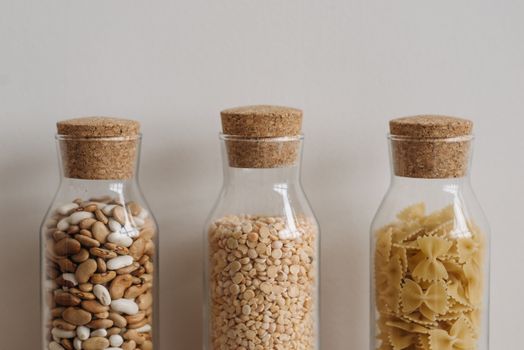 Photo: Pavel Danilyuk / Pexels
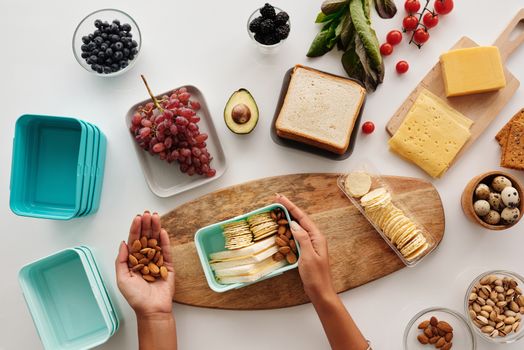 Photo: Vanessa Loring / Pexels
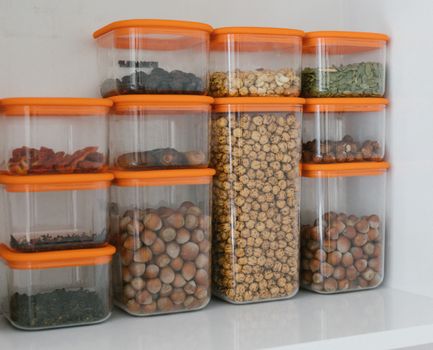 Photo: Meruyert Gonullu / Pexels