Mastering Meal Prep Ideas for Weight Loss
June 29, 2026 14 min read 2,792 words
Transform your health and achieve your weight loss goals with smart, sustainable meal prepping strategies.
Start Prepping Now
The Foundation: Understanding Effective Weight Loss Meal Prep
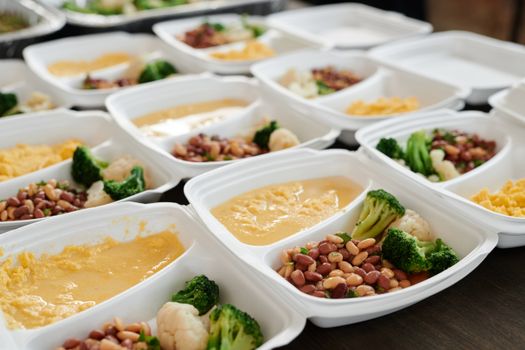 Photo: Julia M Cameron / Pexels
Embarking on a weight loss journey often feels like a daunting task, fraught with complex diets, restrictive eating, and the constant battle against cravings. However, one strategy consistently rises above the noise, offering a sustainable, flexible, and highly effective path to achieving your health goals: meal prepping. At its core, meal prepping for weight loss is about taking control of your nutrition by planning and preparing your meals and snacks in advance. It's not just about cooking a large batch of food; it's a strategic approach to eating that eliminates guesswork, reduces stress, and empowers you to make healthier choices consistently.
Why is meal prepping so potent for weight loss? Firstly, it provides unparalleled portion control. When you prepare your meals ahead of time, you can accurately measure ingredients and determine appropriate serving sizes, which is crucial for managing calorie intake. This eliminates the temptation to overeat or rely on oversized restaurant portions. Secondly, it fosters consistency. Weight loss is a marathon, not a sprint, and consistency in healthy eating is paramount. By having nutritious meals readily available, you're less likely to succumb to unhealthy fast food, takeout, or convenience snacks when hunger strikes or time is short. This proactive approach ensures you stay on track, even during your busiest days.
Beyond portion control and consistency, meal prepping cultivates awareness. The act of planning your meals forces you to consciously consider what you're putting into your body. You become more attuned to nutritional values, ingredient quality, and the balance of macronutrients (proteins, carbohydrates, and fats). This increased awareness often translates into better food choices overall, even outside of your prepped meals. Furthermore, meal prepping is a significant time-saver. Imagine coming home after a long day, tired and hungry, only to find a delicious, healthy meal waiting for you. No cooking, no extensive cleanup, just nourishment. This efficiency not only reduces daily stress but also frees up valuable time for other activities, like exercise or relaxation.
For those new to meal prepping, the initial thought might seem overwhelming. Visions of spending an entire Sunday in the kitchen might deter some. However, effective meal prepping doesn't require a culinary degree or endless hours. It's about smart strategies, efficient techniques, and a gradual approach. You can start small, perhaps by prepping just your lunches for the week, and then gradually expand as you gain confidence and efficiency. The key is to find a routine that fits your lifestyle and preferences, making it an enjoyable and sustainable habit rather than a chore. Understanding the 'why' behind meal prepping is the first step towards embracing this powerful tool for your weight loss journey. It's an investment in your health, your time, and your peace of mind.
Discover healthy snack ideas to complement your meal prep efforts and keep hunger at bay between meals.
Essential Strategies for Successful Weight Loss Meal Prep
To truly harness the power of meal prepping for weight loss, it's crucial to adopt several key strategies that streamline the process and maximize its effectiveness. The first strategy is smart planning. Before you even step into the kitchen, dedicate time to planning your meals for the entire week. This includes breakfast, lunch, dinner, and any snacks. Consider your calorie goals, macronutrient needs, and dietary restrictions or preferences. Utilize a meal planning template or app to help you organize. When planning, focus on variety to prevent palate fatigue and ensure you're getting a broad spectrum of nutrients. Don't be afraid to repeat elements (like a base grain or protein) across different meals, but vary the seasonings, vegetables, or sauces to keep things interesting.
Next, prioritize grocery shopping. Once your menu is finalized, create a detailed grocery list. Stick to this list diligently when you shop to avoid impulse purchases of unhealthy items. Focus on whole, unprocessed foods: lean proteins (chicken breast, fish, tofu, beans), complex carbohydrates (quinoa, brown rice, sweet potatoes, whole-grain pasta), healthy fats (avocado, nuts, seeds, olive oil), and an abundance of fresh fruits and vegetables. Buying in bulk for staples like grains and frozen vegetables can often save money and ensure you always have healthy options on hand. Consider shopping at farmers markets for fresh, seasonal produce, which can also inspire new meal ideas.
Efficient batch cooking is another cornerstone. Designate a specific time, often a Sunday, for your main cooking session. Instead of cooking each meal individually, think in terms of components. Cook a large batch of your chosen protein (e.g., roasted chicken, ground turkey, baked salmon). Prepare several servings of complex carbohydrates (e.g., a big pot of quinoa or brown rice). Wash, chop, and even lightly steam or roast a variety of vegetables. Having these components ready allows for quick assembly of different meals throughout the week. For example, roasted chicken can be used in a salad, a wrap, or as part of a stir-fry later in the week. This modular approach saves significant time and effort.
Finally, proper portioning and storage are non-negotiable for weight loss meal prep. Invest in high-quality, airtight meal prep containers, preferably glass for durability and ease of cleaning. Once your components are cooked and cooled, portion them into individual containers according to your planned serving sizes. This pre-portioned approach removes the temptation to guess or overeat. Label containers with the meal and date to ensure you consume them within their freshness window (typically 3-5 days in the refrigerator). For longer storage, many prepped meals or components can be frozen. Learning to properly store your food not only maintains its quality and safety but also reinforces the disciplined habits essential for sustained weight loss. These strategies, when consistently applied, transform meal prepping from a chore into a powerful ally in your journey towards a healthier, lighter you.
Delicious & Diverse Meal Prep Ideas for Weight Loss
The beauty of meal prepping for weight loss lies in its versatility. You don't have to eat bland, repetitive food to achieve your goals. In fact, incorporating delicious and diverse recipes is key to long-term adherence. Here are some fantastic meal prep ideas that are both satisfying and supportive of your weight loss efforts.
For breakfast, overnight oats are a perennial favorite. Combine rolled oats, your choice of milk (dairy or non-dairy), chia seeds for extra fiber and omega-3s, and a touch of sweetness like a mashed banana or a drizzle of maple syrup. You can customize them with berries, nuts, or a scoop of protein powder for added satiety. Another excellent option is breakfast egg muffins. Whisk eggs with chopped vegetables (spinach, bell peppers, onions), a sprinkle of low-fat cheese, and bake them in a muffin tin. These are perfect for a grab-and-go protein-packed start to your day. They can be stored in the fridge for up to 4 days and reheated in seconds.
Explore high-protein breakfast recipes to fuel your mornings effectively.
When it comes to lunches, salads can be incredibly satisfying if done right. Think beyond plain lettuce. Prepare large batches of roasted vegetables (broccoli, sweet potatoes, Brussels sprouts), grilled chicken or chickpeas, and a quinoa or farro base. Store these components separately and assemble your salad fresh each morning with a light, homemade vinaigrette. Mason jar salads are also fantastic: layer dressing at the bottom, followed by hard vegetables, grains, protein, softer vegetables, and greens on top. This keeps everything fresh and crisp. Another popular lunch idea is healthy grain bowls. Start with a base of brown rice, quinoa, or farro. Add a lean protein like baked salmon or shredded chicken, roasted vegetables, and a healthy sauce like a tahini dressing or a lemon-herb vinaigrette. These bowls are infinitely customizable and prevent lunch monotony.
For dinners, consider hearty stews, chilis, or sheet pan meals. A big pot of lentil soup or turkey chili can provide several days' worth of nutritious and filling dinners. These dishes often taste even better the next day as the flavors meld. Sheet pan meals are incredibly convenient: toss chicken or fish with your favorite vegetables (like bell peppers, zucchini, onions) and seasonings, then roast them all on one sheet pan. This minimizes cleanup and results in a flavorful, balanced meal. You can also prep ingredients for stir-fries: chop all your vegetables and protein ahead of time, then quickly cook them with a healthy sauce on the night you plan to eat them. Remember to focus on lean proteins, complex carbohydrates, and plenty of fiber-rich vegetables to keep you full and satisfied while supporting your weight loss goals. Experiment with different spices and herbs to keep your taste buds excited and prevent boredom, which is a common pitfall in any diet.
Common Mistakes and Smart Tips for Sustainable Meal Prep
While meal prepping is a powerful tool for weight loss, it's easy to fall into common traps that can derail your efforts. Being aware of these pitfalls and adopting smart tips can make your journey smoother and more sustainable. One of the most frequent mistakes is trying to do too much too soon. Don't attempt to prep every single meal and snack for seven days right from the start. This can lead to burnout and feeling overwhelmed. Instead, begin with prepping one meal (e.g., lunches) for a few days, then gradually expand as you get comfortable. Another common error is neglecting variety. Eating the same chicken and broccoli five days in a row can lead to palate fatigue and make you crave less healthy options. Combat this by varying your protein sources, vegetables, and seasonings throughout the week, or by using the component-based prepping method discussed earlier.
Over-portioning is another mistake that directly contradicts weight loss goals. Even healthy foods can contribute to weight gain if consumed in excess. Always measure your portions accurately, especially during the initial stages of your weight loss journey, until you develop a better intuitive understanding of appropriate serving sizes. Additionally, many people forget to account for snacks. Unplanned snacking can quickly add extra calories. Include healthy, pre-portioned snacks like fruit, nuts, Greek yogurt, or vegetable sticks with hummus in your meal prep plan to avoid reaching for unhealthy options when hunger strikes.
Here are some smart tips to ensure your meal prep success:
*
**Invest in Quality Containers:** Airtight, microwave-safe, and freezer-safe containers (preferably glass) are crucial for food safety and longevity. They also make reheating and transport easy.
*
**Master Basic Cooking Techniques:** Learn how to roast vegetables, grill chicken, and cook grains perfectly. These fundamental skills will make your meal prep faster and more enjoyable.
*
**Utilize Your Freezer:** Don't be afraid to freeze portions of soups, stews, chilis, or even cooked grains and proteins. This is excellent for extending the life of your prepped food and having backups.
*
**Theme Your Days:** Sometimes, having a theme (e.g., "Taco Tuesday" or "Pasta Sunday") can make planning easier and add fun to your week.
*
**Keep it Simple:** You don't need gourmet recipes. Focus on whole ingredients and simple cooking methods. Delicious doesn't have to mean complicated.
*
**Batch Cook Staples:** Dedicate time to cook large quantities of versatile ingredients like quinoa, brown rice, roasted sweet potatoes, and grilled chicken that can be mixed and matched.
*
**Don't Forget Hydration:** Plan to keep water bottles filled and accessible. Often, thirst is mistaken for hunger.
*
**Track Your Progress:** Use a food journal or app to track what you eat. This provides valuable insights and helps you stay accountable.
By avoiding these common mistakes and implementing these smart tips, your meal prep efforts will become a sustainable and enjoyable part of your weight loss strategy, leading to long-term success.