How to Store Fresh Produce Longer: The Ultimate Guide

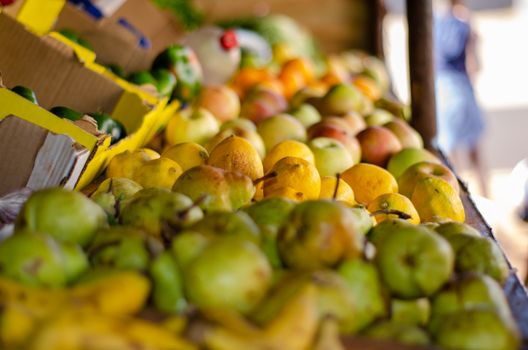
A vibrant display of fresh fruits at a local market stall with pears, apples, and lemons arranged.Photo: Steward Masweneng / Pexels

How to Store Fresh Produce Longer: The Ultimate Guide

Master the art of keeping your fruits and vegetables fresh for weeks, not days, and transform your kitchen habits.

Start Saving Food Now

Key Takeaways

  • ✓ Ethylene gas accelerates ripening; separate ethylene producers from sensitive produce.
  • ✓ Most herbs and leafy greens thrive with moisture, often in the refrigerator.
  • ✓ Root vegetables prefer cool, dark, and often dry conditions.
  • ✓ Never wash produce before storing it, as excess moisture encourages spoilage.

How It Works

1
Understand Your Produce

Different fruits and vegetables have unique storage needs. Learn which prefer cold, dry, or humid environments to optimize their lifespan.

2
Separate Ethylene Producers

Identify and segregate fruits and vegetables that release ethylene gas from those that are sensitive to it. This prevents premature ripening and spoilage.

3
Control Moisture Levels

Too much moisture leads to mold and rot, while too little causes wilting. Use appropriate containers, towels, or humidity settings to maintain ideal conditions.

4
Utilize Proper Storage Locations

Know what belongs in the refrigerator, on the counter, or in a cool, dark pantry. Strategic placement is key to extending freshness.

Understanding the Science Behind Produce Spoilage

Close-up of a hand holding a moldy, rotten apple against a wooden surface, capturing decay.Photo: Mizzu Cho / Pexels
The quest to keep fresh produce longer is a universal culinary challenge, driven by both the desire to reduce waste and to enjoy the peak flavor and nutritional value of our food. But what exactly causes fruits and vegetables to spoil, and how can we actively combat these natural processes? It all boils down to a fascinating interplay of biochemistry, environmental factors, and even microscopic life. At the heart of produce spoilage is respiration, the process by which fruits and vegetables convert stored sugars into energy, releasing carbon dioxide, water, and heat. This is a natural part of their life cycle, but it also signals their journey towards senescence, or aging. The rate of respiration varies significantly between different types of produce. For example, leafy greens and berries tend to have higher respiration rates, meaning they spoil more quickly than, say, a winter squash or a potato. Understanding this inherent metabolic activity is the first step in effective storage. Another critical factor is ethylene gas. Often referred to as the 'ripening hormone,' ethylene is naturally produced by many fruits and some vegetables. It acts as a signaling molecule, prompting other nearby produce to ripen faster. While essential for the natural ripening of fruits like apples, bananas, and tomatoes, it can be detrimental to ethylene-sensitive produce such as lettuce, broccoli, and cucumbers, causing them to yellow, soften, or spoil prematurely. Knowing which items are ethylene producers and which are ethylene-sensitive is paramount for proper segregation in your kitchen. Storing a ripe banana next to a head of lettuce is a recipe for rapid spoilage of the latter, an avoidable mistake once you understand the science. Furthermore, moisture plays a dual role in produce longevity. Too much moisture creates a breeding ground for bacteria and mold, leading to rot and sliminess. This is why washing produce before storage is generally discouraged, as residual water can accelerate decay. On the other hand, too little moisture can lead to dehydration, causing produce to wilt and lose its crispness. Think of carrots or celery that go limp in the fridge. The ideal storage environment strikes a delicate balance, providing enough humidity to prevent dehydration without promoting microbial growth. This often involves specific packaging techniques or utilizing the humidity controls in your refrigerator's crisper drawers. Optimizing your refrigerator's settings can make a huge difference here. Temperature is perhaps the most obvious environmental factor. Most produce benefits from cooler temperatures, which slow down respiration and microbial growth. However, not all produce belongs in the refrigerator. Certain fruits and vegetables, particularly those with tropical origins or those that continue to ripen after harvest, can suffer 'chilling injury' if stored in overly cold conditions. This can manifest as discoloration, pitting, or a loss of flavor and texture. Tomatoes, for example, lose their flavor and become mealy when refrigerated, while potatoes can convert their starches to sugars, resulting in a gritty texture and sweet taste. Understanding the optimal temperature range for each item is crucial. Light exposure can also impact certain produce. Potatoes, for instance, can turn green and develop a bitter taste due to solanine production when exposed to light. Similarly, onions can sprout faster. Therefore, cool, dark storage is often recommended for these items. Finally, the role of microorganisms – bacteria, yeasts, and molds – cannot be overstated. These opportunistic organisms thrive on decaying plant matter, accelerating the spoilage process. Maintaining clean storage environments, inspecting produce for damage, and ensuring proper airflow can all help to mitigate microbial contamination. By appreciating these underlying biological and environmental principles, you empower yourself to make informed decisions about how to store fresh produce longer, minimizing waste and maximizing enjoyment.

Mastering the Art of Refrigerator Storage for Peak Freshness

The refrigerator is a cornerstone of modern food preservation, but simply tossing all your produce into its cool confines isn't enough to guarantee longevity. Effective refrigerator storage involves understanding its zones, managing humidity, and knowing which items truly benefit from its chill. The average refrigerator maintains temperatures between 35°F and 40°F, which significantly slows down the metabolic processes of most fruits and vegetables, thereby extending their shelf life. However, different sections of your fridge offer varying microclimates, and utilizing them strategically is key. Crisper drawers are perhaps the most underutilized and misunderstood feature of the refrigerator. Most fridges have two: one designed for high humidity and one for low humidity. The high-humidity drawer, often labeled for 'vegetables,' is ideal for produce that wilts easily due to moisture loss. This includes leafy greens like lettuce, spinach, and kale, as well as carrots, celery, broccoli, and cucumbers. To further enhance their lifespan, store these items unwashed in perforated bags (to allow some airflow while retaining moisture) or wrapped in damp paper towels within the high-humidity drawer. The low-humidity drawer, typically for 'fruits,' is best for produce that emits ethylene gas and benefits from a bit more air circulation to prevent premature ripening or mold. Apples, pears, and bell peppers can go here. However, remember the golden rule of ethylene: if an apple (an ethylene producer) is in the 'fruit' drawer, it might still accelerate the ripening of other sensitive produce nearby, even within the same drawer if not properly separated. It's often best to store high-ethylene fruits in their own isolated space, or on the counter if they need to ripen further. Beyond the crisper drawers, other areas of the fridge have their roles. The top shelves tend to be slightly warmer and are good for items like berries (stored unwashed in their original containers or a single layer to prevent crushing and mold) or citrus fruits. The bottom shelves are usually the coldest, making them suitable for raw meats and dairy, but also for very sturdy vegetables like cabbage or cauliflower, which can handle the chill. The door, being the warmest and most temperature-fluctuating part of the fridge, is generally not ideal for sensitive produce. Condiments and drinks are better suited here. For produce that absolutely needs the fridge but isn't suited for a crisper, consider specialized storage solutions. For instance, asparagus benefits from being stored upright in a glass of water, much like a bouquet of flowers, then covered loosely with a plastic bag and placed in the fridge. Herbs like cilantro and parsley also thrive with this method. Properly cleaning your refrigerator regularly also prevents the buildup of bacteria and mold spores that can contaminate fresh produce. Always store produce unwashed until just before use to prevent excess moisture from encouraging microbial growth. If you must pre-wash, ensure it's thoroughly dried before refrigeration. By understanding these nuances of refrigerator storage, you can significantly extend the life of your produce, ensuring you always have fresh ingredients on hand and reducing unnecessary food waste.

Beyond the Fridge: Pantry, Countertop, and Specialized Storage Solutions

While the refrigerator is indispensable for many types of produce, not everything thrives in its cold, humid environment. A balanced approach to produce storage involves utilizing your pantry, countertop, and even specialized techniques to cater to the unique needs of different fruits and vegetables. Understanding these alternative storage methods is crucial for maximizing freshness and preventing chilling injury or premature ripening. Many staples, particularly root vegetables and alliums, prefer a cool, dark, and dry environment – precisely what a well-ventilated pantry or cupboard can offer. Potatoes, for example, should never be refrigerated, as the cold temperature converts their starch to sugar, leading to a gritty texture and sweet flavor when cooked. Instead, store them in a paper bag or a breathable basket in a dark, cool pantry, away from onions. Onions, similarly, prefer cool, dry, and dark conditions, but they should be stored separately from potatoes. Both release gases that can accelerate spoilage in the other. Garlic also falls into this category, benefiting from good air circulation in a dry, dark spot. Hard-skinned winter squash varieties like butternut, acorn, and spaghetti squash, as well as pumpkins, can last for months in a cool, dark pantry or basement, often improving in flavor as they age. They need ample airflow, so avoid stacking them or placing them in sealed containers. Sweet potatoes also prefer these conditions, though their shelf life is typically shorter than that of winter squash. Certain fruits and vegetables actually ripen best at room temperature on the countertop. Unripe avocados, bananas, and tomatoes are prime examples. Bananas, in particular, are prolific ethylene producers; storing them on the counter allows them to ripen naturally, and they should only be refrigerated once fully ripe if you wish to extend their life by a day or two (though their skin will blacken, the interior remains edible). Tomatoes lose their flavor and texture when refrigerated, so keep them on the counter away from direct sunlight until you're ready to eat them. Stone fruits like peaches, plums, and nectarines should also ripen on the counter, then can be moved to the fridge for a few extra days once ripe. Citrus fruits, while benefiting from refrigeration for extended periods, can often be kept on the counter for a week or two without significant loss of quality, especially if you plan to use them soon. This also makes them more accessible for daily use. Beyond traditional storage locations, specialized techniques can further extend produce life. For example, storing mushrooms in a paper bag (not plastic!) allows them to breathe and absorb excess moisture, preventing sliminess. Berries, notoriously delicate, should be washed just before eating; if you need to extend their life, a quick vinegar wash (1 part white vinegar to 3 parts water), followed by thorough drying, can inhibit mold growth. Herbs like basil, which are sensitive to cold, thrive when stored like a bouquet in a jar of water on the counter, loosely covered with a plastic bag. For items like ginger and turmeric, storing them in the freezer, unpeeled, is an excellent long-term solution. You can grate or slice them directly from frozen. By diversifying your storage strategies and respecting the individual needs of each piece of produce, you can dramatically reduce waste and enjoy fresh ingredients for much longer. These methods, combined with mindful shopping, are powerful tools in your culinary arsenal for how to store fresh produce longer.

Common Produce Storage Mistakes and How to Avoid Them

Even with the best intentions, it's easy to fall into common traps that shorten the life of your fresh produce. Avoiding these prevalent mistakes is just as important as implementing proper storage techniques if you want to truly master how to store fresh produce longer and minimize food waste. Here are some of the most frequent errors and how to correct them: * **Washing Produce Before Storage:** This is perhaps the most common mistake. Excess moisture is the primary catalyst for bacterial growth and mold. Always wash fruits and vegetables just before you're ready to consume them, not before storing. If you feel the need to pre-wash, ensure they are absolutely, thoroughly dry before placing them in storage. A salad spinner or patting dry with paper towels is essential. * **Storing Ethylene Producers with Ethylene-Sensitive Produce:** As discussed, ethylene gas is a ripening agent. Storing apples, bananas, and tomatoes (high ethylene producers) next to broccoli, lettuce, or carrots (ethylene-sensitive) will cause the latter to spoil rapidly. Learn which produce falls into each category and store them separately. A simple rule of thumb: if it ripens significantly after picking, it's likely an ethylene producer. * **Refrigerating Everything:** Not all produce belongs in the fridge. Tomatoes lose flavor and texture, potatoes convert starch to sugar, and tropical fruits like bananas and avocados suffer chilling injury. Know your produce's ideal temperature range. Items that need to ripen should stay on the counter until they've reached their peak, then some can be moved to the fridge to slow further ripening. * **Using Airtight Containers for Everything:** While some produce benefits from sealed containers to retain moisture, others need to breathe. Mushrooms, for example, will become slimy in an airtight bag; they prefer a paper bag. Leafy greens need some airflow to prevent condensation build-up, often benefiting from a paper towel inside a loosely sealed bag or container. * **Storing Onions and Potatoes Together:** A classic pairing in the kitchen, but a disastrous one for storage. Both prefer similar cool, dark, and dry conditions, but onions release gases that accelerate sprouting in potatoes, and potatoes emit moisture and gases that can cause onions to soften. Keep them in separate, well-ventilated areas. * **Ignoring Damaged or Overripe Produce:** One bad apple really can spoil the bunch. Damaged or overly ripe produce releases more ethylene gas and is more susceptible to mold, which can quickly spread to other items. Inspect your produce regularly and remove any compromised pieces immediately. Use overripe items for smoothies, sauces, or baking rather than letting them go to waste. * **Lack of Air Circulation:** Stacking produce too tightly or storing it in sealed, non-breathable bags can trap moisture and inhibit necessary airflow, leading to faster spoilage. Use breathable bags, baskets, or ensure items aren't packed too densely in crisper drawers. * **Improper Herb Storage:** Delicate herbs like basil, cilantro, and parsley have specific needs. Basil hates the cold and should be kept on the counter in water. Cilantro and parsley prefer the fridge, also in water, covered loosely. Dry herbs like rosemary and thyme can be wrapped in a damp paper towel and stored in a bag in the fridge. By being mindful of these common pitfalls, you can dramatically improve your produce's shelf life, save money, and enjoy fresher ingredients for longer.

Comparison

FeatureRefrigerator CrisperPantry/CountertopFreezingPickling/Canning
Shelf LifeDays to WeeksDays to Months (varies)Months to Year+Months to Year+
Best ForLeafy Greens, Carrots, BerriesPotatoes, Onions, BananasBerries, Blanched VeggiesCucumbers, Beans, Tomatoes
Initial PrepMinimalMinimalWashing, Chopping, BlanchingExtensive prep, Sterilization
Flavor/TextureMaintained (if optimal)Maintained (if optimal)Altered (good for cooking)Altered (distinct flavor)
Energy UseConstantNoneConstantNone (after process)

What Our Readers Say

5 ★★★★★

"Following these tips on how to store fresh produce longer has been a game-changer! My lettuce used to wilt in days, but now it stays crisp for over a week. I'm wasting so much less food."

5 ★★★★★

"The advice on separating ethylene producers completely transformed my fruit bowl. My avocados now ripen perfectly without spoiling the apples too fast. Simple, yet incredibly effective."

5 ★★★★★

"I used to throw out so many limp carrots and slimy spinach. Now, thanks to understanding crisper drawer humidity and proper washing techniques, my produce lasts twice as long, saving me about $30 a month on groceries."

4 ★★★★☆

"The guide is incredibly comprehensive. While some methods like the herb bouquet take a little extra effort, the results are noticeable. Still figuring out the perfect balance for my humid climate, but it's a huge improvement."

5 ★★★★★

"As someone who buys in bulk, knowing how to store fresh produce longer is essential. The pantry storage tips for potatoes and onions have been invaluable, keeping them fresh and sprout-free for much longer than before."

Frequently Asked Questions

What's the single most important rule for how to store fresh produce longer?
The most crucial rule is to understand that different produce has different needs. There isn't a one-size-fits-all solution. However, consistently separating ethylene-producing fruits from ethylene-sensitive vegetables, and avoiding washing produce until just before use, are fundamental practices that yield significant results in extending shelf life.
I always find mold on my berries quickly. How can I prevent this?
Berries are highly susceptible to mold due to their delicate skin and high moisture content. To prevent mold, store them unwashed in their original container or in a single layer in a breathable container in the refrigerator. Consider a quick vinegar wash (1 part white vinegar to 3 parts water) just before storage, followed by thorough drying, as vinegar can inhibit mold growth.
How do I store leafy greens like lettuce and spinach to keep them crisp?
For crisp leafy greens, wash them thoroughly, then dry them completely using a salad spinner or by patting them with paper towels. Wrap the dried greens in a fresh, damp paper towel and store them in an airtight container or a sealed bag in the refrigerator's high-humidity crisper drawer. The damp towel provides moisture without saturating the leaves.
Do I need special containers to store produce longer, or can I use what I have?
While specialized produce storage containers can be helpful, you can achieve excellent results with common kitchen items. Glass containers, breathable mesh bags, paper towels, and even plastic bags (used strategically with proper ventilation) are effective. The key is understanding the principles of moisture control and airflow, rather than relying solely on proprietary products.
Is freezing a good way to store all types of produce?
Freezing is an excellent long-term storage method for many fruits and vegetables, but not all. Most vegetables benefit from blanching (briefly boiling then chilling) before freezing to preserve color, texture, and nutrients. Fruits like berries can often be frozen directly. However, produce with high water content, like lettuce or cucumbers, will become mushy when thawed, making freezing unsuitable for them.
Who benefits most from learning how to store fresh produce longer?
Anyone who buys fresh fruits and vegetables can benefit immensely. This includes home cooks looking to reduce food waste, budget-conscious individuals aiming to save money on groceries, health-conscious eaters who prioritize fresh ingredients, and even meal preppers who need produce to last through the week. Essentially, anyone who wants to enjoy their food at its peak.
Are there any safety concerns with extending produce shelf life?
The primary safety concern is consuming spoiled produce, which can harbor harmful bacteria or mold. While extending shelf life, it's crucial to always inspect produce for signs of spoilage (odor, discoloration, sliminess, mold) before consumption. Proper storage techniques reduce the risk, but they don't eliminate the need for vigilance. When in doubt, throw it out.
What's the future trend in how to store fresh produce longer?
Future trends are likely to focus on smart storage solutions, such as refrigerators with advanced climate control zones and specialized produce preservation technologies. We'll also see more innovation in sustainable packaging materials that extend shelf life while reducing environmental impact, alongside a continued emphasis on educational resources for consumers to make informed storage choices.

Armed with this comprehensive guide, you now possess the knowledge and tools to master how to store fresh produce longer. Embrace these techniques to reduce waste, save money, and savor the vibrant flavors and nutritional benefits of your fruits and vegetables for days, even weeks, to come. Your kitchen, your wallet, and your taste buds will thank you.

Topics: how to store fresh produce longerfood preservation tipsreduce food wastefruit and vegetable storagekitchen organization
Leo List
Brampton weed
Adultwork