✓ Making pasta from scratch uses only a few basic ingredients.
✓ The secret to good pasta is proper hydration and kneading.
✓ Fresh pasta cooks significantly faster than dried pasta.
✓ You can freeze homemade pasta for later use.
How It Works
1
Gather Ingredients & Tools
Ensure you have high-quality flour, fresh eggs, and essential tools like a rolling pin or pasta machine. Preparation is key to a smooth process.
2
Form & Knead the Dough
Combine ingredients to form a shaggy dough, then knead diligently until it becomes smooth and elastic. This develops the gluten structure for perfect texture.
3
Rest & Roll
Allow the dough to rest, then roll it out thinly using a machine or by hand. This resting period helps relax the gluten, making it easier to roll.
4
Cut & Cook
Cut your rolled dough into desired pasta shapes and cook immediately in boiling salted water. Fresh pasta cooks quickly, often in just 2-4 minutes.
The Art of Pasta Dough from Scratch: Ingredients and Ratios
Photo: Marcelo Verfe / Pexels
Embarking on the journey of how to make homemade pasta begins with understanding the fundamental building blocks: your ingredients. While store-bought pasta offers convenience, the unparalleled flavor and texture of fresh, homemade pasta are truly a culinary revelation. The magic lies in a deceptively simple combination of flour, eggs, and sometimes a touch of water or olive oil. However, the quality and ratio of these elements are paramount to achieving that perfect al dente bite.
Let's start with flour. The most common choice for traditional Italian pasta is '00' flour, an extra-fine ground soft wheat flour with a lower protein content than all-purpose flour. This results in a silky, tender pasta that holds sauces beautifully. If '00' flour isn't readily available, all-purpose flour can certainly be used, though your pasta might be slightly chewier. Some recipes call for a blend of all-purpose and semolina flour. Semolina, made from durum wheat, adds a bit more structure and a pleasant chewiness, especially for shapes like orecchiette or cavatelli. Understanding these flour types is the first step in mastering the perfect pasta dough.
Next, eggs. Fresh, large eggs are essential. They provide not only the necessary liquid to bind the dough but also contribute to the richness, color, and structure of the pasta. The general rule of thumb for egg pasta is one large egg per 100 grams (about 3.5 ounces) of flour. This ratio provides a firm yet pliable dough that's easy to work with. Some variations might include a mix of whole eggs and egg yolks for an even richer pasta, or just egg yolks for a particularly luxurious dough, often used in ravioli or tagliatelle.
Water or olive oil are sometimes added sparingly to adjust the dough's consistency, especially if using a higher protein flour or if the eggs are on the smaller side. Olive oil can also add a subtle flavor and help with dough elasticity. However, for a classic egg pasta, eggs are usually sufficient for hydration.
Beyond these core ingredients, a pinch of salt is often incorporated to enhance flavor. It's important to remember that pasta dough is a living thing; it reacts to humidity, flour type, and even the size of your eggs. Don't be afraid to adjust slightly as you go, adding a tiny bit more flour if too sticky, or a few drops of water if too dry. The goal is a dough that is firm, smooth, and elastic, not sticky, and not crumbly. This foundational understanding of ingredients and their roles is crucial for anyone learning how to make homemade pasta, setting the stage for success before you even begin kneading.
Kneading and Resting: The Secret to Silky, Resilient Pasta
Photo: ricardo rojas / Pexels
Once your ingredients are assembled, the journey to how to make homemade pasta truly begins with the kneading process. This is perhaps the most crucial step in developing the characteristic texture of fresh pasta. Kneading serves two primary purposes: to evenly distribute the moisture throughout the dough and, more importantly, to develop the gluten. Gluten is the protein network that gives pasta its elasticity and strength, preventing it from tearing when rolled thin and ensuring it holds its shape during cooking. Without proper kneading, your pasta will be brittle and difficult to work with.
Traditionally, pasta dough is kneaded by hand on a clean, floured surface. Begin by gathering the shaggy mass of dough and pressing it down and away from you with the heel of your hand, then folding it back over itself. Rotate the dough slightly and repeat. This rhythmic action stretches and aligns the gluten strands. It takes time and effort, typically 10-15 minutes, but the transformation is remarkable. What starts as a rough, sticky ball gradually becomes smooth, supple, and elastic. You'll know it's ready when it springs back slowly when poked with a finger and has a uniform texture throughout. Some people prefer to use a stand mixer with a dough hook for this step, which can save time and effort, usually requiring 5-7 minutes of mixing on medium speed. While a stand mixer is convenient, the tactile experience of kneading by hand connects you more intimately with the dough and the traditional pasta-making process.
After vigorous kneading, the dough needs to rest. This resting period is as vital as the kneading itself. Wrapping the dough tightly in plastic wrap and letting it sit at room temperature for at least 30 minutes (or up to a couple of hours) allows the gluten to relax. Think of it like a muscle after a workout; it needs time to recover. A rested dough is significantly easier to roll out thinly, as the gluten won't fight against your efforts, making it less prone to snapping back or tearing. It also allows the flour to fully hydrate, resulting in a more uniform and tender pasta. Skipping the rest can lead to a tough, difficult-to-handle dough, undermining all your hard work. This resting phase is a non-negotiable step for achieving truly superior homemade pasta, setting you up for success in the subsequent rolling and shaping stages.
Rolling and Shaping: From Dough Ball to Delicious Pasta Forms
Photo: Natalia Olivera / Pexels
With a perfectly kneaded and rested dough in hand, you're now ready for the exciting stage of rolling and shaping – the culmination of your efforts on how to make homemade pasta. This is where your dough transforms from a simple ball into elegant ribbons or intricate shapes. Whether you choose a pasta machine or a rolling pin, the goal is to achieve a consistent, thin sheet of dough.
If using a pasta machine, divide your dough into manageable portions. Flatten one portion into a rough rectangle, dust lightly with flour, and pass it through the widest setting of your machine. Fold the dough in thirds, rotate it, and pass it through the widest setting again. Repeat this folding and passing 2-3 times; this helps to square off the edges and further refine the gluten structure. Then, without folding, gradually decrease the roller setting, passing the dough through each setting once or twice until you reach your desired thickness. For most fresh pasta, this is usually the second or third to last setting, creating a sheet thin enough to see your hand through. Ensure you dust lightly with flour between each pass to prevent sticking.
For those who prefer the traditional method of a rolling pin, this requires a bit more elbow grease and practice. On a lightly floured surface, begin rolling your dough from the center outwards, rotating it frequently to maintain an even thickness and prevent sticking. Keep rolling and stretching until the dough is thin and translucent. It's a meditative process that connects you to generations of pasta makers. The key is to work quickly and confidently, keeping the dough moving to avoid it drying out or sticking.
Once you have your thin sheets, it's time for shaping. For classic tagliatelle or fettuccine, lightly flour your sheet, then loosely roll it up from one end. Using a sharp knife, slice the roll into strips of your desired width. Unroll the strips and lay them on a lightly floured surface or a pasta drying rack. For other shapes like ravioli or tortellini, you’ll use cutters or specific folding techniques. Experimentation is part of the fun, and there are countless shapes to explore, each with its own charm and ideal sauce pairing. Remember that fresh pasta dries quickly, so work efficiently and keep any unrolled or uncut dough covered. This step is where your homemade pasta truly takes on its identity, ready for its final journey to the pot and your plate. Discovering the versatility of different pasta shapes can elevate your culinary skills.
Cooking and Storing Homemade Pasta: Tips for Perfection
Photo: Klaus Nielsen / Pexels
You've put in the effort to learn how to make homemade pasta, from mixing the dough to shaping it into beautiful forms. Now comes the satisfying reward: cooking and enjoying your culinary creation. Unlike dried pasta, fresh pasta cooks incredibly fast, often in just 2-4 minutes, sometimes even less for very thin varieties. Overcooking is the cardinal sin, turning your delicate strands into a gummy mess.
To cook, bring a large pot of water to a rolling boil and season it generously with salt. The water should taste like the sea; this is crucial for flavoring the pasta from within. Add your fresh pasta to the boiling water, stirring gently to prevent sticking. Since fresh pasta releases more starch than dried pasta, you might notice the water becoming cloudier. Cook until al dente – tender but with a slight bite. It's always best to taste a piece to check for doneness. As soon as it's ready, drain it quickly. Many chefs recommend reserving a cup of the starchy pasta water before draining, as it can be a magical ingredient to emulsify your sauce and help it cling to the pasta.
Once drained, immediately toss your hot pasta with your prepared sauce. The warmth of the pasta will help the sauce adhere, creating a harmonious dish. Avoid rinsing fresh pasta, as this washes away the starches that help the sauce cling.
For storage, if you're not cooking all your pasta immediately, you have a few options. Fresh pasta can be refrigerated, loosely covered, for 1-2 days. If you've made shapes like tagliatelle or fettuccine, you can coil them into small nests on a lightly floured baking sheet before refrigerating. For longer storage, freezing is an excellent option. Arrange the pasta on a floured baking sheet in a single layer and freeze until solid (about 30 minutes to an hour). Once frozen, transfer the pasta to airtight freezer bags or containers. This prevents the pasta from sticking together. Frozen fresh pasta can be stored for up to a month and can be cooked directly from frozen; just add an extra minute or two to the cooking time. Proper storage ensures that your hard work doesn't go to waste, allowing you to enjoy the fruits of your labor for days or weeks to come, making the effort of how to make homemade pasta even more worthwhile.
Comparison
Feature
Homemade Pasta (Egg-Based)
Homemade Pasta (Semolina/Water)
Store-Bought Dried Pasta
Store-Bought Fresh Pasta
Flavor Depth
Rich, nuanced, eggy
Earthy, wholesome, distinct
Mild, neutral
Good, but can vary
Texture
Tender, silky, delicate bite
Chewy, firm, rustic
Firm, consistent al dente
Soft, sometimes gummy
Cooking Time
2-4 minutes
4-7 minutes
8-12 minutes
3-5 minutes
Ingredients
Flour, eggs, salt
Semolina, water, salt
Durum wheat semolina, water
Flour, eggs, water, sometimes oil
Effort Level
High (kneading, rolling)
Medium (less finicky)
Low (boil water)
Low (boil water)
Cost
Low (basic ingredients)
Very Low
Low to Medium
Medium to High
Customization
✓ (shapes, flavors)
✓ (shapes)
✗
✗
Shelf Life (Uncooked)
2 days (fridge), 1 month (freezer)
2 days (fridge), 1 month (freezer)
2+ years (pantry)
2-3 weeks (fridge)
What Readers Say
★★★★★
"This guide completely demystified how to make homemade pasta for me! The detailed steps on kneading made all the difference, and my tagliatelle turned out perfect. I can't believe I waited this long to try it."
Sophia R. · Seattle, WA
★★★★★
"I used to think making pasta was too complicated, but this article broke it down so well. The tips on resting the dough were a game-changer. My family absolutely loved the fresh linguine I made last night."
Marcus L. · Austin, TX
★★★★★
"The information on ingredient ratios was spot-on. My pasta dough had the ideal consistency, and I managed to roll it thinner than ever before with my machine. This guide helped me achieve restaurant-quality pasta at home."
Elena P. · Boston, MA
★★★★★
"Very comprehensive! I particularly appreciated the comparison between different flours. While my first attempt wasn't perfect, the advice on not overworking the dough definitely improved my second batch. Still learning, but this is a great resource."
David K. · Denver, CO
★★★★★
"As an experienced home cook, I found the section on cooking and storing fresh pasta incredibly useful. The tip about freezing pasta nests has saved me so much time, allowing me to prep ahead for busy weeknights. This is an essential read for anyone wanting to make homemade pasta."
Isabella V. · Miami, FL
Frequently Asked Questions
What is the best flour to use for homemade pasta?
For the silkiest, most tender pasta, '00' flour is highly recommended due to its fine grind and lower protein content. However, all-purpose flour works well for a slightly chewier pasta, and a blend with semolina flour can add more structure and an earthy flavor, especially for hand-shaped varieties.
Is making homemade pasta difficult for beginners?
While it requires some practice and patience, making homemade pasta is surprisingly accessible for beginners. The key is to follow the steps carefully, particularly regarding dough hydration and kneading. Don't be discouraged if your first batch isn't perfect; every attempt builds skill and intuition.
How long does homemade pasta need to rest?
After kneading, homemade pasta dough should rest for at least 30 minutes at room temperature, wrapped tightly in plastic wrap. This allows the gluten to relax, making the dough much easier to roll out thinly without tearing or springing back. You can rest it for up to 2 hours.
Is it cheaper to make pasta at home than to buy it?
Generally, yes. The primary ingredients for homemade pasta (flour, eggs, salt) are inexpensive, making it significantly more cost-effective than purchasing high-quality fresh or even many dried store-bought options. The main 'cost' is your time and effort, which many find to be a rewarding investment.
What's the difference between pasta made with eggs and pasta made with water?
Egg pasta (pasta all'uovo) is richer, more tender, and has a delicate, silky texture, often used for flat noodles like tagliatelle or filled pastas. Water-based pasta (pasta di semola) is typically made with semolina flour and water, resulting in a firmer, chewier, more rustic texture, common in Southern Italy for shapes like orecchiette or cavatelli.
Who should try making homemade pasta?
Anyone who appreciates fresh, high-quality food, enjoys cooking as a creative outlet, or wants to impress guests with a truly special meal should try making homemade pasta. It's also a fantastic activity for families and a rewarding way to connect with culinary traditions.
What are the common pitfalls to avoid when making pasta?
Common pitfalls include adding too much flour (resulting in dry, crumbly dough), not kneading enough (leading to weak, brittle pasta), skipping the rest (making dough hard to roll), and overcooking (resulting in mushy pasta). Paying attention to dough consistency and cooking times is crucial.
Can I make flavored pasta at home?
Absolutely! Homemade pasta is perfect for experimentation. You can easily incorporate flavors by adding pureed vegetables like spinach or beets for colored pasta, or herbs and spices to the dough. This opens up a world of creative possibilities for unique and delicious dishes.
Now that you're armed with the knowledge and confidence, it's time to roll up your sleeves and discover the immense satisfaction of how to make homemade pasta. Embrace the process, savor the flavors, and transform simple ingredients into extraordinary meals. Your kitchen (and your taste buds) will thank you!
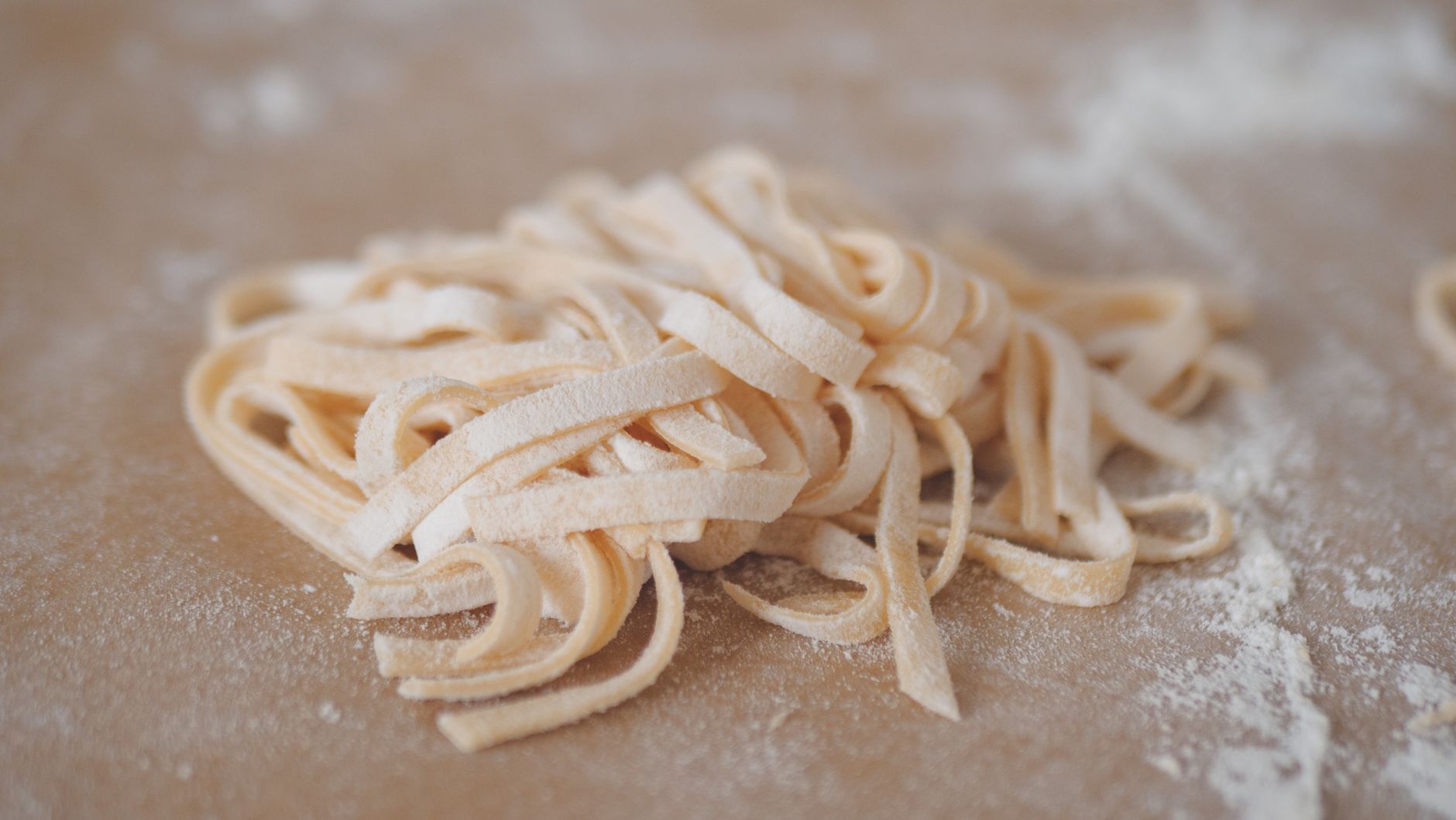
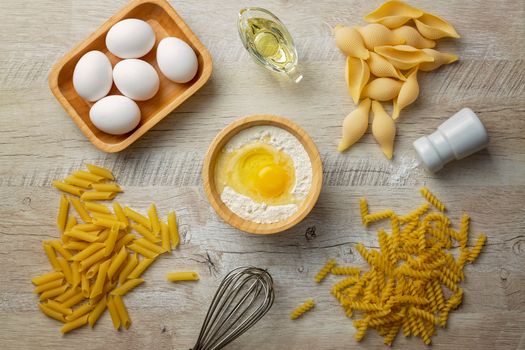 Photo: Marcelo Verfe / Pexels
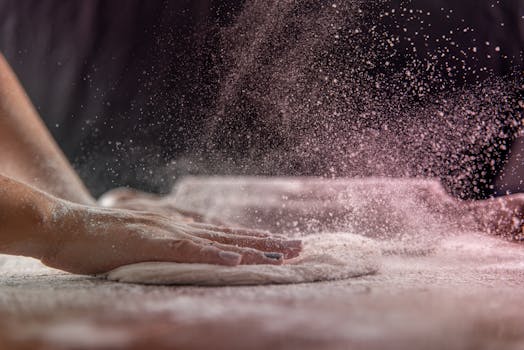 Photo: ricardo rojas / Pexels
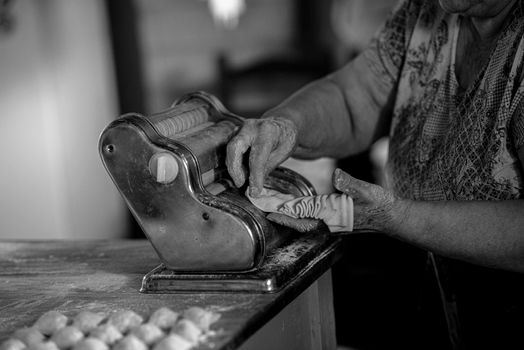 Photo: Natalia Olivera / Pexels
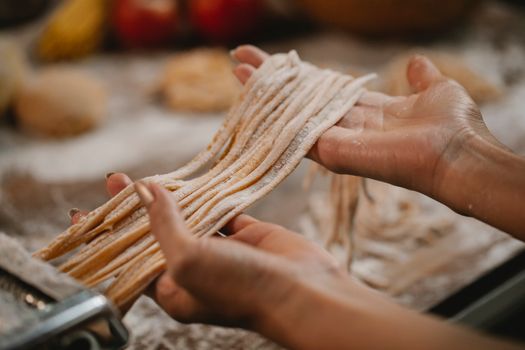 Photo: Klaus Nielsen / Pexels