✓ Using quality, ripe tomatoes is the most crucial step for superior flavor.
✓ Slow simmering develops deep, complex flavors in your sauce.
✓ Fresh herbs, like basil and oregano, significantly enhance the taste.
✓ Homemade sauce avoids artificial additives and excess sugar found in store-bought versions.
How It Works
1
Gather Your Ingredients
Select the freshest, ripest tomatoes, aromatic garlic, sweet onions, and high-quality olive oil. Ensure you have fresh herbs like basil and oregano for optimal flavor.
2
Prepare and Sauté
Chop your aromatics and sauté them gently in olive oil until softened and fragrant. This foundational step builds the base layer of flavor for your sauce.
3
Simmer to Perfection
Combine your prepared tomatoes with the sautéed aromatics and allow the sauce to simmer low and slow. This extended cooking time melds flavors and thickens the sauce naturally.
4
Finish and Season
Adjust seasoning with salt, pepper, and a pinch of sugar if needed to balance acidity. Stir in fresh herbs just before serving to preserve their vibrant taste and aroma.
The Foundation: Selecting the Best Tomatoes for Your Sauce
Photo: tom analogicus / Pexels
The heart and soul of any truly exceptional homemade pasta sauce from scratch lies unequivocally in the quality of its tomatoes. This isn't merely a suggestion; it's a culinary commandment. The choice between fresh and canned, and subsequently, the specific variety within those categories, will dramatically dictate the flavor profile, texture, and overall success of your sauce. Let's delve into the nuances of tomato selection to ensure your sauce sings with authentic Italian flavor.
When fresh tomatoes are in season, typically during the peak summer months, there's nothing quite like their vibrant, sun-ripened sweetness. For cooking, look for varieties known for their high flesh-to-seed ratio and robust flavor. Roma tomatoes, also known as plum tomatoes, are a classic choice. Their relatively low water content, meaty texture, and balanced sweetness make them ideal for sauces. San Marzano tomatoes, though often pricier and sometimes harder to find fresh outside of specialty markets, are the gold standard for Italian sauces. They are renowned for their sweet flavor, low acidity, and thick walls. Other good fresh options include beefsteak tomatoes, though you might need to deseed them more thoroughly, and even cherry or grape tomatoes for a lighter, sweeter sauce with less effort in chopping.
However, let's be realistic: peak season for fresh tomatoes is fleeting. For the majority of the year, high-quality canned tomatoes are not just an acceptable alternative, but often a superior choice to out-of-season fresh tomatoes. Canned tomatoes are picked at their prime ripeness and processed immediately, locking in their flavor. Again, San Marzano tomatoes, specifically those labeled 'D.O.P.' (Denominazione d'Origine Protetta) from Italy, are highly recommended. These are grown in the volcanic soil around Mount Vesuvius and boast a unique balance of sweetness and acidity. If D.O.P. San Marzanos are out of budget or unavailable, look for whole peeled plum tomatoes from reputable brands. Avoid crushed or diced tomatoes if you can, as they often contain calcium chloride to help them retain their shape, which can prevent them from breaking down properly into a smooth sauce. Whole peeled tomatoes give you more control over the final texture, allowing you to crush them by hand or blend them to your desired consistency.
Beyond the variety, consider the ripeness. Fresh tomatoes should be firm but yield slightly to gentle pressure, with a rich, uniform color and a fragrant aroma. Avoid any with blemishes, soft spots, or a pale, unripe appearance. For canned tomatoes, read the labels carefully. 'Ingredients: Tomatoes' is the best sign; avoid cans with added sugars, citric acid (unless it's a very small amount for preservation), or other fillers. The quality of your primary ingredient sets the stage for everything else. Take the time to choose wisely, and your homemade pasta sauce will thank you. Understanding the nuances of different tomato types can also inform other culinary creations; for instance, learning about how to make bruschetta often involves similar considerations for fresh, ripe tomatoes. This foundational knowledge is key to truly mastering how to make homemade pasta sauce from scratch.
The Art of Aromatics: Building Layers of Flavor in Your Sauce
Photo: Manuel Mouzo / Pexels
Once your star ingredient – the tomato – is selected, the next critical step in mastering how to make homemade pasta sauce from scratch involves the careful cultivation of aromatics. These humble ingredients, when properly prepared, lay down the foundational flavor profile that elevates a simple tomato base into a rich, complex, and memorable sauce. Think of them as the supporting cast that allows your leading lady, the tomato, to truly shine.
Garlic and onion are the undisputed champions of Italian sauce aromatics. The key is in their preparation and the gentle sautéing process. Begin with a high-quality extra virgin olive oil. The quantity matters here; don't be shy, as olive oil not only facilitates the cooking of the aromatics but also contributes its own fruity, peppery notes to the sauce. Heat the olive oil over medium-low heat in a heavy-bottomed pot or Dutch oven. The low heat is crucial – we want to soften and sweeten the aromatics, not brown or burn them, which can introduce bitterness.
For onions, finely dicing them is generally preferred, as it allows them to melt into the sauce, becoming almost imperceptible in texture but leaving behind their profound sweetness. Yellow or white onions are common choices, but a sweet onion can also lend a lovely, mellow flavor. Sauté them slowly until they are translucent and very soft, which can take anywhere from 8 to 15 minutes. This patience is rewarded with a depth of flavor that quick-sautéing simply cannot achieve.
Garlic should be minced or thinly sliced. Add it to the pot after the onions have softened for a few minutes, as garlic cooks faster and can burn easily. Cook the garlic for just 1-2 minutes until fragrant; again, avoid browning. Burnt garlic is acrid and will ruin the delicate balance of your sauce. Some recipes also call for a touch of red pepper flakes at this stage, especially if you desire a sauce with a subtle kick. Add them with the garlic and let them infuse the oil with their warmth.
Beyond the classic duo, other aromatics can be introduced for variations. A finely diced carrot can add an extra layer of sweetness and depth, often used in a 'soffritto' base. Celery is another common addition to a soffritto, contributing an earthy, savory note. If you're feeling adventurous, a splash of dry red wine or even a good quality balsamic vinegar can be deglazed into the pan after the aromatics are cooked, adding another layer of complexity. Allow it to reduce completely before adding your tomatoes. This step, while seemingly minor, is where the initial character of your sauce is truly formed, setting the stage for the rich, multi-layered experience that defines a truly exceptional homemade pasta sauce from scratch.
Simmering Secrets: Achieving Depth and Richness in Your Sauce
Photo: Nanda Mends / Pexels
The simmer is arguably the most transformative stage in the journey of how to make homemade pasta sauce from scratch. It’s not just about cooking the ingredients; it’s about allowing time and gentle heat to work their magic, melding disparate flavors into a harmonious, rich, and deeply satisfying whole. Rushing this process is a common pitfall that often leads to a sauce that tastes thin, raw, or simply underdeveloped.
Once your aromatics are beautifully softened and fragrant, and you've added your chosen tomatoes (crushed by hand if whole, or gently pulsed in a food processor if you prefer a smoother consistency), it's time to introduce other flavor enhancers and begin the simmer. A bay leaf or two can add a subtle, earthy undertone that many find essential. A sprig of fresh thyme or oregano can also be added at this stage, though fresh basil is typically reserved for the very end to preserve its bright flavor.
Seasoning is critical throughout the simmering process. Start with a good pinch of salt and freshly ground black pepper. Remember, you can always add more, but you can’t take it away. A small pinch of sugar (¼ to ½ teaspoon per can of tomatoes, or to taste) is often recommended, not to make the sauce sweet, but to balance the acidity of the tomatoes, especially if they are particularly tart. Taste as you go, and adjust as needed.
Bring the sauce to a gentle boil, then immediately reduce the heat to the lowest setting possible, so it maintains a bare, barely perceptible simmer. The surface of the sauce should just barely bubble, with an occasional pop. Cover the pot partially, leaving a small gap for steam to escape. This allows the sauce to thicken gradually while preventing it from reducing too quickly or becoming too dry. The goal is to evaporate excess water, concentrate the tomato flavor, and allow the various ingredients to infuse into one another.
How long should you simmer? This is where patience truly pays off. A minimum of 45 minutes to an hour is usually required for flavors to develop. However, many traditional recipes call for simmering for 2 to 3 hours, or even longer on a very low heat. The longer it simmers, the deeper and more complex the flavor will become. Stir occasionally, especially if the sauce is thick, to prevent sticking to the bottom of the pot. If the sauce becomes too thick, you can add a splash of water, vegetable broth, or even a little pasta cooking water to achieve your desired consistency. This extended, gentle cooking is what transforms simple ingredients into an extraordinary homemade pasta sauce, creating a depth of flavor that is unparalleled. For another excellent dish where slow cooking is key, consider learning how to make beef stew, which shares similar principles of flavor development through extended simmering.
Finishing Touches and Common Mistakes to Avoid for Perfect Pasta Sauce
Photo: Lgh_9 / Pexels
Bringing your homemade pasta sauce from scratch to its glorious conclusion involves a few critical finishing touches and, just as importantly, understanding common pitfalls to steer clear of. These final steps are what elevate a good sauce to a truly unforgettable one, ensuring balance, vibrancy, and a professional-level finish.
**Finishing Touches:**
* **Fresh Herbs are Key:** While some dried herbs like oregano can go in during the simmer, fresh basil is almost always added at the very end. Tearing or roughly chopping fresh basil just before serving preserves its delicate, sweet aroma and vibrant green color, which would be lost if cooked for too long. Stir it in right before you toss the sauce with pasta or serve.
* **A Touch of Butter or Cream (Optional):** For a richer, silkier sauce, a knob of unsalted butter or a splash of heavy cream can be stirred in at the very end. This adds a luxurious mouthfeel and can mellow any lingering acidity. It's not traditional for all Italian red sauces, but it's a popular restaurant trick for a reason.
* **Parmesan Rind:** If you have a leftover Parmesan rind, consider adding it to the simmering sauce for the last hour. It imparts an incredible umami depth and richness that is hard to replicate otherwise. Just remember to remove it before serving.
* **Pasta Water:** Always reserve a cup or two of the starchy pasta cooking water. When you combine the cooked pasta with the sauce, adding a splash of this water helps emulsify the sauce, creating a glossy, cohesive coating that clings beautifully to the pasta. It also helps to thin the sauce to the perfect consistency if it's too thick.
* **Final Seasoning Adjustment:** Taste your sauce one last time just before serving. Does it need more salt? A bit more pepper? A tiny pinch more sugar to balance acidity? This is your last chance to perfect the flavor profile.
**Common Mistakes to Avoid:**
* **Burning Aromatics:** Overcooking garlic or onions will introduce a bitter, unpleasant flavor that permeates the entire sauce. Cook them slowly and gently until translucent, not browned.
* **Rushing the Simmer:** As discussed, time is your friend. A quick simmer results in a thin, underdeveloped sauce. Give it at least an hour, preferably longer, for flavors to truly meld and deepen.
* **Too Much Water:** While you want some reduction, adding too much water or not allowing enough steam to escape can result in a watery, bland sauce. If using very watery fresh tomatoes, you might need a longer simmer to reduce it down.
* **Adding Fresh Herbs Too Early:** Cooking fresh basil for an extended period will diminish its vibrant flavor and turn it dark. Add it in the last few minutes or as a garnish.
* **Ignoring Seasoning:** Don't be afraid to taste and adjust! A bland sauce is often just an under-seasoned sauce. Salt, pepper, and a touch of sugar can make all the difference.
* **Using Low-Quality Ingredients:** The adage 'garbage in, garbage out' applies acutely here. Subpar tomatoes, stale herbs, or cheap olive oil will result in a mediocre sauce, no matter how perfectly you follow the steps. Invest in good quality ingredients to truly master how to make homemade pasta sauce from scratch.
* **Forgetting to Scrape the Bottom:** During simmering, especially with thicker sauces, stir occasionally and scrape the bottom to prevent sticking and burning. This ensures an even cook and prevents scorched flavors. Following these guidelines will ensure your homemade pasta sauce is consistently delicious and a true testament to your culinary prowess.
Comparison
Feature
Homemade Sauce
Premium Jarred Sauce
Budget Jarred Sauce
Flavor Depth
Exceptional, complex
Very good, consistent
Basic, often one-dimensional
Ingredient Control
100% control
Good, natural ingredients
Limited, often includes additives
Freshness
Peak freshness (if seasonal)
Good, preserved
Lower, often processed
Cost per Serving
Moderate
High
Low
Time Investment
Significant
Minimal
Minimal
Customization
✓
✗
✗
Artificial Additives
✗
Generally ✗
✓
What Readers Say
★★★★★
"I used to buy expensive jarred sauces, but this guide on how to make homemade pasta sauce from scratch changed everything. The flavor is so much richer and fresher, and my family can't get enough of it. It's surprisingly easy too!"
Maria G. · Naperville, IL
★★★★★
"Following these steps for how to make homemade pasta sauce from scratch resulted in the best sauce I've ever made. The advice on simmering time and fresh herbs truly made a difference. It tastes just like my grandmother's!"
Tom H. · Austin, TX
★★★★★
"I was intimidated by making sauce from scratch, but this article on how to make homemade pasta sauce from scratch broke it down perfectly. My first attempt yielded a sauce so delicious, I immediately made a double batch to freeze."
Sarah P. · Seattle, WA
★★★★★
"The tips on tomato selection were incredibly helpful, and my sauce definitely benefited from the longer simmer. It takes a bit of time, but the payoff in flavor for how to make homemade pasta sauce from scratch is undeniable. I just wish I'd started sooner!"
David L. · Boston, MA
★★★★★
"As a busy parent, I appreciate how this guide on how to make homemade pasta sauce from scratch emphasizes quality ingredients without making it overly complicated. It's become a Sunday ritual, and freezing portions makes weeknight dinners a breeze."
Emily R. · Denver, CO
Frequently Asked Questions
What are the best tomatoes to use for homemade pasta sauce?
For peak flavor, use ripe, in-season fresh Roma or San Marzano tomatoes. Outside of peak season, high-quality canned whole peeled San Marzano D.O.P. tomatoes are often superior, as they are picked and processed at their prime ripeness, offering consistent sweetness and low acidity.
Is it really worth the effort to make pasta sauce from scratch?
Absolutely. While it requires more time, making pasta sauce from scratch offers unparalleled flavor depth, freshness, and control over ingredients. You can avoid artificial additives, adjust seasoning to your preference, and achieve a richness that store-bought sauces often lack, making it a truly rewarding culinary experience.
How do I thicken my homemade pasta sauce if it's too watery?
The most natural way to thicken your sauce is to simply continue simmering it uncovered over low heat. This allows excess water to evaporate, concentrating the flavors. You can also add a tablespoon of tomato paste, which acts as a natural thickener and adds richness, or mash some of the tomatoes against the side of the pot.
Does making homemade pasta sauce save money compared to buying jarred?
It can. While premium jarred sauces can be quite expensive, the cost of quality ingredients for homemade sauce (tomatoes, onions, garlic, olive oil, herbs) is often comparable or even less, especially if you buy in bulk or when ingredients are in season. The real value comes from the superior taste and health benefits.
What's the difference between marinara sauce and a classic red pasta sauce?
Marinara is typically a simpler, quicker sauce, often uncooked or cooked briefly, with a focus on fresh tomatoes, garlic, and basil. A classic red pasta sauce (like the one detailed here) usually involves a longer simmering time, a more complex aromatic base (onions, carrots, celery), and a deeper, richer flavor profile, often designed to cling better to pasta.
Who should try making homemade pasta sauce from scratch?
Anyone who loves authentic Italian flavors, enjoys cooking, wants to control the quality of their ingredients, or seeks to elevate their everyday meals should try making homemade pasta sauce. It's also a fantastic project for those looking to expand their culinary skills and impress dinner guests.
Are there any safety concerns when making large batches of homemade sauce?
Yes, proper handling and storage are crucial. If making large batches for canning, follow tested USDA-approved canning recipes and procedures to prevent botulism. For freezing, cool the sauce completely before transferring it to airtight containers or freezer bags, and consume within 3-6 months for best quality.
What are the emerging trends in homemade pasta sauce?
Current trends include incorporating unexpected vegetables for added nutrition (e.g., roasted bell peppers, zucchini), experimenting with different types of chilies for varied heat profiles, and exploring slow-cooker or Instant Pot methods for hands-off simmering. There's also a growing interest in regional Italian variations beyond the ubiquitous red sauce.
Ready to transform your pasta nights? By following this comprehensive guide on how to make homemade pasta sauce from scratch, you'll unlock a world of rich, authentic flavors. Gather your ingredients, embrace the process, and prepare to savor the unparalleled taste of a truly homemade masterpiece.
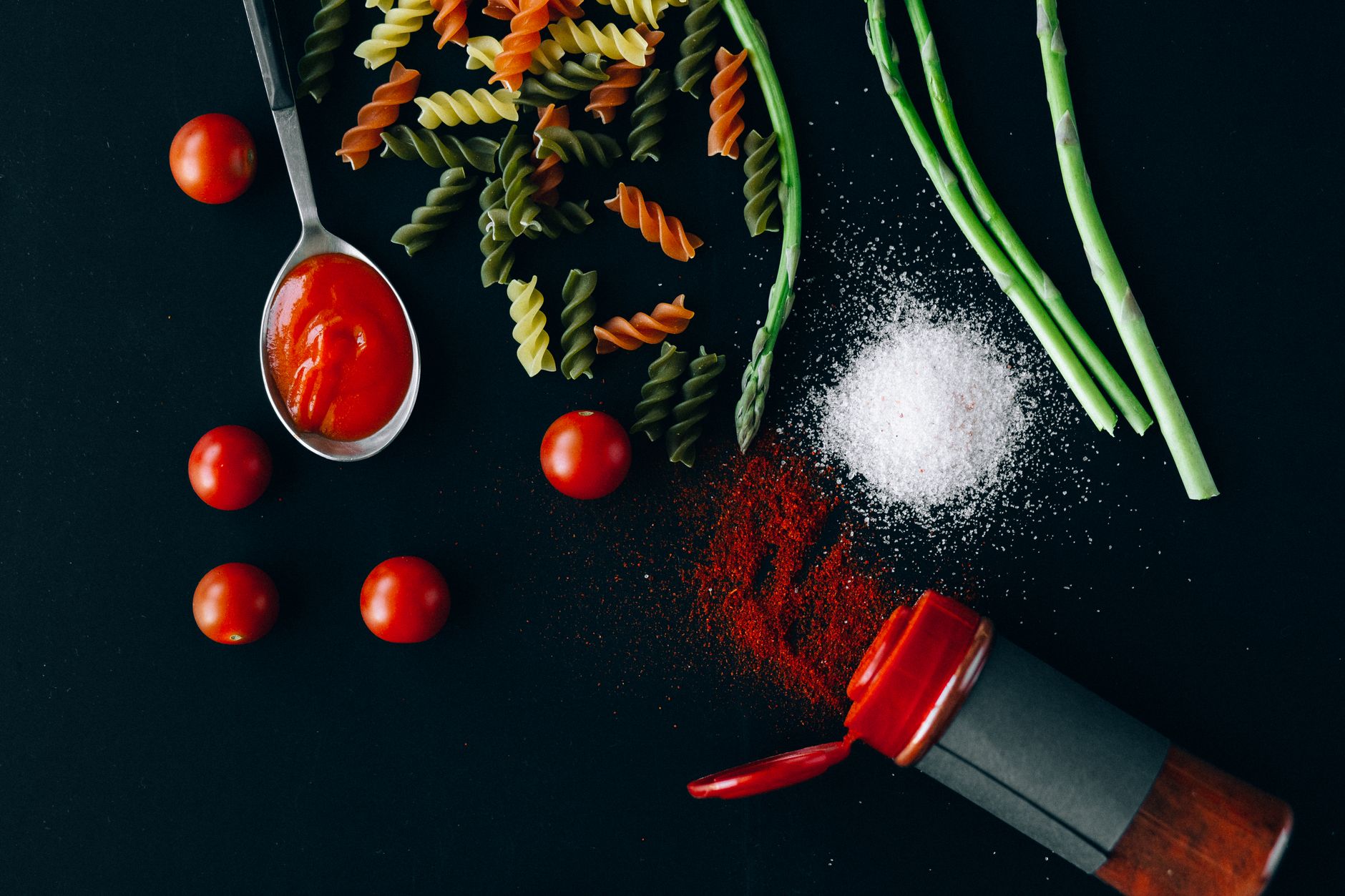
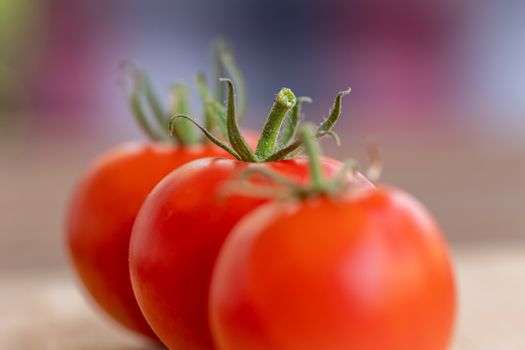 Photo: tom analogicus / Pexels
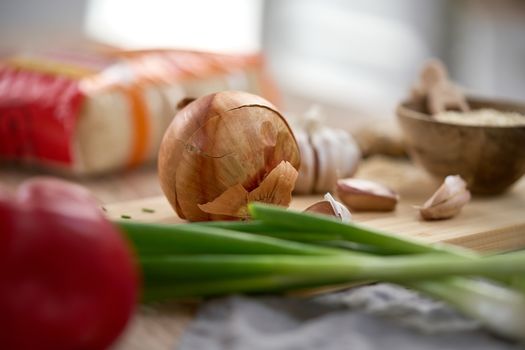 Photo: Manuel Mouzo / Pexels
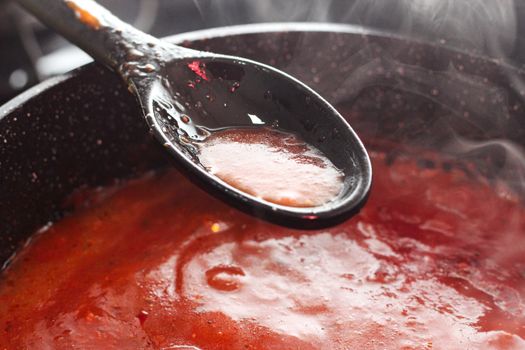 Photo: Nanda Mends / Pexels
 Photo: Lgh_9 / Pexels