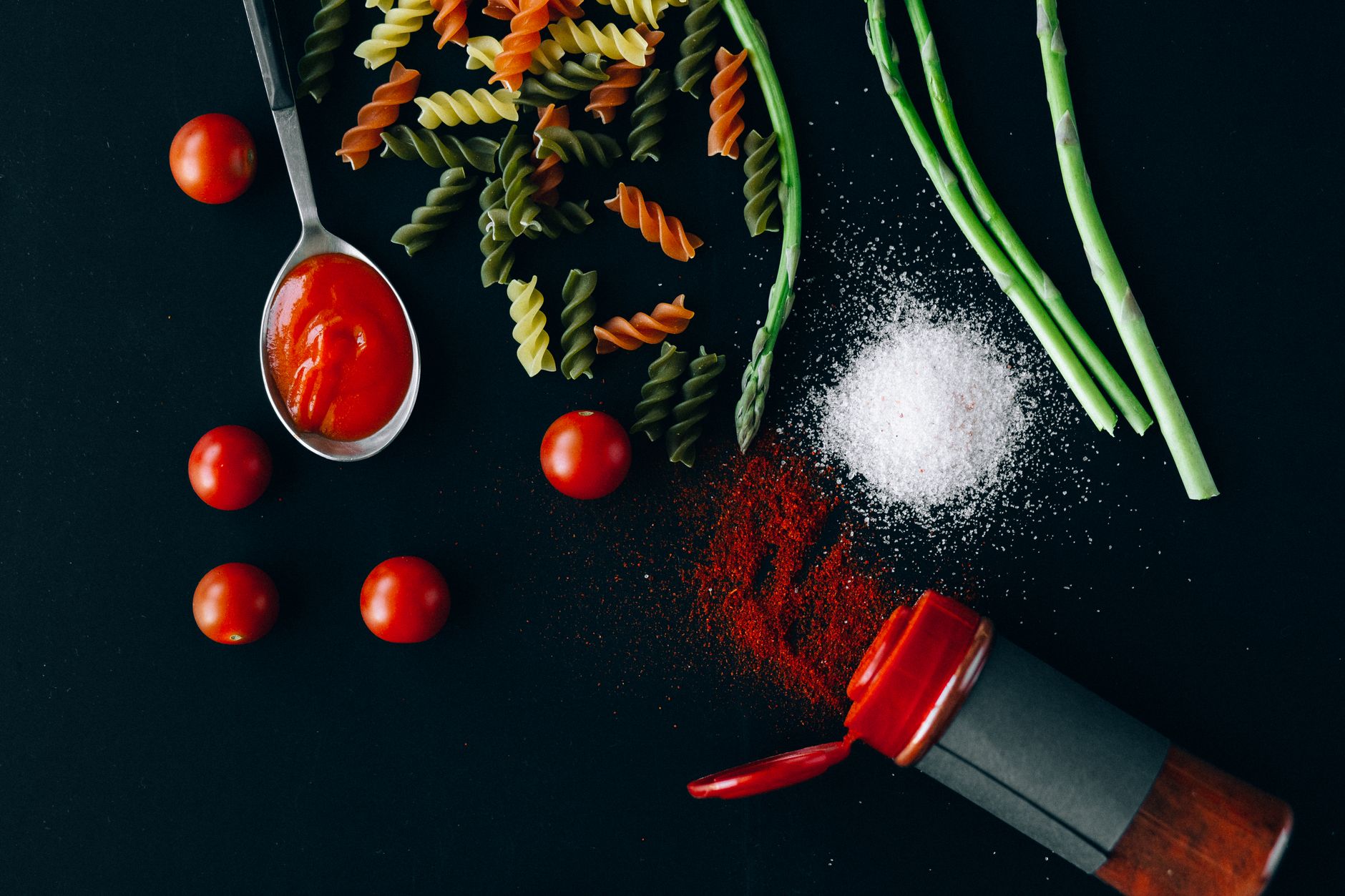
How to Make Homemade Pasta Sauce: Your Ultimate Guide
how to make homemade pasta sauce

How to Make Homemade Pasta Sauce: Your Ultimate Guide

Tasty penne pasta in a rich tomato sauce, topped with parmesan cheese.Photo: nikki awal / Pexels

How to Make Homemade Pasta Sauce: Your Ultimate Guide

Unlock the secrets to crafting rich, flavorful, and incredibly satisfying pasta sauces right in your own kitchen.

Start Cooking Now!

Key Takeaways

  • ✓ Homemade pasta sauce offers superior flavor and control over ingredients compared to store-bought varieties.
  • ✓ A foundational tomato sauce can be adapted into countless variations, from creamy to spicy.
  • ✓ The quality of your ingredients, especially tomatoes, directly impacts the sauce's final taste.
  • ✓ Making sauce ahead of time allows flavors to meld and can save significant time on busy weeknights.

How It Works

1
Gather Your Ingredients

Select high-quality, fresh produce like ripe tomatoes, aromatic garlic, and fresh herbs. The foundation of any great sauce lies in its raw components.

2
Prepare and Sauté Aromatics

Finely chop onions and garlic, then gently sauté them in olive oil until translucent and fragrant. This step builds the crucial flavor base for your sauce.

3
Simmer to Perfection

Add crushed tomatoes, herbs, and seasonings, then allow the sauce to simmer slowly. This process concentrates flavors and achieves a rich, desirable consistency.

4
Season and Adjust

Taste your simmering sauce and adjust seasonings as needed, adding salt, pepper, or a pinch of sugar. Finish with fresh basil or a drizzle of olive oil for an extra touch of freshness.

The Foundation: Mastering Classic Tomato Pasta Sauce

Top view of Italian spaghetti with fresh tomato sauce and basil, perfect for Italian cuisine lovers.Photo: Luisa Bastidas / Pexels
There’s an undeniable magic in a truly great homemade pasta sauce, a richness and depth of flavor that simply can’t be replicated by a jarred alternative. At the heart of most beloved pasta dishes lies a classic tomato sauce, a culinary bedrock that, once mastered, opens up a world of possibilities. To successfully make homemade pasta sauce, understanding the nuances of its foundational elements is crucial. Our journey begins with the tomatoes themselves. For an authentic, deeply flavored sauce, many chefs and home cooks swear by San Marzano tomatoes, either canned whole or crushed. These Italian plum tomatoes are prized for their balanced sweetness, low acidity, and fewer seeds, making them ideal for sauce-making. However, if San Marzanos aren't readily available, high-quality canned crushed tomatoes (look for brands that list only tomatoes and salt as ingredients) or even fresh, ripe Roma tomatoes in season can yield excellent results. When using fresh tomatoes, blanching and peeling them first will provide a smoother sauce texture, though leaving the skins on for a rustic feel is also a valid choice. The aromatic base is the next critical component. This typically involves a combination of onion and garlic, gently sautéed in good quality extra virgin olive oil. The goal here isn't to brown them quickly, but to soften them slowly until they become translucent and incredibly fragrant, releasing their essential oils and sweet notes. This slow sauté is what builds the foundational layer of flavor, often referred to as the 'soffritto' in Italian cooking. Some recipes might also include finely diced carrots or celery in this aromatic base for added sweetness and complexity, especially in a traditional Bolognese or ragu. Once your aromatics are perfectly tender, it's time to introduce the tomatoes. Pour in your chosen tomatoes, crushing whole canned ones with your hands or a potato masher directly in the pot. Add a pinch of sugar if your tomatoes are particularly acidic – this isn't to make the sauce sweet, but to balance the acidity and enhance the natural tomato flavor. Don't forget a generous sprinkle of salt and freshly ground black pepper. Now comes the most important part: the simmer. A good tomato sauce needs time. A slow, gentle simmer for at least 30 minutes, but ideally an hour or more, allows the flavors to meld, deepen, and concentrate. The sauce should be bubbling gently, not boiling vigorously, and stirred occasionally to prevent sticking. This long, slow cook transforms disparate ingredients into a harmonious, rich, and comforting sauce, ready to embrace your favorite pasta. For more tips on ingredient selection, check out our guide on choosing the best produce. Throughout this simmering process, taste and adjust. This is your sauce, and your palate is the ultimate guide. Does it need more salt? A little more pepper? Perhaps a dash of dried oregano or a bay leaf for an extra layer of herbal complexity? The beauty of homemade sauce is this adaptability. As the sauce thickens and the vibrant red color deepens, you'll know you're on your way to a truly remarkable meal. This foundational knowledge is key to truly understanding how to make homemade pasta sauce that impresses and satisfies every time. Don't rush this step; patience is truly a virtue when it comes to developing deep, rich flavors.

Elevating Your Sauce: Herbs, Spices, and Unexpected Ingredients

Savor the flavors of Italian cuisine with this close-up photo of tasty penne pasta in tomato sauce.Photo: Engin Akyurt / Pexels
Once you've mastered the basic technique for how to make homemade pasta sauce, the real fun begins: experimentation. While a simple tomato sauce is undeniably delicious, a thoughtful addition of herbs, spices, and even some unexpected ingredients can transform it from good to extraordinary. Fresh herbs are paramount in Italian cuisine, and pasta sauce is no exception. Fresh basil, torn or roughly chopped, is a classic choice, best added towards the end of cooking to preserve its vibrant flavor and aroma. Its peppery, slightly sweet notes are the perfect complement to the acidity of tomatoes. Other popular fresh herbs include oregano, thyme, and parsley. If using dried herbs, remember that their flavor is more concentrated, so use about a third of the amount you would for fresh. Dried oregano, marjoram, and a pinch of red pepper flakes (for a subtle warmth, or more for a kick) are excellent additions early in the simmering process, allowing their flavors to fully infuse the sauce. A bay leaf or two, removed before serving, can also add a subtle background note of complexity. Beyond the traditional, consider introducing a touch of richness with a splash of red wine. A dry red wine, like a Sangiovese or Merlot, added after sautéing the aromatics and allowed to reduce slightly, will deglaze the pan and contribute a wonderful depth to the sauce. Similarly, a small amount of vegetable or chicken broth can thin out a sauce that's become too thick while also adding another layer of flavor. For a touch of umami, a tablespoon of tomato paste, sautéed briefly with the aromatics before adding the crushed tomatoes, will intensify the tomato flavor without making the sauce overly sweet. Another secret weapon for many Italian cooks is a parmesan rind. Dropping a parmesan rind into the simmering sauce will slowly release its salty, nutty goodness, adding incredible depth and richness. Just remember to remove it before serving! For those who enjoy a creamy texture, a dollop of heavy cream, mascarpone, or even a splash of milk can be stirred in at the very end. This creates a luxurious, velvety sauce that pairs beautifully with delicate pastas like tortellini or ravioli. Don't be afraid to think outside the traditional box. For a smoky twist, a pinch of smoked paprika can be a surprising addition. A tiny bit of balsamic vinegar can also enhance the sweetness and tang of the tomatoes. Even a small amount of finely grated zest from a lemon or orange can brighten the sauce, adding an unexpected, fresh aroma. The key is to add these ingredients judiciously, tasting as you go, and allowing their flavors to integrate. Each addition should serve to enhance the overall profile, creating a symphony of tastes rather than a cacophony. By thoughtfully incorporating these elements, you're not just making a sauce; you're crafting a culinary masterpiece tailored precisely to your preferences, making the process of how to make homemade pasta sauce a truly personalized experience.

Beyond the Basics: Varied Homemade Pasta Sauce Recipes

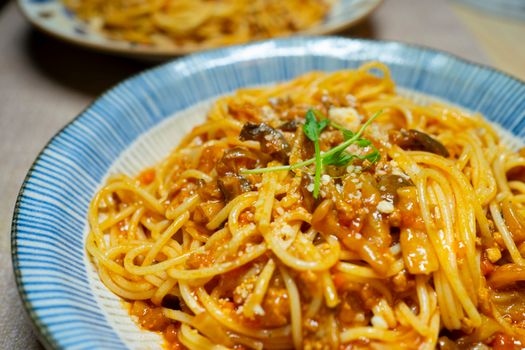
Top view of spaghetti with tomato sauce garnished with parsley, served on a blue plate.Photo: Esra Korkmaz / Pexels
While a classic tomato sauce is a fundamental starting point, the world of homemade pasta sauces is vast and incredibly diverse. Learning how to make homemade pasta sauce extends far beyond a simple marinara, offering a spectrum of flavors and textures to explore. Let's delve into some popular variations that you can easily master once you have a solid understanding of the basics. First, consider the robust Ragu Bolognese. This iconic meat-based sauce is a testament to slow cooking, often involving a mix of ground beef and pork, a rich soffritto of onion, carrot, and celery, and a combination of tomatoes, wine, and milk or cream. The key to a truly authentic Bolognese is patience; it simmers for hours, allowing the meat to become incredibly tender and the flavors to meld into a rich, complex symphony. It's a hearty sauce, perfect for wider pasta shapes like tagliatelle or pappardelle, designed to cling to every strand. Moving to a lighter, yet equally flavorful option, Pesto is a vibrant green sauce that requires no cooking. Traditional Genovese pesto combines fresh basil, pine nuts, garlic, Parmesan cheese, Pecorino Sardo cheese, and extra virgin olive oil, all pounded together (traditionally with a mortar and pestle, but a food processor works wonders too). The result is a fragrant, bright, and intensely flavorful sauce that is fantastic with spaghetti or fusilli. There are countless variations, too: try substituting spinach or arugula for basil, or walnuts for pine nuts, to create your own signature pesto. For those who appreciate a bit of heat, Arrabbiata sauce is a fiery option that translates to "angry" in Italian. It's a simple tomato-based sauce kicked up with a generous amount of red chili flakes, often served with penne pasta. The beauty of Arrabbiata lies in its simplicity, allowing the heat and fresh tomato flavor to shine. For a creamy indulgence, consider a Vodka Sauce. This popular American-Italian creation typically involves a tomato base enriched with heavy cream and a splash of vodka, which helps to emulsify the sauce and release additional flavors from the tomatoes. It’s wonderfully smooth and pairs well with penne or rigatoni. Another delightful variation is Puttanesca, a pungent and savory sauce with a fascinating history. It combines tomatoes with olives, capers, anchovies, and garlic, creating a bold, salty, and incredibly aromatic experience. It’s a sauce that demands attention and is often served with spaghetti. For a quick and fresh option, especially in the summer, a no-cook fresh tomato sauce can be a revelation. Diced ripe tomatoes, fresh basil, garlic, and olive oil are simply tossed together and allowed to sit, marrying their flavors, then mixed with hot pasta. The heat from the pasta gently warms the sauce, releasing its aromas. Each of these sauces showcases a different facet of Italian culinary tradition, proving that knowing how to make homemade pasta sauce is a versatile skill that can lead to endless delicious discoveries. Exploring these diverse recipes will not only expand your cooking repertoire but also deepen your appreciation for the rich tapestry of Italian flavors. For more specific regional recipes, explore our regional Italian cuisine guide.

Tips for Perfect Pasta Sauce & Common Pitfalls to Avoid

Overcooked scrambled eggs in a stainless steel skillet on a stove.Photo: cottonbro studio / Pexels
Achieving perfect homemade pasta sauce consistently involves more than just following a recipe; it requires attention to detail and an understanding of common pitfalls. Here are some essential tips to elevate your sauce-making game and mistakes to steer clear of when you make homemade pasta sauce. **Tips for Success:** * **Use High-Quality Ingredients:** This cannot be stressed enough. Great sauce starts with great components. Opt for ripe, in-season tomatoes if fresh, or high-quality canned varieties like San Marzano. Fresh garlic and onions make a significant difference. * **Don't Rush the Aromatics:** Sautéing onions and garlic slowly until they are translucent and sweet, not browned, is critical for building a deep flavor base. Browning can lead to bitterness. * **Season in Layers:** Add salt and pepper throughout the cooking process, tasting and adjusting. This allows flavors to develop harmoniously. Don't wait until the very end to season. * **Simmer Low and Slow:** Patience is a virtue. A gentle simmer allows flavors to meld and deepen over time. A rapid boil can reduce the sauce too quickly and make flavors harsh. * **Fresh Herbs at the End:** Delicate fresh herbs like basil and parsley should be added towards the end of cooking or just before serving to preserve their vibrant flavor and color. Heartier dried herbs like oregano can go in earlier. * **Embrace Acidity and Sweetness Balance:** If your sauce tastes flat, it might need a touch of acidity (a splash of red wine or balsamic vinegar) or sweetness (a pinch of sugar, especially with canned tomatoes). Taste and adjust. * **Pasta Water is Gold:** Always reserve some starchy pasta cooking water. A ladleful added to your sauce at the end, along with the cooked pasta, helps to create a luscious, emulsified sauce that clings beautifully to the pasta. * **Make Ahead and Freeze:** Most homemade pasta sauces taste even better the next day as flavors have more time to meld. They also freeze exceptionally well, making them perfect for meal prep. **Common Pitfalls to Avoid:** * **Overcooking Garlic:** Burnt garlic is bitter garlic, and it will ruin your sauce. Keep the heat low and watch it carefully. * **Not Simmering Long Enough:** A rushed sauce will taste raw and thin. Give it the time it needs to develop complexity. * **Adding Too Much Water:** If your sauce is too thin, resist the urge to just add more water. If necessary, let it simmer longer uncovered to reduce naturally, or add a small amount of tomato paste for thickness and flavor. * **Forgetting to Taste:** Your palate is your best tool. Taste frequently and adjust seasonings as you go. What tastes perfect to one person might need a little something extra for another. * **Using Low-Quality Olive Oil for Finishing:** While a decent olive oil is fine for sautéing, a drizzle of high-quality extra virgin olive oil just before serving can add a wonderful fresh, peppery note. Don't waste your good oil in the initial cooking. * **Adding Too Many Ingredients:** Sometimes, less is more. A few high-quality ingredients allowed to shine will often produce a more delicious sauce than a jumble of too many flavors. Keep it simple and let the core ingredients speak for themselves. By following these tips and avoiding these common mistakes, you’ll consistently make homemade pasta sauce that is flavorful, balanced, and truly satisfying.

Comparison

FeatureHomemade Pasta SaucePremium Jarred SauceBudget Jarred Sauce
Flavor DepthRich, complex, customizableGood, consistentOften bland, artificial
Ingredient Control100% control over fresh, organic, low-sodium optionsLimited, check labels for additivesMinimal, often high in sugar/sodium
Cost per ServingModerate (initial ingredient cost, but yields more)HigherLow
Prep Time45-90 minutes (active + simmer)0-5 minutes (heat only)0-5 minutes (heat only)
Nutritional Value✓ (fresh ingredients, no preservatives)✗ (potential additives, high sodium)✗ (high sugar, sodium, preservatives)
CustomizationEndless variations possibleLimited to brand optionsNone
SatisfactionHigh (sense of accomplishment, superior taste)Moderate (convenience)Low (compromise on taste)

What Our Readers Say

5 ★★★★★

"I used to rely on store-bought sauces, but this guide on how to make homemade pasta sauce changed everything! The classic tomato sauce recipe was so easy to follow, and the flavor was just incredible. My family devoured it."

5 ★★★★★

"As an aspiring home chef, I was looking for a comprehensive resource, and this delivered. The tips on simmering and seasoning layers made a huge difference. My arrabbiata sauce now has the perfect kick!"

5 ★★★★★

"I followed the instructions for the Bolognese, and after a few hours of simmering, it was the best pasta sauce I've ever made. The parmesan rind tip was a game-changer for adding depth. I even froze some for later!"

4 ★★★★☆

"The guide is incredibly thorough, though the initial time commitment for homemade sauce can be a bit much on a busy weeknight. However, the taste payoff is undeniably worth it, especially on weekends when I have more time."

5 ★★★★★

"I'm usually intimidated by making things from scratch, but the step-by-step approach made learning how to make homemade pasta sauce feel achievable. My first attempt at pesto was a huge success, and it tasted so much fresher than anything from a jar."

Frequently Asked Questions

What are the best tomatoes to use for homemade pasta sauce?
For the best flavor and texture, many chefs recommend using high-quality canned whole peeled or crushed San Marzano tomatoes. If using fresh, ripe Roma tomatoes in season are an excellent choice. Look for tomatoes with a balanced sweetness and low acidity.
My homemade pasta sauce tastes bland, what can I do?
Blandness usually indicates a need for more seasoning or longer simmering. Ensure you're salting adequately throughout the process, not just at the end. A pinch of sugar can balance acidity, a splash of red wine can add depth, and always remember fresh herbs and a good quality olive oil finish.
How do I thicken my pasta sauce if it's too watery?
The simplest way to thicken a watery pasta sauce is to continue simmering it uncovered. This allows excess liquid to evaporate, concentrating the flavors and thickening the sauce naturally. You can also stir in a tablespoon of tomato paste for a quick boost in thickness and flavor.
Is making homemade pasta sauce more expensive than buying jarred?
While the upfront cost of quality ingredients might seem higher, homemade pasta sauce often yields a larger quantity for a comparable or lower per-serving cost than premium jarred sauces. It also offers superior flavor, nutritional control, and avoids preservatives, making it a better value overall.
Can I make homemade pasta sauce in a slow cooker?
Yes, a slow cooker is an excellent tool for making homemade pasta sauce, especially for larger batches. You can sauté your aromatics on the stovetop first for deeper flavor, then combine all ingredients in the slow cooker and let it simmer on low for 6-8 hours, or high for 3-4 hours, for a rich, flavorful sauce.
Who should consider making homemade pasta sauce?
Anyone who appreciates fresh, vibrant flavors, desires control over their ingredients (especially for dietary needs or allergies), or enjoys the process of cooking will benefit greatly from learning how to make homemade pasta sauce. It's perfect for families, meal preppers, and food enthusiasts alike.
Are there any safety concerns with storing homemade pasta sauce?
Homemade pasta sauce can be safely stored in an airtight container in the refrigerator for 5-7 days. For longer storage, it freezes exceptionally well for up to 3-4 months. Always ensure the sauce is fully cooled before refrigerating or freezing, and reheat thoroughly before serving.
What are the emerging trends in homemade pasta sauce?
Beyond traditional recipes, trends include incorporating more global flavors like harissa or gochujang for a spicy kick, using plant-based ingredients for creamy textures (e.g., cashew cream), and experimenting with fermented ingredients for added umami. Also, hyper-seasonal sauces using unique local produce are gaining popularity.

Ready to transform your meals and impress your taste buds? Dive into the rewarding world of homemade pasta sauce. With this guide, you're now equipped to create flavorful, wholesome, and unforgettable dishes right from your kitchen. Start cooking your perfect sauce today!

Topics: how to make homemade pasta saucehomemade tomato sauce recipeeasy pasta saucefresh pasta saucebest marinara sauce
Leo List
Brampton weed
Adultwork