✓ Homemade pasta requires only a few basic ingredients: flour, eggs, and sometimes water or olive oil.
✓ The texture and flavor of fresh pasta are significantly superior to store-bought dried pasta.
✓ Kneading is crucial for developing gluten, which gives pasta its characteristic chewiness.
✓ You can make various pasta shapes, from fettuccine to ravioli, using the same basic dough recipe.
How It Works
1
Gather Your Ingredients
Ensure you have high-quality flour (like '00' or all-purpose), fresh eggs, and any optional additions. Accuracy in measurement is key for dough consistency.
2
Form and Knead the Dough
Combine ingredients on a clean surface or in a stand mixer, then knead until smooth and elastic. This develops the gluten structure for perfect texture.
3
Rest and Roll
Allow the dough to rest for at least 30 minutes to relax the gluten, making it easier to roll. Use a pasta machine or rolling pin to achieve desired thinness.
4
Cut and Cook
Cut the pasta into your chosen shape, then cook immediately in boiling salted water. Fresh pasta cooks much faster than dried, typically in 2-4 minutes.
The Magic of Ingredients: Crafting Your Perfect Pasta Dough
Photo: Klaus Nielsen / Pexels
Embarking on the journey of how to make homemade pasta from scratch begins, quite literally, at the foundation: your ingredients. While the concept of pasta might seem simple – flour and water, or flour and eggs – the quality and type of these foundational elements profoundly dictate the texture, flavor, and overall success of your final dish. For most classic Italian fresh pasta, especially in Northern Italy, eggs are the star. The protein in the eggs, combined with the flour, creates a rich, tender, yet resilient dough that stands up beautifully to sauces.
Let's break down the essential components. Flour is paramount. While '00' flour (doppio zero) is often lauded as the gold standard for pasta making due to its fine grind and moderate protein content, resulting in a silky, pliable dough, it's not strictly necessary. You can achieve excellent results with good quality all-purpose flour, though it might require a touch more kneading to develop the gluten. Some recipes call for a blend of '00' and semolina flour, particularly for more rustic or heartier pasta types. Semolina, made from durum wheat, adds a wonderful golden hue, a slightly coarser texture, and a pleasant chewiness. When selecting semolina, look for fine-ground durum wheat semolina, not the coarser variety used for couscous.
Next, eggs. Fresh, large eggs are ideal. The yolk provides richness and color, while the whites contribute protein and structure. The ratio of eggs to flour is critical. A common starting point is one large egg per 100 grams (approximately 3.5 ounces) of flour, but this can vary slightly depending on the humidity of your environment and the specific flour used. Some recipes might incorporate an extra egg yolk for an even richer, more golden pasta. Water is sometimes used to supplement or replace eggs, especially in Southern Italian pasta where eggs were historically scarcer. A dash of olive oil can also be added; it can help with elasticity and prevent the dough from sticking, imparting a subtle flavor.
Salt is often overlooked but plays a vital role. A pinch of fine sea salt integrated into the dough enhances the flavor of the pasta itself, rather than just relying on the salted cooking water. Think of it as seasoning the foundation of your dish. Beyond these core ingredients, you can experiment with flavor infusions. Spinach puree can color and subtly flavor your pasta, while beet juice creates a vibrant pink hue. Even herbs like basil or saffron can be incorporated for unique culinary adventures. Understanding these building blocks is the first crucial step in mastering how to make homemade pasta from scratch, ensuring your efforts yield delicious and authentic results. For more in-depth guidance on choosing the right flours, check out our guide on essential baking ingredients.
The Art of Kneading and Resting: Developing the Perfect Texture
Photo: ricardo rojas / Pexels
Once your ingredients are gathered, the real artistry of how to make homemade pasta from scratch begins with the kneading process. This seemingly simple act is, in fact, the most critical step in developing the characteristic chewy, yet tender, texture that defines fresh pasta. Kneading serves to activate and develop the gluten networks within the flour. Gluten, a protein composite, forms elastic strands that give the dough its structure and ability to stretch without tearing. Without sufficient kneading, your pasta will be brittle, difficult to roll, and lack that satisfying bite.
There are two primary methods for kneading: by hand or with a stand mixer. The traditional method, by hand, is a tactile and rewarding experience. Start by creating a well in the center of your mound of flour on a clean, floured surface. Crack your eggs into the well and, using a fork, gently whisk the eggs, gradually incorporating flour from the inner walls of the well. Once a shaggy dough forms, begin to knead. Push the dough away from you with the heel of your hand, fold it back over, rotate, and repeat. This process should continue for 10-15 minutes, or until the dough transforms from sticky and lumpy to smooth, elastic, and resilient. It should feel like a firm earlobe – soft but springy.
If you opt for a stand mixer, use the dough hook attachment. Combine your ingredients in the mixer bowl and knead on low to medium speed for 7-10 minutes. While less labor-intensive, it's still important to pay attention to the dough's consistency. It should pull away cleanly from the sides of the bowl and be smooth to the touch.
After kneading, the dough must rest. This resting period is non-negotiable and as important as the kneading itself. Wrap your dough tightly in plastic wrap or place it in an airtight container and let it rest at room temperature for at least 30 minutes, or up to an hour. The resting allows the gluten strands, which became tense and tight during kneading, to relax. This relaxation makes the dough much more pliable and easier to roll out thinly without it snapping back or tearing. It also allows the flour to fully hydrate, resulting in a more uniform and less sticky dough. Skipping the rest will lead to frustration when you try to roll out your pasta, as it will fight you every inch of the way. Think of resting as the dough's spa treatment, preparing it for its grand performance. This careful attention to kneading and resting is a hallmark of mastering how to make homemade pasta from scratch, ensuring a delightful cooking and eating experience.
Rolling and Shaping: From Sheet to Spaghetti and Beyond
Photo: Natalia Olivera / Pexels
With your perfectly kneaded and rested dough, you've arrived at the most transformative stage of how to make homemade pasta from scratch: rolling and shaping. This is where the magic truly happens, turning a simple ball of dough into delicate sheets ready for cutting into various pasta forms. The goal is to achieve a consistent, thin sheet of dough, which can be done either with a manual pasta machine or a rolling pin.
Using a pasta machine is generally the easiest and most consistent method. Start by dividing your dough into manageable portions (usually quarters or eighths, depending on the total dough amount). Flatten one portion into a rough rectangle. Set your pasta machine to its widest setting. Lightly flour the dough and feed it through the rollers. Fold the dough in thirds, like a letter, and feed it through again. Repeat this folding and rolling on the widest setting 5-7 times. This process, often called 'laminating,' further develops the gluten, makes the dough even smoother, and helps achieve a uniform thickness. Once laminated, gradually decrease the roller setting, feeding the dough through each setting once, without folding, until you reach your desired thinness. For most fresh pasta like fettuccine or tagliatelle, a setting of 6 or 7 on a typical machine is ideal. For filled pasta like ravioli, you might go even thinner, to setting 8 or 9, as the dough will be doubled. Ensure you lightly flour the dough sheets as you go to prevent sticking, but avoid over-flouring, which can dry out the pasta.
If you don't have a pasta machine, a rolling pin works wonderfully, though it requires more elbow grease and practice to achieve uniform thinness. Flour your surface and rolling pin generously. Start by pressing the dough flat, then roll from the center outwards, rotating the dough frequently to ensure an even shape. Lift and stretch the dough as you roll, aiming for a translucent sheet where you can almost see your hand through it. This method develops strength and skill in handling dough, a truly traditional approach to how to make homemade pasta from scratch.
Once you have your thin sheets, the shaping begins. For long pasta like fettuccine, tagliatelle, or pappardelle, lightly flour the sheet, then roll it loosely into a log. Using a sharp knife, cut across the log to create strips of your desired width. Unroll them immediately and toss with a little semolina or flour to prevent sticking. For filled pasta like ravioli or tortellini, you’ll place fillings on one sheet, cover with another, seal, and cut. For shapes like orecchiette or cavatelli, you'll work with small pieces of dough and use your thumb or a gnocchi board to create the shape. The possibilities are endless, and with practice, you'll find your favorite forms. Remember, the key is to keep the pasta from drying out too much before cooking, so work efficiently or cover unused portions. For more creative ideas, explore our section on sauces for fresh pasta.
Troubleshooting and Tips for Flawless Homemade Pasta
Even experienced pasta makers encounter challenges. Here are some common issues and expert tips to ensure your journey of how to make homemade pasta from scratch is as smooth as your dough:
* **Dough is too sticky:** This is a frequent issue, especially when working by hand or in humid conditions. Resist the urge to add too much flour all at once. Instead, add a tablespoon at a time, incorporating it fully, until the dough is no longer excessively sticky but still pliable. A little stickiness is okay, especially right after mixing, but it should become manageable after kneading.
* **Dough is too dry/crumbly:** If your dough isn't coming together or is too stiff, it likely needs more moisture. Add a teaspoon of water (or olive oil, for richness) at a time, kneading it in until the dough becomes cohesive and smooth. This often happens if your eggs were smaller than average or your flour was particularly absorbent.
* **Pasta tears when rolling:** This usually means the gluten hasn't rested enough, or the dough is too dry. Ensure you've rested the dough for at least 30 minutes. If it's tearing, fold it back up, re-knead for a minute, and let it rest for another 15-20 minutes. If it's dry, lightly mist with water or olive oil before re-rolling.
* **Pasta sticks together after cutting:** This is a common problem, especially with long pasta shapes. Ensure you generously flour your pasta sheets before cutting. After cutting, immediately toss the strands with a light dusting of semolina flour or all-purpose flour. Don't let cut pasta sit in a pile for too long; spread it out on a floured surface or hang it to dry slightly if not cooking immediately.
* **Uneven thickness:** Practice is key here. If using a pasta machine, ensure you're feeding the dough straight through the rollers. If rolling by hand, lift and rotate the dough frequently, focusing on rolling from the center outwards to maintain an even thickness.
**Pro Tips for Success:**
* **Use a clean, spacious surface:** A large, clean countertop is essential for kneading and rolling. Marble or wood surfaces work well.
* **Cook immediately or dry properly:** Fresh pasta cooks quickly (2-4 minutes). If not cooking right away, you can either cook it al dente, shock it in ice water, drain, and lightly oil for later use, or dry it completely for storage. For drying, hang it on a pasta drying rack or lay it out on floured baking sheets, turning occasionally, until brittle.
* **Salt your cooking water generously:** Just like dried pasta, fresh pasta needs well-salted boiling water. It's your last chance to season the pasta itself.
* **Don't overcrowd the pot:** Cook pasta in batches if necessary to maintain boiling temperature and prevent sticking.
* **Save some pasta water:** The starchy cooking water is liquid gold for emulsifying sauces and helping them cling to your fresh pasta.
* **Experiment with flour blends:** Don't be afraid to try different ratios of '00' flour, all-purpose, or semolina to find your preferred texture.
* **Invest in good tools:** While not strictly necessary, a pasta machine (manual or attachment) and a pasta drying rack can make the process significantly easier and more enjoyable.
Comparison
Feature
Homemade Fresh Pasta
Store-Bought Fresh Pasta
Store-Bought Dried Pasta
Flavor
Rich, complex, vibrant
Good, but less nuanced
Milder, can be bland
Texture
Tender, chewy, delicate
Soft, sometimes gummy
Firm, al dente
Ingredients
Control over quality
Variable quality
Standardized, preserved
Cooking Time
2-4 minutes
3-5 minutes
8-12 minutes
Cost
Low (ingredients only)
Moderate to High
Low to Moderate
Effort
Significant
None
None
Satisfaction
✓
✗
✗
Customization
Limitless shapes & flavors
Limited options
Limited options
What Readers Say
★★★★★
"This guide on how to make homemade pasta from scratch completely changed my perspective! I used to think it was too hard, but the step-by-step instructions made it so easy. My family raved about the fettuccine!"
Maria P. · Seattle, WA
★★★★★
"I've tried other recipes for fresh pasta, but this one truly delivers. The tips on kneading and resting were invaluable, resulting in the most elastic and easy-to-roll dough I've ever made. Highly recommend!"
David L. · Austin, TX
★★★★★
"Following this guide, I successfully made ravioli from scratch for the first time. The dough was perfect, sealed beautifully, and the final dish was a huge hit at my dinner party. It tastes so much better than store-bought!"
Sophia R. · Chicago, IL
★★★★★
"The instructions were incredibly detailed and helpful. My only minor struggle was achieving a super thin sheet with a rolling pin, but I'm looking forward to practicing more. The flavor was still outstanding!"
Ethan K. · Miami, FL
★★★★★
"As a busy mom, I appreciate how this article demystified how to make homemade pasta from scratch. I made a big batch on Sunday, dried it, and we've enjoyed fresh pasta dinners all week. A game-changer for family meals!"
Jessica M. · Denver, CO
Frequently Asked Questions
What is the best type of flour for homemade pasta?
While '00' flour is often considered ideal for its fine texture and moderate protein, good quality all-purpose flour works very well. Some recipes also benefit from a blend of '00' or all-purpose with fine-ground semolina for added chewiness and golden color.
Is making homemade pasta difficult for beginners?
Not at all! While it requires some practice to get the feel of the dough, the process is straightforward and incredibly rewarding. With a good recipe and attention to detail, even beginners can achieve delicious results.
How long does homemade pasta need to cook?
Fresh homemade pasta cooks much faster than dried pasta. Depending on its thickness and shape, it typically only needs 2-4 minutes in rapidly boiling, salted water until it's al dente (tender with a slight bite).
Is making pasta from scratch more expensive than buying it?
Generally, no. The primary ingredients (flour and eggs) are quite inexpensive. While the initial time investment is higher, the cost per serving for homemade pasta is usually significantly lower than purchasing premium store-bought fresh pasta.
How does homemade pasta compare to store-bought dried pasta in terms of taste and texture?
Homemade pasta offers a vastly superior taste and texture. It's tender yet chewy, with a fresh, rich flavor that dried pasta simply can't replicate. The texture allows sauces to cling better, enhancing the overall dish.
Who should try making homemade pasta?
Anyone who enjoys cooking, loves Italian food, or wants to elevate their home dining experience should try making homemade pasta. It's a fantastic activity for families, food enthusiasts, and those looking for a rewarding culinary project.
Can I make pasta dough ahead of time?
Yes, you can. Once kneaded, pasta dough can be wrapped tightly in plastic wrap and refrigerated for up to 24 hours. Just ensure it comes to room temperature for about 30 minutes before rolling to make it more pliable.
What are some emerging trends in homemade pasta?
Chefs and home cooks are increasingly experimenting with alternative flours like whole wheat or gluten-free blends, as well as incorporating unique natural colorings and flavorings (e.g., activated charcoal for black pasta, turmeric for yellow) and exploring regional Italian pasta shapes.
Now that you have all the knowledge and tips for how to make homemade pasta from scratch, it's time to get your hands dusty! Embrace the process, savor the aroma, and enjoy the unparalleled taste of fresh pasta made with your own hands. Your culinary journey awaits!
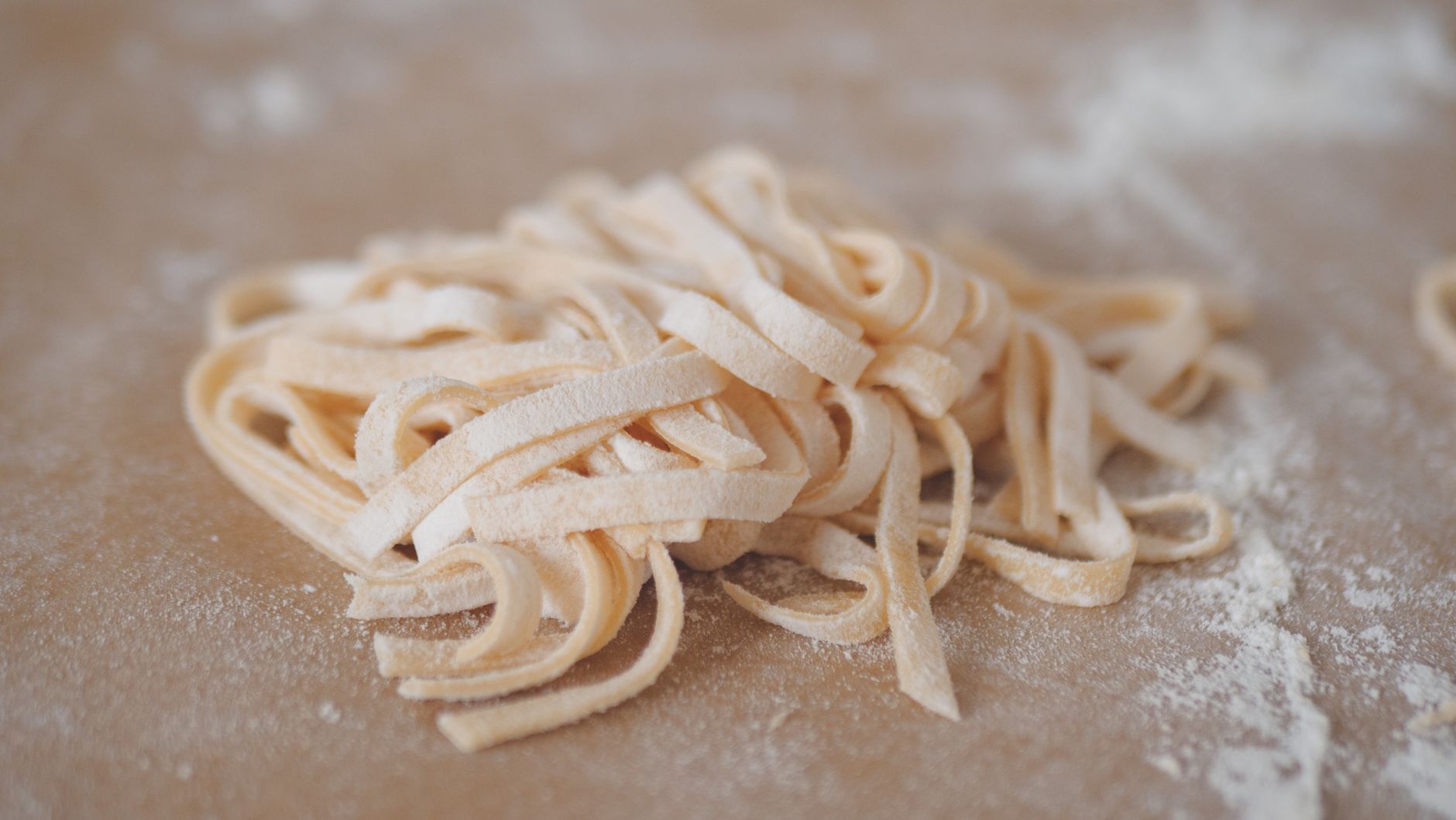
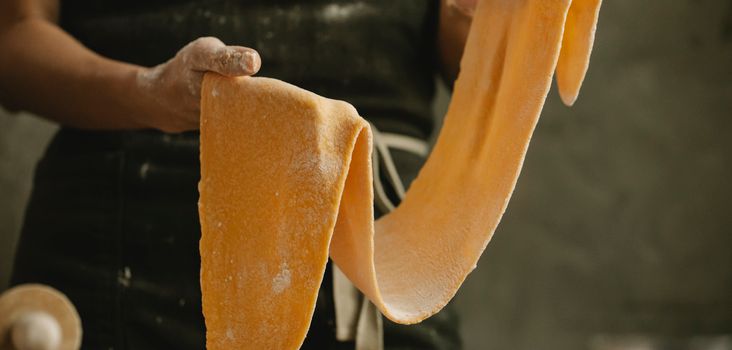 Photo: Klaus Nielsen / Pexels
 Photo: ricardo rojas / Pexels
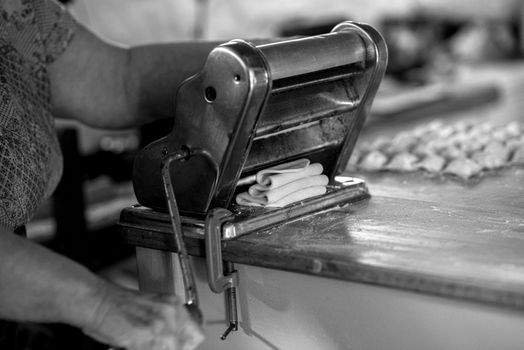 Photo: Natalia Olivera / Pexels