✓ It creates a crispy skin and flaky, moist interior.
✓ Minimal oil is needed, making it a healthier option.
✓ Air fryers circulate hot air for even cooking.
How It Works
1
Prepare Your Salmon Fillets
Pat the salmon dry with paper towels to ensure a crispy skin. Season generously with your preferred spices and a touch of oil.
2
Preheat the Air Fryer
Preheating is crucial for even cooking and a good sear. Set your air fryer to the recommended temperature, usually around 375-400°F.
3
Air Fry to Perfection
Place the salmon skin-side down (if applicable) in the air fryer basket, ensuring not to overcrowd. Cook for 8-12 minutes, depending on thickness and desired doneness.
4
Rest and Serve
Once cooked, allow the salmon to rest for a few minutes before serving. This helps redistribute juices, keeping the fish moist and tender.
Unlocking the Magic of Air-Fried Salmon: Why It's Your New Favorite Method
Photo: Jeremy Wong / Pexels
The air fryer has revolutionized home cooking, offering a convenient, efficient, and often healthier alternative to traditional methods. When it comes to delicate proteins like salmon, its capabilities truly shine. If you've ever wondered how to cook salmon in air fryer to achieve that coveted crispy skin and moist, flaky interior, you're in for a treat. This section delves into the fundamental reasons why air frying salmon isn't just a trend, but a superior cooking technique that delivers consistent, restaurant-quality results right in your kitchen.
Firstly, let's talk about speed. In our fast-paced lives, time is a precious commodity. Air frying salmon typically takes between 8 to 15 minutes, depending on the thickness of your fillet and the desired level of doneness. Compare this to oven baking, which often requires longer preheating and cooking times, or pan-frying, which demands constant attention and can leave your kitchen smelling of fish for hours. The air fryer drastically cuts down on cooking time, making it an ideal choice for quick weeknight dinners or when you're short on time but still want a nutritious and delicious meal. The rapid circulation of hot air within the compact cooking chamber ensures that heat is distributed evenly and intensely, cooking the salmon quickly from all sides.
Secondly, the texture. This is arguably where the air fryer truly excels with salmon. The high heat and powerful fan create a perfect environment for rendering fat and crisping surfaces. For salmon, this translates to an incredibly crispy, almost crackling skin (if you choose to leave it on) and a wonderfully flaky, tender, and moist flesh. Unlike baking, which can sometimes dry out the fish, or pan-frying, which can result in uneven browning, the air fryer's consistent heat ensures that the exterior gets beautifully browned and crisp while the interior remains succulent. This textural contrast is what elevates air-fried salmon from good to exceptional.
Thirdly, health benefits and minimal oil. One of the primary draws of air fryers is their ability to achieve 'fried' textures with significantly less oil. While salmon is naturally rich in healthy fats, a small amount of oil is often used to help with seasoning adhesion and further crisping. However, it's far less than what you'd use for deep frying or even some pan-frying methods. This makes air-fried salmon a fantastic option for those looking to enjoy a lean protein without the added calories from excessive cooking oil. The intense heat also helps to break down fats effectively, resulting in a lighter, less greasy finish.
Finally, convenience and ease of cleanup. Most air fryer baskets are non-stick and dishwasher- safe, making cleanup a breeze. Gone are the days of scrubbing greasy pans or dealing with oil splatters all over your stovetop. The contained cooking environment of the air fryer means less mess and less fuss. Furthermore, the air fryer's intuitive controls make it incredibly user-friendly, even for novice cooks. With a few simple steps, you can achieve professional-level results without needing advanced culinary skills. Whether you're a seasoned chef or just starting your cooking journey, learning how to use an air fryer for salmon will undoubtedly become a staple in your culinary repertoire. It's a game-changer for anyone seeking delicious, healthy, and effortless meals.
Mastering the Preparation: From Fillet Selection to Perfect Seasoning
Photo: Boys in Bristol Photography / Pexels
The journey to perfectly air-fried salmon begins long before you hit the 'start' button on your appliance. Proper preparation is paramount to ensure not only the best flavor but also the ideal texture and doneness. This section will walk you through the essential steps, from selecting the finest salmon fillets to mastering the art of seasoning, setting you up for success when you cook salmon in air fryer.
**Choosing Your Salmon Fillet:** The quality of your raw ingredient directly impacts the final dish. When purchasing salmon, look for fillets that are vibrant in color (ranging from deep orange to rich red, depending on the variety), firm to the touch, and have a fresh, mild scent – never fishy. Wild-caught salmon (like Sockeye or Coho) often has a richer flavor and firmer texture, while farmed salmon (like Atlantic) tends to be fattier and more consistently colored. Both work beautifully in an air fryer. Aim for fillets that are relatively uniform in thickness, ideally between 1 to 1.5 inches at their thickest point, to ensure even cooking. If your fillets vary significantly in thickness, you might need to adjust cooking times for individual pieces or consider cutting larger fillets into more uniform portions.
**To Skin or Not to Skin?** This is a common question, and for air frying, leaving the skin on is often recommended. The skin acts as a protective layer, helping the flesh retain moisture and preventing it from drying out. More importantly, the air fryer's high heat and circulating air are fantastic at crisping up the salmon skin to a delightful, edible crunch. If you prefer skinless salmon, you can certainly remove it, but be mindful that the cooking time might be slightly shorter, and you'll want to ensure the flesh doesn't stick to the basket by using a bit more oil or parchment paper.
**Patting Dry: A Non-Negotiable Step:** Before seasoning, it is absolutely crucial to pat your salmon fillets thoroughly dry with paper towels. Any excess moisture on the surface will create steam in the air fryer, hindering the browning and crisping process. A dry surface allows for better caramelization and ensures that satisfying crispy texture you're aiming for.
**The Art of Seasoning:** This is where you can truly personalize your air-fried salmon. While a simple sprinkle of salt, black pepper, and a drizzle of olive oil is often all you need to let the natural flavor of the salmon shine, don't be afraid to experiment. Consider a classic lemon-dill blend, a smoky paprika and garlic powder rub, or a sweet and savory brown sugar and soy sauce glaze.
* **Oil:** A light coating of olive oil, avocado oil, or another high smoke point oil helps the seasonings adhere and contributes to a beautiful golden-brown exterior. Brush it evenly over all surfaces of the salmon.
* **Salt & Pepper:** These are your foundational seasonings. Use flaky sea salt for texture and freshly ground black pepper for aroma.
* **Herbs & Spices:** Dill, parsley, thyme, garlic powder, onion powder, paprika, chili powder, and even a touch of cumin can elevate the flavor profile. Be generous but balanced.
* **Acids:** A squeeze of fresh lemon juice before or after cooking brightens the flavor and cuts through the richness of the salmon. Some recipes incorporate a splash of white wine or vinegar into a marinade.
* **Sweet & Savory:** A touch of brown sugar, maple syrup, or honey can create a delicious glaze that caramelizes beautifully in the air fryer. Pair these with soy sauce or tamari for an umami boost.
Apply your chosen seasonings evenly to all sides of the salmon. If using a marinade, allow the salmon to sit for at least 15-30 minutes (or up to an hour in the refrigerator) to absorb the flavors. However, for a quick air fry, simply seasoning right before cooking is perfectly fine. Taking these preparatory steps seriously will significantly enhance your experience and ensure that your air fryer salmon is not just cooked, but truly exquisite.
Achieving Perfect Doneness: Temperatures, Times, and Troubleshooting
Photo: Krisztina Papp / Pexels
Cooking fish, especially salmon, can sometimes feel like a delicate dance between undercooked and overcooked. The beauty of learning how to cook salmon in air fryer lies in its precision and consistency, but understanding the nuances of temperature, time, and internal doneness is crucial for achieving that perfectly flaky, moist result every single time. This section will guide you through the technical aspects, ensuring your salmon is never dry or raw.
**Preheating is Non-Negotiable:** Just like a conventional oven, preheating your air fryer is a vital step often overlooked. Preheating to the recommended temperature (typically between 375°F to 400°F, or 190°C to 200°C) ensures that the salmon begins cooking immediately upon entering the basket. This initial burst of heat helps to create a beautiful sear on the exterior, locking in moisture and contributing to that desirable crispy skin. Without preheating, your salmon will take longer to cook, and the texture might be less appealing. Allow your air fryer to preheat for at least 3-5 minutes, or until its indicator light signals it's ready.
**Optimal Air Frying Temperatures:** While specific recipes might vary, a general range of 375°F (190°C) to 400°F (200°C) is ideal for salmon. Lower temperatures might not achieve the desired crispness, while excessively high temperatures risk burning the exterior before the interior is cooked through. For thinner fillets (around 1 inch thick), 400°F might be preferred for a quicker cook and crispier finish. For thicker cuts (1.5 inches or more), 375°F might be better to allow the heat to penetrate more evenly without overcooking the outside.
**Understanding Cooking Times:** The cooking time for salmon in an air fryer is primarily dictated by the thickness of your fillet. As a general guideline:
* **1-inch thick fillets:** 8-12 minutes
* **1.5-inch thick fillets:** 12-15 minutes
Always start with the lower end of the time range and check for doneness. Remember that air fryers can vary in wattage and efficiency, so your specific appliance might cook slightly faster or slower than average. It's always better to check frequently than to overcook.
**Checking for Doneness: The Key to Perfection:** The most reliable way to determine if your salmon is perfectly cooked is by checking its internal temperature with an instant-read thermometer. The USDA recommends cooking fish to an internal temperature of 145°F (63°C). Insert the thermometer into the thickest part of the fillet. At this temperature, the salmon will be opaque throughout and flake easily with a fork. Some chefs prefer salmon cooked to a slightly lower temperature (around 135-140°F) for a more tender, medium-rare texture, which will continue to cook slightly as it rests. Visually, cooked salmon will turn from translucent to opaque pink, and the flesh will begin to separate into flakes.
**Troubleshooting Common Issues:**
* **Salmon sticking to the basket:** Ensure your basket is clean and lightly oiled. You can also use air fryer parchment paper liners or a silicone mat designed for air fryers to prevent sticking, especially with skinless fillets. Make sure to preheat adequately.
* **Uneven cooking:** Avoid overcrowding the air fryer basket. Cook in batches if necessary, ensuring there's enough space for the hot air to circulate around each fillet. If your air fryer has a tendency to cook unevenly, you might rotate the fillets halfway through the cooking time.
* **Dry salmon:** Overcooking is the primary culprit. Always use a thermometer and err on the side of undercooking, as you can always put it back in for another minute or two. Patting the salmon dry before seasoning also helps prevent steaming, which can lead to a less desirable texture. Resting the salmon after cooking is also crucial for moisture retention.
* **Not crispy enough:** Ensure the salmon is thoroughly patted dry before seasoning. Use a minimal amount of oil, and don't overcrowd the basket. Increase the temperature slightly (if not already at 400°F) or cook for an extra minute or two to achieve desired crispness.
By mastering these temperatures, times, and troubleshooting techniques, you'll consistently produce air-fried salmon that is juicy, flavorful, and perfectly cooked, making it a reliable and delightful meal option every time. Explore other air fryer recipes for more culinary adventures.
Elevate Your Air-Fried Salmon: Tips, Pairings, and Avoiding Common Mistakes
Photo: Atlantic Ambience / Pexels
Cooking salmon in an air fryer is inherently simple, but there are always ways to elevate your dish from good to gourmet. This section provides invaluable tips for enhancing flavor and texture, suggests perfect pairings, and highlights common pitfalls to avoid, ensuring your air-fried salmon is not just a meal, but an experience.
**Tips for an Elevated Experience:**
* **Don't Forget to Rest:** Just like with any cooked meat, allowing your salmon to rest for 3-5 minutes after cooking is crucial. This allows the juices to redistribute throughout the fillet, resulting in a more moist and tender piece of fish. If you cut into it immediately, the juices will escape, leaving you with a drier result.
* **Experiment with Marinades and Glazes:** While a simple salt and pepper seasoning is delicious, don't shy away from marinades or glazes. A quick marinade with soy sauce, ginger, garlic, and a touch of honey can create an Asian-inspired delight. A lemon-herb marinade or a balsamic glaze can add incredible depth of flavor. Just be mindful that sugary glazes can caramelize quickly, so you might add them in the last few minutes of cooking to prevent burning.
* **Add a Finishing Touch:** A squeeze of fresh lemon juice, a sprinkle of fresh chopped herbs (dill, parsley, chives), or a dollop of a flavorful sauce (like a creamy dill sauce, a bright pesto, or a spicy sriracha mayo) can transform your air-fried salmon. These finishing touches add freshness, acidity, and another layer of flavor.
* **Consider Thickness:** For the best results, try to use salmon fillets of similar thickness within one cooking batch. This ensures they cook evenly and reach desired doneness at the same time.
* **Flip for Even Crisping (Optional):** While not always necessary, if you want maximum crispness on both sides, you can carefully flip the salmon halfway through cooking. This is particularly useful for skinless fillets or if your air fryer tends to have hot spots.
**Perfect Pairings for Air-Fried Salmon:** The versatility of air-fried salmon means it pairs beautifully with a wide array of side dishes. Consider:
* **Roasted Vegetables:** Asparagus, broccoli, green beans, or Brussels sprouts can often be roasted in a separate air fryer or oven alongside your salmon for a complete meal.
* **Grain Bowls:** Serve your salmon over a bed of quinoa, brown rice, or farro, perhaps with some roasted veggies and a light vinaigrette.
* **Fresh Salads:** A simple green salad with a lemon vinaigrette provides a refreshing contrast to the rich salmon.
* **Creamy Sides:** Mashed potatoes, polenta, or a light risotto can complement the flakiness of the fish.
* **Citrus and Herbs:** Always have fresh lemon wedges and a variety of fresh herbs on hand to brighten the flavors.
**Common Mistakes to Avoid:**
* **Overcrowding the Basket:** This is perhaps the most common mistake. Overcrowding prevents proper air circulation, leading to steamed rather than crispy salmon. Cook in batches if necessary, ensuring each fillet has space around it.
* **Not Patting Dry:** As mentioned, moisture is the enemy of crispiness. Always pat your salmon dry before seasoning and cooking.
* **Forgetting to Preheat:** Skipping the preheat step can lead to longer cooking times, uneven cooking, and a less desirable texture.
* **Overcooking:** Salmon cooks quickly. Use an instant-read thermometer to check internal temperature, and remove it promptly once it reaches 145°F (or slightly lower if you prefer medium-rare).
* **No Oil or Too Much Oil:** A light coating of oil is beneficial for crisping and flavor. Too little might result in sticking and less browning; too much can make the salmon greasy. A tablespoon or two for a couple of fillets is usually sufficient.
* **Not Cleaning the Air Fryer:** Leftover residue from previous cooks can affect the flavor and smoke point of your current dish. Regular cleaning of the basket and tray is important.
By incorporating these tips and consciously avoiding these common errors, you'll consistently turn out air-fried salmon that is not only perfectly cooked but also bursting with flavor and delightful texture, making it a regular and celebrated dish in your healthy meal rotation.
Comparison
Feature
Air Fryer Salmon
Oven Baked Salmon
Pan-Seared Salmon
Cook Time (approx.)
8-15 minutes
15-20 minutes
8-12 minutes
Preheat Time (approx.)
3-5 minutes
10-15 minutes
2-3 minutes
Crispiness
High (especially skin)
Medium
High
Cleanup Effort
Low (non-stick basket)
Medium (baking sheet)
High (splatter, pan)
Oil Usage
Minimal
Minimal
Moderate
Even Cooking
✓
✓
✗ (can be uneven)
Required Attention
Low
Low
High
What Readers Say
★★★★★
"I was skeptical about cooking salmon in air fryer, but this guide changed everything! My salmon came out perfectly crispy on the outside and incredibly moist inside. It's now my go-to method for dinner."
Sarah J. · Austin, TX
★★★★★
"As a busy dad, finding quick and healthy meals is key. Following these steps, I cooked salmon in my air fryer in under 15 minutes, and my kids actually loved it! No more dry fish for us."
Mark D. · Seattle, WA
★★★★★
"My air fryer salmon turned out golden brown with a beautiful flaky texture, exactly as described. The internal temperature was spot on at 145°F, and the skin was perfectly crispy. Truly restaurant quality at home!"
Emily R. · Miami, FL
★★★★★
"The instructions for how to cook salmon in air fryer were clear and helpful. While my first attempt was slightly overcooked, the tips on checking doneness and resting the fish made a huge difference on my second try. Still a fantastic method!"
David L. · Denver, CO
★★★★★
"I used to only bake salmon, but the air fryer method is so much faster and produces a much better texture. I even tried the lemon-dill seasoning suggestion, and it was a hit! Cleanup is a breeze too."
Jessica M. · Boston, MA
Frequently Asked Questions
What is the best temperature to cook salmon in an air fryer?
The ideal temperature range for cooking salmon in an air fryer is typically between 375°F (190°C) and 400°F (200°C). This temperature range ensures a crispy exterior while allowing the interior to cook thoroughly without drying out. Adjust slightly based on your air fryer model and the thickness of your salmon.
Will my salmon dry out in the air fryer?
No, if cooked correctly, salmon in the air fryer should remain moist and flaky. The key is to avoid overcooking by using an instant-read thermometer to check for an internal temperature of 145°F (63°C) and to allow the salmon to rest for a few minutes after cooking to redistribute juices.
How long does it take to cook salmon in an air fryer?
Cooking time varies by thickness. For a 1-inch thick fillet, expect 8-12 minutes. For a 1.5-inch thick fillet, it may take 12-15 minutes. Always start checking at the lower end of the time range and adjust as needed, using an internal temperature as your guide.
Is air-fried salmon healthier than pan-fried or baked salmon?
Air-fried salmon is often considered healthier than pan-fried because it requires significantly less oil to achieve a crispy texture, reducing overall fat and calorie content. Compared to baked salmon, the health benefits are similar, but air frying can offer a superior texture with a crispier skin.
Can I cook frozen salmon in an air fryer?
Yes, you can cook frozen salmon in an air fryer, but it will require a longer cooking time and may not achieve the same crispiness as thawed salmon. Increase the cooking time by about 50% and check for doneness with a thermometer. For best results, it's recommended to thaw salmon first.
Who should use an air fryer to cook salmon?
Anyone looking for a quick, healthy, and delicious way to prepare salmon should use an air fryer. It's particularly great for busy individuals, those wanting minimal cleanup, or anyone aiming for perfectly crispy skin and a moist, flaky interior without much effort.
Is it safe to put parchment paper in an air fryer with salmon?
Yes, it is generally safe to use air fryer-specific parchment paper or silicone liners, which are designed to withstand high temperatures and have holes for air circulation. Avoid using regular parchment paper or wax paper, as they are not designed for the intense heat of an air fryer and can pose a fire risk.
What are some future trends for air-fried salmon recipes?
Future trends for air-fried salmon recipes may include more global flavor profiles like gochujang glazes, za'atar rubs, or coconut curry marinades. Expect an increase in plant-based side pairings and creative uses of sauces and fresh garnishes to elevate the simple air-fried fillet into a gourmet experience.
Ready to transform your weeknight dinners? Master how to cook salmon in air fryer with these expert tips and enjoy perfectly crispy, flaky, and flavorful results every time. Your journey to delicious, healthy meals starts here!

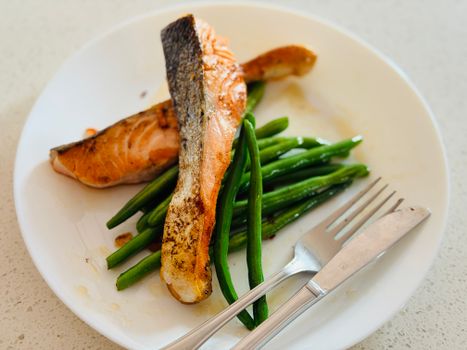 Photo: Jeremy Wong / Pexels
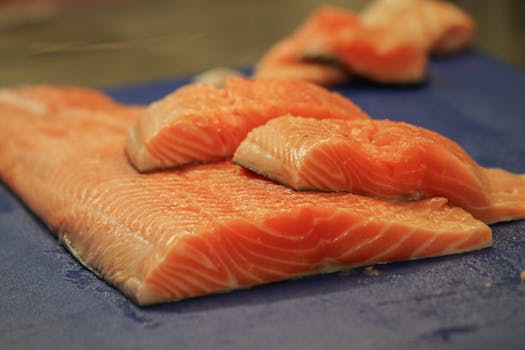 Photo: Boys in Bristol Photography / Pexels
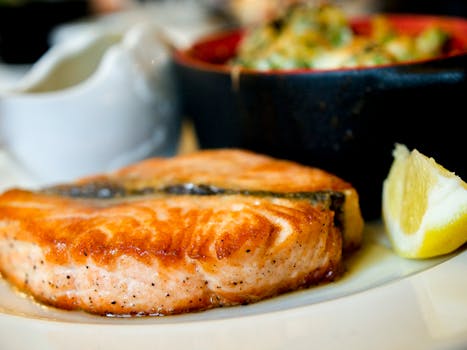 Photo: Krisztina Papp / Pexels
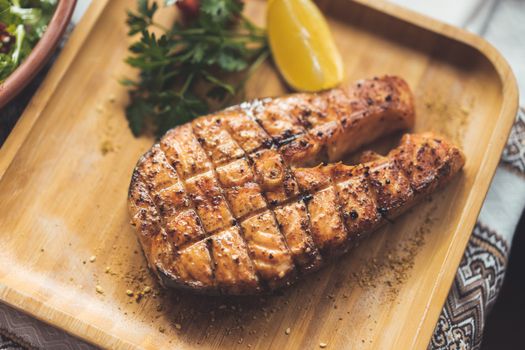 Photo: Atlantic Ambience / Pexels