✓ Cast iron's heat retention is key for a superior sear.
✓ Proper steak preparation (patting dry, seasoning) is crucial.
✓ High heat is essential for the Maillard reaction.
✓ Resting the steak after cooking prevents juice loss.
How It Works
1
Choose & Prepare Your Steak
Select a thick-cut, well-marbled steak. Bring it to room temperature and pat it thoroughly dry for optimal searing.
2
Preheat Your Cast Iron
Gradually preheat your cast iron skillet over medium-high heat until it's smoking hot. This ensures an even, deep crust.
3
Sear & Finish
Sear the steak aggressively on all sides, then often finish in the oven or with butter basting. Use a thermometer for perfect doneness.
4
Rest & Serve
Always rest your steak for 5-10 minutes after cooking. This allows the juices to redistribute, resulting in a more tender and flavorful bite.
Mastering Steak Selection and Preparation for Cast Iron
Photo: Anna Guerrero / Pexels
Achieving that coveted, restaurant-quality steak in a cast iron skillet begins long before your pan even touches the heat. The foundation of a truly perfect steak lies in the careful selection of your cut and meticulous preparation. First, let's talk about the steak itself. For cast iron cooking, thicker cuts are generally preferred, ideally between 1.5 to 2 inches thick. This thickness allows for a beautiful, deep crust to form without overcooking the interior. Ribeye, New York Strip, and Porterhouse are excellent choices due to their generous marbling, which translates to incredible flavor and tenderness. Filet Mignon, while leaner, can also be superb if handled correctly, often benefitting from a shorter sear.
Marbling – the intramuscular fat – is your best friend when it comes to flavor and juiciness. Look for steaks with fine, even streaks of white fat throughout the muscle, not just around the edges. This fat will render during cooking, basting the meat from within and contributing to that rich, buttery taste. Once you've chosen your magnificent cut, preparation is paramount. The first crucial step is to bring your steak to room temperature. This isn't just a suggestion; it's a critical technique. A cold steak hitting a hot pan will cook unevenly, leading to an overcooked exterior and a raw center. Aim to take your steak out of the refrigerator at least 30 minutes to an hour before cooking, depending on its thickness. This allows the internal temperature to rise, ensuring more even cooking throughout.
Next, and equally vital, is to thoroughly pat the steak dry. Use paper towels to remove all surface moisture. Any moisture on the steak's surface will have to evaporate before the Maillard reaction – the chemical reaction responsible for that delicious brown crust and complex flavors – can occur. This means less searing and more steaming, which results in a gray, less flavorful exterior. A dry surface is the secret to a phenomenal crust. Don't be shy; pat it dry until it feels almost tacky. Finally, seasoning. A good quality coarse salt (like kosher or sea salt) and freshly cracked black pepper are often all you need. Apply generously, as much of it will fall off during cooking. Some chefs advocate for seasoning hours in advance, allowing the salt to penetrate and tenderize the meat, while others prefer just before cooking. Experiment to find your preference, but always season well. For an extra layer of flavor, consider a light dusting of garlic powder or onion powder. Remember, the goal is to enhance the steak's natural flavor, not overpower it. This careful approach to selecting and preparing your steak sets the stage for a truly remarkable cast iron culinary experience. For more on selecting premium meats, check out our guide on choosing quality cuts.
The Science of Searing: Achieving the Perfect Cast Iron Crust
Photo: Katerina Holmes / Pexels
The magic of cooking steak in a cast iron skillet lies in its unparalleled ability to retain and distribute heat evenly. This characteristic is precisely what allows for the development of that magnificent, dark, and flavorful crust, known as the Maillard reaction. But achieving this isn't as simple as just throwing a steak into a hot pan. There's a science to it, and understanding it is key to mastering how to cook perfect steak cast iron.
Preheating your cast iron skillet is the most critical step in the searing process. You need to get that pan screaming hot. Place your dry, seasoned skillet over medium-high to high heat for at least 5-10 minutes. You'll know it's ready when you see a wisp of smoke, or if you drop a tiny bead of water, it should evaporate instantly. A properly preheated pan ensures that when the steak hits the surface, it immediately begins to form a crust, rather than slowly heating up and stewing in its own juices. Once the pan is hot, add a high smoke point oil, such as grapeseed, avocado, or canola oil. Just enough to lightly coat the bottom – too much oil will lead to a greasy crust, not a crispy one. Swirl it around quickly to cover the pan.
Now, for the main event: placing the steak. Gently lay the steak away from you into the hot oil. You should hear an immediate, vigorous sizzle. This is the sound of the Maillard reaction beginning. Do not move the steak for the first 2-3 minutes. Resist the urge to peek or prod. This initial undisturbed contact is vital for forming that deep, even crust. After the initial sear, flip the steak. You should see a beautiful, dark brown crust. Repeat the searing on the other side for another 2-3 minutes. For thicker steaks, you'll want to sear the edges as well, holding the steak with tongs to achieve a crust on all sides.
For steaks cooked to medium-rare or medium, especially those 1.5 inches thick or more, you often need to finish them using a different method to ensure the interior reaches the desired doneness without burning the exterior. This can be done by transferring the skillet to a preheated oven (around 375-400°F) for a few minutes, or by reducing the heat on the stovetop and basting with butter. If basting, add a tablespoon or two of butter, a smashed garlic clove, and a sprig of fresh rosemary or thyme to the pan after the initial searing. As the butter melts, tilt the pan slightly and use a spoon to continuously baste the steak with the fragrant, melted butter. This infuses the steak with incredible flavor and helps to finish the cooking process gently. The basting technique also creates a more uniform crust and adds a glossy sheen. The key to perfect doneness is a meat thermometer – more on that in the next section. Without it, you're just guessing.
Finishing Touches: Doneness, Resting, and Serving Your Cast Iron Steak
Photo: wutthichai charoenburi / Pexels
After the exhilarating sear, the final steps are just as critical to achieving that perfect steak. This stage is all about precision in doneness, allowing the steak to relax, and presenting it beautifully. The most reliable tool for determining steak doneness is an instant-read meat thermometer. Guessing by touch, while a skill some develop, is fraught with peril. Internal temperatures are your definitive guide: rare (120-125°F), medium-rare (130-135°F), medium (135-140°F), medium-well (140-145°F), and well-done (150°F+). Remember that the steak will continue to cook for a few degrees after it's removed from the heat (carryover cooking), so pull it off the heat 5-10 degrees below your target temperature. For example, for a perfect medium-rare, aim to remove the steak from the heat when it hits around 125-128°F.
Once your steak reaches the desired internal temperature, immediately remove it from the cast iron skillet and transfer it to a cutting board or a warm plate. This next step is non-negotiable: resting the steak. Resting is arguably the most overlooked yet vital part of cooking a great steak. When meat cooks, its muscle fibers contract, pushing the juices to the center. If you cut into the steak immediately, all those delicious juices will spill out onto your board, leaving you with a drier, less flavorful piece of meat. Resting allows the muscle fibers to relax and reabsorb those juices, redistributing them throughout the steak. For a steak 1.5 to 2 inches thick, a rest of 5-10 minutes is ideal. You can tent it loosely with foil to keep it warm, but avoid wrapping it tightly, as this can steam the crust you worked so hard to create.
While the steak is resting, don't forget about the glorious fond left in your cast iron skillet. This is where incredible flavor resides, perfect for making a quick pan sauce. Deglaze the pan with a splash of wine, beef broth, or even just a little water, scraping up all those browned bits. You can then whisk in a knob of butter, a minced shallot, or some fresh herbs for a simple yet elegant sauce. This adds another layer of sophistication to your dish. Once rested, slice the steak against the grain. This shortens the muscle fibers, making each bite more tender and easier to chew. Serve immediately with your pan sauce, a sprinkle of flaky sea salt, and any preferred sides. Whether it's a simple side salad or creamy mashed potatoes, the star of the show will undoubtedly be your perfectly cooked cast iron steak. For more advanced techniques, explore our articles on gourmet sauce pairings.
Common Mistakes and Expert Tips for Cast Iron Steak
Photo: Cats Coming / Pexels
Even with the best intentions, it's easy to fall prey to common pitfalls when cooking steak in a cast iron skillet. Understanding these mistakes and learning expert tips can elevate your steak game from good to truly exceptional. One of the most frequent errors is not preheating the pan enough. A lukewarm pan will result in a gray, steamed exterior rather than a beautiful, crispy crust. Always ensure your cast iron is smoking hot before adding the steak. Another mistake is overcrowding the pan. If you're cooking multiple steaks, work in batches. Too much meat in the pan will drop the temperature drastically, leading to uneven cooking and a lack of proper sear. Give each steak its space to breathe and brown.
Flipping the steak too often is another common misstep. Resist the urge to constantly check or move the steak. Each flip resets the searing process. Let it sear undisturbed for a good few minutes on each side to build that rich, deep crust. Similarly, pressing down on the steak with a spatula is counterproductive. This forces out precious juices, leading to a drier steak. Let the heat and the pan do their work naturally. Lastly, neglecting to rest the steak is a cardinal sin. As discussed, skipping this step means sacrificing juiciness and tenderness. Always allow ample resting time.
Here are some expert tips to ensure your success:
* **Use an Instant-Read Thermometer:** This is non-negotiable for consistent results. It takes the guesswork out of achieving your desired doneness.
* **Embrace the Reverse Sear:** For very thick steaks (over 1.5 inches), consider the reverse sear method. Cook the steak slowly in a low oven (200-275°F) until it's about 10-15 degrees below your target internal temperature, then transfer it to a screaming hot cast iron skillet for a quick, intense sear on all sides. This yields an incredibly even cook from edge to edge with a perfect crust.
* **Render Fat Cap:** If your steak has a significant fat cap (like a New York Strip), render it first. Stand the steak on its side in the hot pan, using tongs to hold it, allowing the fat to melt and create a flavorful base for searing the rest of the steak.
* **Add Aromatics:** During the basting phase, throw in smashed garlic cloves, fresh rosemary, thyme, or even a bay leaf. These aromatics will infuse the butter and, subsequently, the steak with incredible depth of flavor.
* **Clean Your Cast Iron Properly:** After enjoying your perfect steak, ensure you clean your cast iron skillet correctly to maintain its seasoning and longevity. Scrape out any food residue, rinse with hot water (avoid soap if possible, or use minimal soap quickly), dry thoroughly, and apply a very thin layer of cooking oil. This prepares it for your next culinary triumph. Following these tips will ensure you consistently produce a steak that rivals any high-end steakhouse.
Comparison
Feature
Cast Iron Skillet
Stainless Steel Pan
Grill
Heat Retention
Excellent (✓)
Good
Variable
Sear Quality
Superior (✓)
Good
Excellent (grate marks)
Flavor Depth (Fond)
High (✓)
Medium
Low
Indoor Use
Yes (✓)
Yes
No (typically)
Maintenance
Requires Seasoning
Low
Medium
What Readers Say
★★★★★
"I followed this guide on how to cook perfect steak cast iron, and for the first time, my ribeye had a crust like a steakhouse! The room temperature and patting dry tips were game-changers, and the basting step added incredible flavor."
Sarah J. · Austin, TX
★★★★★
"This article taught me everything I needed to know about cooking steak in my cast iron. The explanation of the Maillard reaction and the importance of a screaming hot pan totally transformed my results. Juicy inside, crispy outside – perfection!"
Michael D. · Chicago, IL
★★★★★
"My husband used to complain my steaks were always dry, but not anymore! Following the resting advice from this guide on how to cook perfect steak cast iron made all the difference. Now every steak is tender and bursting with flavor."
Emily R. · Portland, OR
★★★★★
"Great tips, especially the reverse sear for thicker cuts. My only minor critique is that it could emphasize oven safety with cast iron more for beginners, but otherwise, a comprehensive and very helpful guide to cooking perfect steak."
David L. · Miami, FL
★★★★★
"I tried this method with a cheaper cut of sirloin, and even that turned out amazing! The detailed steps on preheating and seasoning really made a difference, proving that how to cook perfect steak cast iron isn't just for fancy cuts."
Jessica M. · Denver, CO
Frequently Asked Questions
What is the best cut of steak for a cast iron skillet?
Thick-cut, well-marbled steaks like Ribeye, New York Strip, and Porterhouse are excellent choices. Their fat content and thickness allow for a beautiful sear without overcooking the interior, making them ideal for achieving a perfect cast iron steak.
Why is my steak not getting a good crust in the cast iron skillet?
The most common reasons are not preheating the pan enough, not patting the steak dry before cooking, or overcrowding the pan. Ensure your skillet is smoking hot, the steak is completely dry, and cook in batches if necessary to maintain pan temperature.
How do I know when my cast iron skillet is hot enough to sear a steak?
Place your cast iron skillet over medium-high to high heat for 5-10 minutes. You'll know it's hot enough when you see a slight wisp of smoke, or if you flick a tiny drop of water onto the pan, it should immediately evaporate.
Does cooking steak in cast iron use a lot of expensive oil?
No, you only need a thin layer of high-smoke-point oil (like grapeseed or avocado) to coat the bottom of the pan. Excessive oil can lead to a greasy crust, so a little goes a long way. The focus is on the heat and the steak's natural fats.
How does cast iron compare to grilling for cooking steak?
Cast iron provides a more consistent, all-over sear and allows for pan sauces using the fond, which grilling doesn't. Grilling offers distinct char marks and smoky flavor, but cast iron excels at creating an unparalleled, even crust and juicier interior in a controlled indoor environment.
Who should learn how to cook perfect steak cast iron?
Anyone who loves steak and wants to achieve restaurant-quality results at home should learn this technique. It's particularly beneficial for home cooks who want to master a fundamental culinary skill and impress their guests with perfectly cooked meat.
Is it safe to put a cast iron skillet in the oven after searing?
Yes, cast iron skillets are oven-safe and are frequently used to finish steaks. Always ensure your skillet doesn't have any non-oven-safe components (like a plastic handle), and use oven mitts as the handle will be extremely hot.
What's the future trend for home steak cooking methods?
While sous vide provides precision, the cast iron sear remains timeless due to its simplicity, efficiency, and the superior crust it produces. The combination of sous vide followed by a cast iron sear is a growing trend for ultimate perfection.
Ready to transform your home cooking and impress everyone at your table? Follow this comprehensive guide on how to cook perfect steak cast iron and discover the joy of a perfectly seared, juicy, and flavorful steak every single time. Your culinary journey to steak mastery starts now!

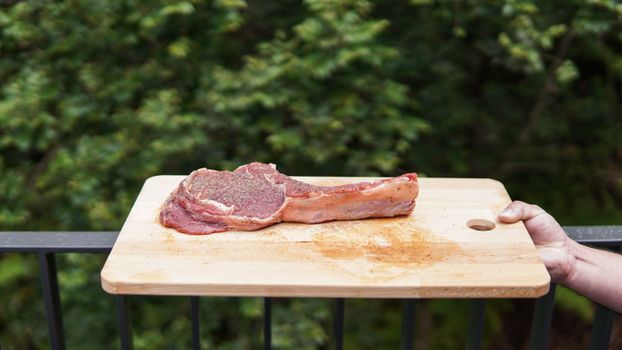 Photo: Anna Guerrero / Pexels
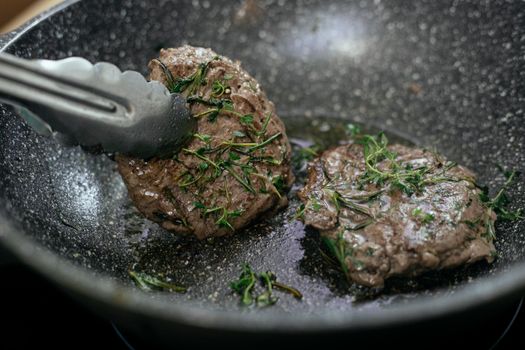 Photo: Katerina Holmes / Pexels
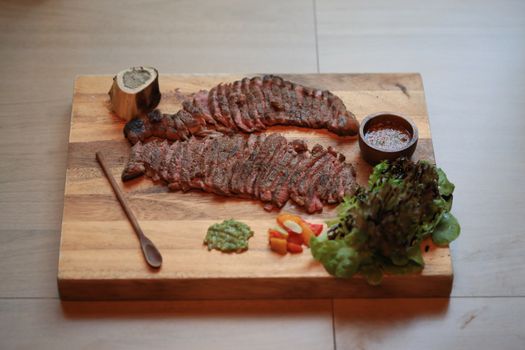 Photo: wutthichai charoenburi / Pexels
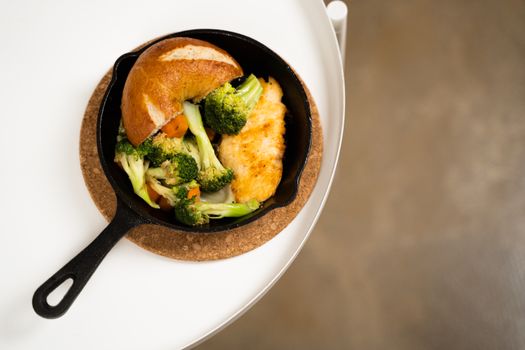 Photo: Cats Coming / Pexels