✓ Meal prepping saves an average of 5-10 hours per week.
✓ It significantly reduces food waste and grocery bills.
✓ Beginners should start with 1-2 meals, not a full week.
✓ Focus on balanced macronutrients: protein, carbs, healthy fats.
How It Works
1
Plan Your Meals
Decide which meals you want to prep (breakfast, lunch, dinner) and choose simple, repeatable recipes. Consider your dietary goals and ingredient availability.
2
Grocery Shop Smart
Create a detailed shopping list based on your chosen recipes to avoid impulse buys and ensure you have all necessary ingredients. Shop for fresh produce, proteins, and pantry staples.
3
Prep & Cook
Dedicate a block of time (1-3 hours) to wash, chop, and cook your ingredients. Focus on multi-tasking and efficient use of your kitchen space to streamline the process.
4
Portion & Store
Once cooked, portion your meals into airtight containers suitable for refrigeration or freezing. Label them with dates to keep track of freshness and ensure food safety.
Why Embrace Beginner Meal Planning for a Healthier You?
Photo: Pavel Danilyuk / Pexels
Embarking on the journey of healthy meal prep can feel daunting at first, especially if you're a complete beginner. However, understanding the profound benefits can be the motivation you need to get started. Beyond just saving time, meal prepping is a powerful tool for taking control of your nutrition, managing your budget, and reducing stress in your daily life. For many, the biggest hurdle to healthy eating is the lack of time or the convenience of unhealthy options. By dedicating a few hours each week to prepare your meals, you effectively eliminate these barriers. You'll no longer find yourself scrambling for a last-minute unhealthy takeout option because a nutritious, pre-made meal is readily available in your fridge. This proactive approach significantly reduces the likelihood of making poor food choices driven by hunger or time constraints. Moreover, meal planning helps you maintain a consistent intake of balanced nutrients. When you prepare your meals, you have full control over the ingredients, portion sizes, and cooking methods. This means you can easily incorporate more vegetables, lean proteins, and whole grains while limiting processed foods, excessive sugars, and unhealthy fats. For individuals with specific dietary needs or health goals, such as weight management, managing diabetes, or reducing cholesterol, meal prep becomes an invaluable strategy. It allows for precise tracking and adherence to dietary guidelines without the guesswork often associated with eating out or spontaneous cooking. Think of it as investing in your future health, one planned meal at a time. The financial benefits are equally compelling. Dining out or ordering delivery frequently can quickly deplete your budget. By purchasing ingredients in bulk and cooking at home, you drastically cut down on food expenses. You also minimize food waste by using ingredients efficiently and portioning meals appropriately. This translates to more money in your pocket and a healthier planet. The initial investment in meal prep containers and perhaps a few new kitchen tools pays dividends quickly. For beginners, starting small is key. Don't feel pressured to prep every single meal for the entire week. Begin by focusing on one or two meals, such as lunches for work or a couple of dinners. This gradual approach allows you to build confidence, refine your process, and discover what works best for your lifestyle. As you become more comfortable, you can gradually expand your meal prep efforts. The mental well-being aspect often goes overlooked. The stress of deciding what to eat, cooking every night after a long day, or worrying about healthy options while on the go can be exhausting. Meal prepping alleviates this mental load, freeing up cognitive energy for other aspects of your life. It provides a sense of accomplishment and control, contributing to a more organized and less chaotic routine. In essence, beginner meal planning isn't just about food; it's about establishing a sustainable system that supports your overall health, finances, and peace of mind. It's a foundational habit that can ripple positively through many areas of your life, making healthy living an accessible and enjoyable reality. For more ideas on getting started, check out this guide to budget-friendly healthy eating.
Essential Tools and Basic Principles for Easy Meal Prep Recipes
Photo: Sternsteiger Stahlwaren / Pexels
Before diving into specific healthy meal prep ideas for beginners, it’s crucial to understand the foundational principles and equip your kitchen with a few essential tools. You don't need a gourmet kitchen or expensive gadgets to start, but having the right basics can make the process smoother and more enjoyable. First and foremost, quality airtight containers are non-negotiable. Look for glass containers with snap-on lids, as they are durable, microwave-safe, oven-safe (without lids), and don't absorb food odors or stains like some plastics. Various sizes are helpful for different meal components or full meals. Silicone lids are also a great option for flexibility and sealing. Next, a good set of knives and a sturdy cutting board will be your best friends. Efficient chopping is a cornerstone of meal prep, so invest in at least one sharp chef's knife and a paring knife. A food processor can be a game-changer for quickly chopping large quantities of vegetables, but it's not strictly necessary for beginners. Other helpful items include measuring cups and spoons for accurate portioning, a large baking sheet for roasting vegetables and proteins simultaneously, and a few large mixing bowls. A slow cooker or instant pot can also be incredibly useful for hands-off cooking of stews, chilis, or shredded meats, which are perfect for batch prepping. Now, let's talk about basic principles. The first is *macro balance*. Aim to include a source of lean protein (chicken, fish, beans, tofu), complex carbohydrates (quinoa, brown rice, sweet potatoes), and healthy fats (avocado, nuts, olive oil) in each meal. This ensures sustained energy, satiety, and proper nutrient intake. Second, *flavor variety* is key to avoiding meal prep fatigue. Even with simple recipes, using different spices, herbs, and sauces can transform a basic chicken and veggie dish into something new each day. Don't be afraid to experiment with different flavor profiles, from Mexican to Mediterranean to Asian-inspired. Third, *cook once, eat multiple times*. This is the core of meal prepping. Identify ingredients or dishes that can be cooked in larger batches and then repurposed or portioned out. For example, roast a large tray of vegetables, cook a big pot of grains, and bake several chicken breasts. These components can then be mixed and matched throughout the week. Fourth, *food safety and storage*. Always cool cooked food quickly before refrigerating (within 2 hours). Store meals in airtight containers in the coldest part of your fridge. Most prepped meals are good for 3-4 days in the refrigerator. For longer storage, many meals can be frozen for up to 2-3 months. Labeling containers with the date and contents is a simple but effective habit. Finally, *start simple and scale up*. As a beginner, resist the urge to tackle a week's worth of gourmet meals. Begin with 1-2 simple recipes you enjoy, perhaps just for lunches. Once you've mastered that, gradually add more complexity or additional meals. This iterative approach builds confidence and makes meal prepping a sustainable habit rather than an overwhelming chore. By understanding these principles and having the right tools, you're well on your way to mastering easy meal prep recipes and enjoying the benefits of consistent, healthy eating. Remember, consistency beats perfection.
Top Healthy Meal Prep Ideas for Beginners: Simple & Delicious Recipes
Photo: Ella Olsson / Pexels
When you're just starting with healthy meal prep, simplicity is your best friend. The goal is to build confidence and establish a routine, not to become a gourmet chef overnight. Here are some top healthy meal prep ideas for beginners, focusing on easy-to-make, versatile, and delicious recipes that require minimal cooking skills but deliver maximum nutritional value.
**1. Sheet Pan Dinners:** These are a beginner's dream. The concept is simple: chop your protein and veggies, toss them with olive oil and seasonings, spread them on a baking sheet, and roast until cooked.
* **Idea:** Chicken and Roasted Veggies. Cut chicken breast into 1-inch cubes. Chop broccoli florets, bell peppers, and red onion. Toss with olive oil, garlic powder, paprika, salt, and pepper. Roast at 400°F (200°C) for 20-25 minutes. Pair with pre-cooked quinoa or brown rice. This method allows for endless variations – swap chicken for sausage, shrimp, or tofu; use Brussels sprouts, sweet potatoes, or zucchini.
**2. Overnight Oats:** Perfect for grab-and-go breakfasts. No cooking required!
* **Idea:** Basic Berry Overnight Oats. In a jar or container, combine ½ cup rolled oats, 1 cup milk (dairy or non-dairy), ½ cup mixed berries, 1 tablespoon chia seeds, and a drizzle of maple syrup or honey. Stir well, cover, and refrigerate overnight. Add a spoonful of nut butter or a sprinkle of nuts in the morning for extra protein and healthy fats.
**3. Mason Jar Salads:** Layering ingredients strategically keeps greens fresh and prevents sogginess.
* **Idea:** Mediterranean Chickpea Salad. In a large mason jar, layer dressing at the bottom (e.g., lemon-tahini or vinaigrette). Add hardier ingredients next: chickpeas, chopped cucumbers, cherry tomatoes, olives, and feta cheese. Then add softer veggies like bell peppers, and finally, spinach or mixed greens at the top. When ready to eat, just shake and pour into a bowl.
**4. Build-Your-Own Grain Bowls:** Cook a large batch of grains, protein, and a few roasted vegetables, then assemble throughout the week.
* **Idea:** Teriyaki Chicken & Veggie Bowl. Cook 2-3 cups of brown rice or farro. Bake or pan-fry chicken breast (sliced or cubed) tossed in a low-sodium teriyaki sauce. Roast a large batch of broccoli and carrots. For assembly, combine a portion of grains, chicken, and veggies. Garnish with sesame seeds or a drizzle of sriracha mayo.
**5. Hearty Soups and Chilis:** These are excellent for batch cooking and often taste even better the next day. They freeze beautifully too.
* **Idea:** Lentil Soup. Sauté diced onions, carrots, and celery. Add vegetable broth, canned diced tomatoes, brown or green lentils, and your favorite seasonings (thyme, bay leaf, cumin). Simmer until lentils are tender. This soup is packed with fiber and plant-based protein. Serve with a side of whole-grain bread.
**6. Egg Muffins:** A versatile, protein-packed breakfast or snack.
* **Idea:** Veggie Egg Muffins. Whisk eggs with a splash of milk, salt, and pepper. Fill greased muffin tins with chopped vegetables (spinach, bell peppers, mushrooms) and a sprinkle of cheese. Pour egg mixture over the veggies. Bake at 350°F (175°C) for 15-20 minutes. These can be stored in the fridge for several days and reheated.
**7. Ground Meat Skillets:** Quick, flavorful, and easy to adapt.
* **Idea:** Turkey Taco Skillet. Brown ground turkey with taco seasoning. Add diced bell peppers, onions, and black beans. Serve over a bed of cauliflower rice or lettuce for a low-carb option, or with whole-wheat tortillas. Top with salsa and Greek yogurt.
Remember to choose 2-3 of these ideas to start, rather than trying to do them all. Focus on recipes you genuinely enjoy eating. The key to successful meal prepping is finding a routine and recipes that fit your taste and lifestyle. Don't be afraid to adjust seasonings or swap ingredients based on what you have on hand or what's on sale at the grocery store. For more inspiration on healthy ingredients, check out this guide to nutritious pantry staples.
Common Meal Prep Mistakes and How to Avoid Them for Beginners
Photo: Kristina Paukshtite / Pexels
Even with the best intentions, beginners often stumble upon a few common pitfalls when starting healthy meal prep. Recognizing these mistakes beforehand can save you time, effort, and prevent discouragement.
**1. Over-Complicating Recipes:** This is perhaps the most frequent mistake. Beginners often select intricate recipes that require many steps, specialized ingredients, or advanced cooking techniques. The result is an overwhelming, lengthy prep session that saps motivation.
* **How to avoid:** Start with 1-3 simple recipes that have minimal ingredients and straightforward instructions. Focus on batch cooking individual components (grains, roasted veggies, baked chicken) that can be mixed and matched, rather than preparing complex, full-fledged meals.
**2. Not Having a Plan (or a Shopping List):** Winging it in the kitchen or at the grocery store leads to chaos, forgotten ingredients, and wasted time.
* **How to avoid:** Dedicate 15-30 minutes to planning your meals for the week. Based on your chosen recipes, create a detailed grocery list. Stick to this list at the store to avoid impulse buys and ensure you have everything you need.
**3. Ignoring Food Safety and Storage:** Improper cooling, storing, or reheating can lead to food spoilage and potential health risks.
* **How to avoid:** Invest in quality airtight containers. Ensure cooked food cools down to room temperature within two hours before refrigerating. Store meals in the coldest part of your fridge. Most prepped meals are good for 3-4 days. For longer storage, utilize your freezer. Always label containers with the date.
**4. Lack of Variety Leading to Burnout:** Eating the exact same meal every day, all week, can quickly lead to boredom and a desire to abandon meal prep altogether.
* **How to avoid:** Incorporate slight variations. If you're prepping chicken and roasted veggies, change the seasoning profile daily (e.g., Italian herbs one day, taco seasoning another, lemon-pepper a third). Rotate between 2-3 different core recipes each week, or prep components that can be assembled into different meals (e.g., cooked chicken can become a salad topping, a wrap filling, or mixed into a grain bowl).
**5. Forgetting to Account for Snacks:** Focusing solely on main meals can leave you vulnerable to unhealthy snacking between meals.
* **How to avoid:** Plan and prep healthy snacks alongside your main meals. Ideas include portioned nuts, fruit, vegetable sticks with hummus, hard-boiled eggs, or Greek yogurt. Having these readily available prevents reaching for processed options.
**6. Buying Too Many Perishable Ingredients:** Overstocking on fresh produce, especially at the beginning, can result in food waste if you don't use it all.
* **How to avoid:** Start small. Buy enough for your planned meals for 3-4 days. As you get more efficient, you can adjust quantities. Focus on heartier vegetables that last longer (carrots, bell peppers, broccoli) and store delicate greens properly.
**7. Trying to Do Too Much at Once:** Attempting to prep breakfast, lunch, dinner, and snacks for an entire week in one go can be overwhelming and unsustainable for a beginner.
* **How to avoid:** Begin by prepping just one meal (e.g., lunches) for 3-4 days. Once you feel comfortable, gradually expand to other meals or for a full week. Break down your prep session into smaller tasks (e.g., chop veggies one evening, cook grains and protein the next).
By being mindful of these common mistakes and implementing these simple solutions, beginners can establish a successful and sustainable healthy meal prep routine, making healthy eating an enjoyable and stress-free part of their lives.
Comparison
Feature
Best Option
Alternative 1
Alternative 2
Container Material
Glass (BPA-free)
Hard Plastic (BPA-free)
Silicone
Storage Duration
3-4 Days (Fridge)
1-2 Days (Fridge)
Up to 3 Months (Freezer)
Best for Beginners
Sheet Pan Meals
Overnight Oats
Grain Bowls
Cost Savings
High
Medium
High
Time Commitment
2-3 Hours/Week
1-2 Hours/Week
3-4 Hours/Week
Variety Potential
High
Medium
High
Microwave Safe
✓
✗
✓
What Readers Say
★★★★★
"As a total beginner, I was intimidated by meal prep, but these healthy meal prep ideas for beginners made it so easy to start. My lunches for work are now delicious and I've saved so much money."
Sarah J. · Austin, TX
★★★★★
"This guide truly demystified meal prepping. The simple recipes and clear instructions helped me prep my first week of healthy meals without feeling overwhelmed. Highly recommend for anyone just starting out."
Mark D. · Chicago, IL
★★★★★
"I used to order takeout constantly, but after following these beginner meal prep tips, I've managed to cook and eat healthy at home for two weeks straight. I feel so much better and more energetic!"
Jessica L. · Miami, FL
★★★★★
"While some of the ideas were a bit basic for my taste, the core principles of starting simple and planning ahead were invaluable. It's a solid foundation for anyone new to healthy meal prepping."
David P. · Denver, CO
★★★★★
"Working long hours meant I never had time for healthy eating. These healthy meal prep ideas for beginners, especially the overnight oats and sheet pan dinners, have been a game-changer for my busy schedule."
Emily R. · Seattle, WA
Frequently Asked Questions
What are the absolute easiest healthy meal prep ideas for beginners?
For absolute beginners, focus on 'assembly' meals or single-sheet pan dishes. Overnight oats for breakfast, mason jar salads for lunch (where you layer ingredients), and sheet pan chicken and roasted vegetables for dinner are incredibly simple, require minimal cooking skills, and offer great nutritional value.
I'm worried about food getting soggy or bland. How do I prevent this with meal prep?
To prevent sogginess, store sauces and dressings separately, especially for salads. For cooked meals, ensure food is completely cooled before portioning and sealing. To avoid blandness, use a variety of herbs, spices, and fresh citrus. Reheating properly also helps; sometimes a fresh squeeze of lemon or a sprinkle of fresh herbs after reheating can revive flavors.
How long do healthy meal prep meals typically last in the fridge?
Most healthy meal prep meals, when stored in airtight containers and properly cooled, will last 3-4 days in the refrigerator. Some foods, like cooked grains or roasted root vegetables, can last a bit longer, while delicate greens or seafood might be best consumed within 2 days. Always use your best judgment regarding freshness.
Is healthy meal prepping expensive to start, especially for beginners?
While there might be an initial investment in quality containers, healthy meal prepping is generally cost-effective in the long run. By planning your meals and buying ingredients in bulk, you save money on takeout and reduce food waste. Focus on affordable, seasonal ingredients and versatile proteins like chicken, eggs, and legumes to keep costs down.
How does meal prepping compare to using a meal kit delivery service?
Meal prepping offers greater flexibility and cost savings compared to meal kit delivery services. While meal kits provide convenience with pre-portioned ingredients, they are often more expensive per meal. Meal prepping allows you to fully customize your menu, control ingredients, and leverage bulk buying, leading to more significant long-term savings and personalized nutrition.
Who should use healthy meal prep ideas for beginners?
Anyone looking to improve their eating habits, save time during the week, reduce food expenses, or manage specific health goals like weight loss or blood sugar control will benefit from healthy meal prep ideas for beginners. It's especially useful for busy professionals, students, and parents.
Are there any risks to meal prepping that beginners should be aware of?
The main risk is foodborne illness if proper food safety guidelines aren't followed. Always ensure food is cooked to safe temperatures, cooled quickly (within 2 hours), and stored in airtight containers in the refrigerator or freezer. Pay attention to expiration dates and discard any food that looks or smells questionable.
What's the future trend for healthy meal prep ideas?
Future trends for healthy meal prep are leaning towards increased personalization, plant-based options, and sustainable practices. Expect more emphasis on global flavors, nutrient-dense superfoods, and efficient, eco-friendly storage solutions. Technology, like smart kitchen appliances and AI-driven meal planning apps, will also play a larger role in streamlining the process.
Ready to take control of your health and simplify your week? Dive into these healthy meal prep ideas for beginners and discover how easy and rewarding consistent, nutritious eating can be. Start today and transform your lifestyle, one delicious, prepped meal at a time!
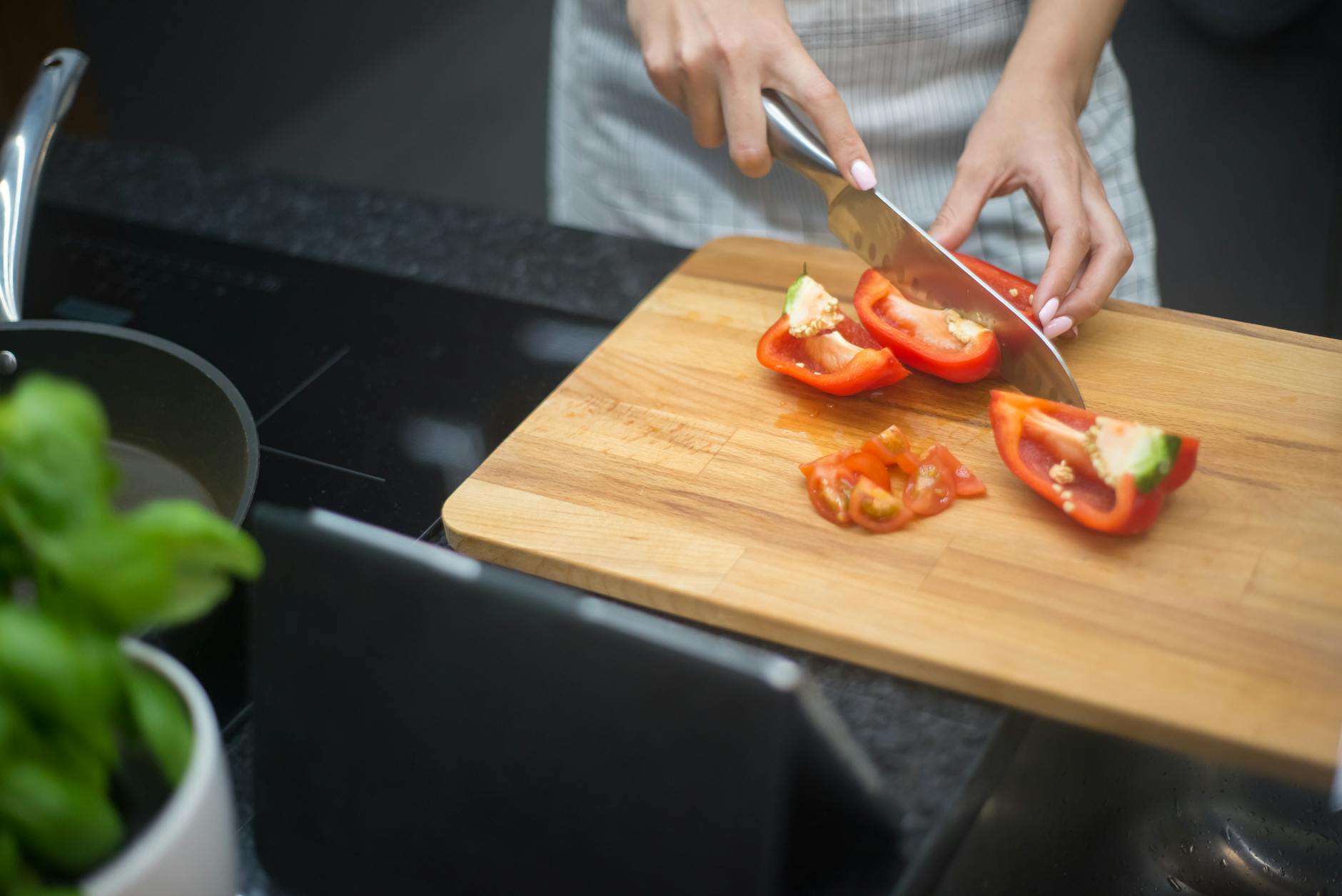
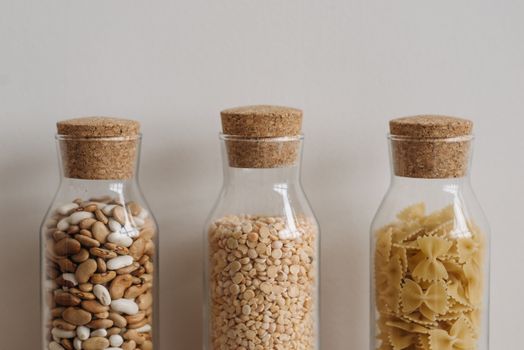 Photo: Pavel Danilyuk / Pexels
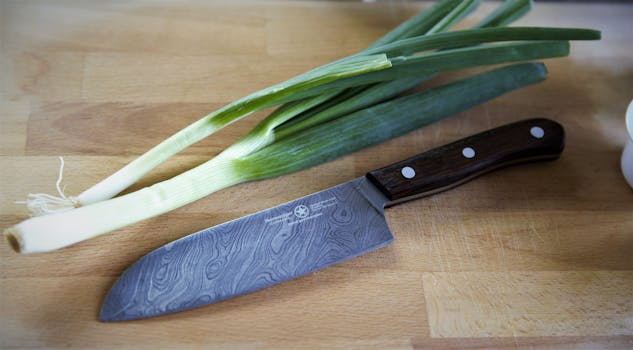 Photo: Sternsteiger Stahlwaren / Pexels
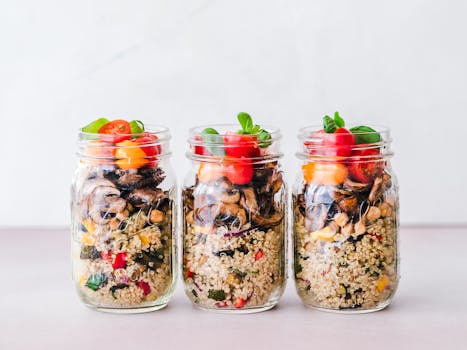 Photo: Ella Olsson / Pexels
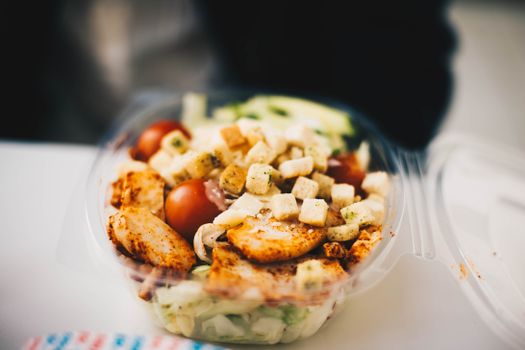 Photo: Kristina Paukshtite / Pexels