Uncovering what are the healthiest cooking oils for your kitchen
August 17, 2026 19 min read 3,700 words
Unlock the secrets to healthier cooking by choosing the right oils for every culinary adventure, maximizing both flavor and nutrition.
Find Your Perfect Oil
Understanding Healthy Fats and Their Role in Cooking
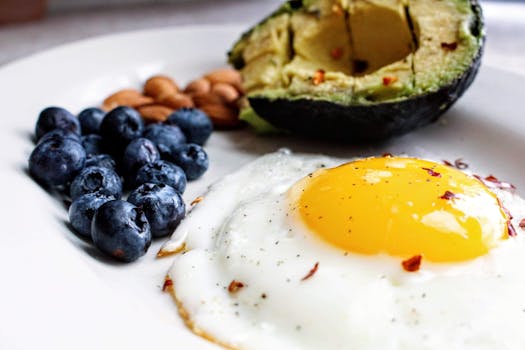 Photo: Jenna Hamra / Pexels
When we talk about what are the healthiest cooking oils, it's impossible to ignore the foundational role of fats in our diet and their impact on health. For decades, fats were demonized, leading to a surge in low-fat products that often replaced healthy fats with refined sugars and carbohydrates. However, modern nutritional science has unequivocally shown that not all fats are created equal, and certain types are absolutely essential for our well-being. Understanding these distinctions is the first crucial step in identifying the best cooking oils for your kitchen.
Fats are vital for energy production, hormone synthesis, nutrient absorption (especially fat-soluble vitamins A, D, E, and K), and maintaining cell membrane integrity. They also play a significant role in satiety, helping us feel full and satisfied after meals. The key is to differentiate between beneficial fats and those that, when consumed in excess or in their unhealthy forms, can contribute to chronic diseases. Broadly, fats can be categorized into saturated, monounsaturated, and polyunsaturated fats.
Saturated fats, found primarily in animal products like red meat, butter, and full-fat dairy, as well as some plant-based sources like coconut oil and palm oil, have historically been linked to increased LDL ('bad') cholesterol levels. While the narrative around saturated fats is evolving, and some research suggests they might not be as detrimental as once thought, moderation is still widely recommended by health organizations. When choosing cooking oils, it’s generally advisable to lean towards options lower in saturated fat for everyday use, especially if you have existing cardiovascular concerns.
Monounsaturated fats (MUFAs) are often lauded for their heart-healthy benefits. Rich in foods like avocados, nuts, and most notably, olive oil, MUFAs have been shown to help lower LDL cholesterol while potentially increasing HDL ('good') cholesterol. They are also stable at moderate cooking temperatures, making them versatile for various culinary applications. The Mediterranean diet, renowned for its health benefits, heavily features MUFAs, particularly from extra virgin olive oil, as a cornerstone of its healthy eating pattern.
Polyunsaturated fats (PUFAs) are another group of beneficial fats, including the essential omega-3 and omega-6 fatty acids that our bodies cannot produce on their own. Omega-3s, found in fatty fish, flaxseeds, and walnuts, are crucial for brain health, reducing inflammation, and supporting cardiovascular function. Omega-6s are abundant in many vegetable oils like corn, soybean, and sunflower oil. While both are necessary, the typical Western diet often has an imbalanced ratio, with a much higher intake of omega-6s compared to omega-3s. This imbalance is thought to contribute to pro-inflammatory states, making it important to choose cooking oils that help balance this ratio or at least don't exacerbate the omega-6 dominance.
Beyond these categories, it's also critical to distinguish between refined and unrefined oils. Unrefined oils, like extra virgin olive oil or cold-pressed avocado oil, undergo minimal processing, retaining more of their natural nutrients, antioxidants, and characteristic flavors. Refined oils, on the other to hand, are typically subjected to high heat, chemical solvents, and deodorization, which extends their shelf life and raises their smoke point but strips them of many beneficial compounds and can introduce undesirable byproducts. This refining process significantly alters the oil's chemical structure and nutritional integrity. Therefore, when evaluating what are the healthiest cooking oils, prioritizing unrefined or minimally processed options is a golden rule for maximizing health benefits and ensuring you're getting the most out of your fat intake. The choice of oil can profoundly influence not just the taste of your food but also its nutritional density and overall health impact. For more on dietary fats, consider exploring resources on
healthy eating habits.
Top Contenders: The Healthiest Cooking Oils and Their Uses
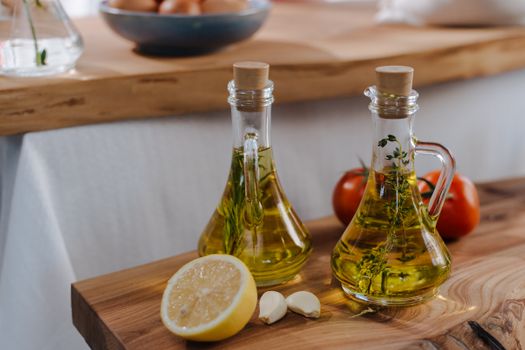 Photo: Ron Lach / Pexels
Now that we understand the basics of healthy fats, let's dive into the specifics of what are the healthiest cooking oils available and how best to incorporate them into your daily culinary routine. The 'best' oil isn't a one-size-fits-all answer; it largely depends on the cooking method, desired flavor, and specific health goals. We'll explore several top contenders, highlighting their unique benefits and ideal applications.
**Extra Virgin Olive Oil (EVOO):** This is arguably the king of healthy cooking oils, especially for low to medium-heat cooking and finishing dishes. EVOO is rich in monounsaturated fatty acids (MUFAs), primarily oleic acid, and packed with powerful antioxidants called polyphenols. These compounds are responsible for its anti-inflammatory properties and its ability to protect against heart disease. Its smoke point is typically around 375°F (190°C), making it perfect for sautéing vegetables, making salad dressings, marinades, and drizzling over finished meals. While some sources suggest it's unsuitable for higher heats, studies have shown EVOO to be quite stable even when used for pan-frying, as its antioxidants help protect against oxidation. However, for deep frying or very high-heat searing, other oils might be more appropriate to preserve its delicate flavor and nutritional integrity. Always opt for 'extra virgin' as it signifies the least processed form.
**Avocado Oil:** A true powerhouse for high-heat cooking, avocado oil boasts an impressive smoke point of up to 520°F (270°C). Like olive oil, it's predominantly composed of monounsaturated fats, making it heart-healthy. It also contains vitamin E, a potent antioxidant. Its neutral flavor makes it incredibly versatile, allowing the natural taste of your ingredients to shine through. Use avocado oil for grilling, roasting, searing, stir-frying, and even baking. It's an excellent choice for any application where high heat is involved, providing a healthy fat source without imparting a strong flavor profile. Look for cold-pressed or unrefined versions to maximize nutrient retention.
**Flaxseed Oil:** While not suitable for cooking due to its very low smoke point (around 225°F or 107°C) and delicate nature, flaxseed oil is an exceptional source of alpha-linolenic acid (ALA), a plant-based omega-3 fatty acid. It's best used as a finishing oil, added to smoothies, salad dressings, or drizzled over oatmeal and yogurt after cooking. Its potent anti-inflammatory properties make it a valuable addition to a health-conscious diet, helping to balance the omega-3 to omega-6 ratio. Store it in the refrigerator in a dark bottle to prevent oxidation.
**Walnut Oil:** Similar to flaxseed oil, walnut oil is rich in omega-3s and has a distinctive nutty flavor. It's best reserved for cold applications like salad dressings, pestos, or drizzling over roasted vegetables or pasta dishes. Its smoke point is low (around 320°F or 160°C), so avoid heating it. It adds a sophisticated flavor dimension to dishes and contributes valuable essential fatty acids.
**Sesame Oil (Toasted):** Known for its distinct, rich, nutty aroma and flavor, toasted sesame oil is a staple in Asian cuisine. While it does contain some beneficial fats, its primary role is as a flavoring agent rather than a cooking oil for high heat. Its smoke point is relatively low (around 350°F or 177°C), making it suitable for low-heat sautéing or, more commonly, as a finishing oil for stir-fries, soups, and marinades. A little goes a long way to impart its characteristic taste.
**Grapeseed Oil:** With a relatively high smoke point (up to 420°F or 216°C) and a neutral flavor, grapeseed oil is often touted as a versatile cooking oil. It's high in polyunsaturated fats, specifically omega-6 linoleic acid. While it's a decent option for general cooking, it's important to remember the omega-6 dominance in the Western diet. If you're using grapeseed oil, try to balance your overall fat intake with more omega-3 rich foods. It's a good choice for baking or light sautéing where a neutral oil is desired. However, many grapeseed oils are highly refined, which can diminish their health benefits.
When evaluating what are the healthiest cooking oils, consider a diverse approach. Keep EVOO and avocado oil as your primary workhorses for most cooking, and use specialty oils like flaxseed or walnut for their unique nutritional profiles and flavor contributions in cold preparations. The goal is to build a pantry that supports various cooking needs while maximizing health benefits.
Navigating Smoke Points and Refining Processes for Optimal Health
 Photo: RDNE Stock project / Pexels
Beyond the type of fat, two critical factors heavily influence an oil's healthfulness and suitability for cooking: its smoke point and the refining process it undergoes. Understanding these elements is paramount when selecting what are the healthiest cooking oils for your kitchen, as they directly impact the oil's stability, nutritional integrity, and even the safety of your food.
Cooking methods vary greatly, and so should your oil choices.
**The Crucial Role of Smoke Point:** Every cooking oil has a specific smoke point – the temperature at which it begins to break down, smoke, and produce harmful compounds. When an oil reaches its smoke point, its beneficial fatty acids start to oxidize, forming free radicals and other toxic byproducts like acrolein, which can be irritating and potentially carcinogenic. These compounds not only impart an unpleasant burnt flavor to your food but can also contribute to cellular damage in the body. Therefore, matching the oil's smoke point to your cooking temperature is not just about flavor; it's a fundamental aspect of healthy cooking.
* **Low Smoke Point Oils (under 325°F/160°C):** These are best for salad dressings, marinades, dips, or drizzling over finished dishes. Examples include flaxseed oil, walnut oil, and some unrefined pumpkin seed oils. Heating them significantly diminishes their health benefits and can create harmful substances.
* **Medium Smoke Point Oils (325-375°F/160-190°C):** Suitable for light sautéing, baking, and low-heat roasting. Extra virgin olive oil falls into this category, as does virgin coconut oil. While they can withstand some heat, prolonged high-temperature exposure should be avoided to preserve their delicate compounds.
* **High Smoke Point Oils (375-450°F/190-230°C):** Ideal for general pan-frying, oven roasting, and moderate stir-frying. Refined olive oil (not extra virgin), refined avocado oil, and some refined sunflower oils are examples. Their stability at these temperatures reduces the risk of oxidation.
* **Very High Smoke Point Oils (above 450°F/230°C):** Best for deep frying, searing, grilling, and very high-heat stir-frying. Refined avocado oil, safflower oil (high oleic), and peanut oil are good choices here. These oils are engineered to withstand extreme heat without breaking down quickly.
**The Impact of Refining Processes:** The journey from raw plant material to bottled oil can vary significantly, and this processing profoundly affects an oil's composition and health profile. Understanding refined versus unrefined oils is key to identifying what are the healthiest cooking oils.
* **Unrefined Oils (Cold-Pressed/Expeller-Pressed):** These oils are extracted using mechanical pressure, without the use of high heat or chemical solvents. This gentle process helps retain the oil's natural flavor, color, aroma, and, most importantly, its beneficial nutrients, antioxidants, and phytochemicals. Extra virgin olive oil, cold-pressed avocado oil, and unrefined coconut oil are prime examples. While nutritionally superior, their lower smoke points and distinct flavors mean they aren't always suitable for all cooking applications. They are often more expensive due to the less efficient extraction method.
* **Refined Oils:** These oils undergo extensive processing, which typically involves high heat, chemical solvents (like hexane), deodorization, and bleaching. This process removes impurities, extends shelf life, neutralizes strong flavors, and significantly increases the smoke point. While a higher smoke point is desirable for certain cooking methods, the trade-off is a loss of most of the natural antioxidants, vitamins, and beneficial compounds. The chemical refining can also introduce trans fats or other undesirable byproducts. Common refined oils include standard vegetable oil blends (soybean, corn, canola), refined sunflower oil, and refined peanut oil. While they offer versatility and affordability, they are generally less nutrient-dense than their unrefined counterparts.
When prioritizing health, lean towards unrefined oils for low to medium-heat cooking and finishing. For high-heat applications, a refined oil with a high smoke point, like refined avocado oil or high-oleic safflower oil, can be a better choice to prevent the formation of harmful compounds, even if it means sacrificing some micronutrients. The goal is to choose an oil that remains stable and doesn't degrade into toxins during the cooking process. A thoughtful approach to both smoke points and refining methods will empower you to make healthier choices in the kitchen.
Practical Tips and Common Mistakes When Choosing Cooking Oils
 Photo: Lionel Ntasano / Pexels
Choosing what are the healthiest cooking oils goes beyond just picking a bottle off the shelf; it involves mindful selection, proper storage, and understanding how different oils interact with heat. Here are some practical tips to optimize your oil choices and common mistakes to avoid.
**Practical Tips for Choosing and Using Healthy Cooking Oils:**
* **Diversify Your Oil Pantry:** Don't rely on just one oil. Keep a variety of oils suitable for different purposes. For instance, extra virgin olive oil for dressings and light sautéing, avocado oil for high-heat cooking, and flaxseed oil for cold applications.
* **Prioritize Unrefined Where Possible:** For maximum nutritional benefits and flavor, opt for unrefined, cold-pressed oils like EVOO or cold-pressed avocado oil, especially for dishes that don't require high heat.
* **Read Labels Carefully:** Look for terms like 'cold-pressed,' 'unrefined,' or 'extra virgin.' Check for organic certifications if that's important to you. Be wary of 'light' olive oil, which refers to its lighter flavor and color, not necessarily fewer calories or a healthier profile; it's often a refined olive oil blend.
* **Store Oils Properly:** Light, heat, and air are enemies of oil, causing them to oxidize and go rancid. Store oils in cool, dark places, preferably in dark glass bottles. Refrigerate delicate oils like flaxseed or walnut oil after opening.
* **Don't Overheat Oils:** Always match the oil's smoke point to your cooking method. If an oil is smoking, it's already past its prime and potentially forming harmful compounds. Discard and restart.
* **Consider High-Oleic Options:** For some oils (like sunflower or safflower), you can find 'high-oleic' varieties. These have been bred to have a higher monounsaturated fat content, making them more stable and healthier for cooking than their standard polyunsaturated counterparts.
* **Balance Omega-3s and Omega-6s:** While many healthy oils contain omega-6s, actively seek out sources of omega-3s (like flaxseed oil, walnuts, fatty fish) to help maintain a healthy balance in your diet.
**Common Mistakes to Avoid:**
* **Using EVOO for Deep Frying:** While EVOO is more stable than previously thought, its lower smoke point and delicate flavor profile make it less ideal for prolonged high-heat cooking like deep frying. You'll lose its beneficial compounds and impart a potentially bitter flavor.
* **Believing 'Vegetable Oil' is Always Healthy:** Generic 'vegetable oil' is often a blend of highly refined, omega-6 rich oils like soybean, corn, or canola. While they have high smoke points, their extensive processing and high omega-6 content make them less ideal for regular, heavy use compared to, say, avocado oil or EVOO.
* **Storing Oils Near the Stove:** The heat from your stove will accelerate oxidation and cause oils to go rancid faster. Keep them in a pantry or cupboard away from direct heat and light.
* **Ignoring Rancidity:** If an oil smells 'off' (like crayons, stale nuts, or metallic), it's rancid. Consuming rancid oil introduces free radicals into your body and can be detrimental to health. When in doubt, throw it out.
* **Assuming All Coconut Oil is the Same:** Virgin (unrefined) coconut oil has a distinct flavor and some beneficial compounds, but it's high in saturated fat. Refined coconut oil is flavorless and has a higher smoke point but lacks some of the virgin oil's benefits. Choose based on your culinary need and dietary preferences, but be mindful of its saturated fat content.
* **Overlooking Trans Fats:** Be vigilant about partially hydrogenated oils, which are a source of artificial trans fats and should be avoided entirely. While food labeling has improved, it's always good to check ingredient lists, especially for processed foods that might contain them.
By being informed and making conscious choices, you can effectively navigate the world of cooking oils, ensuring you're always using what are the healthiest cooking oils for your specific needs, enhancing both the flavor and nutritional value of your meals.
