✓ Gluten-free baking doesn't have to be complicated or intimidating for beginners.
✓ The right flour blend is crucial for successful gluten-free baked goods.
✓ Simple substitutions can transform many classic recipes into gluten-free versions.
✓ Moisture and structure are key considerations in gluten-free baking.
How It Works
1
Understand Your Flours
Gluten-free baking relies on a blend of different flours, not just one. Learn about common options like rice flour, almond flour, and tapioca starch.
2
Master Basic Techniques
Focus on simple recipes first, like cookies or muffins, to build confidence. Precision in measuring is even more important in gluten-free baking.
3
Embrace Essential Additives
Xanthan gum or psyllium husk powder are often used to mimic gluten's binding properties. Understand how to incorporate them correctly for best results.
4
Experiment and Enjoy
Don't be afraid to try different recipes and adjust them to your taste. Gluten-free baking is a journey of discovery and delicious rewards.
Demystifying Gluten-Free Flours for Beginners
Photo: alleksana / Pexels
Embarking on your gluten-free baking journey begins with understanding the cornerstone of all baked goods: flour. Unlike traditional baking where wheat flour reigns supreme, gluten-free baking requires a more nuanced approach, often involving a blend of several different flours. This might sound daunting at first, but it's actually an exciting opportunity to explore new textures and flavors. For beginners, the key is to start with pre-made, all-purpose gluten-free flour blends. These blends are specifically formulated to provide the right balance of structure, flavor, and texture, taking much of the guesswork out of the equation. Look for brands that clearly state 'all-purpose' and are suitable for a variety of baking applications. Many popular brands offer excellent blends that are readily available in most supermarkets across the US.
Beyond pre-made blends, it's helpful to know about the individual flours that contribute to these mixtures. Rice flour, both white and brown, is a common base, offering a neutral flavor and good structure. Tapioca starch (or tapioca flour) is fantastic for adding chewiness and a crisp crust, while potato starch contributes to a light, tender crumb. Almond flour, rich in protein and fiber, adds moisture and a delicate nutty flavor, making it a favorite for cakes and cookies. Coconut flour is highly absorbent and best used in small quantities, imparting a subtle sweetness and unique texture. Understanding these individual components will empower you to eventually create your own blends or tweak existing recipes. However, for your first forays into gluten free baking recipes beginners, sticking to a reliable, pre-made blend is highly recommended. It allows you to focus on the baking process itself without getting bogged down in complex flour ratios. Remember, consistency in measuring is paramount in gluten-free baking, so invest in a good kitchen scale if you don't already have one. This precision will significantly improve your results and build your confidence. As you gain experience, you'll start to recognize how different flours behave and how to best utilize them to achieve your desired outcome. For more in-depth information on specific flour properties, check out this guide on gluten-free flour types. The journey of gluten-free baking is a delicious one, and it all starts with a solid understanding of your ingredients.
Essential Gluten-Free Baking Techniques for Success
Photo: Taryn Elliott / Pexels
Once you've got your gluten-free flour blend in hand, it's time to dive into the techniques that will ensure your baked goods are not just edible, but truly delicious. Gluten, the protein found in wheat, provides elasticity and structure. Without it, gluten-free doughs and batters can be more delicate and prone to crumbling. This is where understanding a few key techniques becomes invaluable. Firstly, don't overmix. While traditional baking often benefits from developing gluten through kneading, overmixing gluten-free batters can lead to tough, dense results. Mix until just combined, and no more. This applies especially to quick breads, muffins, and cakes. The goal is to incorporate ingredients thoroughly without introducing too much air or developing a tough texture.
Secondly, consider the role of binders. Since gluten isn't present to hold things together, many gluten-free recipes call for additional binders like xanthan gum or psyllium husk powder. Xanthan gum, often already included in all-purpose gluten-free blends, acts as a stabilizer and emulsifier, mimicking gluten's elasticity. If your blend doesn't contain it, adding about ½ teaspoon per cup of flour for cookies and cakes, and 1 teaspoon per cup for breads, is a good starting point. Psyllium husk powder, on the other hand, absorbs a lot of liquid and provides a more bread-like chewiness. It's particularly useful for yeast-risen gluten-free breads. Always follow recipe instructions carefully regarding these binders, as too much can result in a gummy texture, and too little can lead to crumbling.
Thirdly, hydration is key. Gluten-free flours tend to absorb more liquid than wheat flour. Don't be surprised if your gluten-free batter seems wetter than its wheat-based counterpart; this is often intentional to prevent dry, crumbly results. Allow batters to rest for 10-15 minutes before baking. This resting period allows the flours to fully hydrate, leading to a better texture and less grittiness. Also, remember that gluten-free baked goods can sometimes brown faster than traditional ones due to different sugar and protein compositions in the flours. Keep an eye on your oven and consider covering your baked goods with foil if they're browning too quickly. Mastering these techniques will empower you to create a wide range of delicious gluten-free treats, making gluten free baking recipes beginners a joy rather than a challenge.
Foolproof Gluten-Free Recipes for Your First Bakes
Photo: Elle Hughes / Pexels
Now that you're armed with knowledge about flours and techniques, it's time to get baking! Starting with simple, forgiving recipes is the best way to build confidence and enjoy immediate success. Here are a few foolproof gluten free baking recipes beginners will love, designed to minimize complexity while maximizing deliciousness.
**1. Classic Gluten-Free Chocolate Chip Cookies:** This is often the first recipe many bakers tackle, and for good reason. They're universally loved and relatively simple. The key to great gluten-free chocolate chip cookies is using a good quality all-purpose gluten-free flour blend (with xanthan gum included or added separately). Ensure your butter is at room temperature for proper creaming, and don't overbake them – slightly underbaked cookies will be chewier. Chilling the dough for at least 30 minutes can also improve their texture and prevent spreading. The classic combination of sweet and salty, with gooey chocolate chips, makes these an instant hit and a fantastic introduction to gluten-free baking. They prove that you don't have to sacrifice flavor or texture when going gluten-free. For a truly decadent experience, try adding a sprinkle of sea salt on top before baking.
**2. Simple Gluten-Free Banana Bread:** Banana bread is incredibly forgiving, making it perfect for beginners. The natural moisture and sweetness from ripe bananas help compensate for the lack of gluten, resulting in a wonderfully moist and flavorful loaf. Use very ripe, spotty bananas for the best flavor. Again, an all-purpose gluten-free flour blend works beautifully here. You can add nuts, chocolate chips, or even a swirl of cinnamon for extra flavor. Don't worry if the batter seems a bit thick; that's normal for banana bread. Bake until a toothpick inserted into the center comes out clean, but avoid overbaking to keep it moist. This recipe is a fantastic way to utilize overripe bananas and create a comforting treat that's perfect for breakfast or a snack. It's a testament to how adaptable many traditional recipes are to a gluten-free format. Learn more about adapting recipes here.
**3. Easy Gluten-Free Berry Muffins:** Muffins are another excellent starting point. They're quick to mix up and bake, and the fruit adds natural moisture and flavor. Choose your favorite berries – blueberries, raspberries, or mixed berries work wonderfully. The 'muffin method' of mixing (combining dry and wet ingredients separately, then gently folding them together until just combined) is ideal for gluten-free muffins to prevent toughness. Fill muffin liners about two-thirds full and bake until golden brown. These are perfect for a grab-and-go breakfast or a light dessert, showcasing how versatile and delicious gluten-free baking can be without requiring complex steps or ingredients. The natural acidity of the berries also interacts nicely with baking soda, helping with the rise and creating a tender crumb. These three recipes provide a solid foundation for any beginner, demonstrating that delicious gluten-free baked goods are well within reach.
Common Pitfalls and Pro Tips for Gluten-Free Baking Beginners
Photo: Lara / Pexels
Even with the right recipes, beginners in gluten-free baking can encounter common challenges. Being aware of these pitfalls and armed with pro tips will significantly improve your results and reduce frustration. One major pitfall is expecting gluten-free baked goods to be exact replicas of their wheat-based counterparts. While many come incredibly close, slight differences in texture, crumb, or rise are often normal and should be embraced rather than seen as failures. Adjust your expectations and focus on creating delicious treats in their own right.
Another common mistake is not measuring accurately. In gluten-free baking, precision is even more critical than in traditional baking. Using a kitchen scale to measure flours and other dry ingredients by weight (grams) rather than volume (cups) will yield far more consistent and reliable results. Different gluten-free flours have varying densities, so a cup of almond flour weighs significantly less than a cup of rice flour, despite looking like the same volume. This small change in your routine can make a huge difference in the outcome of your bakes.
**Pro Tips for Success:**
* **Read the Entire Recipe First:** Before you even pull out your mixing bowls, read the recipe from start to finish. This helps you understand the process, gather all necessary ingredients, and anticipate any special steps.
* **Room Temperature Ingredients:** For most recipes (especially those involving creaming butter and sugar), ensure your eggs and dairy are at room temperature. This allows them to emulsify better, creating a smoother batter and a more uniform texture.
* **Don't Skimp on Fat and Moisture:** Gluten-free flours can be dry. Many recipes compensate by using slightly more fat (butter, oil) or moisture (yogurt, applesauce, extra eggs). Don't be tempted to reduce these amounts, especially when starting out.
* **Let It Rest:** As mentioned earlier, allowing gluten-free batters (especially those for muffins, quick breads, and cakes) to rest for 10-15 minutes before baking helps hydrate the flours, leading to a less gritty and more tender product.
* **Parchment Paper is Your Friend:** Gluten-free baked goods can sometimes stick more easily. Lining baking pans with parchment paper is an excellent way to ensure easy release and prevent frustration.
* **Store Properly:** Gluten-free baked goods can dry out faster. Store them in airtight containers at room temperature or freeze them for longer freshness. Some items, like breads, can benefit from being slightly underbaked and then toasted before serving.
* **Embrace the Chewiness:** Some gluten-free baked goods, particularly cookies, can have a slightly chewier texture. This isn't a flaw; it's a characteristic. Learn to appreciate these subtle differences.
* **Keep a Baking Journal:** Note down successful recipes, any adjustments you made, and what worked or didn't. This will be an invaluable resource as you become a more experienced gluten-free baker.
By avoiding these common pitfalls and implementing these pro tips, you'll find that gluten free baking recipes beginners can be incredibly rewarding and produce truly delicious results.
Comparison
Feature
All-Purpose GF Flour Blend
Single GF Flour (e.g., Rice)
Wheat Flour
Ease for Beginners
Excellent
Challenging
Very Easy
Requires Xanthan Gum (usually)
No (often included)
Yes
No
Texture Consistency
Very Good
Variable
Excellent
Versatility
High
Low (specific uses)
High
Cost
Moderate-High
Low-Moderate
Low
What Readers Say
★★★★★
"This guide made starting gluten-free baking so much less intimidating! The tips on flours and resting dough were game-changers. My first batch of cookies was perfect."
Sarah P. · Austin, TX
★★★★★
"As a total novice, I appreciated the focus on simple gluten free baking recipes beginners. The banana bread recipe was a huge hit with my family, even the non-GF eaters!"
Mark D. · Portland, OR
★★★★★
"I used to dread gluten-free baking, but this article explained everything so clearly. My muffins finally stopped crumbling, and I owe it all to the hydration tips."
Emily R. · Chicago, IL
★★★★★
"Good practical advice, especially on using a kitchen scale. I still find some recipes a bit tricky, but this definitely gave me a much better starting point than other guides."
David L. · Denver, CO
★★★★★
"Finally, a guide that doesn't overcomplicate things! My kids have celiac, and finding easy gluten free baking recipes beginners is a blessing. We made the chocolate chip cookies, and they disappeared in minutes!"
Jessica M. · Miami, FL
Frequently Asked Questions
What is the most important ingredient for successful gluten-free baking?
The most important ingredient is a good quality all-purpose gluten-free flour blend, preferably one that already contains xanthan gum. This blend provides the necessary structure and texture that individual gluten-free flours might lack on their own, making it easier for beginners to achieve consistent results across various recipes.
Will my gluten-free baked goods taste different from regular ones?
While many gluten-free baked goods come incredibly close to their traditional counterparts, there can be subtle differences in flavor and texture. Some gluten-free flours have distinct tastes, and the absence of gluten can result in a slightly different crumb or chewiness. However, with good recipes and techniques, they can be equally, if not more, delicious.
How do I prevent my gluten-free baked goods from being dry and crumbly?
To prevent dryness and crumbling, ensure you are using enough moisture and fat in your recipes. Many gluten-free flours are very absorbent, so batters often need to be wetter than their wheat counterparts. Additionally, don't overbake, as this is a common cause of dryness. Using binders like xanthan gum also helps with structure and moisture retention.
Is gluten-free baking more expensive than traditional baking?
Generally, gluten-free flours and specialized ingredients tend to be more expensive than conventional wheat flour. However, the cost can be mitigated by buying in bulk, using readily available ingredients like rice flour, and focusing on simple, whole-food recipes that don't require many specialty items. The value comes in being able to enjoy baked goods despite dietary restrictions.
How do gluten-free baking recipes differ from traditional ones?
The primary difference lies in the flour composition and the need for binders. Gluten-free recipes typically use a blend of non-wheat flours and often include ingredients like xanthan gum or psyllium husk to replicate the binding and elastic properties of gluten. Mixing techniques might also differ, often emphasizing gentle mixing to avoid toughness.
Who should consider using gluten free baking recipes beginners?
Anyone with celiac disease, gluten sensitivity, or those choosing a gluten-free lifestyle will benefit from these recipes. They are also great for people baking for friends or family with gluten restrictions, or simply for those looking to experiment with new ingredients and expand their baking repertoire.
Are there any health risks associated with gluten-free flours?
For individuals without celiac disease or gluten sensitivity, there are no inherent health risks with gluten-free flours. However, some pre-made gluten-free products can be higher in sugar, fat, and refined starches. Focusing on whole, unprocessed gluten-free flours and balanced recipes is key for a healthy diet.
What are some upcoming trends in gluten-free baking?
Upcoming trends include a greater emphasis on whole grain gluten-free flours (like sorghum and millet), incorporating ancient grains, and using natural binders such as chia seeds or flax seeds. There's also a growing interest in naturally leavened gluten-free sourdough and plant-based gluten-free options, offering more diverse and healthier choices.
Ready to whip up some delicious treats without the gluten? With these easy gluten free baking recipes beginners, you have all the tools and confidence to start your baking adventure today. Your kitchen (and your taste buds) will thank you!

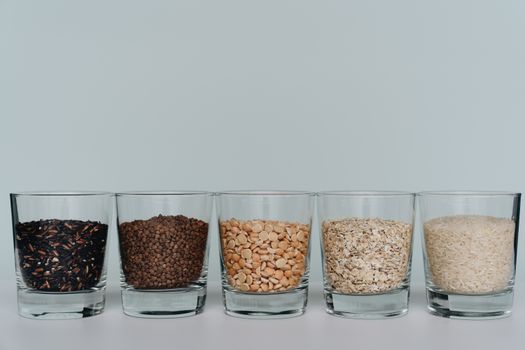 Photo: alleksana / Pexels
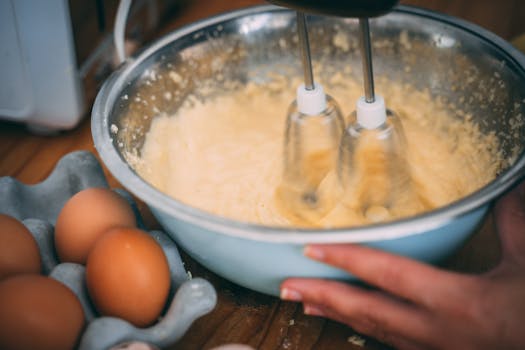 Photo: Taryn Elliott / Pexels
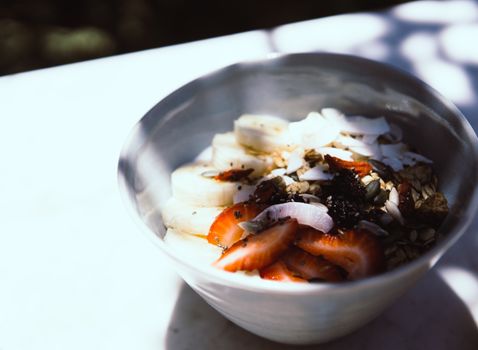 Photo: Elle Hughes / Pexels
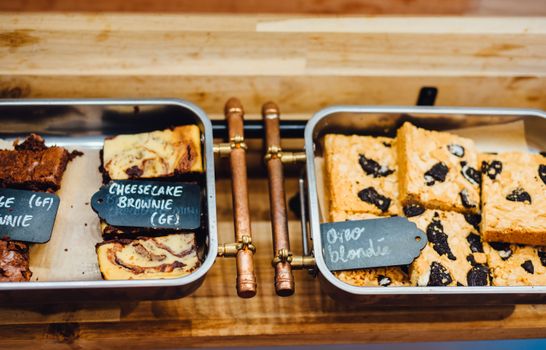 Photo: Lara / Pexels