Delicious & Easy Gluten Free Baking Recipes for Everyone
June 21, 2026 17 min read 3,390 words
Unlock a world of delightful, fuss-free gluten-free baking that tastes incredible and fits perfectly into your busy life.
Start Baking Now!
Unlocking the Secrets to Successful Gluten Free Baking Recipes Easy
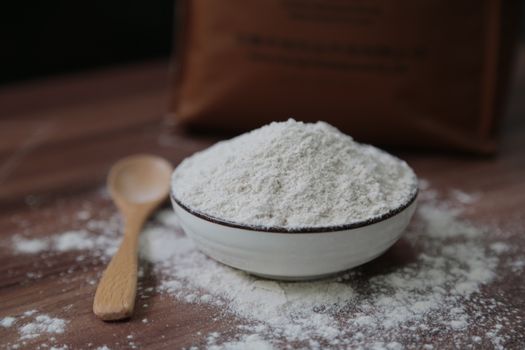 Photo: 军 胡 / Pexels
For many, the phrase 'gluten-free baking' conjures images of dry, crumbly, or dense concoctions that barely resemble their wheat-filled counterparts. However, this couldn't be further from the truth in today's culinary landscape. With advancements in gluten-free flours and a deeper understanding of how these ingredients interact, creating truly delicious and easy gluten free baking recipes is not only possible but incredibly straightforward. The key lies in understanding the fundamentals and embracing a few core principles that differ slightly from traditional baking. Gluten, the protein found in wheat, rye, and barley, provides structure and elasticity to baked goods. When removed, we need to find alternative ways to achieve that desirable texture and rise. This often involves using a blend of gluten-free flours, starches, and natural binders.
One of the most common pitfalls for beginners is attempting to simply swap out wheat flour for a single gluten-free alternative like rice flour. While rice flour is a staple, it lacks the complex protein structure of wheat and can lead to dense, gritty results on its own. The magic happens when you combine several gluten-free flours, each contributing unique properties. For instance, a typical gluten-free flour blend might include a 'heavy' flour like brown rice flour for structure, a 'light' flour like tapioca starch or cornstarch for tenderness, and a 'protein' flour like almond flour or sorghum flour for flavor and nutrient boost. Additionally, binders such as xanthan gum or psyllium husk powder are almost always essential. These mimic the role of gluten by providing elasticity and preventing crumbling, ensuring your baked goods hold together beautifully. Without them, your cookies might spread too much, or your bread might fall apart. The beauty of modern gluten-free baking is that many high-quality, pre-mixed gluten-free flour blends are readily available, making the process even easier for beginners. These blends often contain the perfect ratio of flours and starches, sometimes even including xanthan gum, simplifying your ingredient list and increasing your chances of success. Always check the label to see if a binder is already included. If not, you'll need to add it separately according to your recipe's instructions, typically in very small amounts (e.g., 1/4 to 1/2 teaspoon per cup of flour blend).
Moisture content is another critical factor. Gluten-free flours tend to absorb more liquid than wheat flour, which can lead to dry baked goods if not properly accounted for. Recipes specifically designed as
easy gluten free baking recipes will often include extra fats (like butter, oil, or coconut oil), more eggs, or ingredients like applesauce, yogurt, or mashed banana to boost moisture. Don't be tempted to reduce these liquids, as they are vital for creating a tender crumb. Furthermore, giving your batter or dough a little resting time before baking can allow the flours to fully hydrate, leading to a better texture. This is especially true for items like muffins or quick breads. By understanding these foundational principles – using appropriate flour blends, incorporating binders, and managing moisture – you'll be well on your way to mastering the art of gluten-free baking and enjoying a wide array of delicious treats without compromise.
Essential Gluten-Free Flour Blends and Binders for Beginners
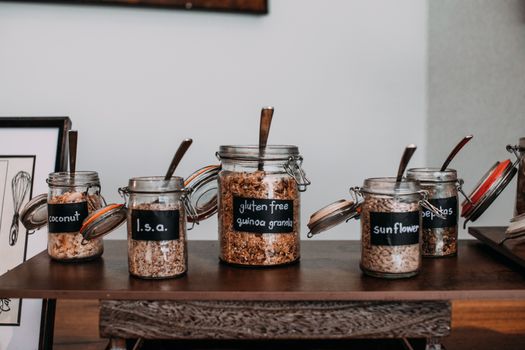 Photo: Rachel Claire / Pexels
Diving into gluten-free baking can feel like learning a new language, especially when confronted with an array of unfamiliar flours. However, mastering a few key blends and understanding the role of binders will quickly make you proficient in creating easy gluten free baking recipes. The goal is to replicate the structure and texture that gluten provides, and this is best achieved through a combination of flours, not just one.
Let's break down some common and effective gluten-free flours:
* **Brown Rice Flour:** A staple in many blends, it provides structure and a slightly nutty flavor. It's relatively inexpensive and widely available. Use it as a base for many recipes.
* **White Rice Flour:** Lighter in texture than brown rice flour, it's good for delicate baked goods. It can be a bit gritty on its own, so it's best combined with other flours.
* **Tapioca Starch (or Flour):** This is a fantastic starch that adds chewiness, elasticity, and a crispy crust. It's often used in conjunction with other flours to improve texture and lightness.
* **Potato Starch:** Similar to tapioca, potato starch contributes to a light, tender crumb and helps with binding. It's particularly good for cakes and cookies.
* **Almond Flour:** Made from blanched, ground almonds, this flour adds moisture, protein, and a rich flavor. It’s naturally low in carbs and great for adding richness to cakes, cookies, and even savory dishes. Because it's nut-based, it can be higher in fat, which is excellent for moisture but means you might need to adjust liquids in some recipes.
* **Sorghum Flour:** A whole-grain flour with a mild, slightly sweet flavor. It's a good source of fiber and protein, providing structure and a tender crumb. It works well in combination with lighter starches.
* **Oat Flour (Certified Gluten-Free):** If you're not sensitive to oats, certified gluten-free oat flour adds a lovely chewiness and wholesome flavor. It's excellent in muffins, cookies, and quick breads.
Now, let's talk about the unsung heroes of gluten-free baking: binders. These ingredients are crucial for preventing your baked goods from crumbling apart. The two most common and effective are:
* **Xanthan Gum:** This hydrocolloid is derived from fermented sugar and acts as a powerful thickener and stabilizer. It mimics gluten's elasticity, helping baked goods hold together and preventing them from becoming too crumbly. A little goes a long way – typically 1/4 to 1/2 teaspoon per cup of gluten-free flour blend for most recipes. Too much can result in a gummy texture, so measure precisely.
* **Psyllium Husk Powder:** Made from the husks of psyllium seeds, this fiber-rich ingredient absorbs a lot of liquid and forms a gel-like substance, providing excellent structure and elasticity. It's particularly effective in yeast breads, giving them a more traditional chewy texture. Like xanthan gum, use it sparingly and follow recipe instructions carefully.
For beginners, starting with a high-quality, pre-mixed all-purpose gluten-free flour blend is often the easiest path. Brands like Bob's Red Mill 1-to-1 Baking Flour or King Arthur Gluten-Free Measure for Measure Flour are formulated to be swapped directly for wheat flour in many traditional recipes, often with xanthan gum already included. This takes the guesswork out of blending your own flours and dramatically simplifies the process of creating delicious easy gluten free baking recipes. Always check the ingredients list of your chosen blend to see if it contains a binder, and adjust your recipe accordingly.
Our Top 3 Easy Gluten Free Baking Recipes to Get You Started
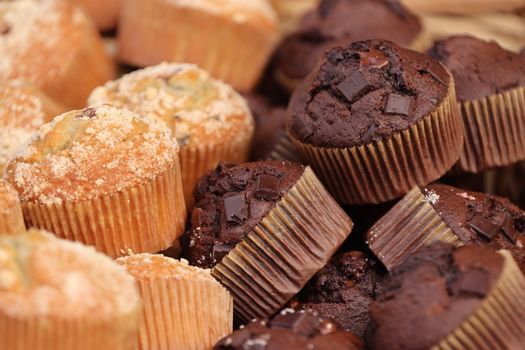 Photo: Efrem Efre / Pexels
Ready to get your hands dirty and create some delicious gluten-free treats? We've curated three incredibly easy gluten free baking recipes that are perfect for beginners and guaranteed to satisfy. These recipes focus on straightforward instructions, readily available ingredients, and consistently delicious results. Forget the fear of failure; these are designed for success!
**1. Chewy Gluten-Free Chocolate Chip Cookies:**
Is there anything more comforting than a warm chocolate chip cookie? This recipe delivers that classic chewy texture and rich flavor, completely gluten-free. It’s a fantastic starting point because cookies are forgiving and quick to bake.
* **Ingredients:** 1/2 cup (1 stick) unsalted butter, softened; 1/2 cup granulated sugar; 1/2 cup packed light brown sugar; 1 large egg; 1 teaspoon vanilla extract; 1 1/2 cups gluten-free all-purpose flour blend (with xanthan gum); 1/2 teaspoon baking soda; 1/4 teaspoon salt; 1 cup chocolate chips (dairy-free if needed).
* **Instructions:** Preheat oven to 375°F (190°C). Line a baking sheet with parchment paper. In a large bowl, cream together butter, granulated sugar, and brown sugar until light and fluffy. Beat in the egg and vanilla until well combined. In a separate bowl, whisk together gluten-free flour blend, baking soda, and salt. Gradually add the dry ingredients to the wet ingredients, mixing until just combined. Stir in the chocolate chips. Drop rounded tablespoons of dough onto the prepared baking sheet, spacing them apart. Bake for 9-12 minutes, or until edges are golden brown and centers are still slightly soft. Let cool on the baking sheet for a few minutes before transferring to a wire rack to cool completely. These cookies are wonderfully adaptable; feel free to add nuts, dried fruit, or different types of chocolate.
**2. Simple Gluten-Free Banana Bread:**
Banana bread is a beloved classic, and this gluten-free version is just as moist and flavorful as the original. It’s a great way to use up overripe bananas and makes for a perfect breakfast, snack, or dessert. The natural moisture from the bananas helps ensure a tender crumb, making this one of the most forgiving
easy gluten free baking recipes.
* **Ingredients:** 1 3/4 cups gluten-free all-purpose flour blend (with xanthan gum); 1 teaspoon baking soda; 1/2 teaspoon ground cinnamon; 1/4 teaspoon salt; 1/2 cup (1 stick) unsalted butter, melted; 1/2 cup granulated sugar; 1/4 cup packed light brown sugar; 2 large eggs, lightly beaten; 1 teaspoon vanilla extract; 3 very ripe medium bananas, mashed.
* **Instructions:** Preheat oven to 350°F (175°C). Grease and flour a 9x5-inch loaf pan with gluten-free flour. In a large bowl, whisk together the gluten-free flour blend, baking soda, cinnamon, and salt. In a separate medium bowl, whisk together the melted butter, granulated sugar, and brown sugar. Stir in the beaten eggs and vanilla extract. Add the mashed bananas and mix until combined. Pour the wet ingredients into the dry ingredients and mix with a spatula until just combined. Do not overmix. Pour the batter into the prepared loaf pan and smooth the top. Bake for 50-60 minutes, or until a wooden skewer inserted into the center comes out clean. If the top browns too quickly, tent loosely with foil. Let cool in the pan for 10 minutes before inverting onto a wire rack to cool completely. Slice and enjoy!
**3. Quick Gluten-Free Berry Muffins:**
These muffins are light, fluffy, and bursting with fresh berry flavor. They're incredibly versatile – use any berries you have on hand – and come together in under 30 minutes of prep time, making them a fantastic option for a quick breakfast or afternoon treat. Muffins are another excellent entry point into gluten-free baking because their rustic nature is forgiving of minor imperfections.
* **Ingredients:** 1 3/4 cups gluten-free all-purpose flour blend (with xanthan gum); 1/2 cup granulated sugar; 2 teaspoons baking powder; 1/4 teaspoon salt; 1 large egg, lightly beaten; 1 cup milk (dairy or non-dairy); 1/4 cup vegetable oil (or melted coconut oil); 1 teaspoon vanilla extract; 1 cup fresh or frozen berries (blueberries, raspberries, mixed berries).
* **Instructions:** Preheat oven to 400°F (200°C). Line a 12-cup muffin tin with paper liners or grease well. In a large bowl, whisk together the gluten-free flour blend, sugar, baking powder, and salt. In a separate medium bowl, whisk together the egg, milk, oil, and vanilla extract. Pour the wet ingredients into the dry ingredients and mix with a spatula until just combined. Be careful not to overmix; a few lumps are fine. Gently fold in the berries. Divide the batter evenly among the 12 muffin cups. Bake for 18-22 minutes, or until golden brown and a wooden skewer inserted into the center of a muffin comes out clean. Let cool in the muffin tin for a few minutes before transferring to a wire rack to cool completely. These muffins are best enjoyed fresh but can be stored in an airtight container for a few days or frozen for longer storage.
Common Pitfalls and Pro Tips for Easy Gluten Free Baking
 Photo: Çiğdem Bilgin / Pexels
Even with the best recipes, gluten-free baking can present unique challenges. Knowing what to watch out for and adopting a few professional tips can significantly improve your results and make the process truly easy and enjoyable. Avoid these common pitfalls and embrace these pro strategies to elevate your gluten-free creations.
**Common Pitfalls:**
* **Not using a binder (or using too much/too little):** As discussed, xanthan gum or psyllium husk powder are crucial. Forgetting them leads to crumbly results. Adding too much can make baked goods gummy or dense. Always follow recipe specifics.
* **Overmixing the batter:** While traditional baking often benefits from vigorous mixing, gluten-free batters can become tough or dense if overmixed. Mix just until ingredients are combined.
* **Not letting the batter rest:** Gluten-free flours need time to absorb liquids. A 10-15 minute rest for batters (like muffins or quick breads) can improve hydration, leading to a moister, more tender crumb.
* **Expecting exact 1:1 substitutions without recipe adjustment:** While some pre-made blends claim 1:1, it's not always true for all recipes. Relying on recipes specifically developed for gluten-free baking is best, especially for yeast breads or delicate pastries.
* **Baking at too high a temperature or for too long:** Gluten-free baked goods can brown faster and dry out more quickly than their gluten-containing counterparts. Keep an eye on them and adjust baking times/temperatures as needed.
* **Not weighing ingredients:** For gluten-free baking, precision is paramount. Flours can vary significantly in weight by volume. Using a kitchen scale for flours and starches will yield much more consistent results.
**Pro Tips for Success:**
* **Use Room Temperature Ingredients:** Eggs, butter, and dairy products should be at room temperature unless the recipe specifies otherwise. This allows for better emulsification and a smoother batter, leading to a more consistent final product.
* **Sift Your Dry Ingredients:** Gluten-free flours can clump easily. Sifting helps to aerate them, remove lumps, and ensures they are evenly distributed throughout the batter, preventing pockets of unmixed flour.
* **Don't Skimp on Moisture:** Gluten-free flours are thirsty! Many recipes call for extra eggs, oil, applesauce, or yogurt. These aren't just for flavor; they're essential for preventing dryness and achieving a tender texture.
Explore more gluten-free baking tips to find out how to use different moisture enhancers.
* **Embrace Smaller Portions:** Gluten-free items, especially cakes and breads, can sometimes be more fragile. Baking in smaller loaf pans, muffin tins, or as individual cookies can reduce the chances of crumbling when handling.
* **Cool Completely:** Gluten-free baked goods can be delicate when hot. Resist the urge to cut into them immediately. Allowing them to cool completely on a wire rack helps them firm up and prevents crumbling.
* **Store Properly:** Many gluten-free items can dry out faster. Store them in an airtight container at room temperature for a day or two, or freeze for longer freshness. Thaw at room temperature or gently warm before serving.
* **Experiment with Flavors:** Don't be afraid to add spices like cinnamon, nutmeg, or cardamom, or extracts like almond or lemon. These can enhance the overall flavor profile and mask any subtle residual flavors from alternative flours.
By keeping these tips and pitfalls in mind, you'll find that creating easy gluten free baking recipes is not just achievable, but truly rewarding, leading to consistently delicious results.
