The Difference Between Organic and Natural Food Explained
difference between organic and natural food

The Difference Between Organic and Natural Food Explained

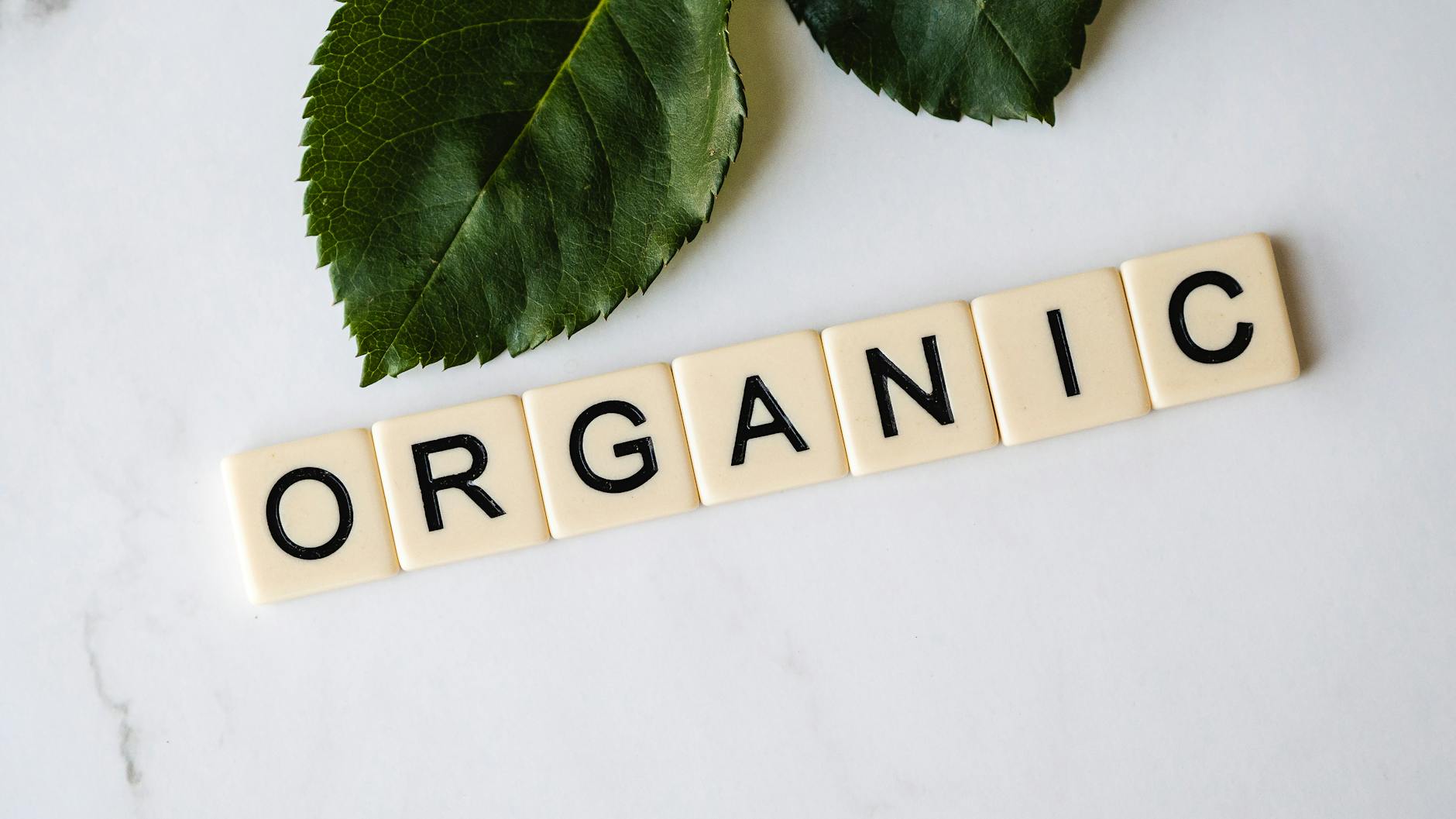
Close-up of 'ORGANIC' spelled with tiles next to a leaf on a marble surface.Photo: Fuzzy Rescue / Pexels

The Difference Between Organic and Natural Food Explained

Navigate your grocery aisles with confidence by understanding the distinct meanings and regulations behind 'organic' and 'natural' food labels.

Understand the Labels Now

Key Takeaways

  • ✓ Organic food adheres to strict USDA regulations covering farming, processing, and handling.
  • ✓ Natural food has no formal, regulated definition by the USDA (except for meat and poultry).
  • ✓ Organic labels guarantee no synthetic pesticides, fertilizers, GMOs, or growth hormones.
  • ✓ 'Natural' often implies minimal processing and no artificial ingredients, but lacks verification.

How It Works

1
Identify the Label

Look for the USDA Organic seal for certified organic products. For 'natural' products, read ingredient lists carefully as there's no universal seal.

2
Understand the Regulations

Know that 'organic' is a legally defined term with strict oversight. 'Natural' is largely a marketing term without specific governmental standards for most foods.

3
Evaluate Ingredients

For both, scrutinize the ingredient list. Organic guarantees absence of certain substances, while 'natural' only suggests absence of artificial flavors, colors, or preservatives.

4
Consider Your Priorities

Decide if strict environmental and ethical standards (organic) or simply avoiding artificial additives (natural) aligns best with your dietary and purchasing values.

Unpacking 'Organic': A Deep Dive into Certification and Standards
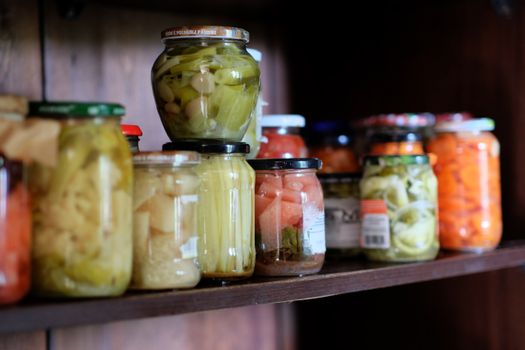
A variety of colorful preserved vegetables in jars arranged on a wooden shelf.Photo: Roman Biernacki / Pexels
The term 'organic' is perhaps one of the most rigorously defined and regulated labels in the food industry, especially in the United States. When you see the USDA Organic seal on a product, it signifies that the food has been produced according to a comprehensive set of standards established by the U.S. Department of Agriculture's National Organic Program (NOP). These standards govern everything from soil quality, animal raising practices, and pest and weed control, to the use of additives. For a product to be labeled '100% Organic,' it must contain only organically produced ingredients. 'Organic' (without the '100%') means at least 95% of its ingredients are organic. Products with 'Made with Organic Ingredients' contain at least 70% organic ingredients, but cannot bear the USDA organic seal. This tiered labeling system ensures transparency for consumers, allowing them to understand the extent of organic content within a product. The core philosophy behind organic farming is to promote ecological balance and conserve biodiversity. This means farmers use natural substances and physical, mechanical, or biologically based farming methods to the fullest extent possible. Synthetic pesticides, herbicides, and fertilizers are generally prohibited. Instead, organic farmers rely on practices like crop rotation, composting, and biological pest control. For livestock, organic standards dictate that animals must be raised in living conditions accommodating their natural behaviors, be fed 100% organic feed, and not be administered antibiotics or hormones. This holistic approach aims to minimize environmental impact and foster healthy ecosystems. The certification process for organic products is extensive and involves annual inspections by a USDA-accredited certifying agent. This third-party verification is crucial; it provides a layer of accountability that ensures farms and processing facilities comply with the strict organic regulations. Without this rigorous oversight, the 'organic' label would lose its meaning and integrity. Consumers often choose organic products for a variety of reasons, including concerns about pesticide residues, antibiotic resistance from conventional animal agriculture, and the environmental benefits of organic farming practices. While organic food may sometimes come with a higher price tag, this often reflects the increased labor, specialized management practices, and lower yields associated with organic production methods. Understanding the depth of these regulations is the first step in appreciating the true value and meaning behind organic food. It's not just a buzzword; it's a commitment to a specific, verifiable system of food production that prioritizes ecological health and product integrity.

Deconstructing 'Natural': The Looser Definition and Its Implications

Close-up of 'ORGANIC' spelled with tiles next to a leaf on a marble surface.Photo: Fuzzy Rescue / Pexels
In stark contrast to 'organic,' the term 'natural' on food labels lacks a formal, government-regulated definition for most food products in the United States. This significant difference is the root of much consumer confusion. While the USDA does have a specific definition for 'natural' when it comes to meat, poultry, and egg products – stating that they must be minimally processed and contain no artificial ingredients, coloring, or chemical preservatives – this definition does not extend to other food categories like produce, dairy, or processed snacks. For these broader categories, the Food and Drug Administration (FDA) has historically held a policy that 'natural' means nothing artificial or synthetic (including all color additives regardless of source) has been included in, or added to, the food that would not normally be expected to be in that food. However, this policy is not a formal regulation and has been subject to various interpretations and lawsuits over the years. This lack of a clear, enforceable standard means that a product labeled 'natural' could still contain genetically modified organisms (GMOs), be treated with conventional pesticides, or come from animals raised with antibiotics and growth hormones. The term primarily focuses on the absence of artificial ingredients and minimal processing, but it doesn't address the methods of production or the environmental impact in the way 'organic' does. For example, a bag of potato chips might be labeled 'natural' if it contains potatoes, oil, and salt, with no artificial flavors or colors. However, those potatoes could have been grown with synthetic pesticides, and the oil could be from genetically modified corn. A fruit juice could be labeled 'natural' if it contains only fruit juice and no artificial sweeteners, yet the fruit itself might have been conventionally farmed. Consumers often perceive 'natural' to mean 'healthy,' 'wholesome,' or even 'organic-like,' which is precisely why food manufacturers frequently use the term. It evokes a sense of purity and healthfulness without requiring them to adhere to the stringent and costly certification processes associated with organic production. This marketing strategy can be misleading, as it capitalizes on consumer desires for healthier food without providing the same level of assurance as the organic label. Therefore, when encountering a 'natural' label, it is imperative for consumers to go beyond the marketing claim and thoroughly examine the ingredient list and, if possible, research the brand's production practices. Without a clear regulatory framework, the term 'natural' remains largely a matter of perception rather than a guarantee of specific agricultural or processing standards, making it less reliable than its organic counterpart for making informed dietary choices.

Regulatory Frameworks: USDA Organic vs. FDA's Hands-Off Approach to 'Natural'

Crop unrecognizable female in loose hoodie showing healthy green apple and sweet delicious donutPhoto: Andres Ayrton / Pexels
The chasm between 'organic' and 'natural' food labeling is most clearly illustrated by the distinct regulatory frameworks governing each term. The USDA's National Organic Program (NOP) is a robust and legally binding system. It was established by the Organic Foods Production Act of 1990 and meticulously details what it means for a product to be organic. This includes strict criteria for land used for organic crops (no prohibited substances applied for three years prior to harvest), specific requirements for pest and weed management (using cultural, biological, and mechanical methods first), detailed animal welfare standards, and comprehensive restrictions on synthetic substances and genetic engineering. Every step, from farming to processing and handling, is subject to these regulations. Furthermore, an organic operation must be certified by a USDA-accredited agent, which involves submitting an organic system plan, undergoing annual on-site inspections, and maintaining detailed records. This entire process ensures traceability and accountability, providing a high level of consumer confidence in the organic label. If a product carries the USDA Organic seal, it means that a third-party certifier has verified its compliance with these exacting standards. This rigorous oversight is what gives the organic label its credibility and differentiates it significantly from the loosely defined 'natural' claim. In contrast, the FDA, which regulates the majority of food products in the US (excluding meat, poultry, and certain egg products), has not developed a formal definition or regulatory standard for the term 'natural' for most foods. While the FDA has a long-standing informal policy that 'natural' means the food does not contain added color, artificial flavors, or synthetic substances, this policy is not codified in law or regulation. It's a guideline, not a strict rule, and it doesn't require any third-party verification, inspections, or adherence to production methods like the organic program does. This regulatory vacuum has significant implications. Without a legal definition, food manufacturers have considerable leeway in using the term 'natural' as a marketing tool. They can label products 'natural' even if the ingredients were grown with conventional pesticides, contained GMOs, or involved animals treated with antibiotics, as long as the final product doesn't have artificial colors, flavors, or synthetic additives. This broad interpretation makes it challenging for consumers to understand precisely what they are buying when they opt for a 'natural' product. The lack of regulatory teeth means there's no governmental body actively auditing or certifying 'natural' claims in the same way the USDA does for organic. This fundamental difference in regulatory oversight is crucial for consumers to grasp. While the USDA Organic seal represents a guarantee of specific production methods and ingredient sourcing, the 'natural' label, for most foods, offers a far less stringent and verifiable assurance, primarily focusing on the absence of artificial post-harvest additions rather than the entire journey of the food product.

Making Informed Choices: Navigating Your Grocery Cart with Confidence

Understanding the difference between organic and natural food is not just an academic exercise; it's a practical skill for conscious consumers. Your grocery cart reflects your values, and knowing what labels truly mean empowers you to make purchasing decisions that align with your health goals, environmental concerns, and ethical considerations. When faced with a choice, consider what aspects are most important to you. If avoiding synthetic pesticides, GMOs, antibiotics, and growth hormones, while also supporting sustainable farming practices and animal welfare, are your top priorities, then opting for USDA-certified organic products is the clearest path. The organic label provides the highest level of assurance and transparency due to its stringent regulatory framework and third-party certification. While organic foods may sometimes be more expensive, this cost often reflects the true expense of environmentally responsible and labor-intensive farming practices that prioritize soil health and biodiversity. On the other hand, if your primary concern is simply avoiding artificial colors, flavors, and preservatives, and you are less concerned with the agricultural methods or the presence of GMOs, then products labeled 'natural' (with careful scrutiny of the ingredient list) might suffice. However, it's critical to remember that 'natural' does not imply the absence of pesticides or GMOs for most food categories. Always read the ingredient labels, even on 'natural' products. A product could claim to be 'natural' but still contain high-fructose corn syrup (if derived from corn, it's not 'artificial' in the FDA's loose interpretation for many foods), or other highly processed ingredients. Don't let marketing jargon override a thorough examination of the product's contents. Beyond the labels, consider seeking out local farmers' markets. Here, you can directly engage with producers, ask about their farming practices, and gain a deeper understanding of how your food is grown, even if they aren't USDA-certified organic. Many small farms use organic methods but cannot afford the certification process. Ultimately, the best approach is to become an educated consumer. Don't rely solely on front-of-package claims. Turn the package around, read the ingredient list, and understand the nuances of food labeling. By doing so, you can confidently navigate the supermarket aisles and make choices that truly support your health and the planet. Remember, knowledge is your most powerful tool in the quest for healthier eating.

Comparison

FeatureOrganic FoodNatural Food (most categories)Natural Food (meat/poultry)
Regulatory DefinitionStrict USDA standardsNo formal definition (FDA)USDA defined & regulated
Third-Party CertificationRequired (USDA seal)NoNo
Synthetic Pesticides/FertilizersProhibitedAllowedAllowed
GMOsProhibitedAllowedAllowed
Antibiotics/Growth Hormones (Animals)ProhibitedAllowedAllowed
Artificial Ingredients/PreservativesProhibitedGenerally prohibitedProhibited
Minimal ProcessingYesOften implied, but not guaranteedRequired
Environmental Impact FocusHighLow/NoneLow/None
Consumer ConfidenceHighVariable, often misleadingModerate

What Our Readers Say

5 ★★★★★

"Before reading this, I always assumed 'natural' was pretty much the same as 'organic.' Now I understand the significant difference in regulations and what those labels actually promise. It's a game-changer for my grocery shopping."

5 ★★★★★

"This article finally clarified the confusion I've had for years between organic and natural. The breakdown of USDA standards for organic versus the loose definition of natural is incredibly helpful. I feel much more informed now."

5 ★★★★★

"I used to buy 'natural' products thinking I was getting a healthier option. After reading this, I've switched to primarily organic for produce and meat, and I've noticed a difference in my understanding of food quality. My family feels better too!"

4 ★★★★☆

"While the article is excellent at explaining the difference, I wish it touched more on the cost implications for low-income families. Organic is great, but not always accessible. Still, a fantastic resource for understanding labels."

5 ★★★★★

"As someone with food sensitivities, understanding these labels is crucial. This detailed explanation of the difference between organic and natural food helps me avoid ingredients that trigger my allergies and choose truly cleaner options."

Frequently Asked Questions

What is the primary difference between organic and natural food?
The primary difference is regulation. 'Organic' is a strictly regulated term by the USDA, requiring adherence to specific farming and processing standards, including no synthetic pesticides, GMOs, or growth hormones. 'Natural' has no formal, universal definition for most foods and generally only implies the absence of artificial ingredients, not specific production methods.
Does 'natural' mean a food is healthier than conventional food?
Not necessarily. While 'natural' foods typically exclude artificial flavors, colors, and preservatives, they can still contain conventional ingredients, GMOs, or be highly processed. A 'natural' label does not guarantee a healthier product in the same way 'organic' might imply certain health and environmental benefits due to its strict production standards.
How can I tell if a food is truly organic?
Look for the USDA Organic seal on the product packaging. This seal guarantees that the product has been certified by a USDA-accredited agent and meets the rigorous standards of the National Organic Program, meaning it's at least 95% organic.
Is organic food always more expensive than natural food?
Organic food often carries a higher price tag due to the increased labor, specialized management practices, and lower yields associated with organic farming. 'Natural' foods, without the same certification costs, can sometimes be less expensive, but their price varies widely based on ingredients and branding.
Can a food be both organic and natural?
Yes, all organic foods can technically be considered 'natural' because they are produced without artificial ingredients or synthetic substances. However, not all 'natural' foods are organic, as the 'natural' label does not require adherence to organic farming or processing standards.
Who should prioritize buying organic food?
Individuals concerned about pesticide residues, GMOs, antibiotic use in livestock, and environmental sustainability should prioritize buying organic food. It's also a common choice for parents, pregnant women, and those with specific health concerns who seek to minimize exposure to synthetic chemicals.
Are there any risks associated with 'natural' food labels?
The primary risk is consumer deception. Due to the lack of a formal definition, the term 'natural' can mislead consumers into believing a product is healthier or produced more sustainably than it actually is, potentially diverting them from truly healthier or more ethically produced options.
What are the future trends for food labeling regarding 'natural' claims?
There's ongoing pressure from consumer advocacy groups and some food manufacturers for the FDA to establish a clear, formal definition for 'natural.' Future trends may include more specific, regulated definitions or the term falling out of favor as consumers become more educated and demand greater transparency.

Armed with a clear understanding of the difference between organic and natural food, you're now ready to make smarter, healthier choices. Dive deeper into ingredient lists, prioritize transparency, and confidently navigate your next grocery trip to align your purchases with your health and values.

Topics: difference between organic and natural foodorganic food vs natural foodUSDA organic standardsnatural food definitionfood labeling regulations
Leo List
Brampton weed
Adultwork