Car rental Italy for beginners: Your Ultimate Foodie Road Trip
Car rental Italy for beginners

Car rental Italy for beginners: Your Ultimate Foodie Road Trip

Unlock Italy's culinary heartland with confidence. This guide covers everything first-time renters need to know.

Start Your Italian Adventure

Key Takeaways

  • ✓ International Driving Permit (IDP) is mandatory for US citizens.
  • ✓ Automatic cars are less common and more expensive; manual is standard.
  • ✓ ZTL (Limited Traffic Zones) are prevalent in city centers and can result in hefty fines.
  • ✓ Full coverage insurance is highly recommended for peace of mind.

How It Works

1
Plan Your Itinerary & Vehicle

Research your desired regions, considering the type of roads you'll encounter. Choose a car size appropriate for your group and luggage, keeping in mind smaller vehicles are easier to navigate in historic towns.

2
Gather Essential Documents

Secure your International Driving Permit (IDP) well in advance, as it's legally required alongside your US driver's license. Ensure your credit card has sufficient limits and check its rental car insurance benefits.

3
Understand Italian Driving Rules

Familiarize yourself with ZTLs, speed limits, parking regulations, and general road etiquette. A GPS with ZTL warnings is invaluable for avoiding costly fines.

4
Pick Up Your Rental Car

Thoroughly inspect the vehicle for any existing damage before driving off and take photos/videos as proof. Ensure all paperwork is correct and understand the fuel policy.

Why Car Rental in Italy is Essential for Food Lovers
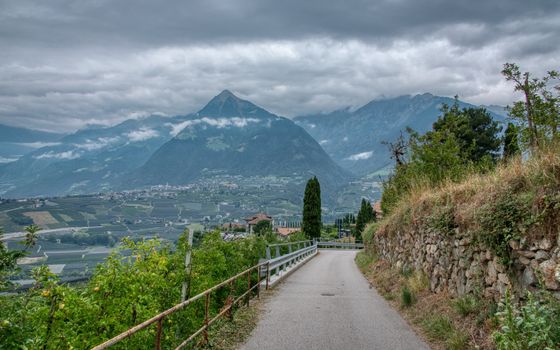
A picturesque road through Schenna, Italy, with stunning mountain and vineyard views under cloudy skies. Photo: Joerg Hartmann / Pexels
For the discerning food enthusiast, a car rental in Italy isn't just a convenience; it's an absolute necessity for unlocking the country's true culinary soul. While major cities like Rome, Florence, and Venice offer incredible dining experiences, the real magic of Italian cuisine often lies off the beaten path, in charming hilltop towns, sun-drenched vineyards, and coastal villages where traditions are fiercely protected. Imagine driving through the rolling hills of Tuscany, stopping at a family-run agriturismo for a fresh pasta-making class, or venturing into Emilia-Romagna to visit a Parmigiano Reggiano factory and taste balsamic vinegar aged for decades. Public transport, while efficient for inter-city travel, simply cannot deliver this level of immersion. Buses and trains connect major hubs, but they rarely reach the hidden trattorias, local markets, or artisanal producers that define authentic Italian food culture. You’d miss out on that spontaneous detour to a roadside stand selling freshly picked figs or the opportunity to explore a less-known wine region like Umbria or Friuli-Venezia Giulia at your own pace. With a rental car, your itinerary becomes a flexible canvas, allowing you to chase gastronomic delights wherever they may lead. You can stock up on local specialties – olive oil, cured meats, cheeses, and regional wines – directly from the source, transforming your trunk into a gourmet pantry. This freedom is particularly valuable when exploring regions renowned for specific products, such as the white truffles of Piedmont or the seafood of Puglia. Furthermore, having your own vehicle allows for early morning market visits or late-night dinners in remote villages without worrying about train schedules or expensive taxis. It's about more than just convenience; it's about control over your culinary journey. You can linger longer at a picturesque roadside cafe, discover a hidden gem of a restaurant recommended by a local, or simply pull over to admire a stunning view while enjoying a freshly baked pastry. For those whose primary goal is to eat their way through Italy, a rental car transforms a typical tourist trip into an unparalleled Italian food adventure, offering unparalleled access to the flavors and traditions that make Italian cuisine so beloved worldwide. It’s the difference between observing Italian food culture and truly living it, savoring every bite and every moment at your own rhythm.

Navigating the Essentials: IDP, Insurance, and Car Choice

Before you even set foot in Italy, several crucial steps need to be addressed to ensure a smooth car rental experience. For US citizens, obtaining an International Driving Permit (IDP) is not optional; it's a legal requirement. Your standard US driver's license alone is not sufficient. The IDP translates your license into multiple languages and must be carried at all times alongside your valid US driver's license. You can obtain an IDP from AAA or AATA before your trip, and it's typically valid for one year. Don't leave this until the last minute, as processing times can vary. Next, let's talk about insurance. While your credit card might offer some level of rental car insurance, it's highly advisable to opt for comprehensive coverage directly through the rental company or a third-party insurer. Italian roads can be narrow, parking can be tight, and accidents, even minor ones, can happen. Having full coverage, often referred to as 'Super Collision Damage Waiver' (SCDW) or 'Theft Protection' (TP) with zero excess, will save you immense headaches and potentially thousands of dollars in deductibles or repair costs. Verify what your credit card covers for international rentals, as often they only cover collision damage and not theft or third-party liability. Many travel insurance policies also offer rental car coverage, so compare options carefully to find the best fit for your peace of mind. Finally, selecting the right car is paramount. While a sleek sports car might seem appealing, practical considerations should guide your choice. Italy's historic city centers feature extremely narrow streets, and parking can be a nightmare. Opting for a smaller, more compact car will make navigating these areas significantly easier and less stressful. Think Fiat 500 or a similar small hatchback. If you're traveling with family or a lot of luggage (especially if you're planning on bringing back olive oil and wine!), ensure the trunk space is adequate. Most rental cars in Italy are manual transmission, so if you're not comfortable driving a stick shift, be sure to specifically request and confirm an automatic car. Be prepared to pay a premium for automatics, and book well in advance, especially during peak season, as they are less common. Consider whether you need a diesel or petrol engine – diesel can sometimes be more fuel-efficient for longer distances. Lastly, ensure the car has air conditioning, especially if traveling during the hot summer months. Paying attention to these details upfront will significantly enhance your enjoyment of your Italian road trip.

Our partners at Noleggio auto in Italia offer related services.

Decoding Italian Roads: ZTLs, Speed Limits, and Parking

Driving in Italy offers unparalleled freedom, but it comes with its own set of rules and quirks that can be perplexing for beginners, particularly American drivers accustomed to different road systems. The most critical concept to grasp is the ZTL, or 'Zona a Traffico Limitato' (Limited Traffic Zone). These are areas, typically in historic city centers, where traffic is restricted to residents with permits, public transport, and delivery vehicles during specific hours. ZTLs are enforced by cameras, and unknowingly driving into one will result in a hefty fine (often €80-€100 per infraction, and you might receive multiple fines if you pass several cameras). These fines can arrive months after your trip, so prevention is key. Look for circular white signs with a red border indicating ZTLs. Always park outside these zones and walk or use public transport to enter the historic centers. Many modern GPS systems, especially those built into rental cars or apps like Google Maps/Waze, now offer ZTL warnings, but it's always best to be vigilant. Speed limits are generally 50 km/h in urban areas, 90 km/h on secondary roads, 110 km/h on main extra-urban roads, and 130 km/h on autostrade (motorways). Speed cameras (Autovelox) are common and well-marked, so adhere strictly to limits. Pay attention to variable speed limits on motorways, especially in tunnels or bad weather. Parking in Italy can be a challenge, particularly in popular towns and cities. Look for designated parking areas. Blue lines indicate paid parking, which often requires purchasing a ticket from a machine (Parcometro) and displaying it on your dashboard. White lines generally indicate free parking, but these are rare in busy areas. Yellow lines mean no parking, usually reserved for residents or special vehicles. Never park in yellow-lined spots unless explicitly permitted. When driving on motorways, you'll encounter toll booths. Most autostrade are toll roads. You can pay with cash (contanti), credit card (carta), or use the Telepass lane (reserved for subscribers, do not enter this lane). Collect a ticket when you enter the motorway and pay when you exit. Navigating roundabouts is common; yield to traffic already in the roundabout unless otherwise signposted. Italian drivers can be assertive, but generally follow rules. Don't be surprised by close following or quick overtakes; just drive defensively and predictably. Understanding these nuances will make your Italian road trip much more enjoyable and fine-free. And remember, when you want to truly dive into the local culinary scene, a car allows you to explore authentic Italian trattorias far from tourist traps.

Essential Tips and Common Mistakes to Avoid for First-Timers

Renting a car in Italy for the first time can feel overwhelming, but with the right preparation, it can be the highlight of your trip. Here are some essential tips and common pitfalls to steer clear of: **Tips for a Smooth Ride:** * **Book in Advance, Especially for Automatics:** As mentioned, automatics are less common and more expensive. Booking well ahead, particularly during peak travel seasons, ensures you get the vehicle type you need at a better rate. * **Inspect the Car Thoroughly:** Before driving off the lot, walk around the car with the rental agent. Document any existing scratches, dents, or damage with photos and videos. Ensure it's noted on your rental agreement. This prevents you from being charged for pre-existing damage. * **Understand the Fuel Policy:** Most rentals are 'full-to-full,' meaning you pick it up with a full tank and return it full. If you opt for 'full-to-empty,' you'll pay a premium for their refueling service. Know the difference between diesel (gasolio) and petrol (benzina) – putting the wrong fuel in is a costly mistake. * **Get an Offline GPS or App:** While Google Maps is great, cellular service can be spotty in rural areas. Download offline maps for Italy on your phone or rent a GPS unit. Waze is also popular for real-time traffic and speed trap alerts. * **Learn Basic Italian Road Signs:** Familiarize yourself with common signs like 'Stop,' 'Dare Precedenza' (Yield), 'Divieto di Sosta' (No Parking), and of course, the ZTL signs. * **Be Aware of Tolls:** The autostrade (motorways) are almost all toll roads. Have small euro bills and coins ready, or a credit card, for the payment booths. Avoid the yellow Telepass lanes unless you have one. * **Check Opening Hours for Gas Stations:** Many smaller gas stations, especially in rural areas, close for lunch or on Sundays. Plan your refueling stops accordingly. **Common Mistakes to Avoid:** * **Forgetting Your IDP:** This is a non-negotiable legal requirement for non-EU drivers. Without it, you could face fines or even have your rental agreement invalidated. * **Ignoring ZTLs:** This is perhaps the most common and expensive mistake. Always check for ZTL signs and park outside these zones. Even hotel guests often need to register their license plate with the hotel to enter a ZTL legally. * **Under-insuring Your Rental:** Relying solely on basic credit card insurance can leave you vulnerable to high deductibles or uncovered damages/theft. Invest in comprehensive coverage for peace of mind. * **Not Budgeting for Parking:** Parking in Italian cities can be expensive and hard to find. Factor parking fees into your daily budget and look for garages (Parcheggio) rather than street parking in busy areas. * **Driving in Bus Lanes:** Lanes marked 'Corsia Preferenziale' are exclusively for buses, taxis, and emergency vehicles. Driving in them will result in a fine. * **Leaving Valuables Visible:** While Italy is generally safe, petty theft from cars can occur. Always keep valuables out of sight, especially when parked. Never leave luggage visible in the car overnight. * **Returning the Car Dirty:** While not always enforced, some rental companies might charge a cleaning fee if the car is excessively dirty upon return. A quick vacuum or wash can save you money. By keeping these tips in mind, your car rental experience in Italy will be much smoother, allowing you to focus on the incredible food and breathtaking scenery.

Comparison

FeatureCar RentalTrain TravelBus Travel
Flexibility & SpontaneityExcellent (explore remote villages, spontaneous stops)Limited (fixed routes & schedules)Limited (fixed routes & schedules)
Access to Rural Food ExperiencesUnmatched (agriturismos, local producers)Poor (misses countryside gems)Poor (misses countryside gems)
Luggage CapacityGood (based on car size)Moderate (can be cumbersome)Moderate (can be cumbersome)
Cost (Total Trip)Moderate to High (rental, fuel, tolls, parking, insurance)Moderate (tickets, some inter-city)Low (most economical)
Navigation DifficultyModerate (ZTLs, narrow roads, parking)Easy (point-to-point)Easy (point-to-point)
Time Efficiency (Door-to-Door)Good (direct routes, less waiting)Moderate (station transfers, waiting)Moderate (station transfers, waiting)

What Readers Say

"Renting a car in Italy for beginners sounded daunting, but this guide made it so easy! We navigated Tuscany's wine roads like pros and found the most amazing hidden trattorias. The ZTL warnings were a lifesaver."

Sarah J. · Austin, TX

"Thanks to these tips, we confidently rented an automatic in Rome and drove through Umbria and Emilia-Romagna. Being able to stop at every cheese shop and vineyard was a foodie's dream come true."

Mark L. · Seattle, WA

"The advice on getting an IDP and full insurance saved us so much stress. We had a minor fender bender, but because of the recommended coverage, it was handled smoothly with no extra cost to us. Highly recommend this Car rental Italy for beginners guide!"

Jessica R. · Chicago, IL

"The information on ZTLs was invaluable, though I still found parking quite challenging in smaller towns. Overall, the car rental Italy for beginners guide gave us the confidence to explore beyond the main cities, which was fantastic for our culinary journey."

David K. · Miami, FL

"As a solo traveler, the flexibility of having my own car was amazing. I could follow my nose to incredible food festivals and local markets that would have been impossible to reach by public transport. This guide made car rental Italy for beginners feel manageable."

Emily P. · Denver, CO

Frequently Asked Questions

Is an International Driving Permit (IDP) truly necessary for car rental in Italy for beginners?

Yes, absolutely. For US citizens, an International Driving Permit (IDP) is a legal requirement in Italy and must be carried at all times alongside your valid US driver's license. Rental companies may not check for it, but if stopped by police or involved in an accident, not having an IDP can lead to fines, insurance invalidation, or even legal complications. Obtain it from AAA or AATA before your trip.

What are ZTL zones, and how can I avoid fines when renting a car in Italy?

ZTLs (Zona a Traffico Limitato) are limited traffic zones in historic city centers, restricting access to authorized vehicles. To avoid fines, always look for the circular white sign with a red border. Park your rental car outside these zones and explore the historic center on foot or by public transport. Many GPS systems offer ZTL warnings, but vigilance is key. If your accommodation is within a ZTL, contact them beforehand to see if they can register your license plate for temporary access.

How do I choose the right car size for my Italian food road trip?

For a beginner renting a car in Italy, a smaller, compact car is generally recommended. This makes navigating narrow historic streets, finding parking, and maneuvering in traffic much easier. While larger vehicles offer more comfort, they can be cumbersome. Consider the number of passengers and luggage (especially if you plan to bring back food souvenirs) when deciding, but prioritize maneuverability for a less stressful experience.

Is full coverage insurance worth it for car rental in Italy, or is my credit card enough?

While your credit card may offer some rental car insurance benefits, it's highly recommended to opt for full coverage (often called Super Collision Damage Waiver with zero excess) through the rental company or a third-party insurer. Credit card coverage often has limitations, such as not covering theft, third-party liability, or having high deductibles. Given the potential for tight parking, narrow roads, and assertive drivers, comprehensive insurance provides invaluable peace of mind and can save you significant costs in case of an incident.

What's the difference between manual and automatic cars in Italy, and which should I choose?

Most rental cars in Italy are manual transmission. Automatic cars are less common, often more expensive to rent, and require booking well in advance. If you are not proficient and comfortable driving a stick shift, it's strongly advised to book an automatic, even if it costs more. Trying to learn manual transmission on busy Italian roads can be stressful and unsafe for a beginner. If you're confident with manual, it will offer more choice and potentially lower costs.

Who should consider car rental in Italy for their trip?

Car rental in Italy is ideal for food enthusiasts, those wanting to explore rural areas, visit multiple small towns, or travel with a flexible itinerary. It's perfect for travelers who prioritize spontaneous detours to vineyards, agriturismos, and hidden culinary gems that are inaccessible by public transport. If your goal is to truly immerse yourself in Italy's diverse regional food culture and beautiful countryside, a rental car is your best option.

Are Italian roads safe for first-time drivers from the US?

Italian roads are generally safe, but they differ significantly from US roads. Drivers can be more assertive, and road rules like ZTLs and speed limits are strictly enforced. The key to safety for beginners is preparation: understand the rules, drive defensively, avoid distractions, and be aware of your surroundings. With an IDP, good insurance, and a clear understanding of local driving etiquette, you can navigate Italian roads safely and enjoyably.

Will electric vehicle (EV) rentals become more common for car rental in Italy for beginners in the future?

Yes, electric vehicle (EV) rentals are gradually becoming more common in Italy, aligning with global sustainability trends. However, for beginners, the charging infrastructure might still be less extensive in rural areas compared to petrol/diesel stations. While major cities and highways are seeing more charging points, range anxiety might be a concern for longer, off-the-beaten-path food trips. It's a growing option, but conventional fuel cars still offer greater convenience for extensive touring in the short term.

Ready to savor the authentic flavors of Italy on your terms? This comprehensive guide on car rental Italy for beginners equips you with all the knowledge needed for a stress-free and delicious road trip. Start planning your culinary adventure today!

Topics: Car rental Italy for beginnersdriving in Italy tipsItalian road trip foodrenting a car in Italy adviceZTL zones Italy
Leo List
Brampton weed
Adultwork EstrelaBet Vai de Bet R7 Bet Betão Galera Bet Rainbet Bet9ja Shop SportyBet BetKing Sisal Loto Foot Hollywoodbets YesPlay Odibets RushBet Jugabet BetWarrior BetCity MSport betPawa Fortebet