Unveiling the Best Non-Toxic Cookware Sets for a Healthier Kitchen
best non toxic cookware sets

Unveiling the Best Non-Toxic Cookware Sets for a Healthier Kitchen

Transform your cooking experience with safe, durable, and eco-friendly kitchen essentials.

Find Your Perfect Set

Key Takeaways

  • ✓ Non-toxic cookware eliminates harmful chemicals like PFOA, PTFE, lead, and cadmium.
  • ✓ Popular non-toxic materials include ceramic, cast iron, stainless steel, and glass.
  • ✓ The best non-toxic sets offer even heating, durability, and ease of cleaning.
  • ✓ Investing in non-toxic cookware supports both personal health and environmental well-being.

How It Works

1
Understand the Risks

Traditional non-stick coatings can release harmful chemicals when overheated or scratched. Learn what substances to avoid in your kitchen.

2
Explore Safe Materials

Dive into the world of truly non-toxic options like ceramic, cast iron, and stainless steel. Each offers unique benefits for different cooking styles.

3
Assess Your Needs

Consider your cooking habits, stove type, and budget to narrow down the best choices. Look for features like oven-safety and dishwasher-compatibility.

4
Invest in Quality

Choose reputable brands known for their commitment to safety and durability. A good non-toxic set is a long-term investment in your health.

Why Ditch Traditional Non-Stick for Healthier Cookware Options?
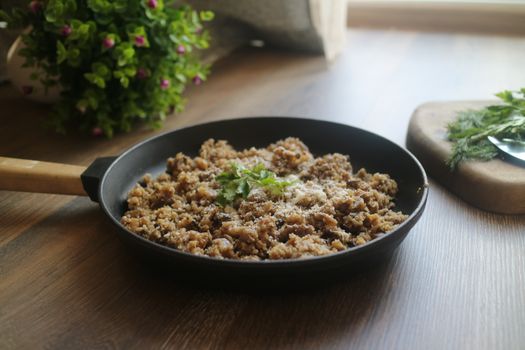
Tasty minced meat dish garnished with herbs in a black skillet, perfect for a delicious homemade meal. Photo: Olena Islamkina / Pexels
For decades, non-stick cookware, particularly those coated with polytetrafluoroethylene (PTFE), has been a kitchen staple due to its convenience. However, a growing body of research and consumer awareness has brought to light the potential health risks associated with these traditional coatings. The primary concern revolves around per- and polyfluoroalkyl substances (PFAS), a group of man-made chemicals that includes PFOA (perfluorooctanoic acid) and PTFE. While many manufacturers have phased out PFOA, PTFE itself can still emit toxic fumes when overheated, a phenomenon known as 'Teflon flu,' which can cause flu-like symptoms in humans and be fatal to birds. These chemicals are persistent, meaning they don't break down in the environment or in our bodies, leading to bioaccumulation. Studies have linked exposure to PFAS with a range of adverse health effects, including liver damage, thyroid disease, developmental issues, and even certain cancers. The allure of easy cleanup often overshadows these significant health concerns, but the good news is that there are now numerous excellent, genuinely non-toxic alternatives that offer similar performance without the hazardous byproducts. Transitioning to healthier cookware options is not just a trend; it's a proactive step towards safeguarding your well-being and that of your loved ones. Understanding the science behind these risks empowers consumers to make informed choices. The manufacturing process of traditional non-stick surfaces often involves chemicals that, while perhaps not present in the final product in significant amounts, contribute to environmental pollution. Furthermore, as non-stick coatings degrade over time, tiny particles can flake off into food, leading to potential ingestion of these problematic substances. This degradation is accelerated by using metal utensils, high heat, and abrasive cleaning methods, meaning the lifespan of traditional non-stick pans is often shorter than expected. The perceived convenience comes at a higher cost than initially thought, both for personal health and ecological impact. By choosing non-toxic cookware, you're not only eliminating direct exposure to these chemicals during cooking but also supporting industries that prioritize sustainable and safe manufacturing practices. The shift is about more than just a pan; it's about a holistic approach to a healthier lifestyle and a cleaner planet. Many people are surprised to learn that even 'PFOA-free' labels don't always mean entirely safe, as other PFAS chemicals might still be present. This is why a deeper dive into material science and certification is crucial when selecting the best non toxic cookware sets. The market has responded robustly to this demand for safety, offering innovative materials that provide superior cooking performance without compromising health. It's an exciting time to upgrade your kitchen with tools that align with your health values.

Decoding Non-Toxic Materials: What to Look For in the Best Non Toxic Cookware Sets
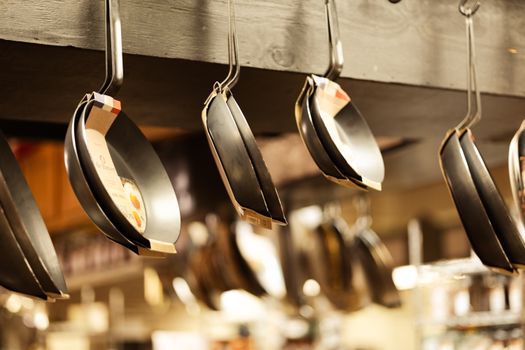
A selection of frying pans hanging in a kitchenware shop for sale. Photo: Owen.outdoors / Pexels
Navigating the world of non-toxic cookware can feel overwhelming, with countless brands and materials vying for your attention. To truly find the best non toxic cookware sets, it’s essential to understand the core materials that are genuinely safe and effective. The primary goal is to avoid anything that could leach harmful chemicals into your food, especially under heat. Here's a breakdown of the top contenders: **Ceramic (Ceramic-Coated & 100% Ceramic):** When people refer to ceramic cookware, they usually mean ceramic-coated metal. These pans feature a metal core (often aluminum) coated with a silica-based gel that's naturally non-stick. They are generally free from PFOA, PTFE, lead, and cadmium, making them an excellent non-toxic choice. The non-stick properties are good, but they can degrade over time with high heat or abrasive use. For longevity, always use low to medium heat and silicone or wooden utensils. True 100% ceramic cookware, made entirely of natural clay and fired at high temperatures, is also available, offering an inert and completely non-reactive surface, though it's less common and often pricier. **Cast Iron (Seasoned & Enameled):** Cast iron is a timeless classic for a reason. Naturally non-stick when properly seasoned, it’s incredibly durable and can last for generations. It leaches small amounts of iron into food, which can actually be beneficial for those with iron deficiencies. Enameled cast iron offers the benefits of cast iron with an easy-to-clean, non-reactive surface that doesn't require seasoning. Both types are free from synthetic chemicals, PFOA, and PTFE. They excel at heat retention and even cooking, making them perfect for searing, frying, and baking. The downside is their weight and the need for careful maintenance (for seasoned cast iron) or avoidance of extreme temperature changes (for enameled). **Stainless Steel:** High-quality stainless steel (typically 18/8 or 18/10 grade) is a robust, non-reactive, and durable choice. It doesn't leach harmful chemicals into food and is excellent for searing, browning, and deglazing. While not naturally non-stick, with proper technique (preheating and oil), food won't stick excessively. Look for sets with an aluminum or copper core (tri-ply or multi-ply construction) for superior heat distribution, as stainless steel alone can have hot spots. It's oven-safe, dishwasher-safe, and incredibly versatile, making it a staple in many professional kitchens. Stainless steel is an excellent workhorse for everyday cooking. **Glass:** Primarily used for baking dishes, glass cookware is completely non-reactive and non-toxic. It’s ideal for casseroles, roasting, and storage. While not suitable for stovetop cooking (except for specialized glass-ceramic stovetop pots), it's a fantastic addition to any non-toxic kitchen for oven-based tasks. It allows you to see the cooking process, which can be helpful. **Carbon Steel:** Often considered a hybrid between cast iron and stainless steel, carbon steel is lighter than cast iron but just as durable and capable of achieving a natural non-stick surface with seasoning. It heats up faster than cast iron and is excellent for high-heat cooking like stir-frying and searing. Like seasoned cast iron, it requires proper seasoning and maintenance to prevent rust and maintain its non-stick properties. It's a favorite among professional chefs for its responsiveness and performance. When evaluating sets, consider the specific needs of your cooking style. Do you prioritize non-stick convenience? Durability? Heat retention? A combination of these materials can create a truly comprehensive and non-toxic kitchen arsenal. Always check for certifications or clear statements from manufacturers regarding the absence of PFAS, PFOA, lead, and cadmium. This attention to detail ensures you’re making the healthiest choice for your home.

Top Picks and Considerations for the Best Non Toxic Cookware Sets
Hands washing a red bell pepper in a modern kitchen sink with fresh vegetables. Photo: Gustavo Fring / Pexels
Choosing among the best non toxic cookware sets requires balancing material benefits with practical considerations like budget, cooking habits, and aesthetic preferences. While the market offers a plethora of options, some brands consistently stand out for their commitment to safety, durability, and performance. Here, we delve into some top contenders and key factors to weigh before making your investment. **Caraway Cookware:** Often lauded for its stylish design and effective non-stick properties, Caraway offers ceramic-coated aluminum cookware that is free from PTFE, PFOA, PFA, lead, and cadmium. Their sets typically include pots, pans, and a storage solution, making them a popular choice for those looking for a complete, aesthetically pleasing, and functional upgrade. The non-stick surface performs exceptionally well for low to medium heat cooking, and their even heating makes for consistent results. However, like all ceramic coatings, careful handling is necessary to maintain the non-stick surface over time. **GreenPan Cookware:** A pioneer in ceramic non-stick, GreenPan offers a wide range of options, from budget-friendly sets to premium collections. Their Thermolon ceramic non-stick coating is derived from sand and is free of PFAS, PFOA, lead, and cadmium. They focus on healthy cooking and offer various lines with different features, such as induction compatibility, reinforced coatings for extra durability, and different handle designs. GreenPan is a solid choice for those seeking reliable ceramic non-stick performance across various price points. **Our Place Always Pan (and Perfect Pot):** While not a full set in the traditional sense, Our Place’s modular designs, like the Always Pan and Perfect Pot, have gained immense popularity. These ceramic-coated aluminum pieces are designed to replace multiple traditional pots and pans, offering a non-toxic, non-stick surface free from PFAS, PFOA, lead, and cadmium. Their thoughtful design includes a steamer basket, spatula rest, and pour spouts, making them incredibly versatile for everyday cooking. They are excellent for smaller kitchens or those who prefer multi-functional tools over a large set. **Xtrema Pure Ceramic Cookware:** For those seeking 100% ceramic cookware, Xtrema is a leading brand. Their products are made entirely of inorganic materials, meaning no metals, glues, polymers, or coatings. This makes them incredibly inert, non-reactive, and completely non-toxic. They are oven-safe, microwave-safe, dishwasher-safe, and can be used on stovetops (though specific heat management is key). While they require a different cooking approach due to their superior heat retention and lack of a traditional non-stick surface, they offer unparalleled purity and durability for a lifetime of healthy cooking. **All-Clad (Stainless Steel):** When it comes to high-performance stainless steel, All-Clad is often considered the gold standard. Their bonded, multi-ply stainless steel cookware (typically with an aluminum or copper core) provides exceptional heat distribution, durability, and performance. While not non-stick, they are completely non-toxic and built to last a lifetime. They are ideal for searing, browning, and achieving professional-level results. Investing in an All-Clad set is a significant financial commitment, but it's one that serious home cooks often consider worthwhile due to the unparalleled quality and longevity. When making your decision, consider these factors: * **Stove Type Compatibility:** Ensure the cookware is compatible with your stovetop (induction, gas, electric). * **Oven Safety:** Check the maximum oven temperature rating if you plan to transfer pans from stovetop to oven. * **Maintenance:** Some materials require specific care (e.g., seasoning for cast iron, gentle cleaning for ceramic coatings). * **Weight and Ergonomics:** Lighter options like ceramic-coated aluminum are easier to handle, while cast iron is heavy but offers unique cooking benefits. * **Set Composition:** Does the set include the specific pots and pans you use most frequently? Consider if individual pieces might better suit your needs than a pre-packaged set. * **Budget:** Non-toxic cookware is available across a wide price range. Determine what you're comfortable investing, remembering that quality often correlates with longevity and performance. While initial cost might be higher, the durability and health benefits often outweigh the initial outlay. By carefully evaluating these options and considerations, you can confidently select the best non toxic cookware sets that not only meet your cooking needs but also uphold your commitment to a healthier lifestyle. The market has truly evolved, offering sophisticated, safe, and effective tools for every kind of home chef.

Maintaining Your Non-Toxic Cookware: Tips for Longevity and Performance
A clean kitchen counter featuring utensils, a kettle, and a tin can with vibrant design. Photo: cottonbro studio / Pexels
Investing in the best non toxic cookware sets is a significant step towards a healthier kitchen, but to truly reap the benefits, proper maintenance is crucial. Unlike traditional non-stick pans that often have a limited lifespan regardless of care, non-toxic alternatives, especially those made from durable materials like cast iron or stainless steel, can last for decades, even generations, with the right attention. Here are essential tips to ensure your non-toxic cookware performs optimally and stands the test of time: **For Ceramic-Coated Cookware:** * **Use Low to Medium Heat:** High heat is the enemy of ceramic non-stick coatings. It can break down the coating, diminish its non-stick properties, and lead to premature wear. Always preheat your pan gradually and cook at moderate temperatures. * **Avoid Metal Utensils:** Opt for silicone, wooden, or heat-resistant plastic utensils to prevent scratching the delicate ceramic surface. Scratches can compromise the non-stick properties and lead to flaking. * **Gentle Cleaning:** Hand washing with warm, soapy water and a soft sponge or cloth is highly recommended. Avoid abrasive scrubbers, steel wool, or harsh detergents. For stubborn food residue, soak the pan for a few minutes before gently cleaning. While some ceramic pans are advertised as dishwasher-safe, hand washing will always prolong their life. * **Proper Storage:** Store pans carefully to prevent scratches. Use pan protectors (felt dividers) or hang them to avoid stacking directly on top of each other. **For Seasoned Cast Iron and Carbon Steel:** * **Seasoning is Key:** These pans develop their non-stick properties and rust resistance through a layer of polymerized oil called seasoning. Regularly season your pans, especially when new or after a deep clean. Apply a thin layer of cooking oil, wipe off excess, and bake upside down in a hot oven (or heat on the stovetop) until it smokes. * **Avoid Harsh Soaps:** Traditional dish soap can strip away the seasoning. Ideally, clean with hot water and a stiff brush or scraper. For stubborn bits, a chainmail scrubber can be effective. Dry immediately and thoroughly after washing to prevent rust. * **Re-season After Cleaning:** After cleaning, especially if soap was used or if the pan looks dry, apply a very thin layer of cooking oil to the entire surface (inside and out) before storing. This protects against rust. * **Gradual Heating:** While cast iron can withstand high heat, preheating it gradually on medium heat helps prevent thermal shock and ensures even cooking. **For Stainless Steel Cookware:** * **Preheat Properly:** Stainless steel can stick if not preheated correctly. Heat the pan over medium heat for a few minutes, then add oil. The 'mercury ball' test (a drop of water should bead up and dance) indicates proper temperature. * **Use the Right Tools:** Stainless steel is more forgiving than ceramic, but silicone, wooden, or even metal utensils are generally fine. Avoid excessively scraping or gouging. * **Cleaning Stains:** For rainbow-colored heat tint, a splash of white vinegar can remove it. For stubborn food residue, deglaze with water or wine while the pan is still warm, or soak with warm, soapy water. Barkeeper's Friend is an excellent cleaner for stainless steel, removing burnt-on food and restoring shine. * **Dishwasher Safety:** Most high-quality stainless steel is dishwasher-safe, but hand washing can extend its pristine appearance and prevent water spots. **General Tips for All Non-Toxic Cookware:** * **Avoid Thermal Shock:** Don't plunge a hot pan into cold water. Let it cool down naturally before washing to prevent warping or cracking, especially with cast iron and ceramic. * **Read Manufacturer Instructions:** Always refer to the specific care instructions provided by the manufacturer. They often have tailored advice for their particular product line. * **Don't Overcrowd Pans:** Overcrowding lowers the pan's temperature, leading to steaming instead of searing or browning, and can cause food to stick. By following these maintenance guidelines, your investment in the best non toxic cookware sets will pay dividends in terms of performance, longevity, and continued healthy cooking. A well-cared-for pan is a joy to cook with and a testament to sustainable kitchen practices. Proper care not only extends the life of your cookware but also ensures that the non-toxic benefits are maintained, preventing any potential degradation that could lead to issues. It's a small effort for a significant return on your health and culinary experience. For more tips on food preparation, check out our guide on healthy eating habits.

Comparison

FeatureCeramic-CoatedCast IronStainless Steel
Non-Stick PerformanceExcellent (initial)Good (seasoned)Moderate (with technique)
DurabilityModerate (coating wear)Excellent (lifetime)Excellent (lifetime)
Heat RetentionGoodExcellentModerate
MaintenanceGentle hand washSeasoning/Hand washEasy clean/Dishwasher safe
Chemicals AvoidedPFOA, PTFE, Lead, CadmiumAll synthetic coatingsAll synthetic coatings
WeightLight-MediumHeavyMedium
Oven SafeYes (up to limits)Yes (high heat)Yes (high heat)

What Readers Say

"I finally replaced all my old non-stick pans with a Caraway set, and it's been a game-changer. My eggs slide right off, and I feel so much better knowing I'm not cooking with harmful chemicals. The clean-up is incredibly easy too!"

Sarah J. · Austin, TX

"After researching for months, I invested in a high-quality stainless steel set, and I couldn't be happier. It cooks everything beautifully, and I love the peace of mind that comes with truly non-toxic cookware. It's an investment, but worth it."

Mark D. · Seattle, WA

"My GreenPan set has transformed my daily cooking. The non-stick is fantastic for pancakes and stir-fries, and knowing it's free of PFAS makes me confident in preparing meals for my family. My food tastes better, and I feel healthier."

Emily R. · Denver, CO

"I got an Xtrema pure ceramic pot for soups and stews, and while it takes some getting used to its unique heat distribution, the complete lack of chemicals is a huge plus. It's a bit heavy, but the purity is unmatched."

David L. · Boston, MA

"The Our Place Always Pan replaced three of my old pans. It's stylish, easy to clean, and the non-toxic ceramic coating is perfect for my health-conscious lifestyle. I've been recommending it to everyone!"

Jessica M. · Miami, FL

Frequently Asked Questions

What makes cookware 'non-toxic' and why is it important?

Non-toxic cookware is free from harmful chemicals like PFOA, PTFE, lead, cadmium, and other PFAS compounds often found in traditional non-stick coatings. It's important because these chemicals can leach into food, especially when scratched or overheated, and have been linked to various health issues, making a switch a crucial step for healthier cooking.

Will non-toxic cookware still be non-stick?

Many non-toxic cookware options, particularly ceramic-coated and properly seasoned cast iron/carbon steel, offer excellent non-stick properties. While they might not be as slick as fresh traditional non-stick, they perform very well with proper cooking techniques and care, providing a safe alternative.

How do I care for my new non-toxic cookware to make it last?

Care varies by material. Generally, use low to medium heat, avoid metal utensils on coated surfaces, hand wash with mild soap and soft sponges, and dry thoroughly. Cast iron requires seasoning. Always follow manufacturer-specific instructions for optimal longevity and performance.

Is non-toxic cookware more expensive than traditional cookware?

The initial investment for high-quality non-toxic cookware can sometimes be higher than basic traditional sets. However, considering its enhanced durability, health benefits, and often longer lifespan, it often proves to be a more cost-effective and healthier choice in the long run.

How do ceramic-coated pans differ from 100% ceramic pans?

Ceramic-coated pans feature a metal core (usually aluminum) with a ceramic-based non-stick layer. They are generally lightweight and offer good non-stick. 100% ceramic pans are made entirely of natural clay, are completely inert and non-reactive, but typically lack non-stick properties and require different cooking methods due to their unique heat retention.

Who should prioritize buying best non toxic cookware sets?

Anyone concerned about food safety and personal health should consider non-toxic cookware. It's particularly beneficial for families with young children, individuals with health sensitivities, and those committed to a clean, healthy lifestyle and sustainable kitchen practices.

Are there any risks associated with stainless steel or cast iron cookware?

High-quality stainless steel and cast iron are generally considered very safe. Stainless steel can leach trace amounts of nickel or chromium, but typically below harmful levels. Cast iron can leach iron, which can be beneficial. Both are free from the synthetic chemicals found in traditional non-stick coatings, making them excellent choices.

What are the future trends in non-toxic cookware technology?

Future trends are focusing on even more durable and naturally non-stick materials, advanced ceramic formulations that resist wear better, and innovative multi-ply constructions for superior heat distribution. Expect to see continued emphasis on sustainable manufacturing processes and materials that are both safe for consumers and environmentally friendly.

Embrace a healthier culinary journey by upgrading to the best non toxic cookware sets. With a wide array of safe, durable, and high-performing options available, you can cook with confidence and peace of mind. Make the switch today and transform your kitchen into a haven of health and flavor.

Topics: best non toxic cookware setshealthy cookware materialssafest pots and pansnon-toxic kitchenwarechemical-free cooking
Leo List
Brampton weed
Adultwork EstrelaBet Vai de Bet R7 Bet Betão Galera Bet Rainbet Bet9ja Shop SportyBet BetKing Sisal Loto Foot Hollywoodbets YesPlay Odibets RushBet Jugabet BetWarrior BetCity MSport betPawa Fortebet