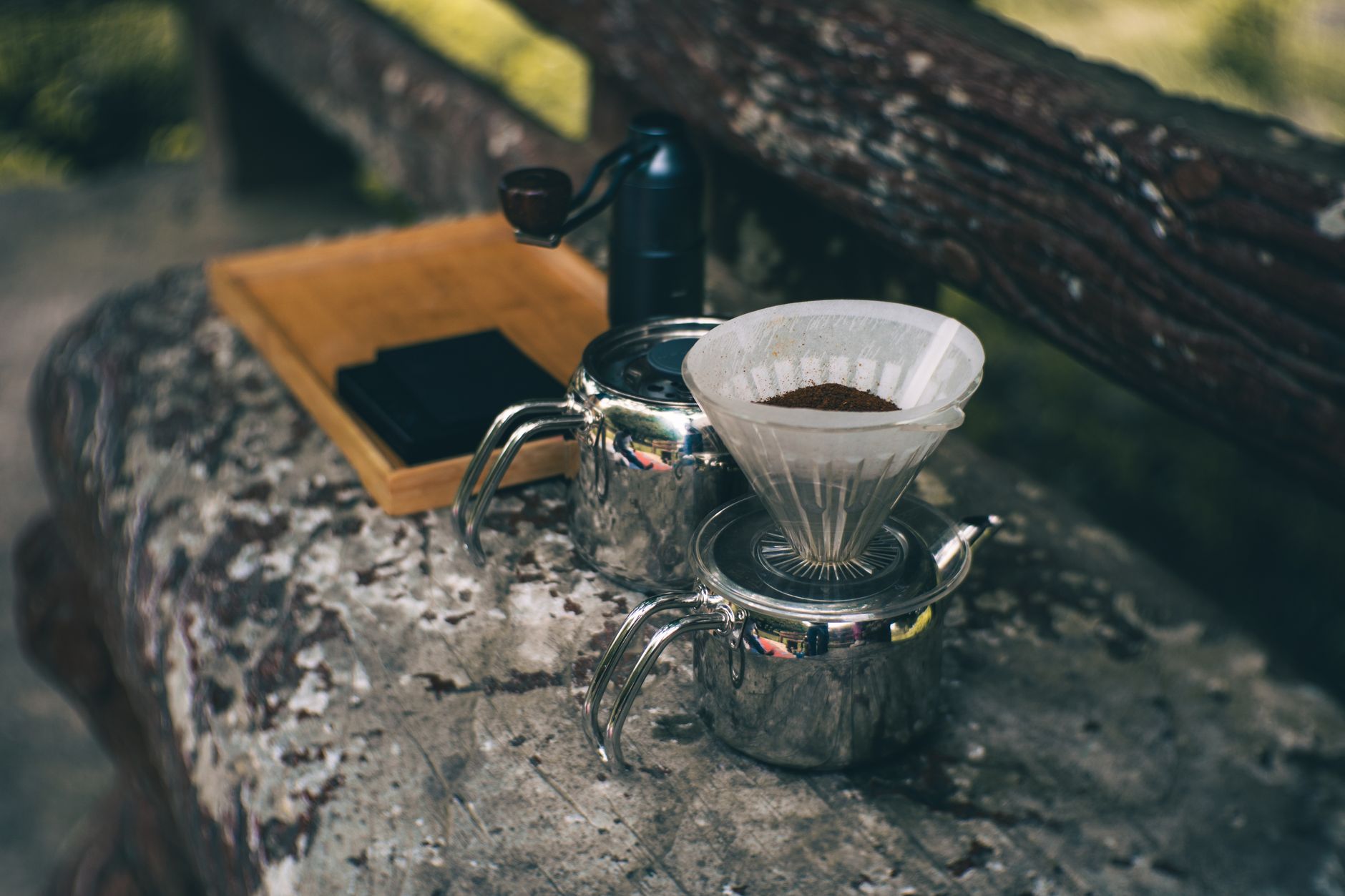
Unlock Flavor: Best Coffee Beans for Pour Over Brewing
best coffee beans for pour over brewing

Unlock Flavor: Best Coffee Beans for Pour Over Brewing

Master the art of pour over coffee by selecting the ideal beans to unlock their full aromatic and taste potential.

Find Your Perfect Bean

Key Takeaways

  • ✓ Light to medium roasts are generally preferred for pour over to highlight nuanced flavors.
  • ✓ Single-origin beans often shine in pour over, showcasing unique regional characteristics.
  • ✓ A medium-fine, consistent grind is crucial for optimal extraction and flavor.
  • ✓ Freshly roasted beans (within 2-4 weeks) are paramount for the best pour over experience.

How It Works

1
Select Your Roast Profile

Choose light to medium roasts to preserve the delicate flavors and aromas that pour over brewing excels at extracting. Darker roasts can overwhelm the nuanced notes.

2
Consider Bean Origin & Variety

Explore single-origin beans from regions like Ethiopia, Colombia, or Kenya for distinct flavor profiles. Arabica beans are almost always preferred for their complexity.

3
Grind Fresh & Consistently

Use a burr grinder to achieve a medium-fine, uniform grind right before brewing. Inconsistent grinds lead to uneven extraction and a less satisfying cup.

4
Brew with Precision

Follow proper pour over techniques, including water temperature and pour rate, to fully extract the exquisite flavors from your carefully chosen beans.

Understanding the Nuances of Pour Over Coffee Beans
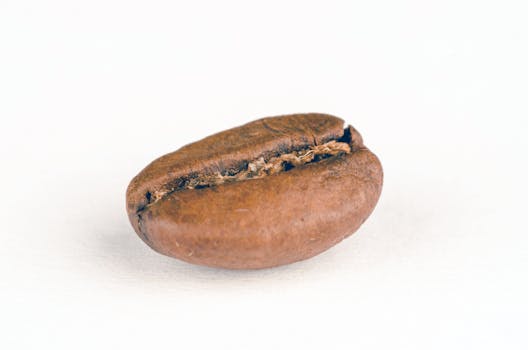
A detailed macro shot of a single brown coffee bean on a white background. Photo: Lukas Blazek / Pexels
Pour over brewing is an art form, a ritual that celebrates the inherent qualities of coffee. Unlike immersion methods like French Press, or high-pressure methods like espresso, pour over coffee is designed to highlight clarity, acidity, and the delicate aromatic compounds of the bean. This makes the choice of coffee beans not just important, but absolutely critical to the final cup. The best coffee beans for pour over brewing are those that can truly express their unique character without being overshadowed by the brewing process itself. This typically steers us away from very dark roasts, which often develop a more uniform, robust, and sometimes bitter flavor profile due to prolonged roasting, effectively masking the subtle notes that pour over aims to showcase. Instead, the sweet spot for pour over lies predominantly in the light to medium roast spectrum. These roasts retain more of the bean's original characteristics – its fruity, floral, nutty, or chocolatey notes – allowing them to shine through in the cup. The roasting process for these lighter profiles is carefully controlled to develop sweetness and complexity without introducing excessive roasty flavors. When considering bean origin, the world of coffee is your oyster, but certain regions are particularly celebrated for their pour over potential. Ethiopian Yirgacheffe, for instance, is renowned for its bright, floral, and citrusy notes, often with a tea-like body. Colombian Supremo or Geisha varieties can offer a beautiful balance of sweetness, acidity, and a medium body, with hints of caramel or stone fruit. Kenyan coffees frequently present with vibrant acidity, berry notes, and a wine-like complexity. Each origin tells a story through its flavor, a story best told through the clean, crisp extraction of a pour over. Beyond origin, the varietal of the coffee plant also plays a significant role. Arabica beans, with their higher sugar content and complex aromatic oils, are almost exclusively preferred for pour over due to their superior flavor profile compared to the more robust and bitter Robusta beans. Within Arabica, there are countless varietals, each contributing its own subtle distinctions. For example, a Bourbon varietal might offer chocolate and caramel notes, while a Gesha (Geisha) varietal is famous for its exceptional floral and jasmine characteristics. Understanding these foundational elements – roast level, origin, and varietal – is the first step in curating your perfect pour over experience. It's about matching the bean's inherent qualities with a brewing method that allows them to flourish, resulting in a cup that is both nuanced and deeply satisfying. Remember, the goal is to taste the coffee, not just the roast. For more on coffee origins, check out our guide on exploring coffee flavor profiles.

The Importance of Roast Level and Origin for Optimal Flavor
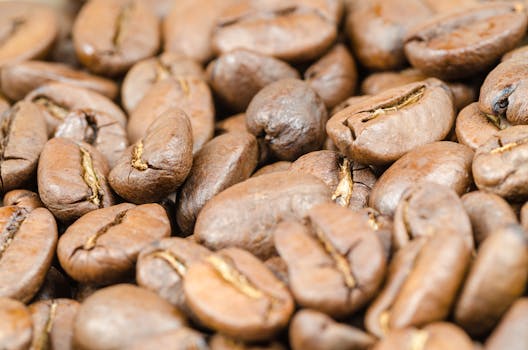
Detailed close-up of aromatic roasted coffee beans showcasing rich brown hues and texture. Photo: Lukas Blazek / Pexels
The roast level of your coffee beans is arguably the most critical factor influencing the flavor profile of your pour over. As mentioned, light to medium roasts are generally the champions here. A light roast, often characterized by a pale brown color and an absence of oil on the surface, preserves the most original characteristics of the coffee cherry. This means you'll taste more of the bean's inherent acidity, sweetness, and unique flavor notes – be it citrus, berries, floral, or even exotic spices. These roasts are often described as bright, vibrant, and complex. They require a more meticulous brewing approach in pour over to fully extract their delicate compounds without under-extracting and making the coffee taste sour or grassy. Medium roasts, on the other hand, offer a balance between the bean's origin characteristics and the flavors developed during roasting. They are typically a medium brown color, still without significant oil, and present a fuller body and a more rounded sweetness. You might find notes of chocolate, nuts, or caramel emerging, alongside the original fruit or floral notes, but in a more subdued manner than a light roast. Medium roasts are often more forgiving for pour over beginners, offering a consistently delicious cup with a broader range of desirable flavors. Dark roasts, while excellent for espresso or bolder brewing methods, tend to develop strong smoky, bitter, and roasted notes that can overpower the subtle nuances pour over aims to highlight. The origin of the coffee bean is equally fascinating and contributes immensely to its flavor. Each coffee-growing region, with its unique climate, soil composition, altitude, and processing methods, imparts distinct characteristics to the beans. For example, coffees from Central and South America, particularly Colombia and Brazil, are often known for their balanced profiles, medium body, and notes of chocolate, nuts, and caramel. These are excellent choices for a comforting, well-rounded pour over. African coffees, especially from Ethiopia and Kenya, are celebrated for their vibrant acidity, complex fruitiness (berries, stone fruits), and floral aromatics. These can produce incredibly bright and exotic pour over cups. Asian coffees, such as those from Indonesia, often exhibit earthy, spicy, and sometimes woody notes, with a heavier body. While less common for traditional pour over, some enthusiasts enjoy these unique profiles. Understanding the interplay between roast level and origin allows you to tailor your pour over experience precisely to your palate. Do you crave a bright, fruity cup? Look for a light-roasted Ethiopian or Kenyan. Prefer something more balanced and sweet? A medium-roasted Colombian might be your ideal. The beauty of pour over lies in its ability to showcase these intricate details, making every cup an exploration of global flavors.

Grind Consistency and Freshness: The Unsung Heroes of Pour Over
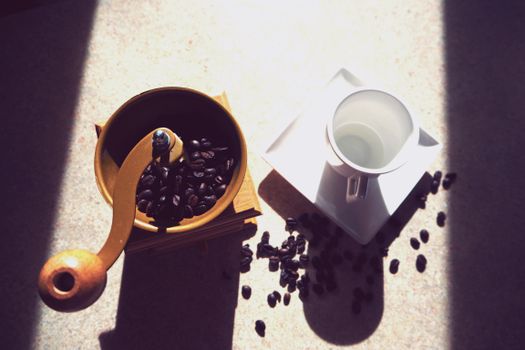
Top-down view of a vintage coffee grinder with scattered beans and an empty cup, casting shadows. Photo: Mateusz Dach / Pexels
While the quality of your beans and their roast profile are paramount, even the best coffee beans for pour over brewing will underperform if not prepared correctly. This is where grind consistency and freshness enter the spotlight as the unsung heroes of a perfect pour over. The grind size for pour over is crucial. It typically falls into the medium-fine category, resembling table salt or slightly coarser. However, consistency is key. An inconsistent grind, often produced by blade grinders, will result in a mix of very fine particles (fines) and larger chunks (boulders). Fines extract very quickly, leading to bitterness and over-extraction, while boulders extract slowly, leading to sourness and under-extraction. The result is a muddy, unbalanced cup where desirable flavors are lost. A high-quality burr grinder, whether manual or electric, is an indispensable tool for pour over enthusiasts. It crushes the beans between two abrasive surfaces, producing a uniform particle size that allows for even extraction. This evenness ensures that all the delicious compounds in your carefully selected beans are extracted at the right rate, contributing to a clean, flavorful, and balanced cup. Investing in a good burr grinder is arguably as important as investing in quality beans themselves. Beyond grind, freshness is non-negotiable. Coffee is an agricultural product, and like fresh produce, it degrades over time. Once roasted, coffee beans begin to degas and lose their volatile aromatic compounds. The peak flavor window for most roasted coffee beans is typically between 5 days and 4 weeks post-roast. Brewing with beans outside this window, especially if they are several months old, will result in a flat, dull, and less aromatic cup, regardless of their initial quality. Always check the roast date on your coffee bag. Reputable roasters will prominently display this information. Avoid bags with only a 'best by' date, as this offers little insight into actual freshness. Storing your beans correctly also contributes to freshness. Keep them in an airtight container, away from light, heat, and moisture. Do not store them in the refrigerator or freezer for daily use, as this can introduce moisture and off-flavors. Instead, buy smaller quantities more frequently to ensure you're always brewing with fresh beans. The synergy between high-quality, freshly roasted beans, and a consistent, appropriate grind size is what truly unlocks the full potential of pour over brewing. Neglect either, and even the most exquisite single-origin, light-roasted bean will fail to deliver its intended magic. For further reading on brewing techniques, explore our guide on mastering your pour over technique.

Tips for Selecting and Brewing Your Perfect Pour Over Coffee
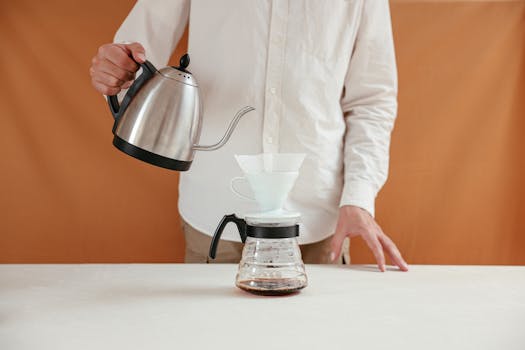
A person brewing pour over coffee using a dripper and kettle in a minimalistic setting. Photo: Cup of Couple / Pexels
Selecting the best coffee beans for pour over brewing is an exciting journey of discovery, but a few key tips can help you navigate the vast world of coffee and consistently brew an exceptional cup. First and foremost, **prioritize specialty coffee roasters**. These roasters are dedicated to sourcing high-quality beans, often directly from farms, and roasting them to highlight their unique characteristics. They provide detailed information about origin, varietal, processing, and roast date, empowering you to make informed choices. Avoid mass-produced supermarket coffee if you're serious about pour over, as it's often stale and roasted too dark. **Start with single-origin beans.** While blends can be excellent, single-origin coffees allow you to truly appreciate the distinct flavor profiles of different regions and varietals. This helps you develop your palate and understand what you enjoy most. Experiment with origins like Ethiopia (bright, floral), Kenya (vibrant, fruity), Colombia (balanced, sweet), and Guatemala (chocolatey, nutty) to find your favorites. **Always check the roast date.** As emphasized, freshness is paramount. Look for beans roasted within the last 2-3 weeks. If a bag doesn't have a roast date, it's best to pass on it for pour over. **Don't be afraid to experiment with grind size.** Even with a good burr grinder, the 'perfect' grind size can vary slightly depending on the specific bean, your pour over device (V60, Chemex, Kalita Wave), and your personal preference. If your coffee tastes sour or watery, try a finer grind. If it tastes bitter or astringent, try a coarser grind. Make small adjustments and taste the difference. **Pay attention to water quality and temperature.** Filtered water is essential, as tap water can introduce off-flavors. For pour over, water temperature between 195°F and 205°F (90°C to 96°C) is ideal for optimal extraction. Too hot, and you risk over-extraction and bitterness; too cold, and you'll under-extract, resulting in a weak, sour cup. **Master your pouring technique.** A slow, controlled, and even pour is crucial. Start with a 'bloom' pour (wetting all the grounds and letting them sit for 30-45 seconds) to allow CO2 to escape, then continue with concentric circles, ensuring all grounds are evenly saturated. **Consider the brew ratio.** A common starting point is a 1:15 or 1:16 coffee-to-water ratio (e.g., 20g coffee to 300ml water). Adjust this to find your preferred strength. **Common Mistakes to Avoid:** * **Using pre-ground coffee:** This is the quickest way to ruin a pour over. It stales rapidly and often has an inconsistent grind. * **Ignoring the roast date:** Stale beans simply won't deliver the vibrant flavors pour over is known for. * **Using boiling water:** This can scorch the coffee and extract undesirable bitter compounds. * **Rushing the pour:** Uneven extraction leads to an unbalanced cup. * **Not rinsing the paper filter:** This can impart a papery taste to your coffee. By following these tips and avoiding common pitfalls, you'll be well on your way to consistently brewing delicious, nuanced pour over coffee that truly showcases the best coffee beans you can find.

Comparison

FeatureLight Roast (e.g., Ethiopian)Medium Roast (e.g., Colombian)Dark Roast (e.g., French Roast)
Flavor ProfileBright, floral, fruity, acidicBalanced, sweet, chocolate, nuttyBold, smoky, bitter, roasty
AcidityHigh, vibrantMedium, pleasantLow, often masked
BodyLight, tea-likeMedium, roundedFull, heavy
Aroma ComplexityVery HighHighModerate
Pour Over SuitabilityExcellentExcellentPoor (masks nuances)
Oil on Bean Surface

What Readers Say

"I switched to a light roast Ethiopian Yirgacheffe for my pour over, and it's been a game-changer. The floral notes and bright acidity are just incredible, making my morning coffee a true delight."

Sarah J. · Portland, OR

"Finding the best coffee beans for pour over brewing has transformed my home coffee experience. I'm currently loving a medium-roasted Colombian single-origin; it's so smooth and perfectly balanced."

Mark T. · Austin, TX

"After reading this guide, I invested in a burr grinder and fresh, light-roasted beans. My pour over coffee now tastes like it came from a high-end cafe, with incredible clarity and flavor."

Emily R. · Denver, CO

"I've been experimenting with different origins for my pour over. While I still enjoy a good medium roast, the article really opened my eyes to the nuances of lighter roasts. It takes a bit more care, but the results are often worth it."

David L. · Chicago, IL

"As someone who's always loved pour over, this article on the best coffee beans for pour over brewing was incredibly helpful. It reinforced my choices and gave me new ideas for exploring different single origins."

Jessica M. · Seattle, WA

Frequently Asked Questions

What roast level is best for pour over coffee?

Light to medium roasts are generally considered the best for pour over coffee. These roast levels preserve the delicate, nuanced flavors and aromas inherent in the bean, allowing them to shine through the clean extraction method of pour over. Darker roasts tend to develop more prominent smoky and bitter notes that can mask these subtleties.

Can I use any coffee beans for pour over?

While you can technically use any coffee beans for pour over, for the best results, it's highly recommended to use freshly roasted, high-quality Arabica beans, preferably single-origin, with a light to medium roast. Using stale or low-quality beans will result in a less flavorful and enjoyable cup, regardless of the brewing method.

What grind size should I use for pour over?

For pour over, a medium-fine grind size is ideal, roughly resembling table salt. It's crucial that the grind is consistent, which is why a burr grinder is essential. An inconsistent grind will lead to uneven extraction, resulting in a coffee that can taste both bitter (from over-extracted fines) and sour (from under-extracted boulders).

How much do the best coffee beans for pour over cost?

The cost of the best coffee beans for pour over can vary widely, typically ranging from $15 to $30 per 12oz bag for specialty-grade, freshly roasted beans. Factors like origin, varietal rarity (e.g., Gesha), and whether it's a direct-trade coffee can influence the price. While it's an investment, the superior flavor often justifies the cost for enthusiasts.

Are single-origin beans better than blends for pour over?

For pour over, many enthusiasts prefer single-origin beans because they showcase the distinct and unique flavor characteristics of a specific region or farm. Blends, while often delicious and balanced, are designed to create a consistent flavor profile by combining different beans. Both have their place, but single-origins offer a purer expression of terroir for pour over.

Who should prioritize specific coffee beans for pour over?

Anyone who appreciates nuanced flavors, clarity, and the ability to discern different tasting notes in their coffee should prioritize selecting specific coffee beans for pour over. It's particularly rewarding for home baristas and coffee connoisseurs who want to elevate their daily brewing ritual and explore the vast world of coffee flavors.

Is there a risk of over-extracting with certain pour over beans?

Yes, certain beans, particularly those roasted very dark or ground too fine, are more prone to over-extraction in a pour over. Over-extraction leads to bitter, astringent, and sometimes hollow-tasting coffee. Using the correct grind size, water temperature, and pour technique is key to preventing this, especially with delicate light roasts.

What future trends are expected for pour over coffee beans?

Future trends for pour over coffee beans are likely to include increasing emphasis on sustainable and ethically sourced beans, greater availability of rare and experimental varietals, and more transparency from roasters regarding processing methods. We can also expect continued innovation in processing, such as anaerobic fermentation, leading to even more unique and complex flavor profiles.

Embark on your journey to the perfect cup by exploring the best coffee beans for pour over brewing. With the right selection and technique, you'll unlock an unparalleled world of flavor and aroma, transforming your daily coffee ritual into an extraordinary experience.

Topics: best coffee beans for pour over brewingpour over coffee beanslight roast coffeesingle origin coffeecoffee grind for pour over
Leo List

IE Escorts NO Escorts US Escorts NZ Escorts AU Escorts
Brampton weed
Adultwork EstrelaBet Vai de Bet R7 Bet Betão Galera Bet Rainbet Bet9ja Shop SportyBet BetKing Sisal Loto Foot Hollywoodbets YesPlay Odibets RushBet Jugabet BetWarrior BetCity MSport betPawa Fortebet