Unlock Flavor: Best Coffee Beans for Cold Brew at Home
best coffee beans for cold brew at home

Unlock Flavor: Best Coffee Beans for Cold Brew at Home

Transform your mornings with perfectly smooth, rich, and naturally sweet cold brew made right in your kitchen.

Brew Your Best Cup

Key Takeaways

  • ✓ Cold brew extracts flavor differently, requiring specific bean characteristics.
  • ✓ Darker roasts often excel in cold brew due to their robust, less acidic profiles.
  • ✓ Coarse grinding is crucial for optimal extraction and preventing over-extraction.
  • ✓ Freshly roasted, whole beans are always superior for flavor and aroma.

How It Works

1
Select Your Beans

Choose high-quality, freshly roasted whole beans. Look for darker roasts or blends specifically designed for cold brew.

2
Grind Coarsely

Grind your selected beans to a very coarse consistency, similar to breadcrumbs. This prevents over-extraction and bitterness.

3
Steep and Brew

Combine your coarse grounds with cold, filtered water in a pitcher or dedicated cold brew maker. Allow to steep for 12-24 hours.

4
Filter and Enjoy

Strain the concentrate through a fine-mesh sieve or cheesecloth. Dilute with water or milk to taste and savor your homemade cold brew.

Understanding Cold Brew: Why Bean Choice Matters
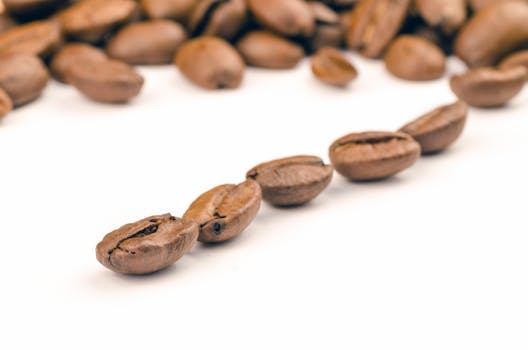
Macro shot of roasted coffee beans with depth of field on a white background, showcasing natural texture and color. Photo: Lukas Blazek / Pexels
Cold brew has surged in popularity, and for good reason. Its smooth, low-acid profile and naturally sweet notes make it a refreshing alternative to traditional hot-brewed coffee. But achieving that perfect cold brew at home isn't just about the brewing method; it starts with the beans. Unlike hot brewing, which uses high temperatures to rapidly extract flavors, cold brewing relies on time. This slower, gentler process extracts different compounds from the coffee grounds. Heat tends to pull out more acids and bitter notes, which are then balanced by other flavors. Cold water, however, extracts fewer of these acidic compounds, resulting in a naturally sweeter, less bitter, and significantly less acidic concentrate. This fundamental difference means that the characteristics we look for in beans for hot coffee aren't necessarily the same ones that shine in cold brew. When selecting the best coffee beans for cold brew at home, acidity is a primary consideration. Beans that are naturally low in acidity will produce an even smoother cold brew. This often points towards darker roasts, which have had more time to develop sugars and reduce acidity during the roasting process. However, it's not just about roast level; the origin of the beans also plays a significant role. Certain regions are known for producing beans with inherently lower acidity and richer, more chocolatey or nutty flavor profiles that translate beautifully into cold brew. For instance, beans from Brazil, Sumatra, or even some robusta varieties (when blended carefully) can offer a robust, full-bodied cold brew experience without the sharp edges. On the other hand, highly acidic, bright, and fruity beans, often favored for pour-overs, might lose some of their nuanced complexity in cold brewing and could even taste flat. The goal is to find beans that offer a deep, rich flavor that can stand up to dilution and chilling without becoming watery or bland. This involves understanding how different roast levels and origins interact with the cold extraction process, ensuring that the resulting concentrate is flavorful and balanced. Exploring different coffee origins can be a fascinating journey in itself, revealing the vast spectrum of flavors available to the home brewer. Ultimately, the right bean choice lays the foundation for a superior cold brew experience, allowing the natural sweetness and complexity of the coffee to truly shine through without any harshness.

The Ideal Roast Levels and Origins for Cold Brew
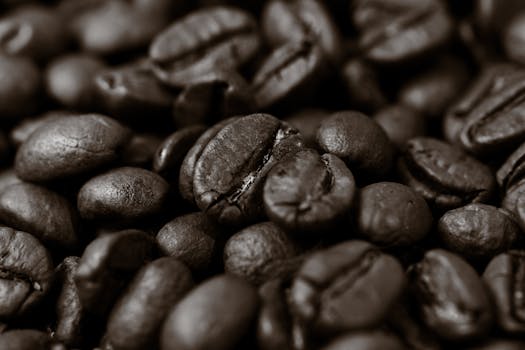
Detailed close-up of roasted coffee beans, highlighting texture and rich brown color. Photo: Mitchell Henderson / Pexels
When seeking the best coffee beans for cold brew at home, roast level is arguably the most critical factor after freshness. While personal preference always plays a role, certain roast profiles consistently deliver superior results in cold brew. Generally, medium to dark roasts are highly recommended. Why? Darker ro roasts undergo a longer roasting process, which breaks down more of the organic acids present in the bean, leading to a naturally lower acidity. This translates directly into a smoother, less bitter cold brew. These roasts also tend to develop richer, bolder flavors like chocolate, caramel, nuts, and sometimes a smoky sweetness, which are highly desirable in cold brew and stand up well to dilution. Light roasts, while fantastic for highlighting delicate floral and fruity notes in hot coffee, often fall flat in cold brew. Their inherent acidity, which provides brightness in hot coffee, can become unbalanced and sometimes sour when extracted with cold water. The subtle complexities of a light roast can also get lost, leading to a less impactful flavor profile in the final cold brew. Beyond roast level, the origin of the coffee beans significantly influences the flavor profile. Certain regions are renowned for producing beans that naturally lend themselves to excellent cold brew. For instance, beans from Central and South America, particularly Brazil, Colombia, and Guatemala, are often excellent choices. They typically offer a balanced acidity, medium body, and notes of chocolate, nuts, and caramel that translate beautifully into a smooth, rich cold brew. Indonesian coffees, such as those from Sumatra or Java, are also highly prized for cold brew. These beans are often characterized by their full body, low acidity, and earthy, sometimes spicy, or woody notes, which create a very robust and unique cold brew. African coffees, like those from Ethiopia or Kenya, known for their bright, fruity, and floral notes, can be more challenging for cold brew. While some might enjoy a brighter cold brew, these characteristics can sometimes become muted or even slightly sour without the heat extraction. However, some darker roasted African beans can offer a surprisingly complex and interesting cold brew. Ultimately, experimenting with different origins within the medium to dark roast spectrum is key to discovering your personal favorite. Many roasters also offer specific 'cold brew blends' which are expertly crafted combinations of beans and roasts designed to excel in this brewing method. These blends often combine the best attributes of different origins to create a harmonious and flavorful cold brew concentrate. Don't be afraid to try a variety of options to find what truly resonates with your palate. Understanding coffee flavor profiles can help guide your selection.

Grind Size, Freshness, and Storage: Maximizing Flavor
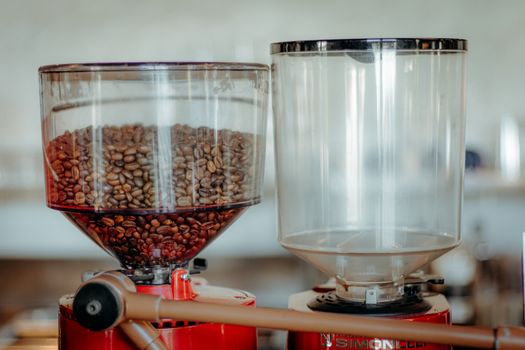
Close-up of a commercial coffee grinder with a full bean hopper in a cafe setting. Photo: 🇻🇳🇻🇳Nguyễn Tiến Thịnh 🇻🇳🇻🇳 / Pexels
Selecting the best coffee beans for cold brew at home is only half the battle; how you prepare and store them is equally crucial for maximizing flavor. The grind size is paramount in cold brewing. Unlike the fine grind required for espresso or the medium grind for drip coffee, cold brew demands a very coarse grind. Think of it as coarse as breadcrumbs or sea salt. Why is this so important? A coarse grind ensures a slow and even extraction over the long brewing period (typically 12-24 hours). If the grind is too fine, you risk over-extraction, which leads to a bitter, muddy, and sometimes astringent cold brew. Fine particles also create a sludge that is difficult to filter, resulting in a cloudy concentrate. A coarse grind allows the water to slowly permeate the coffee particles, extracting the desirable soluble compounds without pulling out excessive bitterness or sediment. Investing in a good burr grinder is highly recommended, as it provides a consistent grind size, unlike blade grinders which chop beans unevenly. Freshness is another non-negotiable factor. Coffee is a perishable product, and its flavor compounds degrade over time. For the best cold brew, always opt for freshly roasted, whole beans. Look for a roast date on the bag, ideally within 1-3 weeks of purchase. Once coffee is ground, its surface area increases dramatically, accelerating the oxidation process and causing flavor loss. Therefore, it's always best to grind your beans just before you're ready to start the cold brew process. Buying whole beans and grinding them at home ensures you're getting the freshest possible flavor. Even the best beans will produce a mediocre cold brew if they're stale. Proper storage of your coffee beans is the final piece of the puzzle. Exposure to air, light, heat, and moisture are the enemies of fresh coffee. To preserve the integrity of your best coffee beans for cold brew at home, store them in an opaque, airtight container in a cool, dark place, away from direct sunlight and heat sources like ovens or windows. Many coffee bags come with one-way valves that allow CO2 to escape without letting oxygen in, making them suitable for short-term storage. However, for longer-term freshness, transferring beans to a dedicated airtight canister is ideal. While some people advocate for freezing coffee, it's generally not recommended for everyday use as it can introduce moisture and freezer burn, negatively impacting flavor. If you must freeze, ensure beans are in a truly airtight, vacuum-sealed bag and only thaw the amount you need to prevent repeated freezing and thawing. By paying attention to grind size, prioritizing freshness, and storing your beans correctly, you'll unlock the full potential of your chosen coffee and consistently brew exceptional cold brew. Learn more about proper food storage techniques to keep all your ingredients at their peak.

Common Mistakes and Expert Tips for Perfect Cold Brew
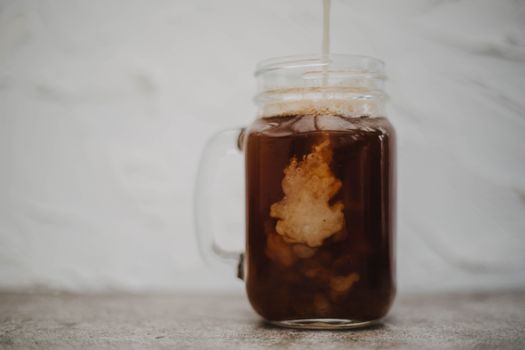
Close-up of cold brew coffee with cream swirling in a mason jar. Perfect for beverage themes. Photo: Kate Amos / Pexels
Even with the best coffee beans for cold brew at home, a few common pitfalls can derail your efforts. Avoiding these mistakes and incorporating some expert tips will elevate your cold brew from good to truly exceptional. **Common Mistakes to Avoid:** * **Using too fine a grind:** As discussed, this is perhaps the most common mistake. A fine grind leads to over-extraction, bitterness, and a muddy final product that's hard to filter. Always aim for a coarse, breadcrumb-like consistency. * **Incorrect coffee-to-water ratio:** Too much coffee can make it overly strong and bitter, while too little results in a weak, watery brew. A good starting point is a 1:8 ratio (1 part coffee to 8 parts water) by weight, but this can be adjusted to taste. * **Brewing for too long or too short:** Under-extraction (too short a brew time) results in a weak, underdeveloped flavor. Over-extraction (too long a brew time) can lead to bitterness. Most cold brews benefit from 12-24 hours of steeping. Experiment within this range. * **Using hot water:** This might seem obvious, but some people mistakenly think a little warm water will speed things up. Cold brew means cold water from start to finish. Hot water will extract more acids and bitterness, defeating the purpose. * **Not using filtered water:** Tap water, especially in some regions, can contain chlorine or other impurities that negatively impact the flavor of your cold brew. Always use filtered water for the cleanest taste. * **Improper storage of concentrate:** Once brewed, cold brew concentrate should be stored in an airtight container in the refrigerator and consumed within 7-10 days for optimal freshness. **Expert Tips for a Superior Cold Brew:** * **Bloom your grounds (optional but recommended):** Before adding all the water, pour a small amount of water over the grounds, just enough to saturate them. Let it sit for 30 seconds to a minute. This allows the coffee to degas, potentially leading to a more even extraction. * **Stir gently after adding water:** Ensure all grounds are fully saturated and submerged. This prevents dry pockets and promotes consistent extraction. * **Experiment with different beans:** Don't settle for the first bean you try. Explore various dark and medium roasts from different origins to find your perfect match. A blend specifically marketed for cold brew is often a good starting point. * **Consider a dedicated cold brew maker:** While a Mason jar works, specialized cold brew makers often come with integrated filters, making the straining process much cleaner and easier. * **Dilute to taste:** Cold brew concentrate is very strong. Start by diluting it 1:1 with water or milk, and adjust to your preference. It's easier to add more liquid than to make it stronger. * **Add a pinch of salt:** A tiny pinch of salt (seriously, just a tiny bit) can enhance the sweetness and reduce any lingering bitterness in your cold brew, much like it does in chocolate or other desserts. * **Clean your equipment thoroughly:** Residue from previous brews can impart off-flavors. Ensure all your brewing equipment is spotless before each batch.

Comparison

FeatureDark Roast (e.g., Sumatra)Medium Roast (e.g., Colombia)Light Roast (e.g., Ethiopia)
Acidity LevelVery LowLow to MediumHigh
Flavor ProfileBold, Earthy, Chocolate, SmokyBalanced, Caramel, Nutty, ChocolateBright, Floral, Fruity
BodyFull, HeavyMediumLight
Bitterness PotentialLow (if brewed correctly)LowHigher (can be sour)
Recommended for Cold Brew
Best for Beginners
Complexity in Cold BrewDeep, RobustSmooth, AccessibleMuted, Flat

What Readers Say

"I used to buy expensive cold brew, but after trying a dark roast Brazilian bean for cold brew at home, I'm hooked. It's incredibly smooth, rich, and has a wonderful chocolatey finish. My morning routine is forever changed!"

Sarah J. · Austin, TX

"Following the advice here, I switched to a coarse grind and a Sumatran dark roast. The difference in my homemade cold brew is night and day. No more bitterness, just pure, delicious coffee concentrate."

Mark T. · Denver, CO

"My stomach used to bother me with regular coffee, but cold brew made with low-acid beans is a game-changer. I found a fantastic Colombian medium-dark roast that gives me all the flavor without the discomfort. Highly recommend!"

Emily R. · Portland, OR

"I tried an Ethiopian light roast for cold brew, and while it wasn't bad, it lacked the punch I was looking for. Switched to a Guatemalan medium roast, and it's much better – a good balance of sweetness and body for my morning iced coffee."

David L. · Chicago, IL

"Living in a hot climate, cold brew is essential. Using a high-quality, freshly ground dark roast has made my homemade cold brew superior to anything I can buy. It's so easy to make a big batch for the week."

Jessica M. · Miami, FL

Frequently Asked Questions

What is the single most important factor for good cold brew beans?

The most important factor is choosing freshly roasted, whole beans with a medium to dark roast profile. These beans naturally have lower acidity and develop rich, robust flavors that translate exceptionally well into the cold brewing process, yielding a smooth and naturally sweet concentrate.

Will light roast coffee work for cold brew?

While you can technically cold brew light roast coffee, it's generally not recommended for optimal results. Light roasts are typically higher in acidity and have delicate floral or fruity notes that often become muted or even sour when extracted with cold water, leading to a less satisfying cold brew.

How coarse should I grind my coffee beans for cold brew?

For cold brew, you should aim for a very coarse grind, similar in consistency to coarse sea salt or breadcrumbs. This prevents over-extraction and bitterness during the long steeping process and makes filtering much easier, resulting in a cleaner, smoother concentrate.

Is it more cost-effective to make cold brew at home?

Absolutely. While the initial investment in good beans and possibly a grinder might seem like a cost, making cold brew at home is significantly more cost-effective in the long run compared to buying pre-made cold brew or daily coffee shop drinks. You also have full control over the quality and flavor.

How does cold brew compare to iced coffee?

Cold brew is fundamentally different from iced coffee. Iced coffee is typically hot-brewed coffee that is then chilled, which can often result in a diluted, more acidic, and sometimes bitter taste. Cold brew, on the other hand, is brewed with cold water over a long period, resulting in a naturally smoother, less acidic, and often sweeter concentrate that is then diluted to taste.

Who should consider making cold brew at home?

Anyone who enjoys a smooth, low-acid coffee experience, particularly those who are sensitive to the acidity of hot-brewed coffee or prefer a naturally sweeter flavor profile. It's also ideal for busy individuals who want to prepare a batch of coffee concentrate once a week for quick daily consumption.

Are there any health benefits to cold brew?

Cold brew's primary health benefit stems from its significantly lower acidity compared to hot-brewed coffee, which can be easier on the stomach for individuals prone to acid reflux or digestive discomfort. It still contains antioxidants and caffeine, offering similar benefits to regular coffee without the harshness.

What's the next big trend in home cold brewing?

The next big trend in home cold brewing is likely the increased exploration of single-origin, medium-dark roasts specifically cultivated for their cold brew potential, moving beyond generic 'cold brew blends.' We'll also see more specialized home brewing equipment that offers greater control over extraction and filtration, alongside innovative flavor infusions like spices or citrus during the brewing process.

Armed with this knowledge, you're now ready to embark on your journey to crafting the perfect cold brew at home. Experiment with different beans, refine your technique, and savor the smooth, rich flavors that await. Elevate your coffee experience and discover your new favorite way to enjoy this beloved beverage.

Topics: best coffee beans for cold brew at homecold brew coffee beanslow acid coffeedark roast cold brewcold brew concentrate
Leo List
Brampton weed
Adultwork EstrelaBet Vai de Bet R7 Bet Betão Galera Bet Rainbet Bet9ja Shop SportyBet BetKing Sisal Loto Foot Hollywoodbets YesPlay Odibets RushBet Jugabet BetWarrior BetCity MSport betPawa Fortebet