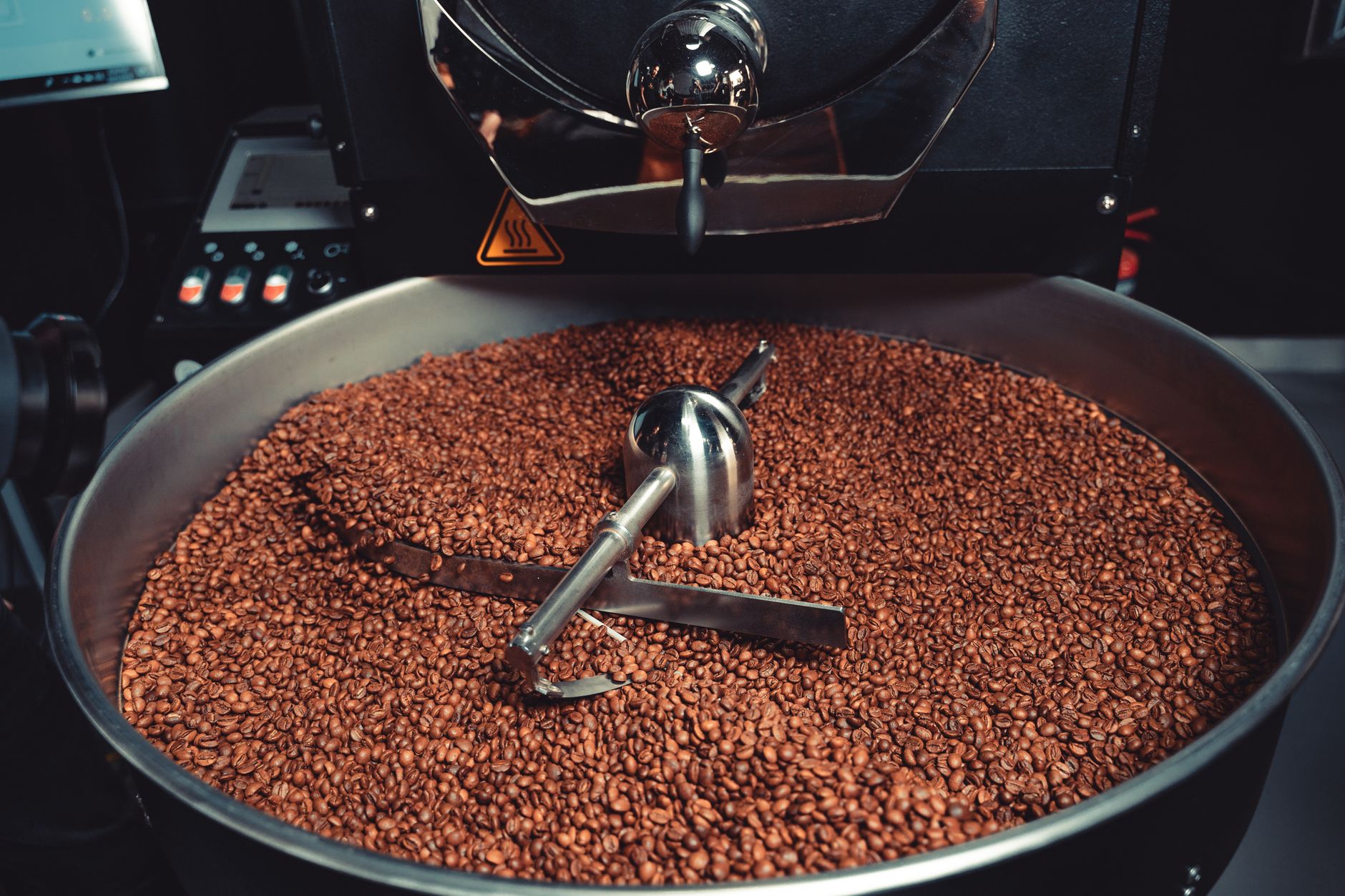
Unveiling the Best Coffee Beans for Espresso Machine Perfection
best coffee beans for espresso machine

Unveiling the Best Coffee Beans for Espresso Machine Perfection

Unlock the secrets to crafting rich, flavorful espresso shots right in your kitchen with our comprehensive guide.

Find Your Perfect Bean

Key Takeaways

  • ✓ Freshness is paramount: buy whole beans and grind just before brewing.
  • ✓ Medium-dark roasts often yield the best balance for espresso.
  • ✓ Arabica offers complexity, Robusta adds crema and caffeine.
  • ✓ Grind size is critical for proper espresso extraction.
  • ✓ Experimentation is key to finding your personal preference.

How It Works

1
Select Your Beans Wisely

Choose high-quality, freshly roasted whole beans. Consider roast level, origin, and blend for your desired flavor profile.

2
Master the Grind

Use a quality burr grinder to achieve a consistent, fine grind. The perfect grind consistency is crucial for optimal extraction.

3
Brew with Precision

Follow your espresso machine's instructions for dosage, tamping pressure, and extraction time. Consistency ensures a perfect shot.

4
Taste and Adjust

Evaluate your shot for taste, aroma, and crema. Make small adjustments to grind size or dose to fine-tune your espresso.

The Foundation of Flavor: Understanding Espresso Bean Characteristics
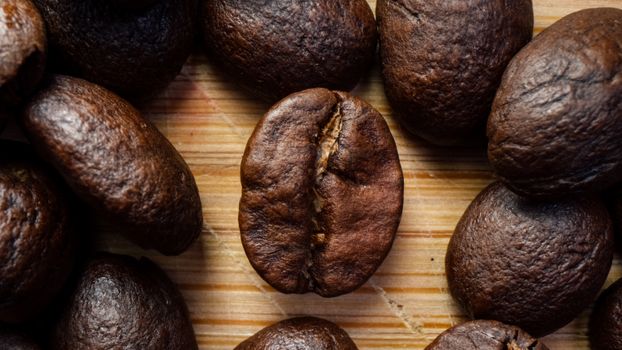
Macro shot showcasing roasted coffee beans on wooden surface for a rich, aromatic appeal. Photo: K / Pexels
Crafting the perfect shot of espresso is an art, and like any masterpiece, it begins with the right materials. For espresso, those materials are the coffee beans themselves. It’s not just about any coffee bean; it’s about understanding the nuances that make certain beans sing under the high pressure and precise temperatures of an espresso machine. The journey to finding the best coffee beans for espresso machine nirvana starts with a deep dive into bean characteristics. First, let's talk about the species: Arabica versus Robusta. Arabica beans are renowned for their complex aromatics, bright acidity, and diverse flavor notes, ranging from floral and fruity to chocolatey and nutty. They typically contain less caffeine and produce a finer, more delicate crema. Most specialty coffee beans fall into the Arabica category. Robusta, on the other hand, is known for its higher caffeine content, bolder, sometimes harsher flavor, and the ability to produce a thicker, more stable crema. While 100% Arabica blends are popular for their refined taste, many traditional Italian espresso blends incorporate a percentage of Robusta to enhance crema and add a robust body. The ideal ratio often depends on personal preference and the desired outcome – a rich, complex shot or a bold, crema-rich experience. Next, the origin of the bean plays a significant role in its flavor profile. Beans from different regions boast distinct characteristics due to variations in climate, soil, and processing methods. Ethiopian beans, for instance, are often bright and floral, while those from Brazil tend to be nutty and chocolatey with a lower acidity. Central American beans frequently offer a balanced profile with notes of cocoa and citrus, and Indonesian beans are known for their earthy, full-bodied notes. Understanding these regional differences can guide you towards beans that naturally align with your palate. For example, if you prefer a sweeter, less acidic espresso, you might lean towards Brazilian or Colombian beans. If you enjoy a more vibrant, fruit-forward shot, African origins might be your preference. It’s a fascinating world of flavors waiting to be explored, and a crucial step in selecting the best coffee beans for espresso machine use. Finally, the processing method – washed, natural, or honey – also impacts the final taste. Washed (or wet-processed) beans are typically cleaner, brighter, and more acidic, as the fruit is removed before drying. Natural (or dry-processed) beans, where the fruit is left on during drying, often yield sweeter, fruitier, and more full-bodied coffees. Honey-processed beans fall somewhere in between, offering a balance of sweetness and clarity. These processing methods are often less explicitly stated on packaging but contribute significantly to the bean’s inherent flavor. Seeking out roasters who provide detailed information about their beans' origin and processing can greatly enhance your ability to choose wisely. For more on how these factors influence taste, consider exploring the art of coffee tasting.

The Art of Roasting: Unlocking Espresso's Potential
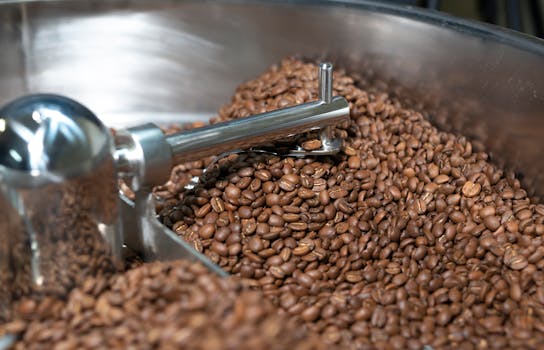
Freshly roasted coffee beans cooling in a metal drum, showcasing an industrial process. Photo: Jimmy Ramírez / Pexels
Once you've navigated the complex world of bean origins and species, the next critical factor in selecting the best coffee beans for espresso machine performance is the roast level. Roasting is where the inherent flavors of the green coffee bean are developed and transformed into the aromatic compounds we associate with coffee. For espresso, the roast level is particularly crucial because it dictates how the beans will behave under high pressure and heat, and ultimately, the flavor profile of your shot. Traditionally, espresso was often associated with very dark roasts, yielding a bold, smoky, and often bitter flavor. While some still prefer this style, modern espresso culture has embraced a wider spectrum of roasts. Medium-dark roasts are often considered the sweet spot for espresso by many baristas and enthusiasts. These roasts allow the inherent characteristics of the bean – its origin flavors, acidity, and sweetness – to shine through, while still developing enough body and caramelization to stand up to the espresso brewing method. They typically produce a balanced shot with good crema, a pleasant mouthfeel, and a harmonious blend of sweetness, acidity, and bitterness. Light roasts, while popular for pour-overs and filter coffee, can be challenging for espresso. They tend to be more acidic and less soluble, making proper extraction difficult and often resulting in sour, underdeveloped shots. However, some specialty roasters are mastering light-roasted espresso, yielding bright, vibrant, and incredibly complex shots, albeit requiring precise grinding and brewing techniques. Darker roasts beyond medium-dark can become overly bitter, oily, and lose the distinct characteristics of the bean's origin, often tasting primarily of the roast itself. The oils on very dark roasted beans can also clog grinders and espresso machine components over time, requiring more frequent cleaning. When choosing a roast, look for descriptions like 'espresso roast,' 'full city,' or 'Viennese roast' as indicators of a suitable medium-dark profile. Many roasters will specifically label their blends for espresso, which is a great starting point. The color of the bean itself can also offer clues: a rich, even brown with minimal oil on the surface is often ideal. Too light, and it might be sour; too dark, and it could be bitter. Ultimately, the best roast level is subjective, but understanding the general guidelines will empower you to make informed decisions and get closer to finding your ideal espresso. Always remember to check the roast date – freshness is paramount, and beans typically peak for espresso 7-14 days post-roast.

Beyond the Bean: Grinding, Freshness, and Storage for Espresso Excellence
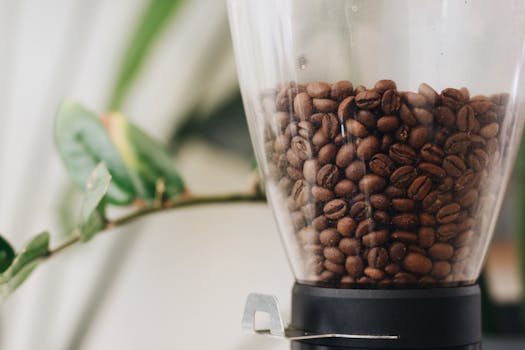
Detailed close-up of coffee beans inside a grinder hopper with a leafy background. Photo: H. Hümâ Yardim / Pexels
Having chosen the best coffee beans for espresso machine use, your journey is far from over. The quality of your espresso shot is profoundly influenced by how you prepare and store those precious beans. Neglecting these crucial steps can undermine even the finest coffee, turning a potential masterpiece into a mediocre brew. The trinity of grinding, freshness, and storage are interdependent pillars of espresso excellence. First and foremost is grinding. For espresso, the grind size is arguably the most critical variable after the bean itself. It needs to be incredibly fine, almost like powdered sugar, but not so fine that it chokes your machine. An inconsistent grind will lead to uneven extraction, resulting in a shot that is either under-extracted (sour and watery) or over-extracted (bitter and acrid). A high-quality burr grinder (not a blade grinder!) is an absolute necessity for any aspiring home barista. Burr grinders crush the beans uniformly, allowing for consistent particle size, which is vital for the high-pressure environment of an espresso machine. Investing in a good grinder will dramatically improve your espresso quality, even more so than upgrading your espresso machine itself. Always grind your beans just before brewing; pre-ground coffee loses its aromatic compounds and freshness rapidly, compromising flavor and crema. Freshness is non-negotiable. Coffee beans are at their peak flavor for espresso typically between 7 and 21 days after their roast date. Beyond this window, the volatile aromatic compounds begin to dissipate, leading to a flatter, less vibrant shot. Always look for a 'roasted on' date, not a 'best by' date, when purchasing beans. Buying smaller quantities more frequently ensures you're always brewing with fresh coffee. Storing your beans correctly extends their freshness. The enemies of coffee are air, light, heat, and moisture. An opaque, airtight container stored in a cool, dark place (like a pantry) is ideal. Avoid refrigerating or freezing coffee beans for daily use, as they can absorb odors and undergo temperature fluctuations that degrade quality. While freezing can be an option for long-term storage of larger batches, it requires specific techniques to avoid freezer burn and condensation, making it less practical for regular home use. For more details on maintaining coffee quality, refer to optimal coffee storage practices. Finally, don't be afraid to experiment. Every espresso machine, grinder, and even water source is slightly different. The ideal grind size, dose, and extraction time will vary. Pay attention to the visual cues of your espresso shot – the color and texture of the crema, the flow rate – and, most importantly, taste. Adjust your grind in small increments. Too fast a shot? Grind finer. Too slow? Grind coarser. This iterative process of tasting and adjusting is how you truly unlock the full potential of the best coffee beans for espresso machine use and tailor your espresso to your personal preference.

Common Mistakes and Expert Tips for Espresso Success

Even with the best coffee beans for espresso machine in hand, common pitfalls can derail your quest for the perfect shot. Avoiding these mistakes and applying expert tips will significantly elevate your home barista game. **Common Mistakes to Avoid:** * **Using stale beans:** As discussed, freshness is paramount. Beans without a 'roasted on' date are a red flag. * **Incorrect grind size:** Too coarse leads to weak, sour espresso; too fine leads to bitter, over-extracted, or choked shots. * **Uneven tamping:** Tamping too lightly or unevenly creates pathways for water, leading to channeling and poor extraction. * **Overdosing/Underdosing:** Using too much or too little coffee for your portafilter basket will throw off extraction balance. * **Ignoring water quality:** Tap water can contain minerals and chlorine that negatively impact taste and machine longevity. Use filtered water. * **Skipping portafilter purge:** A quick flush of the group head before brewing removes old coffee grounds and ensures proper water temperature. * **Not cleaning your machine:** Residue buildup can impart off-flavors and damage your machine over time. **Expert Tips for Espresso Success:** * **Invest in a good scale:** Weighing your dose (in grams) and your output (in grams) is the most consistent way to reproduce great shots. Aim for a 1:2 brew ratio (e.g., 18g in, 36g out) in 25-30 seconds. * **Preheat everything:** Your portafilter, basket, and even your cup should be hot to prevent temperature loss during extraction, which can lead to a sour shot. * **Dial in your grind daily:** Coffee beans change as they age, and humidity can affect them. Make small grind adjustments each day to keep your shots consistent. * **Use a WDT tool (Weiss Distribution Technique):** This simple tool helps break up clumps in the ground coffee, ensuring a more even distribution in the portafilter and reducing channeling. * **Level your grounds before tamping:** Use a distribution tool or simply tap the portafilter gently on the counter to settle the grounds evenly. * **Clean your portafilter and basket immediately:** Don't let old coffee dry and stick, making it harder to clean. * **Experiment with different beans and roasters:** Your palate will evolve, and there's a vast world of coffee to explore. Don't settle for just one type of bean. * **Watch extraction videos:** Visual guides can be incredibly helpful in understanding what a 'good' espresso shot looks like as it flows from the portafilter.

Comparison

FeatureMedium-Dark Roast Arabica Blend100% Dark Roast RobustaLight Roast Single Origin
Flavor ProfileBalanced, complex, sweet, chocolatey, nutty, fruity notesBold, strong, bitter, earthy, intense, rubbery notesBright, acidic, floral, fruity, tea-like, delicate
Crema QualityThick, rich, reddish-brown, durableVery thick, dark, long-lasting, often bubblyThin, light, dissipates quickly, less consistent
Caffeine ContentModerate to highVery highModerate
AcidityBalanced, pleasantLow, often absent or harshHigh, often sparkling
BodyMedium to fullVery full, heavyLight to medium
Ease of BrewingRelatively forgiving, good for beginnersCan be challenging to avoid bitternessDemands precise technique, less forgiving
Best ForClassic espresso, milk drinks, daily drinkingStrong, traditional Italian espresso, added punchSpecialty espresso, black coffee, exploring nuances

What Readers Say

"These espresso beans changed my morning routine! The crema is incredible, and the flavor is so rich without any bitterness. My home lattes taste better than any coffee shop."

Sarah J. · Portland, OR

"I've tried countless brands, but this blend truly delivers the best coffee beans for espresso machine performance. Consistent shots every time, with a delightful chocolatey finish."

Mark T. · Austin, TX

"After reading this guide, I switched to a medium-dark roast and noticed an immediate improvement. My shots are now perfectly balanced and have a beautiful tiger-striped crema."

Emily R. · New York, NY

"Excellent beans for espresso, though I had to dial in my grinder a bit. Once I found the sweet spot, the results were fantastic – a smooth, full-bodied espresso with a lasting finish."

David L. · Chicago, IL

"As a former barista, I'm picky about my espresso. These beans hit all the right notes for a classic, robust shot. Perfect for my morning Americano."

Jessica M. · Denver, CO

Frequently Asked Questions

What is the best roast level for espresso beans?

While personal preference varies, most experts recommend medium-dark roasts for espresso. This level strikes a balance, allowing the bean's origin characteristics to shine while developing enough body and caramelization to stand up to the high-pressure brewing method, resulting in rich flavor and good crema.

Should I buy whole beans or pre-ground coffee for my espresso machine?

Always buy whole beans and grind them just before brewing for the best espresso. Pre-ground coffee rapidly loses its freshness, aroma, and flavor, leading to a dull, stale shot with poor crema. A quality burr grinder is essential for consistent espresso extraction.

How do I store my espresso beans to keep them fresh?

Store your espresso beans in an opaque, airtight container in a cool, dark place, away from heat, light, and moisture. Avoid the refrigerator or freezer for daily use, as temperature fluctuations and moisture can degrade quality. Aim to use beans within 2-3 weeks of the roast date.

Are expensive espresso beans always better?

Not necessarily. While higher-priced beans often indicate specialty-grade coffee with unique origins and careful processing, price doesn't guarantee your personal preference. Focus on freshness, roast date, reputable roasters, and flavor profiles that appeal to you rather than just the cost.

What's the difference between espresso beans and regular coffee beans?

There's no specific 'espresso bean' species. Any coffee bean can be used for espresso, but beans roasted and blended for espresso are typically chosen for their ability to perform well under high pressure, producing a rich flavor and good crema. They are often medium-dark roasts or blends of Arabica and Robusta, designed for the unique espresso extraction method.

Who should prioritize high-quality espresso beans?

Anyone looking to elevate their home espresso experience should prioritize high-quality beans. This includes coffee enthusiasts, home baristas, and individuals who appreciate nuanced flavors and a rich, consistent espresso shot, especially if they enjoy drinking their espresso black or in milk-based drinks.

Can using the wrong beans damage my espresso machine?

While using the 'wrong' beans won't typically damage your machine immediately, very dark, oily roasts can leave more residue and potentially clog your grinder or machine's components over time, requiring more frequent cleaning and maintenance. Using stale beans can also lead to poor extraction and a less enjoyable experience.

What are the future trends in espresso bean selection?

Future trends in espresso bean selection are leaning towards lighter, more origin-focused roasts, highlighting the unique characteristics of single-origin beans. There's also a growing interest in sustainable and ethically sourced coffees, and innovative processing methods that bring out distinct flavor profiles, pushing the boundaries of traditional espresso.

Embark on your journey to espresso perfection by choosing the best coffee beans for espresso machine use. With the knowledge gleaned from this guide, you're now equipped to select, prepare, and brew truly exceptional espresso shots that will transform your daily coffee ritual into an art form. Explore, experiment, and savor every sip!

Topics: best coffee beans for espresso machineespresso bean typesespresso roast levelsgrinding coffee for espressoespresso flavor profiles
Leo List
Brampton weed
Adultwork EstrelaBet Vai de Bet R7 Bet Betão Galera Bet Rainbet Bet9ja Shop SportyBet BetKing Sisal Loto Foot Hollywoodbets YesPlay Odibets RushBet Jugabet BetWarrior BetCity MSport betPawa Fortebet