
✓ Intermittent fasting isn't just about 'when' you eat, but 'what' you eat to maximize benefits.
✓ Nutrient-dense foods support metabolic health and satiety during fasting windows.
✓ Proper food choices can enhance weight loss, reduce inflammation, and improve gut health.
✓ Hydration with electrolyte-rich options is crucial during fasting periods.
How It Works
1
Choose Your Fasting Protocol
Decide on a fasting schedule (e.g., 16/8, 5:2) that best fits your lifestyle and health goals. Consistency is key for long-term success.
2
Prioritize Nutrient-Dense Foods
During your eating window, focus on whole, unprocessed foods rich in protein, healthy fats, fiber, vitamins, and minerals. These choices fuel your body and prevent cravings.
3
Stay Hydrated and Electrolyte-Balanced
Drink plenty of water, herbal teas, and black coffee during fasting periods. Consider adding a pinch of sea salt or electrolyte supplements if needed, especially during longer fasts.
4
Listen to Your Body and Adjust
Pay attention to hunger cues, energy levels, and overall well-being. Intermittent fasting is a flexible approach; modify your eating window and food choices as needed for optimal results and comfort.
Understanding the Synergy: Intermittent Fasting and Food Choices
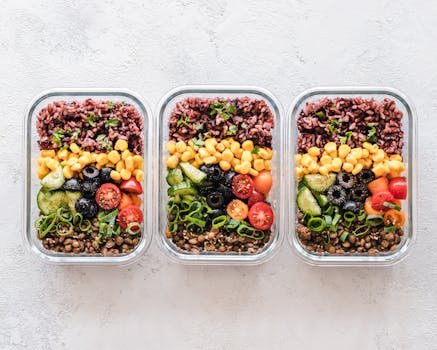
Photo: Ella Olsson / Pexels
Intermittent fasting (IF) has surged in popularity not just as a diet, but as a lifestyle approach to health and wellness. While often discussed in terms of 'when' you eat, the 'what' you eat during your eating window is equally, if not more, critical to unlocking the full spectrum of its benefits. The synergy between your fasting protocol and your food choices creates a powerful mechanism for metabolic improvement, weight management, and overall vitality. Many mistakenly believe that IF grants a free pass to indulge in unhealthy foods during the eating window. This couldn't be further from the truth. The true benefits of intermittent fasting food strategies emerge when you intentionally select nutrient-dense, whole foods that support your body's recovery, repair, and metabolic functions.
When you fast, your body undergoes significant hormonal and cellular changes. Insulin levels drop, allowing your body to tap into stored fat for energy. Growth hormone levels increase, promoting fat loss and muscle gain. Cellular repair processes, like autophagy, are activated, clearing out damaged cells and regenerating new ones. However, if you break your fast with highly processed foods, refined sugars, or unhealthy fats, you counteract many of these positive adaptations. These foods can cause rapid spikes in blood sugar, negating the insulin sensitivity benefits, and can trigger inflammatory responses that undermine cellular repair. Instead, think of your eating window as a crucial opportunity to refuel your body with the building blocks it needs to thrive after a period of rest and repair. This strategic approach to eating is what truly differentiates successful, sustainable intermittent fasting from a temporary diet fad. By focusing on quality over quantity, and nutrient density over caloric density, you empower your body to maximize the profound health benefits that IF offers. Understanding this fundamental relationship between fasting and food is the first step towards transforming your health journey. For more insights on optimizing your eating patterns, explore resources on healthy eating habits.
Maximizing Metabolic Health with Smart Food Choices
One of the most compelling benefits of intermittent fasting is its profound impact on metabolic health. When coupled with strategic food choices, this impact is amplified, leading to improvements in insulin sensitivity, blood sugar regulation, and fat utilization. During your fasting window, your body shifts from burning glucose for energy to burning fat. This metabolic flexibility is a cornerstone of good health, as it means your body can efficiently switch between fuel sources. However, if your refeeding meals consist of foods that overload your system with simple carbohydrates and unhealthy fats, you hinder this flexibility.
To truly maximize metabolic health, prioritize foods rich in lean protein, healthy fats, and complex carbohydrates. Lean proteins, such as chicken, fish, eggs, and legumes, help preserve muscle mass, which is crucial for a healthy metabolism. They also promote satiety, helping you feel full and satisfied, reducing the likelihood of overeating or snacking on unhealthy options. Healthy fats, found in avocados, nuts, seeds, and olive oil, provide sustained energy, support hormone production, and are vital for nutrient absorption. They don't spike insulin, making them excellent choices for maintaining metabolic balance. Complex carbohydrates, like whole grains, vegetables, and fruits, offer fiber and slow-release energy, preventing sharp blood sugar fluctuations. This combination helps maintain stable blood sugar levels, reduces insulin resistance, and encourages your body to continue burning fat efficiently even during your eating window. By making these smart food choices, you're not just eating; you're actively programming your metabolism for optimal performance and long-term health, moving beyond just calorie restriction to true metabolic optimization.
Beyond Weight Loss: The Wider Benefits of Intermittent Fasting Food
While weight loss is a frequently cited motivation for adopting intermittent fasting, the benefits of intermittent fasting food choices extend far beyond shedding pounds. A well-constructed eating strategy during your feeding window can significantly enhance various aspects of your health, from reducing inflammation to improving cognitive function and gut health. Chronic inflammation is a root cause of many modern diseases, including heart disease, diabetes, and certain cancers. By incorporating anti-inflammatory foods like leafy greens, berries, fatty fish, and turmeric into your diet, you can actively combat systemic inflammation. These foods work in conjunction with the natural anti-inflammatory effects of fasting, creating a powerful defense mechanism for your body. The cellular repair processes, particularly autophagy, initiated during fasting, are further supported by a diet rich in antioxidants and phytonutrients, which help protect cells from damage and promote regeneration.
Furthermore, focusing on whole, unprocessed foods supports a healthy gut microbiome. A diverse and thriving gut flora is essential for digestion, nutrient absorption, immune function, and even mood regulation. Fermented foods like yogurt, kefir, sauerkraut, and kimchi, along with high-fiber vegetables and fruits, feed beneficial gut bacteria. When these foods are consumed during your eating window, they complement the gut-restoring effects of fasting, which can provide a much-needed break for the digestive system. Cognitive benefits are also notable; stable blood sugar levels and reduced inflammation contribute to clearer thinking, improved focus, and potentially neuroprotective effects. Foods rich in omega-3 fatty acids, like salmon and walnuts, are particularly beneficial for brain health. By making conscious, nutritious food choices, you transform intermittent fasting from a mere weight loss tool into a holistic strategy for enhancing your overall well-being and longevity. For those interested in further dietary strategies, exploring gut health diets can provide additional insights.
Practical Tips for Optimizing Your Intermittent Fasting Food Strategy
Embarking on an intermittent fasting journey can be incredibly rewarding, especially when you optimize your food choices. Here are practical tips to help you maximize the benefits of intermittent fasting food and avoid common pitfalls:
* **Prioritize Protein:** Ensure each meal in your eating window contains adequate protein (20-40g). This helps with satiety, muscle preservation, and preventing overeating. Think lean meats, fish, eggs, and plant-based proteins like lentils and tofu.
* **Load Up on Fiber:** Fiber-rich foods like vegetables, fruits, and whole grains keep you full, aid digestion, and stabilize blood sugar. Aim for a wide variety of colorful produce.
* **Embrace Healthy Fats:** Don't fear fats! Avocados, nuts, seeds, and olive oil provide sustained energy, support hormone production, and enhance nutrient absorption. They also contribute to satiety.
* **Stay Hydrated (Especially During Fasting):** Water is paramount. Beyond plain water, black coffee, unsweetened tea, and sparkling water are acceptable during fasting periods. Consider a pinch of sea salt or an electrolyte supplement if you feel lightheaded, especially during longer fasts.
* **Break Your Fast Gently:** Avoid breaking your fast with a huge, heavy meal, especially one high in refined carbs. A small, nutrient-dense meal like a handful of nuts, a hard-boiled egg, or a small salad can ease your digestive system back into action.
* **Plan Your Meals:** Knowing what you'll eat in advance helps prevent impulsive, unhealthy food choices when hunger strikes. Meal prepping can be a game-changer.
* **Listen to Your Body:** Intermittent fasting is not a one-size-fits-all approach. Pay attention to how different foods make you feel. Adjust your choices based on your energy levels, digestion, and overall well-being.
* **Limit Processed Foods and Sugars:** These foods undermine the metabolic benefits of IF, can lead to energy crashes, and increase cravings. Focus on whole, unprocessed ingredients.
* **Consider Electrolytes:** Especially if you experience headaches or fatigue during fasting, ensure you're getting enough sodium, potassium, and magnesium. Natural sources include leafy greens, avocados, and electrolyte-rich waters.
* **Don't Overcompensate:** The goal is not to eat everything you missed during your fasting window. Focus on balanced, satisfying meals that meet your nutritional needs without excess.
By integrating these practical tips, you can transform your intermittent fasting experience, making it more effective, enjoyable, and sustainable for long-term health benefits.
Comparison
Feature
Optimal IF Food
Suboptimal IF Food
Impact on Fasting
Nutrient Density
High (Whole foods)
Low (Processed snacks)
Supports satiety, prevents cravings
Insulin Response
Low (Protein, healthy fats, fiber)
High (Refined carbs, sugar)
Maintains fat-burning state
Satiety Level
High (Protein, fiber, healthy fats)
Low (Empty calories)
Reduces hunger, prevents overeating
Inflammation
Reduces (Antioxidants, Omega-3s)
Increases (Processed fats, sugar)
Enhances cellular repair
What Our Readers Say
5★★★★★
"Focusing on whole, unprocessed foods during my eating window has transformed my intermittent fasting experience. I feel more energetic, less bloated, and the weight loss has been consistent and sustainable."
Sarah J.Austin, TX
5★★★★★
"I used to just eat anything after my fast, but once I started prioritizing protein and healthy fats, I noticed a huge difference in my satiety and mental clarity. It's truly about the benefits of intermittent fasting food choices."
Mark D.Miami, FL
5★★★★★
"My blood sugar levels have never been more stable since I combined intermittent fasting with a nutrient-dense diet. My doctor even commented on the significant improvement in my metabolic markers."
Jessica L.Denver, CO
4★★★★☆
"While it took some planning, making conscious food choices has made my intermittent fasting journey much more effective. I've lost weight and feel great, though occasionally I still crave a treat."
Chris P.Seattle, WA
5★★★★★
"As someone who struggled with digestive issues, incorporating fermented foods and plenty of fiber during my eating window has significantly improved my gut health alongside my fasting protocol."
Emily R.Chicago, IL
Frequently Asked Questions
What are the best foods to eat during the intermittent fasting eating window?
The best foods are whole, unprocessed, and nutrient-dense. Prioritize lean proteins (chicken, fish, eggs, legumes), healthy fats (avocados, nuts, seeds, olive oil), and complex carbohydrates (vegetables, fruits, whole grains). These choices support satiety, metabolic health, and overall well-being.
Will I feel excessively hungry if I don't eat certain foods during my eating window?
By focusing on protein, fiber, and healthy fats, you'll feel more satisfied and less prone to hunger pangs. These macronutrients are known for their satiating properties, helping to bridge the gap between meals and during your fasting period.
How do I break my fast without causing digestive upset?
It's best to break your fast gently. Start with a small, easily digestible meal rich in protein and healthy fats, such as a handful of nuts, a hard-boiled egg, or a small serving of vegetables with olive oil. Avoid large, heavy meals, especially those high in refined carbohydrates and sugars, which can cause discomfort.
Is it more expensive to eat healthy foods for intermittent fasting?
While some organic or specialty items can be pricier, eating healthy for intermittent fasting doesn't have to be expensive. Focus on seasonal produce, bulk whole grains, and lean protein sources. Meal planning and cooking at home can significantly reduce costs compared to processed foods or eating out.
How does intermittent fasting food compare to a standard healthy diet?
The core principles of 'healthy food' are similar for both: whole, unprocessed, nutrient-dense options. However, with intermittent fasting, the timing of these meals becomes a strategic component, enhancing benefits like metabolic flexibility and cellular repair by optimizing 'when' your body processes these nutrients.
Who should prioritize specific types of food while intermittent fasting?
Anyone looking to maximize health benefits, manage weight, improve metabolic markers, or enhance energy levels should prioritize specific, nutrient-dense foods. Individuals with specific health goals, like managing blood sugar or reducing inflammation, will particularly benefit from tailored food choices.
Are there any risks associated with poor food choices during intermittent fasting?
Yes, poor food choices can negate many benefits. Eating highly processed foods, excessive sugars, or unhealthy fats can lead to blood sugar spikes, inflammation, nutrient deficiencies, and hinder weight loss. It can also cause digestive issues and reduce overall energy.
What are the emerging trends in intermittent fasting food strategies?
Emerging trends include integrating concepts like 'clean fasting' (only water, black coffee, tea during fast), focusing on nutrient timing for specific goals (e.g., pre-workout meals), and personalized nutrition plans based on individual metabolic responses to different foods within the eating window.
Embrace the power of strategic food choices to unlock the full benefits of intermittent fasting. Start your journey today towards a healthier, more vibrant you by making every meal count and optimizing your intermittent fasting food strategy for lasting wellness.