✓ Fermented foods are rich in beneficial probiotics that support a healthy gut microbiome.
✓ Daily consumption can improve digestion, nutrient absorption, and immune function.
✓ Fermentation enhances the bioavailability of vitamins and minerals in foods.
✓ Many fermented foods are naturally lower in sugar and higher in beneficial compounds.
How It Works
1
Introduce Probiotics
Fermented foods introduce live, beneficial bacteria (probiotics) into your digestive system. These microbes help balance your gut flora, outcompeting harmful bacteria.
2
Aid Digestion
The enzymes produced during fermentation pre-digest some components of food. This makes the nutrients more accessible and easier for your body to absorb, reducing digestive discomfort.
3
Boost Immunity
A significant portion of your immune system resides in your gut. By promoting a healthy gut environment, fermented foods indirectly strengthen your immune response against pathogens.
4
Enhance Nutrient Profile
The fermentation process can increase the content of certain vitamins (like B vitamins) and make minerals more bioavailable. It can also break down anti-nutrients found in some plant-based foods.
The Gut-Brain Connection: How Fermented Foods Impact Mood and Mental Clarity
Photo: Amel Uzunovic / Pexels
The phrase "gut feeling" isn't just a metaphor; it's a profound acknowledgment of the intricate connection between our digestive system and our brain. This two-way communication highway, known as the gut-brain axis, is heavily influenced by the trillions of microorganisms residing in our gut – our microbiome. When we consistently incorporate fermented foods into our daily diet, we're not just feeding our bodies; we're nourishing this vital ecosystem, which, in turn, can have a remarkable impact on our mental and emotional well-being. The benefits of eating fermented foods daily extend far beyond digestion, reaching into the very core of our cognitive and emotional health.
Research increasingly points to the gut microbiome as a key player in regulating mood, stress response, and even cognitive function. The bacteria in our gut produce a myriad of compounds, including neurotransmitters like serotonin, often dubbed the "happiness hormone." In fact, a staggering 90% of the body's serotonin is produced in the gut. A balanced and diverse gut microbiome, fostered by a diet rich in fermented foods, can optimize this production, potentially alleviating symptoms of anxiety and depression. When harmful bacteria dominate, they can produce toxins and inflammatory compounds that can cross the gut-brain barrier, leading to neuroinflammation and contributing to mood disorders. Conversely, beneficial bacteria found in fermented foods can reduce this inflammation, promoting a calmer, more balanced mental state.
Beyond neurotransmitter production, fermented foods also influence the gut-brain axis through other mechanisms. They can modulate the immune system, reducing systemic inflammation that has been linked to various mental health conditions. Furthermore, these beneficial microbes can produce short-chain fatty acids (SCFAs) like butyrate, propionate, and acetate. These SCFAs serve as crucial energy sources for colon cells, but they also have systemic effects, including neuroprotective properties and the ability to influence brain function. Butyrate, for instance, has been shown to improve brain barrier integrity and reduce neuroinflammation. Regular intake of foods like kimchi, sauerkraut, and kefir introduces these SCFA-producing bacteria, fortifying the gut-brain connection.
Consider the impact on stress. Chronic stress can wreak havoc on the gut microbiome, leading to dysbiosis – an imbalance of gut bacteria. This dysbiosis, in turn, can exacerbate stress responses, creating a vicious cycle. By regularly consuming fermented foods, you introduce a steady stream of probiotics that help restore and maintain microbial balance, making your gut more resilient to the effects of stress. Studies have shown that probiotic supplementation, often mirroring the effects of consuming fermented foods, can reduce psychological distress and improve coping mechanisms. This isn't just about feeling good; it's about building a robust physiological foundation for mental resilience.
Moreover, the process of fermentation itself can break down complex food components, making them easier to digest and absorb. This improved nutrient absorption means your brain receives a more consistent supply of the building blocks it needs for optimal function. Essential amino acids, vitamins, and minerals that are crucial for neurotransmitter synthesis and overall brain health become more accessible. For example, some fermented foods are excellent sources of B vitamins, which play critical roles in energy metabolism and nerve function. Thus, the benefits of eating fermented foods daily extend to enhancing cognitive clarity, focus, and potentially even memory, by ensuring your brain is well-nourished and your gut-brain axis is functioning optimally. Explore more about nutrient absorption and gut health.
Boosting Immunity and Reducing Inflammation Through Daily Fermentation
Photo: Nataliya Vaitkevich / Pexels
A strong immune system is our body's primary defense against illness, and a significant portion of this intricate defense network, approximately 70-80%, resides in the gut. This makes the health of our digestive tract paramount to our overall immune resilience. One of the most compelling benefits of eating fermented foods daily is their profound ability to modulate and strengthen our immune response, simultaneously working to reduce chronic inflammation, a silent contributor to many modern diseases. The live active cultures, or probiotics, found in fermented foods act as natural immune enhancers, interacting directly with immune cells in the gut-associated lymphoid tissue (GALT).
When you consume fermented foods, you're introducing a diverse array of beneficial bacteria that colonize the gut. These bacteria communicate with immune cells, teaching them to differentiate between harmful pathogens and harmless substances, thereby refining the immune response. They can stimulate the production of antibodies, specifically IgA, which forms a crucial protective barrier in the mucosal linings of the digestive tract, respiratory tract, and other areas. This enhanced barrier function prevents pathogens and toxins from entering the bloodstream, reducing the burden on the systemic immune system. By regularly replenishing your gut with these friendly microbes, you create a robust internal environment that is better equipped to fight off infections from viruses and bacteria.
Beyond direct immune cell interaction, fermented foods also contribute to immune health by producing various beneficial compounds. Short-chain fatty acids (SCFAs), as mentioned earlier, are not only good for the gut lining but also possess potent anti-inflammatory properties. Butyrate, in particular, has been shown to regulate immune cell function and reduce inflammatory cytokine production. Chronic inflammation is a root cause of numerous health issues, including autoimmune diseases, heart disease, diabetes, and certain cancers. By consistently consuming fermented foods, you provide your body with natural tools to quell this inflammation, fostering a state of balance and reducing the risk of these chronic conditions.
Furthermore, the fermentation process itself can break down antinutrients and complex carbohydrates, making the food easier to digest and nutrients more bioavailable. This improved nutrient absorption ensures that your immune cells have access to the vitamins, minerals, and amino acids they need to function optimally. For example, some fermented foods, like kefir, are rich in vitamin D and K2, both crucial for immune regulation. The increased bioavailability of nutrients means your body can utilize them more efficiently to build and maintain strong immune defenses.
Consider the seasonal challenges: colds and flu. Regular consumption of fermented foods can significantly reduce the incidence and duration of these common ailments. Studies have demonstrated that individuals who consume probiotics consistently experience fewer respiratory infections and a faster recovery when they do get sick. This is attributed to the probiotics' ability to directly inhibit pathogen growth, strengthen the gut barrier, and enhance the overall immune response. Making fermented foods a daily habit is a proactive step toward building a resilient immune system, reducing the frequency of illness, and mitigating the severity of inflammatory responses throughout the body. This holistic approach to health emphasizes prevention and sustained well-being, highlighting the profound impact of these ancient foods on modern health concerns.
Enhanced Nutrient Absorption and Digestive Wellness: The Daily Fermented Advantage
Photo: Viktoria Slowikowska / Pexels
At the heart of why fermented foods are so beneficial lies their remarkable ability to transform nutrients and optimize our digestive processes. The benefits of eating fermented foods daily are perhaps most immediately felt in the realm of digestive wellness and the subsequent enhancement of nutrient absorption. Our digestive system is a complex engine that breaks down food, extracts nutrients, and eliminates waste. When this system is not functioning optimally, it can lead to a cascade of issues, from bloating and discomfort to nutrient deficiencies, regardless of how healthy our diet might otherwise be. Fermented foods act as a powerful catalyst for improving this fundamental aspect of our health.
The magic begins with the microorganisms themselves. During fermentation, bacteria, yeasts, or molds metabolize sugars and other compounds in food, producing a variety of byproducts including lactic acid, acetic acid, and enzymes. These enzymes are key. They essentially pre-digest some of the food components before we even consume them. For instance, in dairy ferments like yogurt and kefir, the bacteria break down lactose, the sugar in milk, making these products more digestible for individuals who are lactose intolerant. This pre-digestion means less work for our own digestive enzymes, reducing digestive strain and making the nutrients more accessible for absorption in the small intestine.
Beyond pre-digestion, fermented foods introduce a thriving community of beneficial bacteria into our gut. A diverse and robust gut microbiome is crucial for efficient digestion. These bacteria help break down dietary fibers that our own enzymes cannot, producing beneficial short-chain fatty acids (SCFAs) that nourish the colon cells and support gut barrier integrity. A healthy gut lining is essential for preventing "leaky gut," a condition where toxins and undigested food particles can pass into the bloodstream, triggering inflammation and various health issues. By strengthening this barrier, fermented foods ensure that only beneficial nutrients are absorbed, while harmful substances are kept out.
Furthermore, fermentation can significantly enhance the bioavailability of vitamins and minerals. For example, some fermented foods are excellent sources of B vitamins (B1, B2, B3, B5, B6, B12, and folate), which are often produced by the fermenting microbes themselves. Vitamin K2, crucial for bone health and cardiovascular function, is also found in certain fermented products like natto. The microbes can also break down anti-nutrients like phytic acid, which is present in grains and legumes and can bind to minerals like iron, zinc, and calcium, making them unavailable for absorption. By reducing phytic acid, fermentation unlocks these vital minerals, allowing our bodies to utilize them more effectively. This means you're not just eating more nutrient-dense foods; you're actually getting more from the nutrients you consume.
The regular consumption of fermented foods can alleviate common digestive complaints such as bloating, gas, constipation, and even irritable bowel syndrome (IBS) symptoms. By balancing the gut flora, these foods help regulate bowel movements and reduce the presence of gas-producing bacteria. For those suffering from chronic digestive issues, incorporating a variety of fermented foods daily can be a transformative step towards achieving sustained digestive comfort and overall well-being. Learn more about the role of gut bacteria in digestion.
Practical Tips for Incorporating Fermented Foods into Your Daily Diet
Photo: Hanna M / Pexels
Embarking on a journey to include fermented foods daily can seem daunting at first, given the wide array of options and sometimes unfamiliar tastes. However, with a few practical tips and a willingness to experiment, you can easily integrate these probiotic powerhouses into your regular routine. The key is to start small, listen to your body, and gradually diversify your intake to reap the full benefits of eating fermented foods daily.
First and foremost, variety is crucial. While a single type of fermented food is good, a diverse range will introduce a broader spectrum of beneficial bacteria to your gut. Think beyond just yogurt. Consider:
* **Yogurt and Kefir:** Excellent for breakfast, smoothies, or as a base for dips. Opt for plain, unsweetened varieties with live active cultures.
* **Sauerkraut and Kimchi:** These fermented cabbage dishes are fantastic as side dishes, toppings for sandwiches or salads, or mixed into stir-fries. Look for raw, unpasteurized versions.
* **Pickles (Fermented, not Vinegar):** Ensure they are brine-fermented, not just pickled in vinegar, to get the probiotic benefits. A great snack or addition to meals.
* **Miso:** A fermented soybean paste, perfect for soups, dressings, and marinades. A little goes a long way in adding umami flavor and probiotics.
* **Tempeh and Natto:** Fermented soy products. Tempeh is versatile in cooking, while natto is known for its strong flavor and high vitamin K2 content.
* **Kombucha:** A fermented tea. Choose varieties low in added sugar. A refreshing alternative to soda.
* **Sourdough Bread:** The fermentation process in sourdough can make bread easier to digest and improve nutrient availability.
**Start Slowly:** If you're new to fermented foods, introduce them gradually. Begin with a small serving, perhaps a tablespoon of sauerkraut or a quarter cup of kefir, and observe how your body reacts. Some people might experience mild digestive adjustments initially, such as gas or bloating, as their gut microbiome adapts. This is usually temporary. Gradually increase the portion size over a few days or weeks.
**Integrate into Existing Meals:** Don't feel you need to overhaul your entire diet. Look for easy ways to add fermented foods to what you already eat. Add a dollop of plain yogurt to your oatmeal, a spoonful of kimchi to your eggs, or a slice of fermented pickle to your burger. Use miso paste to make a quick broth or dressing. Sprinkle sauerkraut on tacos or hot dogs. The possibilities are endless.
**Choose Unpasteurized Varieties:** For maximum probiotic benefit, always opt for raw, unpasteurized fermented foods. Pasteurization, while extending shelf life, kills the beneficial bacteria that are the primary reason for consuming these foods. Check labels carefully for terms like "live cultures," "raw," or "unpasteurized."
**DIY Fermentation:** For the adventurous, making your own fermented foods can be a rewarding and cost-effective way to ensure a steady supply. Simple ferments like sauerkraut or lacto-fermented vegetables are relatively easy to make at home with minimal equipment. This allows you to control the ingredients and flavor profiles.
**Consistency is Key:** The benefits of eating fermented foods daily are cumulative. Regular, consistent intake is more effective than sporadic consumption. Make it a habit, much like taking a daily vitamin. Even small, consistent servings can make a significant difference over time in supporting your gut health and overall well-being.
**Listen to Your Body:** Everyone's microbiome is unique. What works wonderfully for one person might not be ideal for another. Pay attention to how different fermented foods make you feel and adjust your intake accordingly. The goal is to nourish your gut in a way that feels good and sustainable for you. By following these practical tips, you can effortlessly weave the power of fermentation into your daily life and unlock a healthier, more vibrant you.
Comparison
Feature
Yogurt (Live Cultures)
Sauerkraut (Raw)
Kombucha (Low Sugar)
Kefir
Probiotic Diversity
Moderate
High
Moderate
Very High
Lactose Content
Low (broken down)
None
None
Very Low (broken down)
Vitamin K2 Source
Some
Yes
No
Yes
Digestive Enzymes
✓
✓
✓
✓
Best for Beginners
Value
Value
Value
Value
Versatility
High
Moderate
High
High
What Readers Say
★★★★★
"Since I started incorporating a small serving of kimchi or sauerkraut daily, my digestion has improved dramatically. No more bloating after meals, and I feel so much lighter. It's truly one of the best benefits of eating fermented foods daily."
Sarah J. · Austin, TX
★★★★★
"Adding kefir to my morning smoothie has been a game-changer for my energy levels and mood. I used to feel sluggish, but now I have sustained energy throughout the day. I can definitely feel the benefits of eating fermented foods daily."
Mark T. · Seattle, WA
★★★★★
"My chronic acid reflux has significantly reduced since I started having a daily spoonful of fermented vegetables. I've been able to cut back on my medication and feel much more comfortable after eating. This consistent intake has been a huge benefit."
Jessica L. · Denver, CO
★★★★★
"I was skeptical at first, but after a month of daily kombucha and yogurt, I've noticed fewer seasonal colds. My gut feels more settled too, though I'm still getting used to some of the stronger flavors. The immunity boost is a clear benefit."
David P. · Miami, FL
★★★★★
"As someone with IBS, finding foods that don't trigger symptoms is a challenge. Daily plain yogurt and some homemade fermented pickles have made a noticeable difference in managing my symptoms and bringing more regularity. It's a key part of my wellness routine now."
Emily R. · Chicago, IL
Frequently Asked Questions
What are the most significant benefits of eating fermented foods daily?
The most significant benefits include vastly improved gut health and microbiome diversity, enhanced immune function, better digestion and nutrient absorption, and potential positive impacts on mood and mental well-being. Regular intake helps create a robust internal ecosystem.
Will eating fermented foods daily cause digestive upset?
Initially, some individuals might experience mild gas or bloating as their gut microbiome adjusts to the new influx of beneficial bacteria. This is usually temporary. Start with small portions and gradually increase your intake to minimize any discomfort.
How can I easily incorporate fermented foods into my daily diet?
Start by adding a small serving (e.g., a tablespoon of sauerkraut, a quarter cup of kefir) to existing meals. Use yogurt in smoothies, kimchi on eggs, or miso in soups. Look for unpasteurized options for maximum probiotic benefit and diversify your choices.
Are homemade fermented foods better than store-bought?
Homemade fermented foods can be excellent, allowing you to control ingredients and fermentation time, and often provide a wider variety of bacteria. Store-bought options are convenient; just ensure they are raw, unpasteurized, and contain live active cultures for probiotic benefits.
How do fermented foods compare to probiotic supplements?
Fermented foods offer a diverse range of beneficial bacteria strains, often with prebiotics (fiber that feeds probiotics), vitamins, and enzymes, in a natural food matrix. Probiotic supplements typically contain specific strains in controlled doses. Many experts suggest combining both for optimal gut health.
Who should consider eating fermented foods daily?
Almost anyone can benefit, especially those seeking to improve digestion, boost immunity, reduce inflammation, or support mental well-being. Individuals with digestive issues like IBS, or those recovering from antibiotic use, often find them particularly helpful. Always consult a healthcare professional if you have specific health concerns.
Are there any risks associated with daily consumption of fermented foods?
For most healthy individuals, daily consumption is safe and beneficial. However, individuals with compromised immune systems or histamine intolerance should consult a doctor. Excessive intake initially can cause temporary digestive upset, so start slowly. Always ensure proper hygiene if fermenting at home.
What is the future trend for fermented foods in wellness?
The trend points towards increased personalization, with gut microbiome testing guiding specific fermented food recommendations. We'll likely see more innovative fermented products, greater scientific understanding of specific strains' benefits, and wider integration into mainstream dietary guidelines for holistic health.
Embrace the transformative power of fermentation and unlock a healthier, more vibrant you. By consistently incorporating these ancient foods into your daily routine, you're not just eating; you're investing in a resilient gut, a stronger immune system, and an improved sense of well-being. Start experiencing the profound benefits of eating fermented foods daily today.

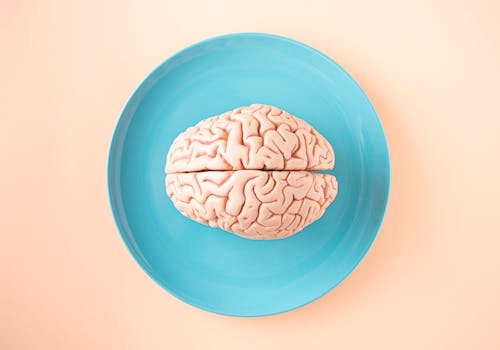 Photo: Amel Uzunovic / Pexels
 Photo: Nataliya Vaitkevich / Pexels
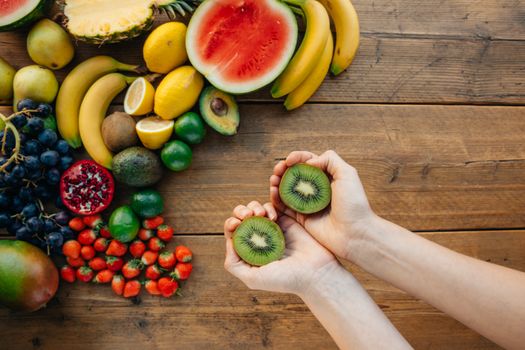 Photo: Viktoria Slowikowska / Pexels
 Photo: Hanna M / Pexels