✓ Fermented foods are rich in beneficial probiotics that support a healthy gut microbiome.
✓ The fermentation process enhances nutrient bioavailability, making vitamins and minerals easier to absorb.
✓ Regular consumption of fermented foods can strengthen the immune system and reduce inflammation.
✓ Many fermented foods offer a diverse range of flavors and can be easily integrated into daily meals.
How It Works
1
Microbes Transform Food
Beneficial microorganisms, such as bacteria and yeast, break down sugars and other compounds in food. This process creates new flavors, textures, and beneficial byproducts.
2
Probiotics Populate Your Gut
Consuming these live microbial cultures introduces a diverse array of 'good' bacteria into your digestive tract. These probiotics help balance your gut microbiome.
3
Nutrient Absorption Improves
Fermentation can predigest certain compounds, making nutrients like B vitamins and K2 more available for your body to absorb. This boosts the nutritional value of the food.
4
Immune System Strengthens
A healthy gut microbiome, supported by fermented foods, is directly linked to a robust immune system. It helps the body recognize and fight off pathogens more effectively.
Understanding the Gut-Brain Axis: A Core Benefit of Fermented Foods
Photo: MART PRODUCTION / Pexels
The intricate connection between our gut and brain, known as the gut-brain axis, is a fascinating area of scientific exploration, and it's where the benefits of eating fermented foods truly shine. Your gut isn't just for digestion; it's often referred to as your 'second brain' due to the vast network of neurons and neurotransmitters it houses, collectively known as the enteric nervous system (ENS). This ENS communicates constantly with your central nervous system (CNS), influencing everything from mood and cognitive function to stress response. The star players in this communication are the trillions of microorganisms that reside in your digestive tract – your gut microbiome. When you consume fermented foods, you're essentially providing a direct pipeline of beneficial bacteria, yeasts, and their metabolic byproducts to this crucial ecosystem. These probiotics help maintain a diverse and balanced microbiome, which is paramount for optimal gut-brain signaling. A healthy microbiome can produce neurotransmitters like serotonin, which is vital for mood regulation, and gamma-aminobutyric acid (GABA), known for its calming effects. In fact, a significant portion of the body's serotonin is produced in the gut, not the brain. By fostering a thriving gut environment, fermented foods can indirectly support mental well-being, potentially reducing symptoms of anxiety and depression. Furthermore, the anti-inflammatory compounds produced during fermentation, or by a healthy gut, can cross the blood-brain barrier, offering protective effects against neuroinflammation, which is implicated in various neurological conditions. The short-chain fatty acids (SCFAs) like butyrate, acetate, and propionate, which are byproducts of microbial fermentation in the gut, are particularly important. Butyrate, for instance, serves as a primary energy source for colon cells and plays a critical role in maintaining gut barrier integrity. A strong gut barrier prevents unwanted substances from entering the bloodstream and potentially triggering systemic inflammation, which can impact brain health. Research continues to uncover the profound ways in which a balanced gut microbiome, nourished by fermented foods, can modulate our stress response, improve sleep quality, and even enhance cognitive functions such as memory and learning. It’s not just about what you eat, but what those tiny organisms in your gut eat, and how they, in turn, influence your entire physiological and psychological landscape. Integrating a variety of fermented foods into your diet is a delicious and accessible way to actively support this vital gut-brain connection, leading to holistic well-being. For more insights into gut health, explore our article on holistic gut health strategies. The cumulative effect of these microbial contributions is a healthier gut, a clearer mind, and a more resilient emotional state, underscoring the deep impact of these ancient foods on modern health concerns.
Enhanced Nutrient Absorption and Bioavailability from Fermented Foods
Photo: Nataliya Vaitkevich / Pexels
Beyond their probiotic power, one of the most compelling benefits of eating fermented foods lies in their ability to enhance nutrient absorption and bioavailability. This means that not only are you getting beneficial microorganisms, but your body is also able to more effectively utilize the vitamins and minerals present in the food itself, and even those consumed alongside it. The fermentation process acts as a kind of 'pre-digestion.' Microbes break down complex compounds that our digestive systems might otherwise struggle with. For example, many fermented dairy products like yogurt and kefir are easier for lactose-intolerant individuals to consume because the bacteria have already broken down much of the lactose. This makes these nutrient-dense foods accessible to a wider population. Perhaps one of the most significant impacts is on B vitamins. Fermentation can actually synthesize B vitamins, including folate (B9), riboflavin (B2), thiamine (B1), and niacin (B3), increasing their content in the food. This is particularly valuable as B vitamins are crucial for energy metabolism, nerve function, and red blood cell formation. Similarly, vitamin K2, essential for bone health and cardiovascular well-being, is produced by certain bacteria during fermentation, especially in foods like natto. In unfermented foods, certain compounds known as anti-nutrients can hinder the absorption of vital minerals. Phytic acid, found in grains and legumes, is a classic example; it binds to minerals like iron, zinc, and calcium, making them less available. Fermentation effectively degrades phytic acid, releasing these minerals and significantly improving their bioavailability. This is why sourdough bread, fermented grains, and fermented legumes can be more nutritious than their unfermented counterparts. The enzymes produced by the fermenting microbes also play a crucial role. These enzymes can break down proteins into more easily digestible amino acids and complex carbohydrates into simpler sugars, reducing the digestive burden on your body. This can alleviate symptoms like bloating and gas, making overall digestion smoother and more efficient. For individuals with compromised digestive systems or those looking to maximize their nutrient intake from whole foods, incorporating a variety of fermented options is a strategic dietary choice. It's a natural way to boost the nutritional punch of everyday staples, ensuring your body gets the most out of every bite. Think of it as upgrading your food's nutritional profile without needing to add supplements. This ancient practice of food preservation offers a modern solution to optimizing our dietary intake and supporting overall health through better nutrient assimilation.
Fortifying Your Immune System Through Fermented Foods
The immune system is a complex network of cells, tissues, and organs that work together to protect your body from illness. A surprising, yet profoundly impactful, aspect of its function is deeply intertwined with your gut health. This is where the benefits of eating fermented foods become exceptionally relevant for fortifying your immune defenses. A staggering 70-80% of your immune cells reside in your gut, making the gut microbiome a critical regulator of immune function. When you consume fermented foods, you introduce a diverse array of beneficial bacteria and yeasts into this ecosystem. These probiotics don't just pass through; they interact with the immune cells lining your gut, influencing their development and activity. By promoting a healthy balance of microbes, fermented foods help to create a robust gut barrier. This barrier is a crucial line of defense, preventing harmful pathogens and toxins from entering the bloodstream. When the gut barrier is compromised (often referred to as 'leaky gut'), it can trigger systemic inflammation and over-activate the immune system, leading to chronic health issues. The beneficial bacteria in fermented foods also produce various compounds, such as short-chain fatty acids (SCFAs), which have direct anti-inflammatory properties. These SCFAs can modulate immune responses, helping to dampen excessive inflammation while enhancing the body's ability to fight off infections. Furthermore, a balanced microbiome can influence the production of immunoglobulins, particularly IgA, which is a primary antibody found in mucosal linings, including the gut. IgA plays a vital role in neutralizing pathogens before they can cause harm. Regular consumption of fermented foods has been linked to a reduced incidence and duration of common colds and other respiratory infections. This is thought to be due to the enhanced immune surveillance and responsiveness fostered by a healthy gut environment. Studies have shown that specific probiotic strains found in fermented foods can even influence the activity of natural killer (NK) cells, which are crucial for identifying and destroying virus-infected cells and cancer cells. Beyond direct immune modulation, fermented foods can also help in detoxifying the body. Certain microbial strains can bind to and help eliminate heavy metals and other environmental toxins, further reducing the burden on your immune system. Incorporating a variety of fermented foods like kimchi, sauerkraut, yogurt, kefir, and kombucha into your daily diet is a delicious and effective strategy for building a resilient immune system. It’s a proactive step towards greater health, enabling your body to better withstand environmental challenges and maintain optimal wellness. Explore our guide on seasonal eating for immune support for complementary strategies. By nurturing your gut, you are quite literally empowering your immune system to protect you more effectively.
Practical Tips for Incorporating Fermented Foods and Avoiding Common Mistakes
Integrating fermented foods into your diet doesn't have to be daunting. Here are some practical tips to help you embrace the benefits of eating fermented foods, along with common mistakes to avoid:
**Tips for Incorporation:**
* **Start Small and Gradually Increase:** If you're new to fermented foods, begin with small servings (e.g., a tablespoon of sauerkraut or a few ounces of kefir). Your digestive system needs time to adjust to the influx of new bacteria. Gradually increase the amount over a few weeks.
* **Variety is Key:** Don't stick to just one type. Each fermented food offers a unique profile of microbes and nutrients. Explore options like yogurt, kefir, sauerkraut, kimchi, kombucha, miso, tempeh, and sourdough bread to diversify your gut microbiome.
* **Read Labels Carefully:** When buying fermented products, look for terms like 'live and active cultures' or 'unpasteurized.' Pasteurization kills the beneficial bacteria, negating the probiotic benefits.
* **Incorporate Them into Meals:** Fermented foods can be easily added to various dishes. Stir yogurt into smoothies, add sauerkraut or kimchi to sandwiches and salads, use miso in soups, or enjoy a glass of kombucha as a refreshing drink.
* **Consider Making Your Own:** Fermenting at home can be a rewarding and cost-effective way to ensure you're getting high-quality, live cultures. Start with simple ferments like sauerkraut or lacto-fermented vegetables.
**Common Mistakes to Avoid:**
* **Overdoing It Too Soon:** Consuming large quantities of fermented foods initially can lead to digestive discomfort like bloating, gas, or diarrhea. This is often a sign your gut is adjusting; simply reduce your intake and build up more slowly.
* **Heating Them Too Much:** High heat can destroy the live probiotic cultures. While some fermented foods like sourdough bread are baked, try to consume other probiotic-rich foods (yogurt, kefir, sauerkraut, kimchi) in their raw or minimally heated state to preserve their beneficial bacteria.
* **Ignoring Quality:** Not all fermented foods are created equal. Avoid products with excessive added sugars, artificial flavors, or those that have been pasteurized after fermentation. These often lack the true probiotic benefits.
* **Lack of Consistency:** The benefits of eating fermented foods are cumulative. Irregular consumption won't yield the same results as consistent, daily intake. Make them a regular part of your diet.
* **Expecting Instant Miracles:** While many people experience positive changes relatively quickly, gut health is a journey. Be patient and consistent, and allow your body time to respond and adapt to the beneficial changes.
Comparison
Feature
Kefir
Sauerkraut
Kombucha
Yogurt
Probiotic Diversity
High
High
Medium
Medium
Dairy-Free Option
Yes (water kefir)
Naturally
Naturally
Yes (plant-based)
Vitamin K2 Source
✓
✗
✗
✗
Digestive Aid
Excellent
Excellent
Good
Good
Ease of Home Prep
Medium
Easy
Medium
Harder
What Readers Say
★★★★★
"Incorporating kefir into my morning routine has been a game-changer. My digestion feels so much smoother, and I've noticed fewer instances of bloating. Highly recommend trying fermented dairy!"
Sarah J. · Austin, TX
★★★★★
"I used to get sick constantly, but since adding kimchi and sauerkraut to my meals, my immune system feels incredibly robust. It's amazing how much difference gut health makes."
Mark T. · Seattle, WA
★★★★★
"After struggling with chronic digestive issues for years, a nutritionist suggested fermented foods. Within months of consistent intake, my symptoms dramatically improved, and I have more energy. It's truly transformative!"
Emily R. · Denver, CO
★★★★★
"I'm still getting used to the strong flavors of some fermented foods, but I can definitely feel the positive impact on my gut. My energy levels are more stable, and I feel generally healthier."
David L. · Miami, FL
★★★★★
"As an athlete, gut health is crucial for performance and recovery. Adding fermented foods like kombucha and tempeh has significantly improved my nutrient absorption and reduced post-workout inflammation."
Jessica M. · Chicago, IL
Frequently Asked Questions
What are the primary benefits of eating fermented foods?
The primary benefits of eating fermented foods include improved gut health by introducing beneficial probiotics, enhanced nutrient absorption and bioavailability of vitamins and minerals, strengthened immune system function, and potential positive impacts on mood and cognitive function through the gut-brain axis. They can also aid in digestion and reduce anti-nutrient levels in foods.
Are there any side effects to eating fermented foods?
While generally safe and beneficial, some individuals may experience mild digestive discomfort, such as bloating or gas, especially when first introducing fermented foods into their diet. This is usually temporary as the gut microbiome adjusts. Starting with small portions and gradually increasing intake can help minimize these effects.
How can I easily incorporate fermented foods into my daily diet?
You can easily incorporate fermented foods by adding yogurt or kefir to smoothies, topping salads and sandwiches with sauerkraut or kimchi, using miso in soups and dressings, drinking kombucha, or choosing sourdough bread. Start with small, consistent servings and explore different types to find what you enjoy most.
Are store-bought fermented foods as beneficial as homemade?
Store-bought fermented foods can be very beneficial, but it's crucial to check labels for 'live and active cultures' and ensure they haven't been pasteurized after fermentation, as pasteurization destroys beneficial bacteria. Homemade ferments offer control over ingredients and microbial diversity, often resulting in higher probiotic counts.
How do fermented foods compare to probiotic supplements?
Fermented foods offer a diverse range of naturally occurring probiotic strains, along with prebiotics (food for the probiotics), vitamins, and other beneficial compounds, creating a synergistic effect. Probiotic supplements typically contain specific, isolated strains. While supplements can be useful, fermented foods provide a more holistic nutritional package and a wider variety of microbes.
Who should specifically consider increasing their intake of fermented foods?
Individuals looking to improve their digestive health, boost their immune system, enhance nutrient absorption, or support overall well-being should consider increasing their intake of fermented foods. They are also beneficial for those recovering from antibiotic use, experiencing mild digestive issues, or seeking natural ways to support their gut microbiome.
Is it safe to eat fermented foods if I have a compromised immune system?
While fermented foods are generally beneficial for the immune system, individuals with severely compromised immune systems (e.g., undergoing chemotherapy, organ transplant recipients) should consult their doctor before consuming live fermented foods. In some cases, the introduction of live bacteria might pose a risk, and sterile probiotic supplements might be a safer alternative under medical supervision.
What are the future trends for fermented foods in the US market?
The US market for fermented foods is expected to continue growing, with increasing demand for plant-based fermented options like nut-based yogurts and dairy-free kefirs. Expect to see more diverse, exotic ferments becoming mainstream, alongside innovative fermented beverages beyond kombucha, and a greater emphasis on products with clearly labeled probiotic strains and their specific health benefits.
Embracing the benefits of eating fermented foods is a powerful step towards nurturing your gut, strengthening your immunity, and enhancing your overall vitality. Start your journey today by incorporating these ancient, living foods into your modern diet and experience the profound difference they can make for your health.

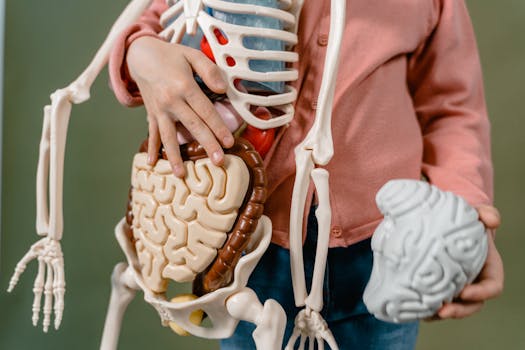 Photo: MART PRODUCTION / Pexels
 Photo: Nataliya Vaitkevich / Pexels